How to Clean Crassula Leaves
Cleaning Crassula leaves is essential for plant health and photosynthesis. This guide covers safe methods using soft brushes, damp cloths, and compressed air to remove dust without damaging the waxy coating or causing rot.
Key Takeaways
- Dust blocks light: Clean leaves absorb more sunlight for better photosynthesis and growth.
- Avoid harsh chemicals: Never use leaf shine products, oils, or soaps on Crassula leaves.
- Soft tools work best: Use makeup brushes, microfiber cloths, or compressed air for gentle cleaning.
- Water sparingly: If using moisture, apply to the cloth—not directly on leaves—and avoid the crown.
- Clean during growing season: Spring and summer are ideal times for thorough leaf cleaning.
- Inspect while cleaning: Check for pests, fungal spots, or sunburn during each cleaning session.
- Dry thoroughly: Always ensure leaves are completely dry before returning the plant to its spot.
Quick Answers to Common Questions
How often should I clean my Crassula leaves?
Clean weekly during spring and summer growing season. Reduce to monthly in fall and winter. Clean anytime you see visible dust or after moving the plant.
Can I use water to clean Crassula leaves?
Yes, but sparingly. Use a barely damp microfiber cloth with lukewarm distilled water. Never spray directly on leaves or let water sit in the crown.
What is the best tool for cleaning stacked Crassula varieties?
Compressed air (held upright, short bursts) works best for stacked varieties like Crassula perforata. Follow with a soft brush for remaining dust.
Should I use leaf shine products on my jade plant?
Never. Leaf shine clogs stomata, attracts more dust, and can burn succulent leaves. A clean, dry microfiber cloth buff gives natural shine.
How do I remove hard water spots from Crassula leaves?
Mix 1 part white vinegar to 3 parts distilled water. Test on one leaf first. Wipe spots gently, then rinse with clean distilled water and dry immediately.
📑 Table of Contents
- Why Cleaning Crassula Leaves Matters
- Understanding Crassula Leaf Structure
- Tools You Need for Cleaning Crassula Leaves
- Step-by-Step: How to Clean Crassula Leaves
- Special Situations
- When and How Often to Clean
- Common Mistakes to Avoid
- Cleaning as Pest Prevention
- After Cleaning Care
- Cleaning Different Crassula Varieties
- DIY Cleaning Solutions (Use With Caution)
- Troubleshooting Cleaning Problems
- Advanced Tips for Collectors
- Frequently Asked Questions About Cleaning Crassula
- Conclusion
Why Cleaning Crassula Leaves Matters
You love your Crassula. Maybe it’s a classic jade plant sitting on your windowsill. Maybe it’s a quirky Crassula perforata stacking up like buttons. Either way, you want it to thrive. Clean leaves are a big part of that.
Dust builds up fast. A thin layer might not seem like a problem. But it acts like a curtain. It blocks sunlight from reaching the leaf surface. Less light means less photosynthesis. Less photosynthesis means slower growth. Your plant gets weak. It stretches toward the light. It drops leaves. Cleaning fixes this.
There is another reason. Pests hide in dust. Spider mites love dusty leaves. Mealybugs tuck into the crevices where dust collects. Fungal spores settle there too. When you clean, you spot problems early. You wipe away eggs before they hatch. You see that tiny spot of rot before it spreads. A clean plant is a healthy plant.
Understanding Crassula Leaf Structure
The Waxy Cuticle
Crassula leaves are succulent. They store water. To keep that water inside, they have a thick waxy coating. This coating is called the cuticle. It is the plant’s armor. It prevents water loss. It protects against sunburn. It repels some pests.
Visual guide about How to Clean Crassula Leaves
Image source: c8.alamy.com
This waxy layer is delicate in its own way. Harsh chemicals strip it. Rough scrubbing damages it. Even too much water can be a problem if it sits in the wrong place. When you clean, you must respect this coating. Gentle is the rule. Always gentle.
Leaf Shapes and Cleaning Challenges
Not all Crassula leaves are the same. The classic jade plant (Crassula ovata) has flat, oval leaves. These are easy to wipe. Crassula perforata has stacked, triangular leaves. Dust gets trapped between the layers. Crassula capitella ‘Campfire’ has narrow, propeller-like leaves. Crassula muscosa (watch chain) has tiny, scale-like leaves packed tight.
Each shape needs a slightly different approach. Flat leaves take a cloth. Stacked leaves need a brush or air. Tiny leaves need air or a very soft brush. Know your plant. Adapt your method.
Tools You Need for Cleaning Crassula Leaves
Essential Tools
You do not need fancy equipment. You likely have most of this already.
- Soft makeup brush: A large, fluffy powder brush or blush brush works perfectly. Natural hair or high-quality synthetic. Clean and dry.
- Microfiber cloth: A clean, lint-free cloth. The kind for glasses or screens. Dampened slightly.
- Compressed air can: The kind for keyboards. Short bursts. Hold it upright.
- Small soft paintbrush: Size 0 or 2. For tight spots.
- Tweezers: For removing stuck debris or dead leaves.
- Cotton swabs: For the crown and tight leaf axils.
What to Avoid
This is just as important.
- Leaf shine sprays: They clog pores (stomata). They attract more dust. They can burn succulent leaves.
- Neem oil or horticultural oil: Unless treating pests, skip it. Oil blocks light and can cause sunburn.
- Soapy water: Soap strips the waxy cuticle. It leaves residue.
- Paper towels or tissues: Too abrasive. They leave lint. They can scratch.
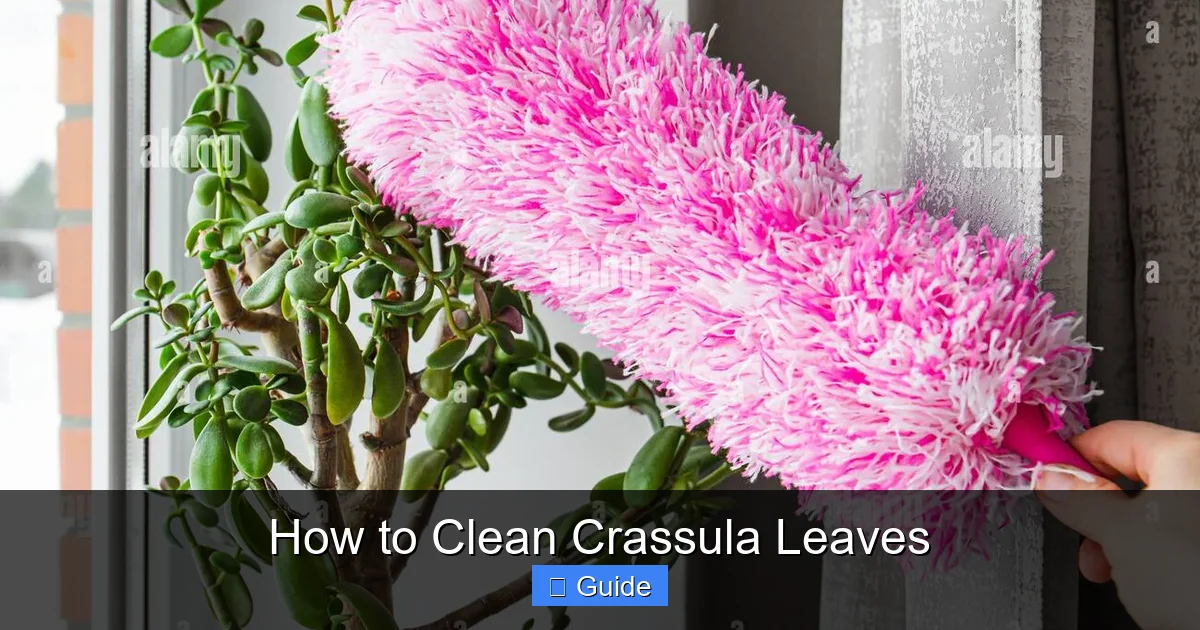
- Feather dusters: They just move dust around. They don’t remove it.
- High-pressure water: Damages leaves. Forces water into the crown. Causes rot.
Step-by-Step: How to Clean Crassula Leaves
Method 1: Dry Brushing (Best for Light Dust)
This is your go-to for weekly maintenance. It is fast. It is safe. It uses no water.
- Take your soft makeup brush.
- Hold the plant steady with one hand.
- Brush each leaf gently. Top to bottom. Follow the leaf curve.
- Brush the stem too.
- Brush the soil surface. Remove fallen leaves.
- Use the small paintbrush for tight spots between stacked leaves.
- Blow away loosened dust with compressed air if needed.
Do this in the morning. The plant has all day to recover. Do it outside or over a sink. Less mess.
Method 2: Damp Cloth Wipe (For Stubborn Grime)
Use this when dust is sticky. Maybe kitchen grease. Maybe mineral deposits from tap water spray. Maybe the plant was outside.
- Dampen a microfiber cloth with lukewarm water. Wring it out. It should be barely moist. Not dripping.
- Support the leaf from underneath with your free hand.
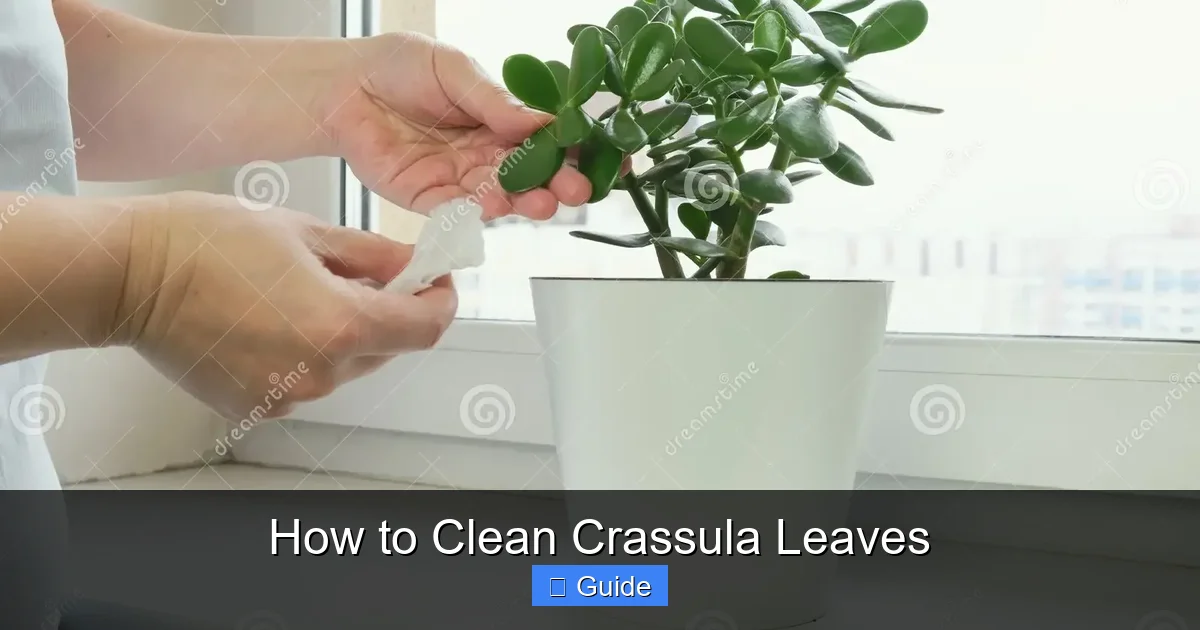
- Wipe the top surface gently. One smooth stroke. Base to tip.
- Flip the cloth. Wipe the underside. Pests hide there.
- Use a dry microfiber cloth to buff dry immediately.
- Check the crown. Dab with a dry cotton swab if any moisture got near the center.
Never pour water on the plant. Never spray directly on leaves. Water in the crown causes rot. Water between stacked leaves causes rot. Crassula hates wet crowns.
Method 3: Compressed Air (For Complex Shapes)
Crassula muscosa. Crassula perforata. Crassula rupestris. These have nooks. Crannies. Layers. A cloth cannot reach. A brush might miss spots.
- Take the plant outside or hold over a trash can.
- Hold the compressed air can upright. 6 to 8 inches away.
- Use short bursts. 1 to 2 seconds each.
- Work around the plant. Top to bottom. All angles.
- Follow with a soft brush for any remaining dust.
Do not tilt the can. Liquid propellant can freeze leaves. It damages tissue. Short bursts. Upright always.
Method 4: The Shower Method (For Large, Mature Plants Only)
This is controversial. Many growers say never shower succulents. But for a large, very dusty jade plant, it can work. Only do this in warm weather. Only if the plant can dry fast.
- Wait for a warm, breezy day. Morning is best.
- Cover the soil with plastic wrap. Secure around the stem. Tape it. No water in the pot.
- Use lukewarm water. Very gentle spray. Kitchen sprayer or shower on mist.
- Rinse leaves only. 30 seconds max.
- Shake gently. Blot with microfiber cloths.
- Place in bright, indirect light with good airflow. Fan on low helps.
- Do not water for at least a week. The leaves absorbed moisture.
I hesitate to recommend this. Most times, brushing and wiping are enough. Only shower if the plant is truly filthy and too big to wipe leaf by leaf.
Special Situations
Cleaning Mineral Deposits (Hard Water Spots)
White crusty spots. You see them on jade plants often. Tap water splashed on leaves. Minerals left behind. They block light. They look ugly.
Mix a solution. One part white vinegar. Three parts distilled water. Dampen a corner of your microfiber cloth. Test on one leaf. Wait a day. No damage? Proceed. Wipe each spot gently. Rinse cloth in clean distilled water. Wipe again to remove vinegar. Dry immediately.
Do not use this often. Vinegar is acidic. It can etch the cuticle over time. Once or twice a year max. Better: use distilled water for misting or cleaning from the start.
Cleaning After Pest Treatment
You sprayed neem oil. You used insecticidal soap. You wiped mealybugs with alcohol. Now the leaves have residue. Clean it off.
Wait 24 hours after treatment. Then use the damp cloth method. Lukewarm water only. Wipe every leaf. Top and bottom. Dry well. This removes chemical residue. It lets the plant breathe. It prevents phytotoxicity (chemical burn).
Cleaning Propagated Cuttings
Baby plants. Leaf cuttings. Stem cuttings rooting in soil. They get dusty too. But they are fragile.
Use compressed air only. Low pressure. Farther away. Or a very soft brush. Barely touch them. No cloth. No moisture. Their roots are not established. They cannot replace lost water. Treat them like newborns.
When and How Often to Clean
Seasonal Schedule
Spring: Deep clean. Growing season starts. Maximize light absorption. Check for winter pests.
Summer: Light dusting every 2 weeks. Growth is fast. Dust accumulates fast. Morning cleaning.
Fall: Moderate clean. Growth slows. Prepare for winter. Remove dead leaves.
Winter: Minimal. Only if visibly dusty. Plant is resting. Disturb it less. Compressed air only. No moisture.
Signs It’s Time to Clean
- Visible dust layer. You can write your name on the leaf.
- Leaves look dull. Not their normal glossy/waxy sheen.
- Plant is stretching (etiolating) despite good light.
- You see webbing (spider mites) or white cottony spots (mealybugs).
- After moving the plant. After construction nearby. After pollen season.
Common Mistakes to Avoid
Using Leaf Shine Products
They make leaves shiny for a day. Then they attract more dust. They clog stomata. The plant cannot gas exchange. It suffocates slowly. Succulents are especially sensitive. Just say no.
Cleaning in Direct Sun
Water droplets act like magnifying glasses. They burn leaf tissue. Even damp cloth wiping in strong sun can cause issues. Clean in shade. Morning or evening. Bright indirect light only.
Getting Water in the Crown
The crown is where leaves meet stem. The growing point. Water sits there. Rot starts there. It spreads fast. Crassula crown rot is often fatal. Always protect the crown. Dry it immediately if damp.
Scrubbing Too Hard
You see a stubborn spot. You scrub. You remove the waxy cuticle. The leaf scars. It never recovers. That spot is forever vulnerable. Gentle. Patient. Repeat if needed. Never scrub.
Ignoring the Undersides
Pests live underneath. Eggs are laid underneath. Dust settles there too. Always wipe or brush both sides. Lift the leaf gently. Support it. Clean under.
Cleaning as Pest Prevention
Spider Mites
They love dust. They hate humidity. They hate being disturbed. Weekly brushing disrupts their webs. It knocks them off. It makes the plant less hospitable. If you see fine webbing, brush daily for a week. Then treat if needed.
Mealybugs
They hide in leaf axils. In the crown. Under dried leaf sheaths. Cleaning exposes them. The brush knocks crawlers off. The cloth wipes away adults. Alcohol on a cotton swab kills individuals. But cleaning first makes treatment work better.
Scale Insects
They look like bumps. Brown. Tan. Stuck tight. Brushing won’t remove adults. But it removes crawlers (babies). It lets you see the scale. Then you can scrape gently with a fingernail or treat.
Fungus Gnats
They breed in wet soil. Cleaning the soil surface helps. Remove dead leaves. Remove top debris. Brush soil gently. Let it dry. Clean leaves mean you see the plant better. You notice the gnats sooner.
After Cleaning Care
Drying Time
If you used any moisture, wait. Let the plant air dry. 30 minutes minimum. 1 hour better. Fan on low speeds it up. Do not put in direct sun while damp. Do not water. The leaves hold moisture now.
Return to Spot
Put the plant back. Same orientation. Same light. Rotate if you want even growth. But do it gradually. A quarter turn a week. Sudden light changes stress succulents.
Monitor for Days
Watch the plant. New spots? Mushy leaves? Color change? Cleaning can reveal hidden damage. It can stress a weak plant. If something looks wrong, investigate. Adjust care.
Cleaning Different Crassula Varieties
Crassula ovata (Jade Plant)
Flat leaves. Easy. Damp cloth works great. Large leaves. Two hands. Support and wipe. Check the woody stems. Dust collects in bark crevices. Brush those.
Crassula perforata (String of Buttons)
Stacked triangles. Compressed air is king. Brush between layers. Cotton swabs for tight spots. Never pour water. It traps between leaves instantly.
Crassula capitella ‘Campfire’
Narrow propeller leaves. Color changes with stress. Brush gently. The color powder (farina) on some varieties rubs off. That is normal. It protects from sun. Do not try to keep it perfect. Just remove dust.
Crassula muscosa (Watch Chain)
Tiny scales. Compressed air only. Or very soft brush. Do not wipe. Do not damp cloth. Too dense. Too fragile. Air blast. Done.
Crassula rupestris (Baby’s Necklace)
Stacked, triangular, often reddish edges. Like perforata but thicker. Air and brush. Cotton swabs for the crown.
Crassula ‘Tom Thumb’ and ‘Moonglow’
Tiny. Compact. Stacked. Compressed air. Soft brush. Treat like muscosa. Miniature care.
DIY Cleaning Solutions (Use With Caution)
Distilled Water Only
Best. Safest. No minerals. No chlorine. No fluoride. Buy a gallon for $1. Lasts months. Use for damp cloth. Use for misting if you must mist.
Vinegar Solution (Desperate Measures Only)
1:3 vinegar to distilled water. For mineral deposits only. Test first. Rinse well. Dry fast. Once a year max. I prefer lemon juice diluted same ratio. Smells better. Same acidity.
Isopropyl Alcohol (Pest Cleanup Only)
70% alcohol. Cotton swab. Touch each pest. Do not wipe whole leaves. Alcohol strips wax. It burns in sun. Use only for mealybugs or scale. Spot treat. Then clean with water cloth later.
Troubleshooting Cleaning Problems
Leaf Spots After Cleaning
Brown spots. Black spots. Yellow halos.
- Sunburn: Water droplets + sun. Move to shade. Damaged leaves stay damaged. New growth will be fine.
- Chemical burn: Wrong cleaner. Rinse with distilled water. Dry. Wait.
- Fungal infection: Existed before. Cleaning revealed it. Treat with fungicide. Improve airflow.
- Edema: Plant took up too much water. Cells burst. Corky spots. Reduce watering.
Leaves Falling Off After Cleaning
Some leaf drop is normal. Old leaves. Stressed leaves. But excessive drop means shock.
- Too rough? Be gentler next time.
- Too wet? Dry faster. Less moisture.
- Temperature shock? Cold water on warm leaves. Use lukewarm.
- Root issues? Cleaning didn’t cause it. Revealed it. Check roots.
White Powder Rubbed Off
That is farina. Epicuticular wax. Natural sunscreen. Some Crassula have lots. Campfire. Some Echeveria (not Crassula but similar). It rubs off on your cloth. It is fine. The plant makes more. Do not worry. Do not try to preserve it perfectly. Clean the dust. Accept some farina loss.
Advanced Tips for Collectors
Cleaning Show Plants
You enter a show. You want perfection.
- Start 2 weeks before. Clean weekly.
- Final clean: 2 days before. Damp cloth. Buff dry.
- Day of show: Compressed air only. Touch up.
- Transport: Box with tissue paper. No plastic touching leaves.
- At show: Soft brush in pocket. Quick dust before judging.
Cleaning Large Specimens
Tree-like jade. 3 feet tall. Heavy.
- Do not move it. Clean in place.
- Step stool. Good light.
- Long-handled soft duster (microfiber, not feather).
- Spray bottle with distilled water. Mist cloth, not plant.
- Work bottom to top. Dust falls down.
- Help from a friend. One holds leaves. One wipes.
Cleaning After Repotting
Soil dust on leaves. Perlite dust. Root dust.
- Wait 3 days after repotting. Roots settle.
- Compressed air first. Blow off loose soil.
- Then soft brush.
- Damp cloth only if needed.
- Do not water for a week after repotting anyway. Cleaning fits the schedule.
Frequently Asked Questions About Cleaning Crassula
Can I use milk to shine the leaves?
No. Milk leaves protein residue. It rots. It smells. It attracts pests. It clogs stomata. Just no. Water and a microfiber cloth. That is all you need for shine.
Can I use banana peels to clean and shine?
Internet hack. Rub inside of peel on leaves. Wipe off. Some say it works. It leaves organic residue. It attracts fruit flies. It can cause fungal issues. Not worth the risk. Stick to water.
Should I mist my Crassula to keep it clean?
No. Misting does not clean. It adds moisture. It encourages fungal growth. It causes mineral deposits. It can rot the crown. Clean manually. Do not mist succulents.
Can I put my Crassula in the rain to clean it?
Light rain? Maybe. If warm. If breezy. If the plant dries fast. But rain is unpredictable. Heavy rain damages leaves. Cold rain shocks. Acid rain etches wax. You lose control. Better to clean yourself.
What about using a humidifier near the plant?
Humidifiers do not clean. They add humidity. Crassula prefers low humidity (30-50%). High humidity encourages rot and fungus. Keep humidifiers away from succulents.
Can I use a vacuum cleaner with a brush attachment?
Too strong. Suction pulls leaves. Damages tissue. Rips off farina. Static electricity attracts more dust. Compressed air blows dust away. Vacuum sucks plant. Do not do it.
Conclusion
Cleaning Crassula leaves is not a chore. It is a ritual. You slow down. You look at each leaf. You notice the new growth. You spot the mealybug before it becomes an infestation. You see the subtle color shift that means more sun. You connect with your plant.
The method is simple. Soft brush. Damp cloth. Compressed air. Gentle touch. No chemicals. No shortcuts. Respect the waxy armor. Protect the crown. Dry thoroughly.
Do it weekly in growing season. Monthly in winter. Adjust for your variety. Adjust for your environment. A dusty kitchen plant needs more cleaning than a bedroom plant. A plant near an open window needs more than one in a sealed room.
Your Crassula will thank you. Not in words. In plump leaves. In tight growth. In deep color. In flowers, if it is old enough and happy enough. Clean leaves catch every photon. They breathe. They transpire. They function.
So grab that makeup brush. Pour a cup of tea. Put on some music. Clean your Crassula. It is the best few minutes you will spend all week. Your plant will shine. So will you.
Frequently Asked Questions
Can I clean Crassula leaves with soap and water?
No, never use soap on Crassula leaves. Soap strips the protective waxy cuticle, leaves residue, and can cause leaf burn. Use only lukewarm distilled water on a microfiber cloth.
Is it okay to shower my Crassula plant to clean it?
Only for large, very dusty specimens in warm weather. Cover soil completely, use gentle lukewarm mist for 30 seconds max, dry thoroughly with cloths, and provide strong airflow. Avoid unless absolutely necessary.
What should I do if water gets in the crown of my Crassula?
Immediately blot with a dry cotton swab or microfiber cloth corner. Place plant in bright indirect light with a fan on low. Do not water for at least a week. Monitor for rot signs.
Can I use a feather duster on my Crassula?
Feather dusters are not recommended. They redistribute dust rather than removing it, can scratch the waxy coating, and may transfer pests between plants. Use a soft makeup brush instead.
How do I clean Crassula leaves that have farina (white powder)?
Use compressed air or a very soft brush only. Accept that some farina will rub off—it is natural and the plant produces more. Never wipe with a cloth as it removes the protective coating.
When is the best time of day to clean Crassula leaves?
Clean in the morning so the plant has all day to dry completely before cooler evening temperatures. Never clean in direct sunlight or when the plant is heat-stressed.