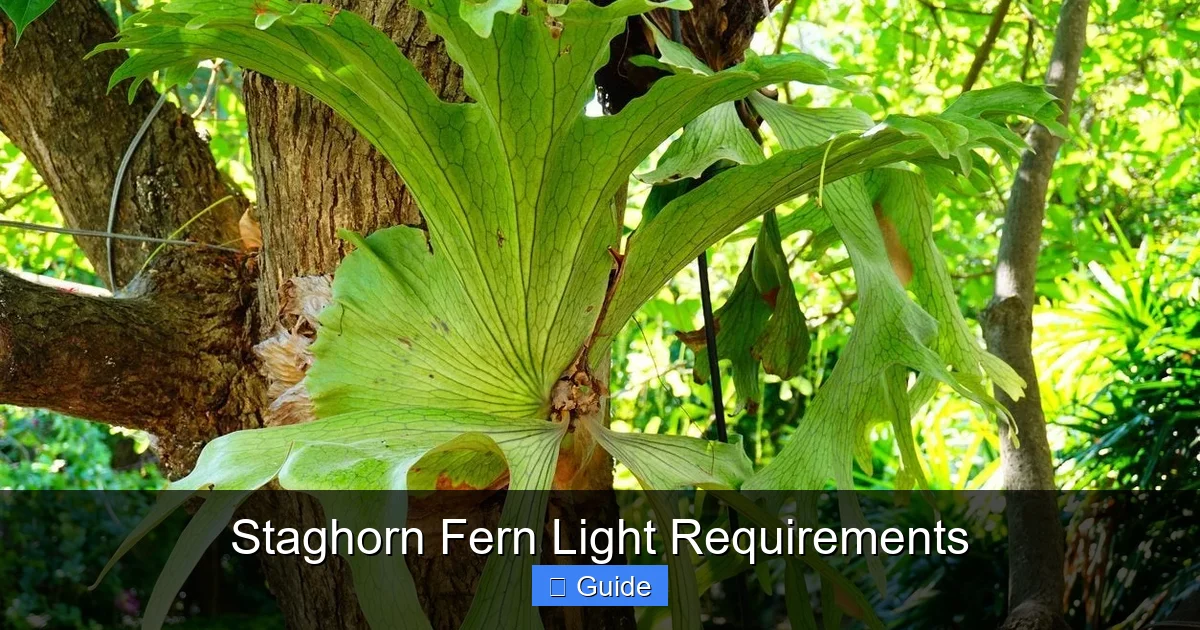
Staghorn Fern Light Requirements
Staghorn ferns thrive in bright, indirect light and can handle a little morning sun. Knowing the staghorn fern light requirements keeps leaves green and prevents burn.
Welcome to the guide on staghorn fern light requirements. I want to share what I have learned over years of growing these unique plants. Light is the single biggest factor for a happy staghorn fern.
When you understand staghorn fern light requirements you can avoid common problems like yellowing fronds or burnt tips. This guide breaks down everything into simple steps you can follow today.
In this guide I will walk you through every aspect of staghorn fern light requirements, from measuring light to seasonal adjustments. You will learn practical tips that you can apply today, whether your fern is mounted on a board or sitting in a hanging basket. Let’s get started and give your plant the light it loves.
You’ll also discover how to troubleshoot common light problems like yellowing tips or leggy growth. Each solution is backed by simple science and real‑world experience. By the end of this article you’ll feel confident managing staghorn fern light requirements in any setting.
Key Takeaways
- Bright indirect light is best: Staghorn ferns love filtered sunlight.
- Morning sun is okay: A few hours of gentle sun helps growth.
- Avoid harsh afternoon rays: Direct hot sun can scorch fronds.
- Measure light with a meter or phone: Aim for 1,000–2,000 foot‑candles.
- Adjust with seasons: Move plants closer to windows in winter.
- Rotate mounted ferns regularly: Even light prevents lopsided growth.
Quick Answers to Common Questions
What is the ideal light level for a staghorn fern?
The ideal light level is bright indirect light measuring roughly 1,000 to 2,000 foot‑candles at frond height.
Can staghorn ferns tolerate direct sunlight?
They can handle a couple of hours of gentle morning sun, but harsh afternoon sun will burn the fronds.
How do I measure light for my staghorn fern?
Use a handheld light meter or a smartphone app to read foot‑candles or lux at the level of the fronds.
Should I move my staghorn fern in winter?
Yes, bring it closer to the brightest window or add a grow light to compensate for shorter days.
Why are my staghorn fern fronds turning brown?
Brown tips usually mean too much direct sun or heat; move the plant to indirect light and trim damaged areas.
📑 Table of Contents
- Understanding staghorn fern light requirements
- Ideal light conditions for staghorn fern light requirements
- How to measure light for staghorn fern light requirements
- Adjusting light through the seasons for staghorn fern light requirements
- Common light mistakes and fixes for staghorn fern light requirements
- Tips for mounted and potted staghorn fern light requirements
- Conclusion
Understanding staghorn fern light requirements
Why light matters for staghorn fern light requirements
Staghorn ferns are epiphytes that grow on tree trunks in tropical forests. In nature they receive dappled sunlight filtered through the canopy. This tells us that staghorn fern light requirements are all about bright but indirect light. Too much direct sun can damage the delicate fronds. Too little light slows growth and makes the plant look sparse.
Light drives photosynthesis which fuels the fern’s unique shield and fertile fronds. When light is right the shield fronds stay thick and green. The fertile fronds produce spores more reliably. This is why staghorn fern light requirements are so important for both looks and reproduction.
Remember that the shield fronds act like solar panels for the plant. When they receive the right amount of filtered light they stay thick and green. If the light is too weak the shields become thin and papery. This visual cue helps you judge staghorn fern light requirements without any tools.
Natural habitat clues for staghorn fern light requirements
Observe how the fern clings to branches high up in the forest. It gets morning light that is soft and warm. Midday sun is blocked by leaves. Evening light fades gently. Replicating this pattern at home is the key to meeting staghorn fern light requirements. Think of a bright room with a sheer curtain or a shaded patio.
In the wild the fern also experiences brief periods of brighter light when gaps open in the canopy. Those moments are short and never last for hours. Mimicking that with a few hours of morning sun works well. Long exposure to intense light is not part of the natural staghorn fern light requirements.
You can mimic the forest floor by placing a sheer curtain over a bright window. The curtain breaks up direct beams just like canopy leaves do. A small fan can add gentle air movement which also helps the fronds dry after watering. These simple tweaks bring your home closer to the natural staghorn fern light requirements.
Ideal light conditions for staghorn fern light requirements
Bright indirect light for staghorn fern light requirements
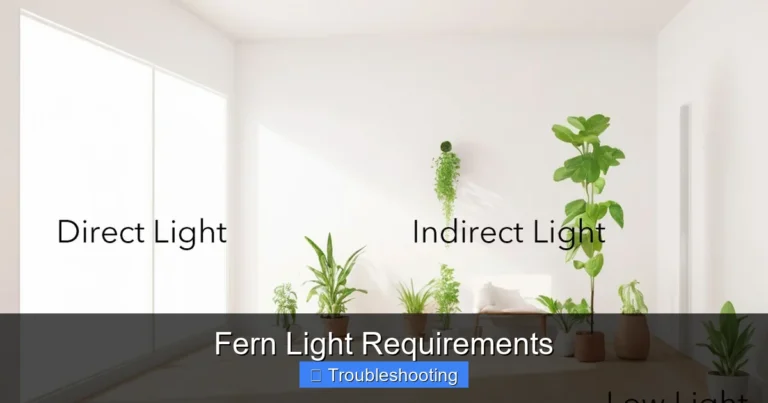
Place your fern near a north or east facing window where the sun never hits the leaves directly. A sheer curtain can diffuse stronger light. This setup matches the core staghorn fern light requirements for most homes. The plant will show vibrant green shield fronds and steady growth.
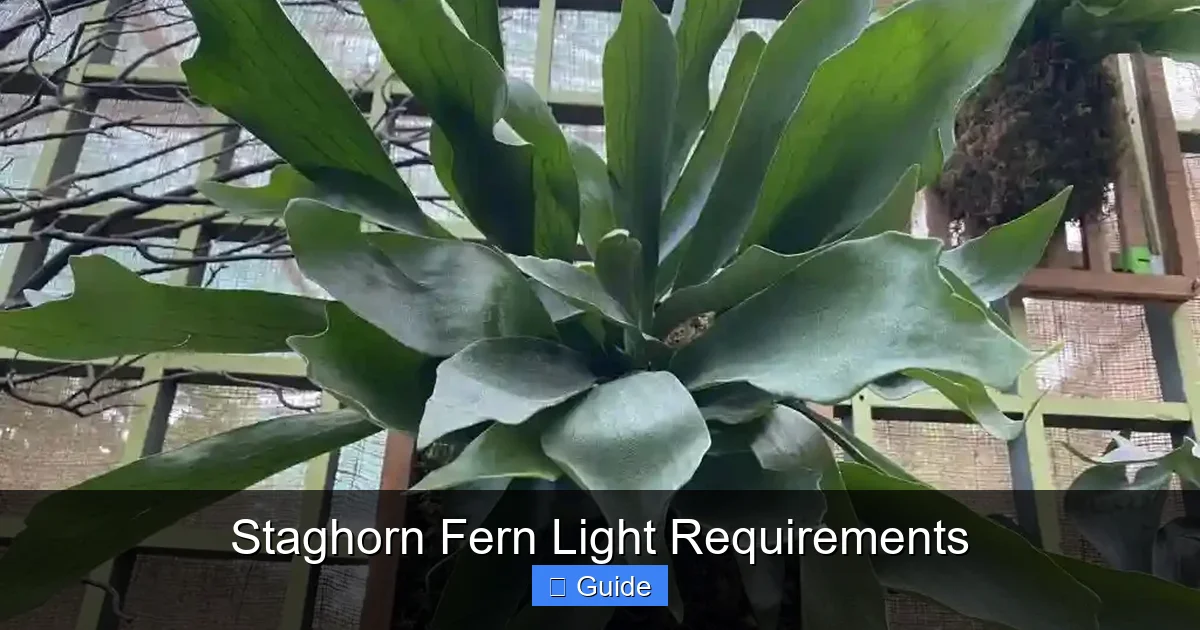
Visual guide about Staghorn Fern Light Requirements
Image source: yefdw.com
If you only have a south or west window pull the plant back a few feet. Use a light‑filtering film on the glass. The goal is to keep the light intensity in the sweet spot without any harsh beams.
If you have a light meter, aim for a reading between 1,000 and 2,000 foot‑candles at frond level. That range matches the sweet spot for most indoor staghorn ferns. When the meter shows a lower number, simply shift the plant a few inches closer to the window. Small moves make a big difference for staghorn fern light requirements.
Morning sun tolerance in staghorn fern light requirements
A couple of hours of gentle morning sun is usually safe. The rays are cooler and less intense. Many growers report that a little early light boosts the fern’s vigor. Just watch for any signs of bleaching on the frond tips.
If you notice the edges turning pale, move the plant back into pure indirect light. The staghorn fern light requirements are flexible but they have a clear limit.
A good rule of thumb is to give the fern no more than two hours of direct morning sun. After that, move it back into bright shade. The cooler morning rays boost chlorophyll production without overheating the tissue. This practice keeps the staghorn fern light requirements balanced and the fronds looking fresh.
Avoid harsh afternoon sun for staghorn fern light requirements
Afternoon sun through a window can be surprisingly strong. It can raise leaf temperature quickly and cause burn. Keep the fern out of that direct path. A simple rule: if you feel heat on your hand at the leaf level, the light is too strong.
Using a shade cloth or moving the plant to a deeper shelf solves the problem. Consistency is more important than occasional bright bursts for staghorn fern light requirements.
If you notice the tips of the fronds turning crispy, the plant is getting too much heat. A quick fix is to hang a lightweight shade cloth on the window. The cloth cuts the intensity but still lets enough light through for photosynthesis. This adjustment restores the proper staghorn fern light requirements instantly.
How to measure light for staghorn fern light requirements
Using a light meter for staghorn fern light requirements
A handheld light meter gives you a precise reading in foot‑candles or lux. Aim for a range of 1,000 to 2,000 foot‑candles for optimal staghorn fern light requirements. Take the reading at the level of the fronds, not at the ceiling.
Measure at different times of day to see how the light shifts. This helps you decide if you need to adjust the plant’s position. A meter removes guesswork from staghorn fern light requirements.
Take readings at three times: morning, midday, and late afternoon. Write each number down in a small notebook. Over a week you will see a pattern that tells you exactly where the light is strongest. This habit makes meeting staghorn fern light requirements almost automatic.
Using your phone for staghorn fern light requirements
Many free apps turn your smartphone into a decent light meter. They are not as accurate as a dedicated device but they work well for home use. Open the app, hold the phone at frond height, and note the value.
Compare the reading to the target range for staghorn fern light requirements. If the number is low, move the plant closer to the window. If it is high, add a diffuser or step back.
Most phone apps display the reading in lux, so convert if you prefer foot‑candles. A quick mental shortcut: divide lux by 10 to get an approximate foot‑candle value. Keep the phone at the same height as the fronds for consistency. This simple trick keeps your staghorn fern light requirements on track without extra gear.
Reading the numbers for staghorn fern light requirements
Foot‑candles measure how much light falls on a surface. Lux is the metric equivalent. Roughly 1 foot‑candle equals 10.76 lux. For staghorn fern light requirements you want about 10,000 to 20,000 lux. Write down the numbers each week to spot trends.
Seasonal changes will show up in the data. You can then plan moves before the plant shows stress. This proactive approach keeps staghorn fern light requirements on track all year.
If your readings consistently sit below 800 foot‑candles, the fern will struggle to produce new shield fronds. On the other hand, numbers above 3,000 foot‑candles often lead to bleaching. Aim for the middle ground and adjust the plant’s position gradually. This careful tuning honors the staghorn fern light requirements perfectly.
Adjusting light through the seasons for staghorn fern light requirements
Spring and summer care for staghorn fern light requirements
Days get longer and light intensity rises. Your fern may receive more than it needs if it sits too close to a window. Shift it a few inches back or add a sheer curtain. This keeps staghorn fern light requirements in the safe zone.
Watch for rapid growth. That is a sign the light is good. If growth slows, the plant might be getting too much heat rather than light. Adjust accordingly.
During the peak growing season the fern may push out new fertile fronds every few weeks. Give it a little extra humidity by misting the shield fronds in the morning. The added moisture works together with the bright light to fuel rapid growth. This synergy is a core part of staghorn fern light requirements in spring and summer.
Fall and winter care for staghorn fern light requirements
Shorter days mean less natural light. Move the fern closer to the brightest window you have. A south facing window can become a great spot in winter. This compensates for the drop in staghorn fern light requirements.
Supplement with a grow light if the room stays dim. Choose a full‑spectrum LED set to 12‑14 hours a day. Keep the light at the same distance you would use for a sunny window.
When daylight drops below ten hours, the fern’s metabolism slows. Reduce watering frequency but keep the root ball from drying out completely. A supplemental LED grow light set to a 12‑hour timer can replace the missing sun. This strategy keeps the staghorn fern light requirements satisfied even in the darkest months.
Indoor versus outdoor staghorn fern light requirements
Outdoor ferns in a shaded patio often get perfect dappled light. Bring them inside before frost. Place them where they receive similar filtered light. The transition should be gradual to avoid shock.
Indoor ferns benefit from a summer vacation outdoors in a protected spot. Just remember to acclimate them slowly. This seasonal dance keeps staghorn fern light requirements balanced.
If you move a potted fern outside for summer, place it under a tree or a pergola where the light is filtered. Bring it back inside before night temperatures fall below 50 °F. The gradual transition prevents shock and keeps the fronds healthy. This seasonal dance is a practical example of managing staghorn fern light requirements year round.
Common light mistakes and fixes for staghorn fern light requirements
Too much direct sun for staghorn fern light requirements
Placing the fern in a hot south window without protection is the most common error. The fronds turn brown at the tips and may curl. Move the plant to a spot with only indirect light or add a diffuser.
Trim any severely damaged fronds. The plant will replace them once the light is corrected. This quick fix restores proper staghorn fern light requirements.
A telltale sign of sunburn is a white or brown patch on the upper side of a frond. Cut away the damaged portion with clean scissors. Then move the plant to a spot with only indirect light. The fern will usually bounce back within a few weeks, proving that correct staghorn fern light requirements are reversible.
Too little light for staghorn fern light requirements
A dark corner or a north window blocked by a building can starve the fern. The shield fronds become thin and pale. Growth slows dramatically. Relocate the plant to a brighter area or add a grow light.
Give the fern a few weeks to adjust. New growth should appear greener and sturdier. Monitoring helps you keep staghorn fern light requirements on point.
When the shield fronds become long, thin, and pale green, the plant is stretching for more photons. Add a small full‑spectrum grow light about 12 inches above the fronds. Run it for 12 hours a day to mimic a bright day. This supplemental lighting quickly satisfies the staghorn fern light requirements and restores compact growth.
Inconsistent light for staghorn fern light requirements
Moving the plant around every day confuses its internal rhythm. The fern prefers a stable light environment. Choose a permanent spot that meets the staghorn fern light requirements and keep it there.
If you must move it, do so gradually over a week. This reduces stress and keeps the fronds healthy.
A stable location also helps the fern develop a strong root system. When the plant is constantly moved, the roots cannot anchor properly in the mounting medium. Choose a spot that meets the staghorn fern light requirements and leave it there for at least a month before making any changes. Patience pays off with healthier fronds.
Tips for mounted and potted staghorn fern light requirements
Mounted on wood for staghorn fern light requirements
Mounted ferns hang on a plaque or board. They often sit higher on a wall where light can be uneven. Rotate the mount every few weeks so all sides receive equal light. This simple habit satisfies staghorn fern light requirements for even growth.
Use a moisture‑retentive medium like sphagnum moss behind the shield fronds. The moss holds water and also diffuses light a little. That extra buffer helps the fern tolerate brief bright spots.
If you use a wooden plaque, seal it with a non‑toxic waterproof coating to prevent rot. The coating also reflects a tiny amount of light back onto the shield fronds. This subtle boost can be helpful in a dim room. It’s a small detail that supports the overall staghorn fern light requirements.
Potted in baskets for staghorn fern light requirements
Basket culture lets you move the fern easily. Place the basket on a shelf that gets bright indirect light. If the basket hangs, make sure the chain does not cast a shadow on the fronds. Consistent light keeps staghorn fern light requirements met.
Choose a potting mix that drains well but stays moist. A mix of orchid bark, peat, and perlite works great. Good drainage prevents root rot while the light does its job.
Choose a basket with wide slats so air can circulate around the root ball. Good airflow reduces the chance of fungal spots on the shield fronds. Place the basket on a rotating plant stand to make weekly turns effortless. This setup makes it easy to honor the staghorn fern light requirements every day.
Rotating for even growth in staghorn fern light requirements
Whether mounted or potted, rotate the plant a quarter turn each week. This prevents one side from stretching toward the light. Balanced exposure means a fuller, more symmetrical fern.
Set a reminder on your phone. The habit takes seconds but makes a big difference for staghorn fern light requirements over time.
Mark the pot or mount with a small sticker to remember which side faced the window last week. Rotate a quarter turn each time you water. The consistent movement ensures every frond gets its fair share of photons. This habit is the simplest way to meet staghorn fern light requirements without any guesswork.
Conclusion
You now have a clear picture of staghorn fern light requirements. Bright indirect light, a touch of morning sun, and protection from harsh afternoon rays are the core rules. Measure your light, adjust with the seasons, and avoid common mistakes.
With a little attention your staghorn fern will reward you with lush shield fronds and impressive fertile fronds. Happy growing!
Remember that every home is different, so use the guidelines as a starting point and observe how your fern responds. Small tweaks in placement or timing can make a big impact on growth and color. With a little patience you’ll master the staghorn fern light requirements and enjoy a stunning, healthy plant for years to come.
If you ever feel unsure, revisit the light meter readings and adjust accordingly. The plant will tell you what it needs through its fronds. Trust the process and enjoy the journey of growing a magnificent staghorn fern.
Happy growing and may your staghorn fern thrive in perfect light!
Keep a small notebook by your plant to log light readings and any changes you make. Over time you’ll see patterns that guide you to the perfect spot. This record becomes a personal reference for future staghorn fern light requirements adjustments.
Frequently Asked Questions
How often should I rotate a mounted staghorn fern?
Rotate the mount a quarter turn each week so all sides receive equal light and the plant grows symmetrically.
What type of grow light works best for staghorn ferns?
A full‑spectrum LED set to 12‑14 hours a day at a distance of 12‑18 inches provides the right intensity without overheating.
Can I keep a staghorn fern in a bathroom with low light?
A bathroom often lacks enough brightness; supplement with a grow light or place the fern near a frosted window for better results.
Is it okay to mist the fronds daily?
Misting adds humidity but does not replace proper light; ensure the plant still meets its light requirements for healthy growth.
What should I do if my staghorn fern gets too much light?
Move it to a shadier spot, add a sheer curtain, or use a shade cloth to diffuse the intensity and prevent leaf burn.
Do staghorn ferns need a dark period at night?
Yes, they require a natural dark cycle; avoid leaving grow lights on 24 hours to maintain healthy rhythms.