How to Treat Leaf Miners on Indoor Plants
Leaf miners are tiny larvae that tunnel through leaves, creating unsightly trails and weakening your indoor plants. This guide covers everything from early identification to effective organic and chemical treatments, plus prevention strategies to keep your houseplants healthy and pest-free.
You notice something strange on your favorite houseplant. Winding, squiggly lines snake across the leaves. They look like someone drew a maze with a white marker. Your heart sinks. You have leaf miners. Don’t panic. These pests are common. They are also manageable. This guide walks you through everything you need to know. You will learn how to spot them. You will learn how to treat them. You will learn how to keep them from coming back.
Leaf miners are not a single insect. The term describes the larval stage of several insects. Flies, moths, sawflies, and beetles can all produce leaf mining larvae. On indoor plants, the most common culprit is the Liriomyza species. These are tiny flies. The adults lay eggs inside leaf tissue. The eggs hatch. The larvae feed between the upper and lower leaf surfaces. They create those telltale tunnels. The damage is mostly cosmetic. But heavy infestations weaken plants. They reduce photosynthesis. They make plants vulnerable to disease. Let’s dive into the details.
Key Takeaways
- Early detection is critical: Look for winding white or brown trails on leaves to catch infestations before they spread.
- Remove affected leaves immediately: Pruning mined leaves reduces the population and stops larvae from maturing into adults.
- Neem oil works as a powerful organic treatment: It disrupts the leaf miner life cycle and prevents eggs from hatching.
- Beneficial insects can control outbreaks naturally: Parasitic wasps like Diglyphus isaea target leaf miner larvae effectively.
- Sticky traps catch adult flies: Yellow sticky cards reduce egg-laying by trapping female leaf miners before they reproduce.
- Healthy plants resist pests better: Proper watering, lighting, and fertilization strengthen plant defenses against infestations.
- Rotate treatments to prevent resistance: Alternate between neem oil, spinosad, and insecticidal soap for long-term control.
Quick Answers to Common Questions
What do leaf miners look like on indoor plants?
Leaf miners appear as winding white, yellow, or brown trails on leaves. These tunnels are created by larvae feeding between the upper and lower leaf surfaces. You may also see tiny black flies hovering near plants or small white dots (eggs) on leaf undersides.
Can leaf miners kill my houseplants?
Leaf miners rarely kill mature plants directly, but heavy infestations weaken them significantly. Extensive mining reduces photosynthesis, causes premature leaf drop, and makes plants susceptible to secondary infections and other pests.
Is neem oil effective against leaf miners?
Yes, neem oil is highly effective. It disrupts the leaf miner life cycle by preventing larvae from molting, repelling adults, and reducing egg-laying. Apply every 7 days for at least 3 weeks to cover multiple generations.
How do I get rid of leaf miners in soil?
Sprinkle food-grade diatomaceous earth on the soil surface to kill pupating larvae and emerging adults. Beneficial nematodes (Steinernema feltiae) also target pupae in soil. Replace heavily infested soil entirely.
When should I use systemic insecticides for leaf miners?
Use systemic insecticides like imidacloprid only for severe, persistent infestations on non-edible ornamental plants. They provide long-lasting protection but harm beneficial insects and persist in plant tissue. Always rotate chemical classes to prevent resistance.
📑 Table of Contents
- Understanding Leaf Miners: What Are They?
- Immediate Action: First Steps When You Spot Leaf Miners
- Organic and Natural Treatments for Leaf Miners
- Chemical Treatments: When to Use Stronger Options
- Cultural Practices: Preventing Future Infestations
- Special Situations: Treating Specific Plants
- Troubleshooting: When Treatments Fail
- Conclusion: Winning the War on Leaf Miners
Understanding Leaf Miners: What Are They?
The Life Cycle of a Leaf Miner
Knowing the life cycle helps you time treatments. The cycle has four stages. Egg. Larva. Pupa. Adult. Adult female flies puncture the leaf surface. They lay eggs inside. Each female lays hundreds of eggs. Eggs hatch in two to five days. The larvae emerge. They immediately start feeding. This larval stage lasts one to three weeks. They molt several times. They grow larger. The tunnels widen. You see the damage increase daily. Mature larvae chew exit holes. They drop to the soil. They pupate there. Some species pupate inside the leaf. The pupal stage lasts one to two weeks. Adults emerge. The cycle repeats. In warm indoor conditions, a generation completes in two to three weeks. Multiple generations overlap. Populations explode fast.
Common Leaf Miner Species on Indoor Plants
Several species attack houseplants. The serpentine leaf miner (Liriomyza trifolii) creates winding, snake-like mines. The vegetable leaf miner (Liriomyza sativae) makes similar patterns. The pea leaf miner (Liriomyza huidobrensis) prefers legumes but attacks many plants. The citrus leaf miner (Phyllocnistis citrella) targets citrus trees. Moth larvae like the horse chestnut leaf miner (Cameraria ohridella) create blotch mines. These look like large brown patches. Identifying the exact species is not critical. Treatment is similar for all. But knowing which plants they prefer helps. They love soft, tender leaves. Favorites include chrysanthemums, gerberas, and vegetables. They also hit ficus, citrus, and many tropicals.
Signs of Leaf Miner Infestation
Spotting leaf miners early saves your plants. Look for these signs. Winding trails: White, yellow, or light green lines on leaves. They follow the leaf veins sometimes. They wander randomly other times. Blotch mines: Large, irregular brown or white patches. These indicate moth or sawfly larvae. Leaf curling: Heavy mining causes leaves to curl and dry. Premature leaf drop: Infested leaves yellow and fall early. Tiny flies: Small black or gray flies hovering near plants. They are about 2 millimeters long. Egg spots: Tiny white dots on leaf undersides. These are oviposition marks. Check leaf undersides weekly. Use a magnifying glass. Early detection makes treatment easier.
Immediate Action: First Steps When You Spot Leaf Miners
Isolate the Affected Plant
Act fast. Move the infested plant away from others. Leaf miners spread quickly. Adults fly short distances. They find new hosts easily. Quarantine the plant in a separate room. If space is tight, use a clear plastic bag. Cover the plant loosely. This contains adults. It prevents egg-laying on neighbors. Keep the plant isolated for at least two weeks. Monitor it daily. Treat it during this time. Do not return it until you see no new mines for seven days.
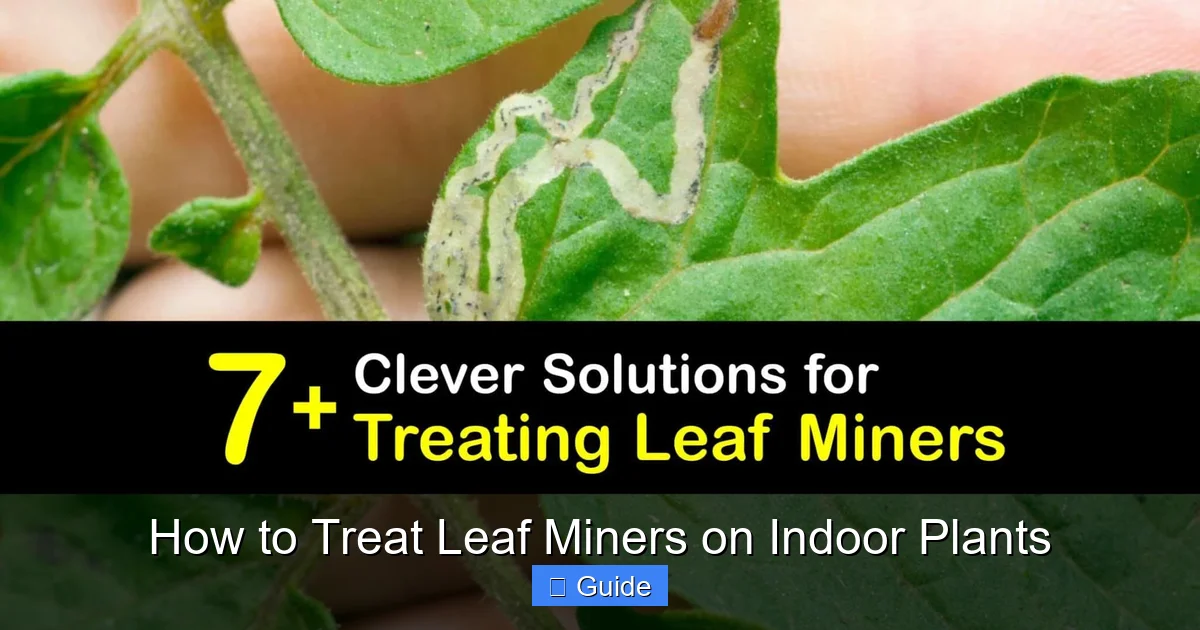
Visual guide about How to Treat Leaf Miners on Indoor Plants
Image source: tipsbulletin.com
Remove and Destroy Mined Leaves
This is the single most effective step. Prune every leaf with visible mines. Use clean, sharp scissors. Cut at the base of the leaf stem. Do not tear leaves. Tearing damages the plant. Place removed leaves in a sealed plastic bag. Throw them in the outdoor trash. Do not compost them. Larvae survive composting. They emerge as adults. They reinfest your garden. Removing leaves removes the larvae inside. It instantly reduces the population. It also removes eggs that have not hatched. Check the plant every two days. Remove new mines immediately. This mechanical control works wonders.
Inspect All Nearby Plants
Check every plant in the area. Leaf miners do not stay put. Examine leaf tops and bottoms. Look at new growth first. Adults prefer young, tender leaves. Check plants that shared the same tray. Check plants downwind from fans. Check plants you touched after handling the infested one. Your hands transfer eggs. Wash hands between plants. Use a flashlight. Mines show up better with backlighting. Hold leaves up to light. You see tunnels clearly. Mark suspect plants. Treat them preventively.
Organic and Natural Treatments for Leaf Miners
Neem Oil: The Gold Standard
Neem oil is a gardener’s best friend. It comes from neem tree seeds. It contains azadirachtin. This compound disrupts insect hormones. It stops larvae from molting. It prevents pupation. It repels adults. It reduces egg-laying. Mix neem oil concentrate with water. Follow label rates. Usually one to two tablespoons per gallon. Add a few drops of mild liquid soap. This helps it spread. Spray thoroughly. Cover leaf tops and bottoms. Spray stems and soil surface. Apply in the evening. Neem degrades in sunlight. Repeat every seven days. Continue for three weeks. This covers multiple generations. Neem is safe for beneficials when dry. It is safe for pets and people.
Insecticidal Soap: Contact Killer
Insecticidal soap kills on contact. It penetrates insect cuticles. It causes dehydration. It works on larvae inside mines if you get coverage. Spray until runoff. Focus on leaf undersides. The soap must touch the pest. It has no residual activity. Once dry, it stops working. Apply early morning or late evening. Repeat every five to seven days. Use potassium salts of fatty acids. Avoid dish soaps. They damage plant wax. Test on one leaf first. Wait 24 hours. Check for burn. Soap works best combined with leaf removal. It catches larvae you miss.
Spinosad: Biological Powerhouse
Spinosad comes from soil bacteria. Saccharopolyspora spinosa produces it. It affects the insect nervous system. It causes paralysis and death. It works by ingestion and contact. Larvae eat treated leaf tissue. They die in 24 to 48 hours. It has translaminar activity. This means it penetrates the leaf. It reaches larvae inside mines. This is huge. Most sprays stay on the surface. Spinosad goes inside. Mix per label. Usually four tablespoons per gallon. Spray weekly. Maximum six applications per season. Do not apply when bees are active. It is toxic to bees for three hours. Indoor use avoids this issue. Rotate with neem oil. Prevents resistance.
Beneficial Insects: Nature’s Pest Control
Parasitic wasps are leaf miner assassins. Diglyphus isaea is the star. Females sting larvae. They paralyze them. They lay eggs on them. Wasp larvae eat the leaf miner. One wasp kills many miners. Dacnusa sibirica lays eggs inside young larvae. It works better at low densities. Release them early. Hang cards on plants. Wasps emerge and hunt. They need nectar. Provide flowering plants nearby. Or use sugar water drops. Keep humidity moderate. Avoid pesticides. They kill your helpers. Beneficials work best in greenhouses. They work in homes too. Order online. Release weekly for three weeks.
Diatomaceous Earth: Soil Barrier
Diatomaceous earth (DE) is fossilized algae. It is sharp at microscopic level. It cuts insect exoskeletons. It dehydrates them. Sprinkle food-grade DE on soil surface. Larvae drop to pupate. They crawl through DE. They die. Adults emerge from soil. They crawl through DE. They die. Reapply after watering. Water makes DE ineffective. Use a duster for even coating. Wear a mask. Do not inhale dust. DE helps break the cycle. It does not affect larvae inside leaves. Combine with foliar sprays.
Homemade Remedies: Do They Work?
Many home recipes circulate online. Garlic spray. Hot pepper spray. Oil and soap mixes. Vinegar solutions. Some have mild repellent effects. None match commercial products. Garlic may deter egg-laying. Pepper spray irritates pests. But they wash off fast. They lack translaminar action. They do not reach larvae inside leaves. Use them as supplements only. Never rely on them alone. Test any homemade spray first. Spray one leaf. Wait 48 hours. Check for damage. Some plants are sensitive. Especially ferns and succulents.
Chemical Treatments: When to Use Stronger Options
Systemic Insecticides: How They Work
Systemic insecticides absorb into plant tissue. Roots take them up. Leaves become toxic. Larvae feed on treated tissue. They die. Imidacloprid is common. It is a neonicotinoid. It lasts weeks to months. One soil drench protects new growth. But it has downsides. It kills beneficial insects. It persists in pollen. It harms bees outdoors. Indoor use reduces this risk. But residues remain. Follow label exactly. Do not use on edibles. Do not use if you move plants outside. Rotate chemical classes. Avoid resistance.
Pyrethroids: Fast Knockdown
Pyrethroids are synthetic pyrethrins. Permethrin, bifenthrin, cyfluthrin. They attack nervous systems. They kill on contact. They have some residual activity. Spray foliage thoroughly. They control adults well. They control larvae poorly. Larvae hide inside leaves. Pyrethroids do not penetrate well. They are toxic to cats. Very toxic to fish. Use with extreme caution indoors. Ventilate well. Keep pets away until dry. Better options exist for leaf miners.
Rotating Chemical Classes: Preventing Resistance
Resistance develops fast. Leaf miners have short generations. They produce many offspring. Mutations spread quickly. Rotate modes of action. Use IRAC codes. Group 4A (neonicotinoids). Group 5 (spinosad). Group 6 (avermectins). Group 15 (benzoylureas). Group 28 (diamides). Do not use same group twice in a row. Ideally, use three groups in rotation. Include non-chemical methods. Mechanical removal. Biological control. Cultural practices. This preserves chemical efficacy. It protects your future options.
Safety Precautions for Indoor Pesticide Use
Indoor pesticide use requires care. Read the entire label. The label is the law. Wear gloves. Wear long sleeves. Wear eye protection. Use a respirator for concentrates. Ventilate the room. Open windows. Run fans. Keep children out. Keep pets out. Cover aquariums. Turn off air circulation. Apply in early morning. Let dry completely. Re-enter after label time. Store chemicals locked up. Dispose of containers properly. Never pour down drain. Check local disposal rules.
Cultural Practices: Preventing Future Infestations
Quarantine New Plants
Every new plant is a risk. Nurseries have pests. Greenhouses have pests. Even reputable sources miss things. Quarantine all new arrivals. Two weeks minimum. Four weeks ideal. Keep them separate. Inspect daily. Use a magnifier. Check leaf undersides. Check new growth. Treat preventively with neem oil. One application at arrival. One at week two. This catches hitchhikers. It saves your collection. A quarantine area pays for itself. Use a spare room. Or a grow tent. Or clear bins with lids.
Sanitation: Clean Growing Area
Cleanliness reduces pests. Remove fallen leaves immediately. They harbor pupae. Sweep floors weekly. Wipe shelves monthly. Disinfect pots before reuse. Use 10% bleach solution. Rinse well. Sterilize tools between plants. Alcohol wipes work. Flame metal tools. Do not reuse potting soil. Old soil holds pupae. Compost it outdoors. Or bake it at 180°F for 30 minutes. Clean yellow sticky traps. Replace them monthly. Dust blocks their stickiness.
Optimal Plant Health: Strong Plants Resist Pests
Healthy plants fight back. They produce defensive compounds. They tolerate damage better. Stressed plants attract pests. They emit different volatiles. Insects detect weakness. Provide proper light. Each plant has needs. Research yours. Water correctly. Not too much. Not too little. Feel the soil. Fertilize appropriately. Use balanced fertilizer. Do not over-fertilize. High nitrogen makes soft growth. Soft growth attracts leaf miners. Repot when rootbound. Fresh soil invigorates. Prune for airflow. Good circulation prevents fungal issues. It helps sprays cover better.
Monitoring with Sticky Traps
Yellow sticky traps are early warning systems. Adults fly to yellow. They get stuck. Hang traps at plant height. One trap per 100 square feet. Check weekly. Count catches. Rising numbers mean trouble. Replace traps when covered. Or monthly. Traps also reduce populations. They catch egg-laying females. Fewer females means fewer eggs. Blue traps work for thrips. Yellow works for leaf miners, whiteflies, fungus gnats, aphids. Use both if needed. Write dates on traps. Track trends.
Environmental Controls: Temperature and Humidity
Leaf miners love warmth. They develop faster in heat. At 70°F, generation takes three weeks. At 85°F, it takes two weeks. Cool temperatures slow them. But do not chill tropical plants. Humidity matters too. High humidity favors fungal diseases. Low humidity stresses plants. Aim for 40-60% humidity. Use fans for air movement. Moving air makes landing hard for adults. It dries leaf surfaces. Eggs desiccate. Good airflow is free pest control.
Special Situations: Treating Specific Plants
Leaf Miners on Citrus Trees
Citrus leaf miner (Phyllocnistis citrella) is a specialist. It attacks only citrus and relatives. New growth is the target. Mines are silvery and serpentine. Leaves curl severely. Young trees suffer most. Mature trees tolerate damage. Protect flush growth. Spray neem oil at first sign of new leaves. Repeat every flush. Flushes occur three to four times yearly. Soil drench with imidacloprid works. But it harms pollinators. Citrus flowers attract bees. Time drench after bloom. Or use foliar spinosad. Remove mined leaves. Parasitic wasps Ageniaspis citricola control them well. Released in many states.
Leaf Miners on Edible Indoor Plants
Herbs and microgreens get leaf miners. Spinach, chard, beet greens are favorites. You eat these leaves. Safety is paramount. No systemics. No pyrethroids. Stick to mechanical removal. Pinch mined leaves. Eat the rest. Wash thoroughly. Neem oil is safe. Harvest after 24 hours. Wash before eating. Spinosad has short pre-harvest interval. Check label. Usually one to three days. Insecticidal soap is zero-day. Beneficial wasps work great. No residue concerns. Grow under row cover. Fine mesh excludes adults. Lightweight fabric. Secure edges. Remove for harvest.
Leaf Miners on Succulents and Cacti
Succulents get leaf miners too. Agave, aloe, echeveria. Mines look different. They are blotchy. Leaves are thick. Larvae mine between layers. Damage shows as pale patches. Leaves may rot. Succulents hate wet sprays. Oil causes sunburn. Soap marks leaves. Use systemic granules. Sprinkle on soil. Water in. Roots absorb. Protects new growth. Or use granular spinosad. Work into top inch. Water lightly. Remove affected leaves. Cut at base. Let callus. Do not water cut area. Monitor closely. Succulents hide damage well.
Leaf Miners on Flowering Houseplants
African violets, begonias, geraniums. Flowers attract adults. Buds get mined. Petals show trails. Blooms deform. Remove damaged flowers. Pinch buds with mines. Spray neem oil carefully. Avoid open blooms. Oil spots petals. Spray early morning. Flowers closed. Spinosad is safer on blooms. But test first. Some varieties sensitive. Beneficial wasps work well. They hunt in dense foliage. Sticky traps catch adults near flowers. Keep plants vigorous. Deadhead spent blooms. Reduces attraction.
Troubleshooting: When Treatments Fail
Common Mistakes to Avoid
Many people make the same errors. Spraying only leaf tops: Larvae are inside. Undersides have eggs. Spray both sides. Stopping too soon: One spray kills larvae. Eggs hatch next week. Spray for three weeks minimum. Ignoring soil: Pupae in soil emerge. Treat soil surface. Use DE or nematodes. Not isolating: Adults fly to neighbors. Treat all plants in area. Over-fertilizing: Soft growth invites pests. Cut nitrogen during outbreak. Using one product only: Resistance builds. Rotate modes of action. Skipping inspection: You miss early signs. Check twice weekly.
Dealing with Persistent Infestations
Sometimes they keep coming back. Check these hidden sources. Weeds: Chickweed, lambsquarters, nightshade. They host leaf miners. Remove weeds near plants. Outdoor access: Open windows bring adults. Screen windows. Use fine mesh. Infested soil: Reused soil holds pupae. Use fresh sterile mix. Beneficials missing: Broad-spectrum sprays killed them. Stop chemicals. Release wasps. Resistant population: Rotate chemistry. Add mechanical control. Missed plants: That forgotten corner plant. Check everywhere.
When to Call a Professional
Most home growers handle this alone. But consider help if: Large collection: 50+ plants. Treatment is overwhelming. Valuable specimens: Rare or expensive plants. Risk is high. Persistent failure: Three months of effort. No improvement. Commercial operation: You sell plants. Regulations apply. Structural issues: Pests in walls, vents. Need building treatment. Professionals have restricted products. They have equipment. They have experience. Get quotes. Check references. Ensure they know indoor plants.
Recovery Care After Infestation
Plants need TLC after leaf miners. They lost leaf area. Photosynthesis dropped. They are stressed. Reduce light slightly: Less demand on damaged leaves. Water carefully: Roots may be compromised. Avoid wet feet. Fertilize lightly: Half-strength balanced feed. Support new growth. Increase humidity: Reduces transpiration stress. Remove remaining damaged leaves: They drain energy. Watch for secondary pests: Spider mites love stressed plants. Mealybugs too. Be patient: Recovery takes weeks. New growth will be clean.
Conclusion: Winning the War on Leaf Miners
Leaf miners are frustrating. Those squiggly lines drive gardeners crazy. But you have the tools now. You know how to spot them early. You know how to remove mined leaves. You know organic options. Neem oil. Spinosad. Soap. Beneficial wasps. You know chemical options. Systemics. Pyrethroids. Rotation. You know prevention. Quarantine. Sanitation. Monitoring. Plant health. You have a complete toolkit.
Start with the basics. Inspect weekly. Remove mines immediately. Spray neem oil weekly. Hang sticky traps. Quarantine new plants. These five habits prevent 90% of problems. For active infestations, combine methods. Mechanical plus biological plus chemical. Hit them from all angles. Be persistent. Three weeks minimum. Break the cycle. Your plants will thank you. New growth will be perfect. The trails will be memories. You got this. Happy growing.
Frequently Asked Questions
How do I know if my plant has leaf miners or something else?
Leaf miners create distinctive winding tunnels or blotchy mines inside leaves, unlike surface-feeding pests. Hold the leaf up to light—you’ll see the larva inside the tunnel. Spider mites cause stippling, thrips leave silvery patches, and caterpillars chew holes from the edge inward.
Can I eat herbs that had leaf miners?
Yes, you can eat the unaffected leaves after thorough washing. Remove and discard any leaves with visible mines. The larvae and their trails are not harmful if accidentally consumed, but the damaged tissue may taste bitter or have reduced quality.
Do leaf miners spread from plant to plant?
Yes, adult leaf miners fly short distances and readily move between nearby plants. They prefer soft, new growth. Isolate infested plants immediately and check all surrounding plants. One female can lay hundreds of eggs across multiple plants in her lifetime.
How long does it take to get rid of leaf miners completely?
With consistent treatment (leaf removal plus neem oil or spinosad every 7 days), expect 3-4 weeks to break the cycle. The life cycle takes 2-3 weeks indoors, so you must treat through at least two full generations. Monitor for 2 weeks after last sighting before declaring victory.
Will leaf miners go away on their own?
No, leaf miners will not disappear without intervention. Indoor conditions allow year-round reproduction with overlapping generations. Populations increase exponentially until the plant is severely damaged or you intervene. Natural enemies are absent indoors unless you introduce them.
What plants are most susceptible to leaf miners indoors?
Leaf miners favor plants with soft, tender leaves: chrysanthemums, gerberas, citrus, ficus, basil, spinach, Swiss chard, tomatoes, peppers, and many tropical foliage plants. Thick-leaved succulents and waxy-leaved plants like hoya are less susceptible but not immune.