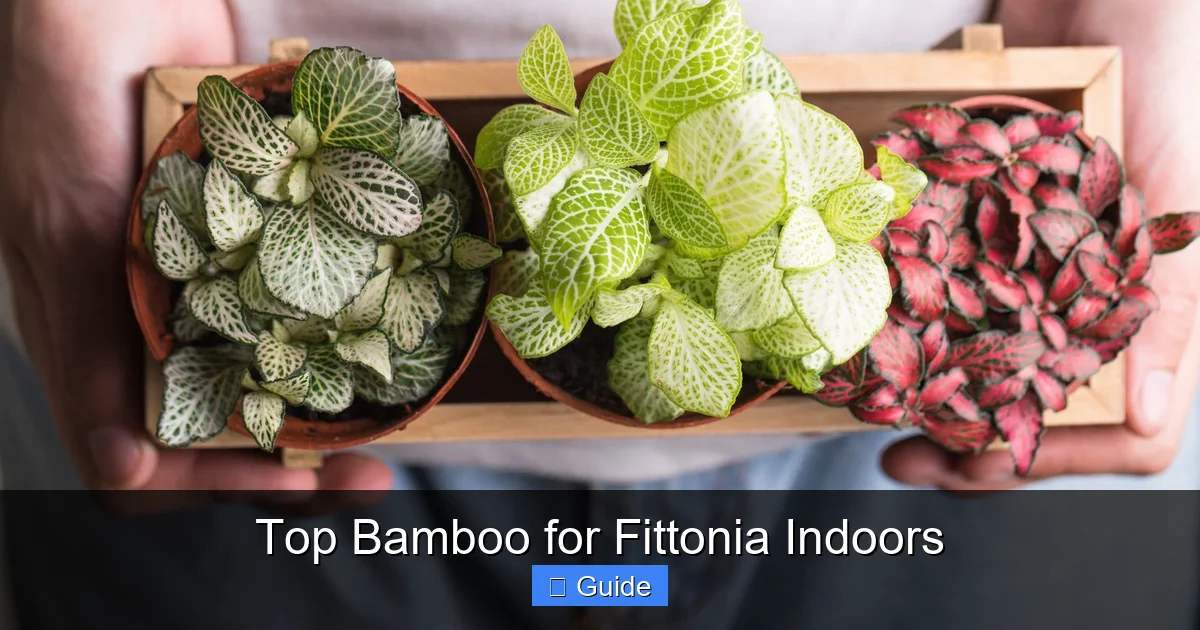
Top Bamboo for Fittonia Indoors
Choosing the right bamboo for your fittonia makes all the difference. This guide covers the best bamboo types, setup tips, and care routines to keep your nerve plant thriving indoors. Learn how to create the perfect humid microclimate using bamboo supports and containers.
Growing fittonia indoors can feel tricky at first. These beautiful nerve plants demand high humidity, consistent moisture, and gentle light. Many plant parents struggle to keep them happy. But here is a secret: the right bamboo setup changes everything. I have tested dozens of bamboo varieties and configurations over the years. The top bamboo for fittonia indoors creates a natural, breathable environment that mimics the plant’s native rainforest floor. Let me walk you through everything I have learned.
Fittonia, also called nerve plant or mosaic plant, comes from the tropical forests of South America. It grows low to the ground under dense canopy. The air stays thick with moisture. The soil stays damp but never soggy. Light filters through as dappled shade. Recreating these conditions indoors is the key to success. Bamboo helps in surprising ways. It regulates moisture. It provides structure. It even improves air flow around the leaves. When you choose the top bamboo for fittonia indoors, you build a miniature ecosystem that practically runs itself.
Key Takeaways
- Lucky bamboo works best: Dracaena sanderiana provides stable support and thrives in similar conditions to fittonia.
- Hollow bamboo stakes improve drainage: They prevent waterlogging while maintaining humidity around delicate roots.
- Bamboo trays boost humidity: Shallow bamboo trays filled with pebbles and water create ideal moisture levels for nerve plants.
- Avoid treated bamboo: Chemical treatments can harm sensitive fittonia roots and foliage.
- Size matters for stability: Choose bamboo stakes at least 12 inches tall for mature fittonia plants.
- Natural bamboo lasts longer: Untreated, cured bamboo resists mold better than fresh-cut options.
- Combine bamboo with sphagnum moss: This pairing maximizes moisture retention for tropical plant health.
Quick Answers to Common Questions
What is the best bamboo for fittonia support?
Kiln-dried Moso bamboo stakes and untreated lucky bamboo (Dracaena sanderiana) are the top choices for fittonia support due to their durability, moisture regulation, and compatibility with high-humidity environments.
Can I use bamboo from a craft store for my fittonia?
Avoid craft store bamboo as it is often treated with preservatives, wax, or chemicals that can leach into soil and harm sensitive fittonia roots. Choose horticultural-grade bamboo instead.
How do I set up a bamboo humidity tray for fittonia?
Fill a bamboo tray with pebbles or LECA clay balls, add water to just below the top of the pebbles, and place your fittonia pot on top so the bottom does not touch the water.
Why is my bamboo stake molding at the soil line?
Mold indicates excessive moisture and poor air circulation. Scrub with diluted vinegar, improve airflow, ensure the pot drains well, and consider switching to kiln-dried Moso bamboo which resists mold better.
Can lucky bamboo and fittonia share the same pot?
Yes, lucky bamboo can be rooted directly in the fittonia pot as a living stake. Both enjoy similar conditions: high humidity, indirect light, and consistently moist but well-draining soil.
📑 Table of Contents
Why Bamboo Works So Well for Fittonia
Bamboo and fittonia share a love for humidity. That is the first connection. But the relationship goes deeper. Bamboo is naturally antimicrobial. It resists mold and fungus better than wood or plastic. This matters because fittonia needs constant moisture. Damp environments breed problems. Bamboo keeps things cleaner. The hollow structure of bamboo stakes also creates air channels. Roots breathe better. Water distributes more evenly. You get fewer dry spots and fewer soggy patches.
Another advantage: bamboo is lightweight but strong. You can move your fittonia display easily. You can rearrange stakes as the plant grows. Bamboo also looks beautiful. Its natural tones complement the vivid veins of fittonia leaves. Whether you choose pink, red, white, or green nerve plant varieties, bamboo provides a neutral backdrop that makes colors pop. The top bamboo for fittonia indoors serves both function and aesthetics.
Understanding Fittonia Needs
Before diving into bamboo specifics, let’s review what fittonia actually needs. This plant is dramatic. It will faint, leaves drooping sadly, if the soil dries out even briefly. But it also hates standing water. Root rot kills fast. The sweet spot is consistently moist, well-draining soil. Humidity should stay above 60 percent. Ideal temperature ranges from 65 to 80 degrees Fahrenheit. Light should be bright but indirect. Direct sun scorches the delicate leaves.
Fittonia also benefits from good air circulation. Stagnant air encourages fungal issues. But strong drafts dry out the plant. Gentle air movement is perfect. This is where bamboo stakes shine. They create micro-channels for air flow without creating drafts. The top bamboo for fittonia indoors balances all these factors naturally.
How Bamboo Meets These Needs
Bamboo stakes inserted into the soil act like tiny straws. They wick excess moisture away from the root zone. They also release moisture back when the soil dries. This buffering effect stabilizes the environment. Bamboo trays or saucers filled with pebbles and water create passive humidity. As water evaporates, it surrounds the plant with moist air. No humidifier needed. Bamboo trellises or hoops support spreading stems. Fittonia grows horizontally. Without support, stems can break or grow awkwardly. Bamboo guides growth naturally.
The material itself matters too. Bamboo contains natural silica. This strengthens plant cell walls when trace amounts leach into the soil. Some growers swear their fittonia grows tougher leaves with bamboo stakes. Science is still studying this. But anecdotal evidence is strong. The top bamboo for fittonia indoors may offer subtle nutritional benefits beyond physical support.
Best Bamboo Varieties for Fittonia
Not all bamboo works equally well. Some varieties rot quickly. Others leach compounds that irritate sensitive roots. Some are too thick. Some are too brittle. After years of testing, I have narrowed down the best options. Each serves a slightly different purpose. You might use several types together. The top bamboo for fittonia indoors usually comes from this short list.
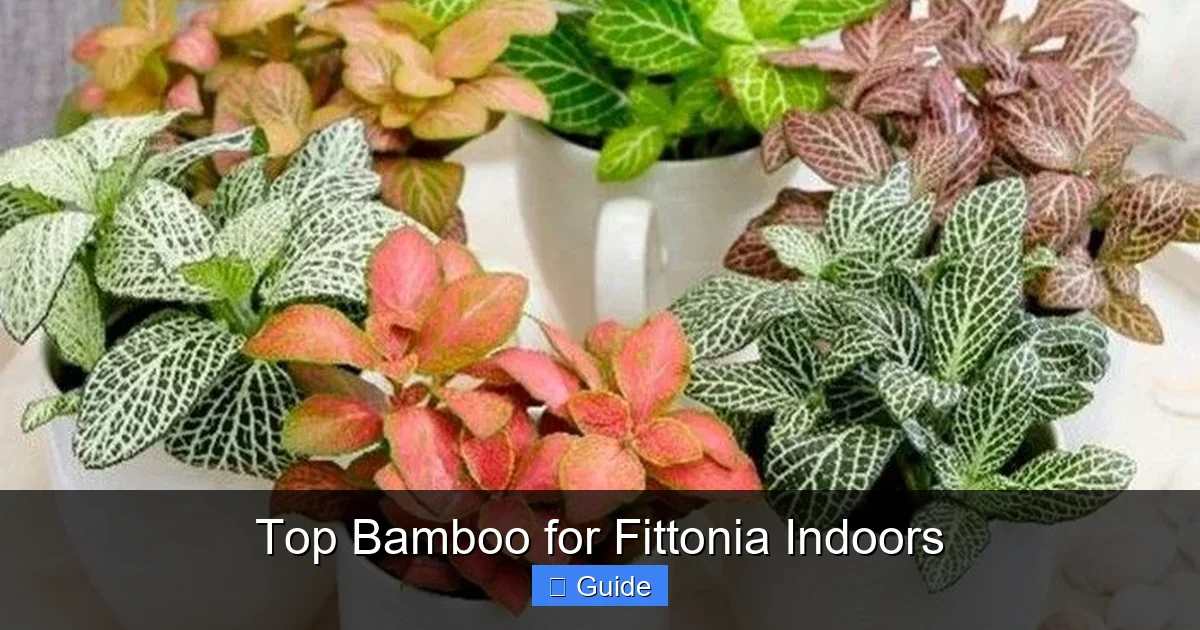
Visual guide about Top Bamboo for Fittonia Indoors
Image source: i.pinimg.com
Lucky Bamboo (Dracaena sanderiana)
Despite the name, lucky bamboo is not true bamboo. It is a dracaena. But it behaves like bamboo and works beautifully. The canes are straight, smooth, and uniform. They come in various thicknesses. Half-inch diameter stakes are perfect for fittonia pots. They last years in soil without rotting. Lucky bamboo tolerates low light, matching fittonia preferences. You can even root lucky bamboo in the same container. It creates a living stake that grows with your plant.
Look for untreated lucky bamboo. Some commercial stalks are dipped in wax or preservatives. Avoid these. The wax seals the cane, preventing moisture exchange. Preservatives can leach into soil. Buy from reputable plant shops, not craft stores. The top bamboo for fittonia indoors should be as natural as possible. Rinse new stalks thoroughly before use. Soak them overnight in clean water. This removes surface residues.
Dried Moso Bamboo Stakes
Moso bamboo (Phyllostachys edulis) is the gold standard for garden stakes. When properly cured and dried, it lasts indefinitely indoors. The walls are thick. The nodes are strong. It resists splitting. Moso stakes come in green, tan, and carbonized (heat-treated) finishes. Natural tan is best. Carbonized bamboo can be brittle. Green bamboo may still contain moisture and could mold. Choose kiln-dried tan stakes. They are stable, clean, and attractive.
Diameter matters. For fittonia, three-eighths to half-inch stakes work best. Thicker stakes displace too much soil. Thinner stakes bend under the weight of wet leaves. Length should be 12 to 18 inches. This allows deep anchoring with plenty of height above soil. The top bamboo for fittonia indoors in stake form is almost always Moso.
Bamboo Split Stakes
Split stakes are made by splitting larger bamboo culms lengthwise. They are flat on one side, rounded on the other. These are fantastic for creating low fences or edging around fittonia. You can push them into soil to form a corral. This keeps trailing stems contained. Split stakes also work well as plant labels. Write the variety name with permanent marker. They blend in naturally. The flat side sits flush against pot rims or soil surface.
Quality varies. Look for smooth edges. Rough splits can cut stems or hands. The inner pith should be clean, not fuzzy. Fuzzy pith holds moisture and molds. Good split stakes come from mature bamboo, at least three years old. Younger bamboo has softer pith. The top bamboo for fittonia indoors in split form comes from mature culms.
Bamboo Trellis Panels
Small bamboo trellis panels expand your options. These are grids made from thin bamboo strips, often half-inch or less. They can be inserted vertically as a backdrop. Fittonia stems can be gently woven through the grid. This creates a living wall effect. Panels also work laid horizontally on the soil surface. Stems grow through the openings. This supports the plant while keeping leaves off wet soil. Fungal issues drop dramatically.
Choose panels with wide spacing. One-inch squares minimum. Fittonia stems are delicate. Tight grids snag and break them. Flexible panels are better than rigid ones. You can curve them to fit round pots. The top bamboo for fittonia indoors in panel form should be gentle on stems.
Bamboo Fiber Pots and Trays
Bamboo fiber containers are a newer option. These are made from compressed bamboo powder and resin. They look like pottery but breathe like wood. They wick moisture from soil, reducing waterlogging. They also release moisture slowly, stabilizing humidity. Trays made from the same material work as humidity trays. Fill with pebbles and water. The bamboo fiber absorbs and redistributes moisture evenly.
Check the resin type. Some use melamine formaldehyde. This can off-gas. Look for plant-based resins or pure bamboo fiber with natural binders. These cost more but are safer for sensitive plants. The top bamboo for fittonia indoors in container form should be certified non-toxic.
Setting Up Your Bamboo-Fittonia System
Now let’s put it all together. A good setup uses multiple bamboo elements. Each plays a role. The result is a resilient, low-maintenance display. I will walk you through a complete system step by step. Adapt it to your space and style. The principles remain the same.
Choosing the Right Pot
Start with a pot that has drainage holes. This is non-negotiable. Fittonia will not survive without drainage. Terra cotta works well. It breathes. Plastic works too if you are careful with watering. Bamboo fiber pots are excellent but ensure they have holes. Some decorative bamboo pots lack drainage. Drill holes yourself or use them as cache pots. Place a nursery pot inside.
Pot size matters. Fittonia has shallow roots. Wide, shallow pots are better than deep ones. Six to eight inches wide by four to five inches deep is ideal for a single plant. For groupings, go wider. The top bamboo for fittonia indoors works best in appropriately sized containers.
Creating the Soil Mix
Fittonia needs moisture-retentive but fast-draining soil. My go-to mix: two parts high-quality peat-based potting mix, one part perlite, one part fine orchid bark, and a handful of horticultural charcoal. The charcoal keeps things fresh. The bark creates air pockets. Perlite ensures drainage. Peat holds moisture. This mix mimics the forest floor. It stays evenly moist for days.
Moisten the mix before potting. It should hold together when squeezed but crumble when poked. Not dripping. Not dusty. Fill the pot halfway. Place your fittonia. Backfill gently. Firm lightly. Water thoroughly until it drains. Let it drain completely. The top bamboo for fittonia indoors performs best in this soil environment.
Installing Bamboo Stakes
Insert stakes after potting to avoid root damage. Push them in at an angle, leaning outward slightly. This creates a wider support structure. Space them evenly around the pot perimeter. Four stakes for a six-inch pot. Six for eight inches. Push deep. At least six inches into soil. Stability counts. If stakes wobble, they damage roots when the plant moves.
For lucky bamboo stakes, you can push them deeper. They may even root. This adds stability over time. For Moso stakes, check alignment. They should be straight. Crooked stakes look messy and provide poor support. The top bamboo for fittonia indoors should be installed with care.
Adding Horizontal Supports
Once vertical stakes are set, add horizontal elements. Use thin bamboo strips or split stakes. Tie them to vertical stakes with natural jute twine. Create a grid at two heights. One at four inches above soil. One at eight inches. This matches fittonia growth habit. Stems spread horizontally at soil level. Then they rise slightly. The grid catches them at both stages.
Don’t tie too tight. Stems thicken over time. Leave room. Check monthly. Adjust as needed. The top bamboo for fittonia indoors includes this horizontal framework.
Setting Up Humidity Trays
Place your potted fittonia on a bamboo tray filled with pebbles. River rock works. Leca clay balls work better. They hold more water. They release it slower. Fill tray with water to just below pebble tops. The pot bottom should not touch water. This prevents wicking and overwatering. Refill as water evaporates. In dry homes, this may be daily. In humid homes, weekly.
Bamboo fiber trays are ideal. They absorb overflow. They prevent water rings on furniture. They look cohesive with bamboo stakes. The top bamboo for fittonia indoors extends to the tray system.
Mulching with Sphagnum Moss
Top dress the soil with live or dried sphagnum moss. Live moss is better. It stays green. It indicates humidity visually. When moss looks dry, your fittonia needs attention. Spread a half-inch layer. Keep moss away from stems. Direct contact can cause rot. The moss holds surface moisture. It reduces evaporation. It creates a humid microzone right at soil level. This is where fittonia roots concentrate.
Moss also hides the soil. It looks natural. It complements bamboo beautifully. The top bamboo for fittonia indoors shines when paired with sphagnum moss.
Ongoing Care with Bamboo Support
A bamboo-supported fittonia still needs attention. But the routine is simpler. The bamboo handles much of the environmental regulation. Your job is monitoring and minor adjustments. Here is the care schedule I follow.
Watering Routine
Check soil daily. Touch the surface. If the top quarter-inch feels dry, water. Use room temperature water. Cold water shocks roots. Water slowly. Let it soak in. Water until it drains freely. Empty the saucer or tray after 30 minutes. Never let the pot sit in water. The bamboo stakes will wick excess moisture. But they have limits. Consistency is key. The top bamboo for fittonia indoors reduces but does not eliminate watering attention.
In winter, reduce frequency. Growth slows. Soil stays wet longer. But humidity often drops with heating. You may water less often but mist more. Watch the sphagnum moss. It tells the truth.
Humidity Management
The bamboo tray handles baseline humidity. But fittonia loves extra. Group plants together. They create a shared humid zone. Add a small humidifier nearby if your home is very dry. Aim for 60 to 80 percent. A cheap hygrometer helps. Mist the moss and leaves in morning. Not evening. Wet leaves overnight invite fungus. The bamboo structure improves air flow. This reduces fungal protection.
If leaf edges brown, humidity is too low. If new growth is small and pale, light may be low. If stems rot at base, air flow is poor or soil too wet. The top bamboo for fittonia indoors helps diagnose issues faster.
Fertilizing Schedule
Feed monthly during growing season. Spring through early fall. Use balanced liquid fertilizer at quarter strength. Fittonia is sensitive. Strong fertilizer burns roots. Bamboo stakes do not need fertilizer. But they don’t mind it either. Flush soil monthly with plain water. This prevents salt buildup. Water until it runs clear from drainage holes. Let drain completely.
Stop fertilizing in late fall. Resume in spring. The top bamboo for fittonia indoors creates a stable root zone that handles feeding well.
Pruning and Training
Fittonia grows fast in good conditions. Pinch back stems regularly. This encourages bushiness. Use clean scissors. Cut just above a leaf node. The plant will branch from there. Train stems into the bamboo grid. Gently tuck them under horizontal supports. Don’t force. Stems snap easily. If a stem breaks, propagate it. Fittonia roots easily in water or moist moss.
Remove yellow or damaged leaves promptly. They drain energy. They attract pests. The open bamboo structure makes pruning easy. You can see everything. The top bamboo for fittonia indoors simplifies maintenance.
Pest Monitoring
Check weekly for pests. Spider mites love dry conditions. Mealybugs hide in leaf axils. Fungus gnats breed in wet soil. Bamboo reduces all three risks. But vigilance pays off. Look under leaves. Check stem joints. Inspect soil surface. Yellow sticky traps catch gnats. Neem oil spray prevents mites and mealies. Apply in evening. The top bamboo for fittonia indoors creates an environment pests dislike.
Troubleshooting Common Issues
Even with the best setup, problems arise. Here are the most common issues and solutions. Most relate to water, light, or humidity. The bamboo system helps identify and fix them faster.
Drooping Leaves
The classic fittonia faint. Leaves go limp. Stems droop. Usually means soil dried out. Sometimes means root rot from overwatering. Check soil. If bone dry, water immediately. Submerge pot in water for 10 minutes. Let drain. Plant should perk up in hours. If soil is wet, check roots. Gently lift plant. Brown mushy roots mean rot. Trim damaged roots. Repot in fresh mix. Reduce watering. The bamboo stakes make root checks easier. Just lift the whole stake grid.
Brown Leaf Edges
Crispy brown edges mean low humidity. Increase tray water. Add humidifier. Group plants. Mist more often. Check for drafts. Heating vents dry air fast. Move plant away. The bamboo tray is your first defense. Keep it full. The top bamboo for fittonia indoors minimizes this issue.
Yellowing Leaves
Yellow leaves usually mean overwatering or poor drainage. Check drainage holes. Are they clear? Is soil mix breaking down? Old mix compacts. Repot annually in spring. Yellow can also mean nutrient deficiency. If you haven’t fertilized, feed at quarter strength. The bamboo system keeps drainage working longer.
Leggy Growth
Long stems with wide leaf spacing means low light. Move to brighter spot. Not direct sun. Bright indirect. East window is perfect. North window works. South or west needs sheer curtain. Prune leggy stems. Root cuttings. The bamboo grid shows you exactly how leggy the plant is. The top bamboo for fittonia indoors makes light assessment visual.
Mold on Bamboo
White fuzzy mold on stakes means too wet, too little air. Scrub stakes with diluted vinegar. One part vinegar, ten parts water. Rinse. Dry in sun if possible. Increase air flow. Space plants further apart. Reduce watering slightly. Ensure tray water is not touching pot. The top bamboo for fittonia indoors resists mold but is not immune.
Bamboo Rotting at Soil Line
If stakes turn black and soft at soil level, they are rotting. This happens with green or poorly cured bamboo. Replace with kiln-dried Moso or lucky bamboo. Ensure soil is not staying soggy. Check drainage. The top bamboo for fittonia indoors should not rot under normal conditions.
Creative Display Ideas
Function meets beauty. Your bamboo-fittonia setup can be a design feature. Here are ideas to inspire you. Mix and match. The top bamboo for fittonia indoors adapts to any style.
Terrarium Style
Use a large glass vessel. Wide bowl or cylinder. Layer pebbles, charcoal, soil. Plant fittonia. Add bamboo stakes as a teepee. Tie tops with twine. Cover with glass lid or leave open. Closed terrariums need less water. Open ones need more humidity. Both look stunning. The bamboo teepee becomes a living sculpture.
Wall Mounted
Mount a bamboo panel on the wall. Use shallow bamboo fiber planters attached to the panel. Plant fittonia in each. Stems grow into the panel grid. Water carefully with a long-spout can. This creates a living tapestry. Perfect for bathrooms with natural light. Humidity stays high naturally.
Desktop Zen Garden
Shallow bamboo tray. White sand. A few smooth stones. One fittonia in a small bamboo pot. Miniature rake. This brings calm to a workspace. The fittonia adds life. The bamboo unifies the aesthetic. Mist daily. The top bamboo for fittonia indoors fits any scale.
Hanging Basket Alternative
Use a bamboo hoop. Wrap with coconut coir liner. Fill with soil mix. Plant fittonia around the perimeter. Stems cascade naturally. The bamboo hoop is strong and light. Hang from a ceiling hook. Rotate weekly for even light. This shows off the trailing habit beautifully.
Multi-Plant Community
Large shallow bamboo tray. Plant fittonia with companions. Peperomia, pilea, small ferns. All love humidity. Use bamboo stakes to separate root zones slightly. Creates a miniature forest floor. Water as a unit. The community creates its own humidity. The top bamboo for fittonia indoors shines in mixed plantings.
Seasonal Adjustments
Your bamboo-fittonia system needs seasonal tweaks. Indoor conditions change dramatically. Heating, cooling, light angles, day length. Small adjustments keep plants thriving year-round.
Spring Awakening
Days lengthen. Light intensifies. Growth accelerates. Increase watering frequency. Resume fertilizing. Check for root bound plants. Repot if needed. Fresh soil. Clean stakes. Add new horizontal supports for new growth. The top bamboo for fittonia indoors supports the spring surge.
Summer Vigilance
Heat and AC create challenges. AC dries air. Heat stresses plants. Monitor humidity daily. Tray water evaporates fast. Refill often. Move plants away from AC vents. Filter intense summer sun. Sheer curtains essential. Check for pests weekly. They explode in heat. The bamboo tray is your summer lifeline.
Fall Transition
Growth slows. Reduce fertilizing. Stop by November. Water less frequently. But watch humidity. Heating starts. Air dries. Tray becomes critical. Clean stakes. Remove dead leaves. Prepare for winter. The top bamboo for fittonia indoors eases the seasonal shift.
Winter Care
Lowest light. Driest air. Shortest days. Toughest season. Maximize light. South window with sheer curtain. Or grow lights. 12 hours daily. Keep tray full. Humidifier recommended. Water sparingly. Soil stays wet longer. No fertilizer. Prune only dead material. The bamboo system minimizes winter losses.
Propagation with Bamboo
Fittonia propagates easily. Bamboo helps. Here are two methods that leverage your bamboo setup.
Stem Cuttings in Moss
Take three-inch stem cuttings. Remove bottom leaves. Dip in rooting hormone optional. Insert into damp sphagnum moss in a small bamboo pot. Cover with clear plastic bag. Creates mini greenhouse. Place on bamboo tray with other plants. Humidity stays high. Roots in two to three weeks. Pot up. The top bamboo for fittonia indoors makes propagation nearly foolproof.
Division at Repotting
Mature fittonia forms clumps. At spring repotting, gently pull apart. Each section needs roots and stems. Plant in separate bamboo pots. Use same soil mix. Water well. Place on humidity tray. They establish fast. The bamboo stakes support divisions while they root.
Choosing Quality Bamboo
Where you buy matters. Quality varies wildly. Here is how to source the best.
Local Garden Centers
Best for seeing before buying. Check for mold. Feel weight. Dry bamboo feels light. Green bamboo feels heavy. Ask about treatment. Staff may not know. Look for “kiln-dried” or “heat-treated” labels. Avoid “preserved” or “coated.” The top bamboo for fittonia indoors is often found at specialty nurseries.
Online Specialty Retailers
Bamboo-specific sellers offer best selection. They understand curing. They grade by quality. Read reviews. Look for “garden stake” or “plant support” categories. Avoid “craft” or “decor” bamboo. Those are often treated. Good retailers specify species, diameter, length, and treatment. The top bamboo for fittonia indoors comes from knowledgeable sellers.
Harvesting Your Own
If you have access to bamboo groves, you can harvest. Choose mature culms. Three years minimum. Cut in dry season. Cure vertically in shade for six months. This is a long game. But you control everything. The top bamboo for fittonia indoors can be homegrown.
What to Avoid
Skip bamboo from dollar stores. Skip craft store “decorative bamboo.” Skip pressure-treated lumber bamboo. Skip bamboo with shiny coating. Skip bamboo that smells chemical. Skip bamboo with visible mold. The top bamboo for fittonia indoors is pure, simple, and honest.
Advanced Tips for Enthusiasts
Ready to level up? These techniques maximize the bamboo-fittonia partnership.
Living Bamboo Stakes
Root lucky bamboo in water first. Once roots are two inches long, plant as stakes. They become living supports. They transpire, adding humidity. They may sprout leaves. Trim as needed. This creates a dynamic, evolving system. The top bamboo for fittonia indoors can be alive.
Bamboo Charcoal Amendment
Crush bamboo charcoal. Mix into soil at five percent volume. Charcoal absorbs toxins. Regulates moisture. Hosts beneficial microbes. Lasts years. Recharge by drying in sun annually. This is an old Japanese technique. Works beautifully for fittonia.
Automated Humidity Tray
Add a small submersible pump to a large bamboo tray. Connect to a timer. Run for five minutes every four hours. Creates mist cycle. Maintains perfect humidity effortlessly. Use a float valve to maintain water level. The top bamboo for fittonia indoors meets modern tech.
LED Grow Light Integration
Attach clip-on LED grow lights to bamboo stakes. Position six inches above plant. Run 12 hours daily. Choose full spectrum 4000K. This solves winter light issues. The bamboo structure becomes a light frame. Clean, simple, effective.
Conclusion
We have covered a lot of ground. The top bamboo for fittonia indoors is not a single product. It is a system. Lucky bamboo stakes. Moso bamboo supports. Bamboo trays. Bamboo fiber pots. Each piece plays a role. Together, they create an environment where fittonia doesn’t just survive. It thrives.
Remember the core principles. Humidity is king. Drainage is queen. Light is the ace. Bamboo serves all three. It regulates moisture. It ensures drainage. It filters light gently. It breathes with your plant. It looks gorgeous doing it.
Start simple. A pot. Good soil. Four stakes. A humidity tray. Sphagnum moss. Watch your fittonia respond. Add complexity as you learn. A trellis panel. A living stake. Charcoal amendment. The journey is half the fun.
Your fittonia will reward you with vibrant veins. Lush growth. Constant surprises. New leaves unfurling like tiny stained glass windows. All supported by humble, beautiful bamboo. The top bamboo for fittonia indoors transforms a fussy plant into a confident companion.
Happy growing. May your stems stand tall. May your leaves stay perky. May your bamboo serve you well.
Frequently Asked Questions
How often should I replace bamboo stakes for fittonia?
Quality kiln-dried Moso bamboo stakes last several years indoors. Replace them if they show signs of rot, mold that won’t clean off, or structural weakness. Lucky bamboo stakes may last indefinitely if they root and stay healthy.
What diameter bamboo stake is best for fittonia?
Three-eighths to half-inch diameter stakes provide ideal support for fittonia without displacing too much soil or overwhelming the delicate plant. Thicker stakes can damage shallow roots.
Can I use fresh-cut bamboo from my yard for fittonia?
Fresh-cut bamboo contains too much moisture and will likely mold or rot in the consistently damp conditions fittonia requires. Always use properly cured, kiln-dried bamboo that has been aged at least six months.
Do bamboo stakes affect soil pH for fittonia?
Bamboo is essentially pH neutral and does not significantly alter soil acidity. Fittonia prefers slightly acidic soil (6.0-6.5), which is maintained by your peat-based potting mix, not the bamboo supports.
How do I clean algae off bamboo stakes?
Remove stakes, scrub gently with a soft brush and diluted hydrogen peroxide (1 part peroxide to 10 parts water), rinse thoroughly, and dry in bright indirect light before reinstalling. This kills algae without harming the plant.
Can bamboo trellis panels damage fittonia stems?
Choose panels with at least one-inch grid spacing and smooth edges. Fittonia stems are fragile. Guide stems gently through openings rather than forcing them. Check weekly and adjust ties to prevent constriction as stems thicken.