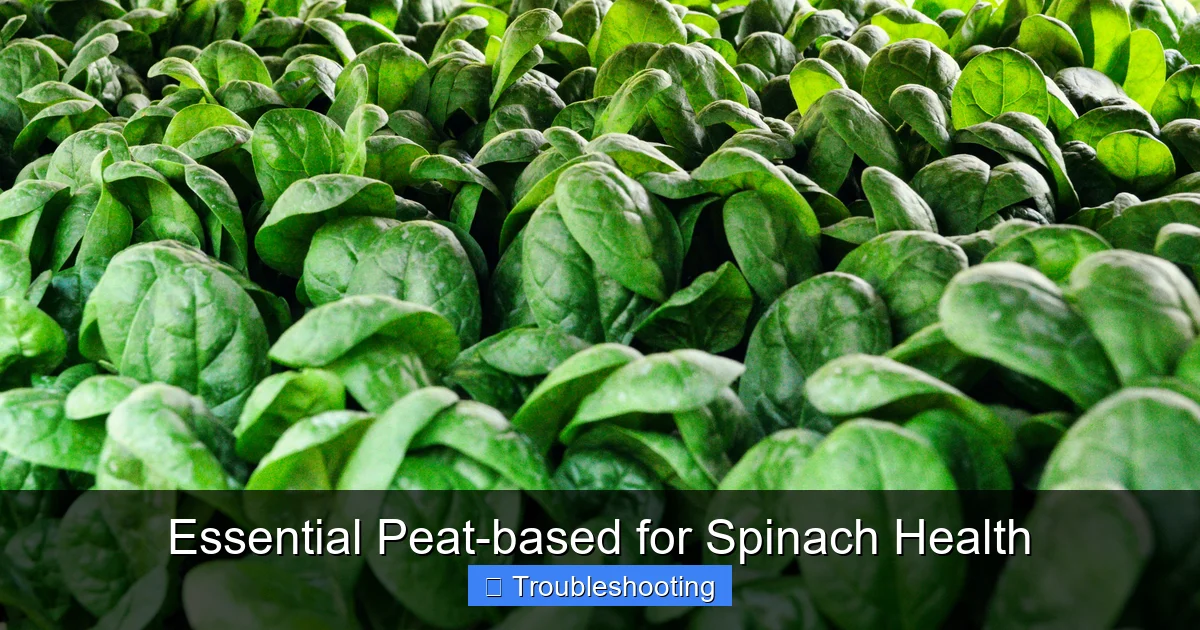
Essential Peat-based for Spinach Health
An essential peat-based for spinach health provides the ideal moisture balance, nutrient retention, and pH stability that spinach craves. Using the right peat mix reduces common problems like bolting, leaf yellowing, and root rot while delivering consistent, high‑quality harvests.
Key Takeaways
- Moisture control: Peat holds water without waterlogging, keeping spinach roots evenly hydrated.
- Nutrient buffer: The organic matrix releases nutrients slowly, matching spinach’s fast growth cycle.
- pH stability: A quality peat blend maintains a slightly acidic pH (6.0‑6.5) optimal for spinach uptake.
- Disease suppression: Good aeration in peat reduces fungal pathogens that cause damping‑off.
- Easy amendment: You can blend peat with compost, perlite, or vermiculite to fine‑tune texture.
- Cost‑effective: A single bag of essential peat-based for spinach health can serve multiple beds or containers.
- Sustainable options: Look for responsibly harvested peat or peat‑free alternatives with similar properties.
Quick Answers to Common Questions
What makes peat ideal for spinach?
Peat holds moisture evenly, provides a stable slightly acidic pH, and releases nutrients slowly, matching spinach’s fast growth.
Can I use pure peat without amendments?
Pure peat works for seed trays, but adding compost and perlite improves drainage and nutrient supply for mature plants.
How often should I water spinach in peat?
Water when the top half‑inch feels dry; peat’s water retention means less frequent watering than sandy soil.
What pH should I target for spinach in peat?
Aim for pH 6.0‑6.5; most horticultural peat blends are pre‑limed to this range.
Is peat sustainable for long‑term use?
Choose certified responsibly harvested peat or blend with coir and compost to reduce environmental impact.
📑 Table of Contents
- Why Spinach Demands a Special Growing Medium
- Understanding Peat Properties That Benefit Spinach
- Choosing the Right Peat Mix for Your Setup
- Preparing the Growing Medium Step by Step
- Planting Spinach in Peat‑Based Media
- Troubleshooting Common Spinach Issues in Peat
- Extending the Season with Peat‑Based Systems
- Sustainability and Responsible Peat Use
- Conclusion
Why Spinach Demands a Special Growing Medium
Spinach is a fast‑growing leafy green that finishes its life cycle in as little as 30 days. Because it pushes out new leaves quickly, the root zone must stay consistently moist but never soggy. An essential peat-based for spinach health delivers exactly that balance. The fine fibers of peat create a sponge‑like structure that holds water while allowing excess to drain away. This prevents the two most common spinach problems: bolting from drought stress and root rot from waterlogged soil.
Beyond moisture, spinach needs a steady supply of nitrogen, potassium, and micronutrients. Peat’s natural cation exchange capacity (CEC) acts like a nutrient bank, releasing minerals as the plant demands them. When you choose an essential peat-based for spinach health, you give the crop a built‑in slow‑release fertilizer that matches its rapid uptake rate.
Understanding Peat Properties That Benefit Spinach
Water Retention and Aeration
Peat can hold up to 20 times its weight in water. At the same time, its porous matrix creates air pockets that keep oxygen flowing to roots. Spinach roots are shallow and sensitive; they suffocate quickly in compacted soils. An essential peat-based for spinach health maintains a light, fluffy texture that encourages vigorous root expansion.

Visual guide about Essential Peat-based for Spinach Health
Image source: health.com
Natural Acidity and pH Buffering
Most peat sources sit around pH 4.5‑5.5. Spinach prefers a slightly higher range, 6.0‑6.5. Quality peat blends are pre‑adjusted with lime or dolomite to bring the pH into the sweet spot. This buffering means you spend less time testing and correcting pH during the growing season.
Organic Matter and Microbial Life
Peat is rich in humic substances that stimulate beneficial microbes. These microbes break down organic amendments, making nutrients more available. An essential peat-based for spinach health therefore supports a living soil ecosystem that further protects plants from pathogens.
Choosing the Right Peat Mix for Your Setup
Pure Peat vs. Blended Mixes
Pure sphagnum peat works well for seed starting trays because it stays uniformly moist. For garden beds or larger containers, a blended mix adds structure. A typical recipe: 50 % peat, 30 % compost, 20 % perlite or coarse sand. This blend retains the moisture benefits of an essential peat-based for spinach health while improving drainage and adding nutrients.
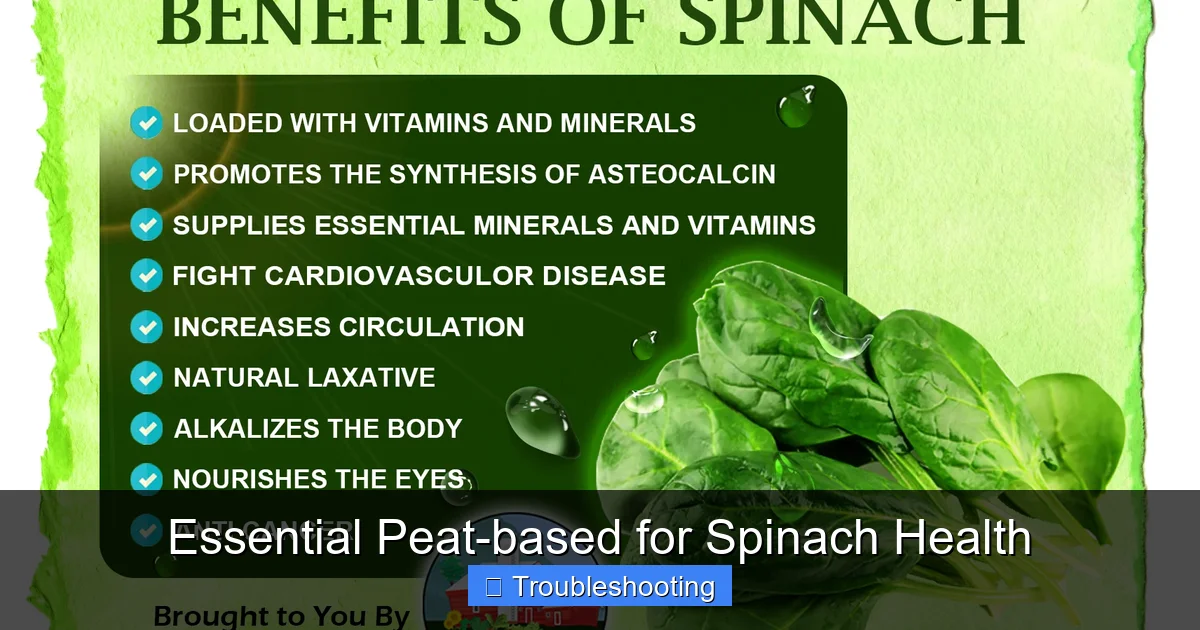
Visual guide about Essential Peat-based for Spinach Health
Image source: i2.wp.com
Peat‑Free Alternatives
If sustainability is a priority, consider coconut coir, composted bark, or wood fiber. These materials mimic peat’s water‑holding capacity but have a higher initial pH. You’ll need to add elemental sulfur or acidic fertilizer to reach the spinach‑friendly range. Many growers report comparable yields when the mix is tuned correctly.
Reading Labels
Look for “horticultural grade” or “seed‑starting grade” on the bag. Avoid “garden peat” that may contain large chunks or excess salts. A reputable brand will list the pH, EC (electrical conductivity), and nutrient content, letting you verify that the product matches an essential peat-based for spinach health profile.
Preparing the Growing Medium Step by Step
1. Hydrate the Peat
Dry peat repels water. Place the required amount in a clean tub, add warm water, and stir until the mixture feels like a damp sponge. Let it sit 15 minutes; the fibers will fully expand. This step ensures the essential peat-based for spinach health is ready to deliver moisture from day one.
2. Incorporate Amendments
Mix in well‑rotted compost at a 1:3 ratio (compost:peat). Add a handful of perlite per gallon of mix for extra aeration. If your peat is unlimed, sprinkle garden lime at 1 tablespoon per gallon and blend thoroughly. The goal is a uniform, crumbly texture that holds together when squeezed but crumbles easily.
3. Test pH and EC
Use a handheld meter. Aim for pH 6.2 and EC below 1.5 mS/cm. Adjust with sulfur (to lower) or lime (to raise) as needed. This quick check prevents nutrient lockout later in the season.
4. Fill Containers or Beds
For pots, leave a 1‑inch gap at the top for watering. In raised beds, spread the mix evenly and lightly tamp. Water gently to settle the medium without compacting it. The essential peat-based for spinach health should feel moist but not soggy.
Planting Spinach in Peat‑Based Media
Seed Sowing Depth and Spacing
Spinach seeds are tiny. Sow them ½ inch deep, spacing 2‑3 inches apart in rows 12‑18 inches apart. In containers, you can broadcast thinly and thin later to the same spacing. The fine texture of an essential peat-based for spinach health makes it easy to achieve consistent depth.
Watering Regime
Keep the surface evenly moist until germination (5‑10 days). After emergence, water when the top ½ inch feels dry. Because peat holds water well, you’ll water less often than with sandy soil. Avoid overhead watering late in the day to reduce leaf wetness and fungal risk.
Fertilization Schedule
Start with a balanced liquid fertilizer (10‑10‑10) at half strength once true leaves appear. Repeat every two weeks. The peat’s CEC will buffer excess nutrients, but spinach’s rapid growth still appreciates regular feeding. An essential peat-based for spinach health reduces the chance of fertilizer burn.
Troubleshooting Common Spinach Issues in Peat
Bolting Prematurely
Bolting is triggered by heat, long days, or drought stress. Ensure the peat stays consistently moist during warm spells. Mulch the surface with straw or shredded leaves to conserve moisture and keep roots cool. An essential peat-based for spinach health paired with shade cloth can extend the harvest window.
Yellowing Leaves (Chlorosis)
Yellowing often signals nitrogen deficiency or high pH. Check pH first; if it’s above 6.8, apply elemental sulfur. Then feed with a nitrogen‑rich fertilizer like fish emulsion. The peat’s nutrient buffer will release the added nitrogen steadily.
Damping‑Off and Root Rot
Even with good aeration, overwatering can invite Pythium or Rhizoctonia. Allow the top layer to dry slightly between waterings. Improve airflow around plants and avoid crowding. If disease appears, drench with a biological fungicide (Trichoderma) and reduce irrigation.
Nutrient Lockout from Salinity
Peat can accumulate salts from repeated fertilizing. Flush the medium monthly by watering until runoff equals twice the container volume. This leaches excess salts and restores the essential peat-based for spinach health environment.
Extending the Season with Peat‑Based Systems
Cold Frames and Row Covers
Because peat warms quickly in spring, you can start spinach 2‑3 weeks earlier under a cold frame. The medium’s moisture retention protects seedlings from sudden temperature drops. An essential peat-based for spinach health thus becomes a tool for season extension.
Hydroponic‑Style Peat Pots
Use biodegradable peat pots for transplanting. The pot walls degrade, letting roots penetrate the surrounding peat mix without disturbance. This reduces transplant shock and maintains the moisture continuity that spinach loves.
Successive Plantings
After harvesting a batch, amend the used peat with fresh compost and a light lime dusting. Re‑plant immediately. The essential peat-based for spinach health retains its structure for several cycles, making it a cost‑effective choice for continuous production.
Sustainability and Responsible Peat Use
Certified Harvested Peat
Look for the “Responsibly Managed Peatlands” label. These operations restore hydrology after extraction, minimizing carbon release. Supporting certified sources ensures your essential peat-based for spinach health aligns with environmental stewardship.
Blending with Renewable Materials
Mix peat 50/50 with coconut coir or composted green waste. This reduces the total peat volume while preserving the moisture and nutrient benefits. Many commercial growers adopt this hybrid approach to meet sustainability targets.
End‑of‑Season Soil Building
Incorporate spent peat mix into garden beds as organic matter. Over winter it breaks down, improving soil structure for the next year’s crops. The essential peat-based for spinach health thus contributes to long‑term soil health beyond a single season.
Conclusion
Choosing an essential peat-based for spinach health is one of the simplest ways to give your spinach a strong start and a steady finish. The medium’s natural water‑holding capacity, nutrient buffering, and pH stability match spinach’s rapid growth habit perfectly. By preparing the mix correctly, monitoring moisture, and feeding lightly, you’ll avoid the common pitfalls of bolting, yellowing, and root disease. Whether you grow in pots, raised beds, or a cold frame, a quality peat blend delivers consistent, high‑quality leaves harvest after harvest. Remember to source responsibly, consider peat‑free blends if needed, and recycle the spent medium back into your garden. With these practices, your spinach will thrive, and you’ll enjoy fresh, nutrient‑dense greens all season long.
Frequently Asked Questions
Can I reuse peat‑based mix for multiple spinach crops?
Yes, refresh the used mix with compost and a light lime application before each new planting cycle.
What are signs of overwatering in peat?
Soggy surface, algae growth, and a sour smell indicate excess water; allow the top layer to dry between waterings.
Do I need to fertilize spinach grown in peat?
Peat supplies some nutrients, but spinach benefits from a half‑strength balanced fertilizer every two weeks after true leaves appear.
How do I correct high pH in a peat mix?
Apply elemental sulfur at 1 tablespoon per gallon, mix thoroughly, and retest after a week.
Are there peat‑free mixes that work as well?
Coconut coir, composted bark, or wood fiber blended with compost and perlite can replicate peat’s performance when pH is adjusted.
What is the best container size for spinach in peat?
At least 6‑inch deep pots or trays; deeper containers give roots room and maintain moisture longer.