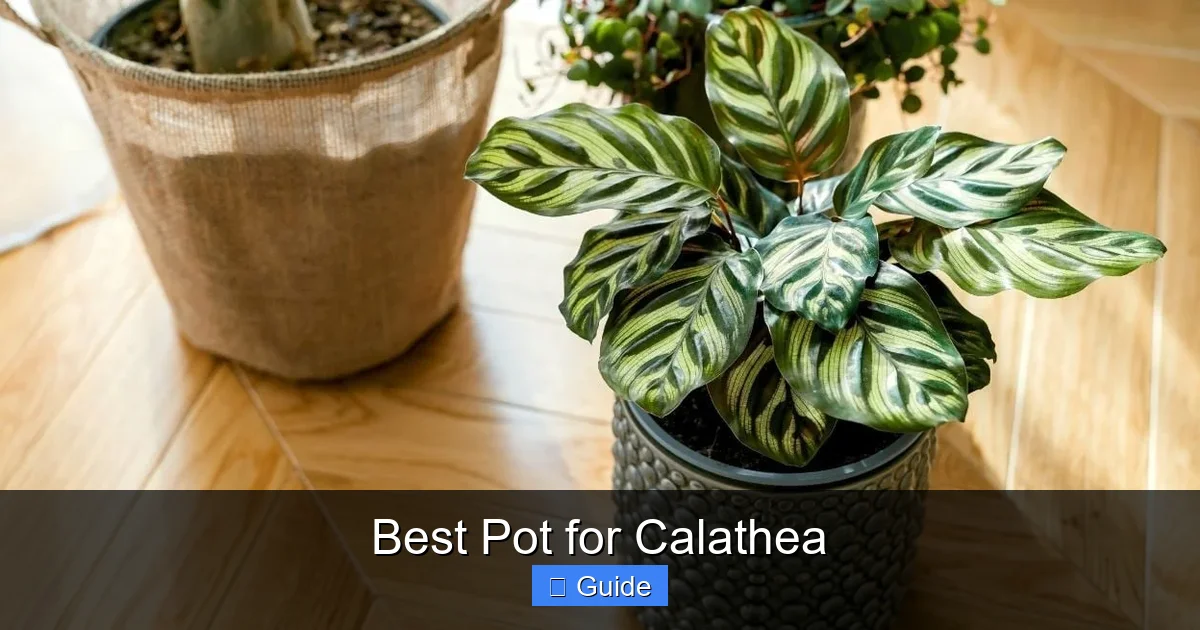
Best Pot for Calathea
Choosing the right container is crucial for calathea health. This guide covers the best pot for calathea options, focusing on material, size, drainage, and repotting steps to prevent common issues like root rot and leaf curling.
Calathea plants, often called prayer plants, are loved for their striking foliage and dramatic leaf movements. Yet many plant parents struggle to keep them happy. One of the most overlooked factors is the container they live in. The best pot for calathea can make the difference between vibrant, dancing leaves and crispy, brown edges. In this guide we walk through everything you need to know to pick the perfect home for your calathea.
We’ll cover why pot choice matters, which materials work best, how to size and drain correctly, our top product recommendations, a step‑by‑step repotting tutorial, and the pitfalls to avoid. By the end you’ll feel confident selecting the best pot for calathea and giving your plant the environment it craves.
Key Takeaways
- Material matters: Terracotta and unglazed ceramic promote airflow and moisture balance.
- Size up wisely: Choose a pot 1‑2 inches larger than the root ball to avoid waterlogging.
- Drainage is non‑negotiable: Ensure multiple drainage holes and a saucer to catch excess water.
- Top picks include: Classic terracotta, self‑watering ceramic, and breathable fabric pots.
- Repot in spring: Fresh soil and a slightly larger pot encourage vigorous growth.
- Avoid common mistakes: Over‑potting, using sealed decorative pots, and ignoring humidity needs.
- Monitor moisture: Use a moisture meter or finger test to keep soil evenly moist, not soggy.
Quick Answers to Common Questions
What is the best pot material for calathea?
Unglazed terracotta or breathable fabric pots are top choices because they promote airflow and balanced moisture.
How big should the new pot be when repotting calathea?
Select a pot 1‑2 inches larger in diameter than the current root ball to avoid waterlogging.
Do calathea pots need drainage holes?
Yes, multiple drainage holes are essential to prevent root rot and allow excess water to escape.
Can I use a self‑watering pot for calathea?
Absolutely, as long as the reservoir doesn’t keep the soil constantly saturated and you flush salts regularly.
How often should I repot my calathea?
Every 1‑2 years in spring, or when roots become crowded and growth slows.
📑 Table of Contents
Why Pot Choice Matters for Calathea
Calathea roots are sensitive to both drought and standing water. They prefer a consistently moist but well‑aerated medium. A pot that holds too much water leads to root rot. A pot that dries out too fast causes leaf curling and brown tips. The container directly influences moisture retention, airflow, and temperature stability around the root zone.
Root Health and Oxygen
Healthy roots need oxygen. Porous materials like terracotta allow air to exchange through the walls. Plastic pots trap moisture and limit gas exchange unless they have ample drainage holes. Choosing a breathable pot supports the fine root hairs that absorb water and nutrients.
Humidity Microclimate
Calathea thrives in high humidity. A pot that evaporates moisture slowly can help raise local humidity around the plant. Terracotta’s slight wicking effect releases water vapor, creating a mini‑humid zone. This is especially helpful in dry indoor climates.
Temperature Buffer
Thick ceramic or stone pots buffer temperature swings. Sudden cold drafts or hot windowsills stress calathea roots. A heavier pot acts like a thermal mass, keeping the root zone more stable.
Material Matters: Terracotta vs Plastic vs Ceramic vs Fabric
Not all pots are created equal. Below we break down the most common materials and how they rank for the best pot for calathea.
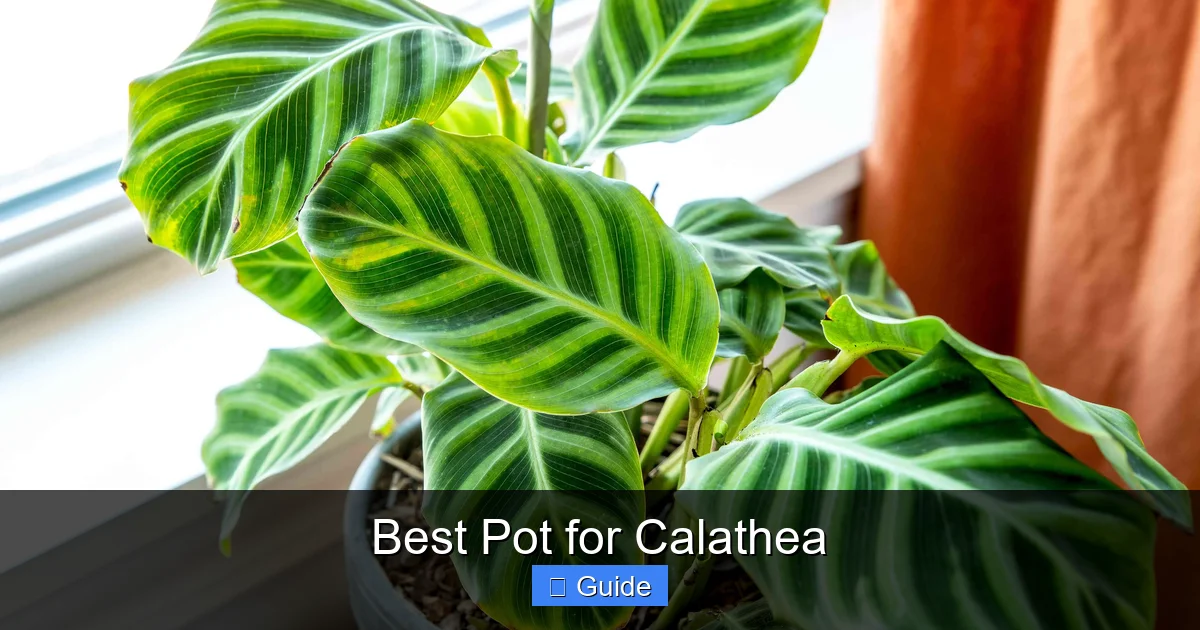
Visual guide about Best Pot for Calathea
Image source: thespruce.com
Terracotta (Unglazed Clay)
Terracotta is the classic choice. Its porous walls let excess moisture evaporate, reducing the risk of soggy soil. It also adds a natural aesthetic that many plant lovers adore. The downside: it can dry out quickly in very warm, low‑humidity rooms, so you may need to water more often.
Glazed Ceramic
Glazed ceramic looks beautiful and retains moisture longer than terracotta. However, the glaze seals the pores, so airflow depends entirely on drainage holes. If you choose glazed ceramic, ensure it has multiple large holes and consider adding a layer of coarse perlite at the bottom for extra aeration.
Plastic
Plastic pots are lightweight, inexpensive, and retain water well. They are a good backup if you tend to underwater. The main drawback is poor breathability. To compensate, pick pots with many drainage holes and use a very airy potting mix (e.g., 50% peat, 30% perlite, 20% orchid bark).
Fabric (Smart Pots)
Fabric pots are gaining popularity. They provide excellent aeration and prevent root circling. The fabric wicks moisture evenly, which can be ideal for calathea’s love of consistent dampness. They are also collapsible for storage. Just make sure the fabric is high‑quality, UV‑resistant, and has a sturdy base.
Self‑Watering Pots
Self‑watering containers have a reservoir that feeds the soil via capillary action. They can be a lifesaver for busy owners. For calathea, choose a model with a clear water‑level indicator and a removable reservoir so you can flush salts occasionally. Avoid models that keep the soil constantly saturated.
Size and Drainage: Getting It Right
Even the perfect material fails if the pot is the wrong size or lacks drainage. Here’s how to nail both.
Choosing the Right Diameter
When repotting, go up only 1‑2 inches in diameter. A pot that is too large holds excess soil that stays wet, inviting root rot. A pot that is too small restricts root growth and dries out fast. Measure the current root ball, then add the recommended increment.
Depth Considerations
Calathea roots are relatively shallow but spread wide. A pot that is slightly deeper than the root ball is fine, but avoid extremely deep containers. Excess depth means more soil volume that can stay soggy at the bottom.
Drainage Holes Are Mandatory
At least three holes of ½‑inch diameter are ideal. If your decorative pot has only one hole, drill additional ones or use it as a cache pot with a functional inner pot. Always place a saucer underneath to protect furniture.
Using a Drainage Layer
A thin layer of coarse gravel, pumice, or broken terracotta shards at the bottom improves water flow. Do not overfill; a ½‑inch layer is enough. Too much drainage material can create a perched water table.
Top Pot Recommendations for Calathea
After testing dozens of containers, we’ve narrowed the field to five standout options that consistently earn the title of best pot for calathea.
1. Classic Terracotta Pot (8‑inch)
Simple, affordable, and highly breathable. The unglazed walls wick moisture, keeping the root zone evenly damp. Pair with a matching saucer. Ideal for growers who like to monitor soil moisture by feel.
2. Glazed Ceramic Self‑Watering Pot (10‑inch)
Elegant design with a hidden reservoir. The water‑level window lets you see when to refill. The inner pot has multiple drainage slots, ensuring airflow. Great for travelers or busy professionals.
3. Fabric Smart Pot (7‑gallon)
Lightweight, foldable, and superb aeration. The fabric prevents root circling and promotes a dense, healthy root system. Works well with a high‑quality, peat‑based mix. Best for those who want maximum root health.
4. Plastic Nursery Pot with Extra Holes (6‑inch)
Budget‑friendly and easy to customize. Drill extra holes if needed. Use a well‑draining mix and place inside a decorative cache pot for aesthetics. Good for propagation or temporary homes.
5. Stone‑Look Composite Pot (9‑inch)
Heavy enough to buffer temperature, yet porous enough for airflow. The composite material mimics natural stone but weighs less. Comes with a built‑in saucer and multiple drainage holes. A premium pick for style‑focused plant parents.
How to Repot Your Calathea Successfully
Repotting is a chance to refresh soil, inspect roots, and upgrade the container. Follow these steps for a smooth transition.
Gather Your Supplies
- New pot (chosen from the recommendations above)
- Fresh potting mix: 50% peat or coco coir, 30% perlite, 20% orchid bark
- Clean scissors or pruning shears
- Gloves (optional)
- Watering can with room‑temperature water
Step‑by‑Step Process
- Water the plant lightly a day before repotting. Moist soil holds the root ball together.
- Remove the plant from its current pot. Gently squeeze the sides or tap the bottom. If roots are circling, tease them apart with your fingers.
- Inspect roots. Trim any black, mushy, or foul‑smelling roots. Healthy roots are white or light tan and firm.
- Add a drainage layer to the new pot (½‑inch gravel or pumice).
- Place a mound of fresh mix in the center. Position the plant so the top of the root ball sits about ½‑inch below the rim.
- Fill around the sides with more mix, pressing gently to eliminate air pockets. Do not compact heavily.
- Water thoroughly until water exits the drainage holes. Let excess drain completely.
- Place in bright, indirect light and maintain high humidity (60%+). Avoid direct sun for the first week.
Aftercare Tips
Keep the soil evenly moist for the first two weeks. Mist the leaves daily or use a humidifier. Hold off on fertilizer for 4‑6 weeks to let roots settle. Watch for new growth as a sign the repot was successful.
Common Mistakes to Avoid
Even seasoned plant owners slip up. Here are the pitfalls that can turn the best pot for calathea into a problem.
Over‑Potting
Jumping to a pot several sizes larger seems generous but creates a soggy bottom zone. Stick to the 1‑2 inch rule.
Using Decorative Cache Pots Without Drainage
A beautiful ceramic cache pot looks great but traps water if the inner pot lacks holes. Always use a functional inner pot or drill holes in the cache pot.
Ignoring Humidity Needs
A perfect pot cannot compensate for dry air. Pair your container with a pebble tray, humidifier, or regular misting.
Letting Soil Dry Out Completely
Calathea dislikes bone‑dry soil. Set a reminder to check moisture every 2‑3 days. A moisture meter helps.
Using Heavy Garden Soil
Garden soil compacts, suffocates roots, and holds too much water. Always use a light, airy indoor mix.
Neglecting Salt Buildup
Fertilizer salts accumulate over time. Flush the pot monthly by watering until water runs clear from the drainage holes.
Conclusion
Finding the best pot for calathea is a blend of science and personal style. Prioritize breathable materials, proper sizing, and excellent drainage. Whether you choose a classic terracotta, a sleek self‑watering ceramic, or a modern fabric pot, the key is matching the container to your watering habits and home environment. With the right pot, a quality mix, and consistent humidity, your calathea will reward you with vibrant, dancing foliage for years to come. Happy planting!
Frequently Asked Questions
What potting mix works best for calathea?
A mix of 50% peat or coco coir, 30% perlite, and 20% orchid bark provides moisture retention with excellent aeration.
Should I add a drainage layer of gravel at the bottom?
A thin ½‑inch layer of coarse gravel or pumice improves water flow, but avoid thick layers that create a perched water table.
Can I keep calathea in a decorative cache pot without holes?
Only if you place a functional inner pot with drainage inside the cache pot; otherwise water will accumulate and cause root rot.
How do I know when to water my calathea?
Check the top inch of soil; water when it feels just barely dry. A moisture meter reading of 3‑4 (on a 1‑10 scale) is ideal.
Why are my calathea leaves curling even with a good pot?
Leaf curling often signals low humidity, underwatering, or temperature stress. Increase humidity and ensure consistent moisture.
Is it okay to fertilize calathea right after repotting?
Wait 4‑6 weeks after repotting before applying a diluted, balanced fertilizer to avoid burning fresh roots.