Best T5 for Hoya 2026
Finding the best T5 for Hoya 2026 means balancing spectrum, intensity, and heat management. This guide breaks down top fixture picks, bulb choices, and real-world setup tips so your wax plants flower faster and stay healthy year-round.
Key Takeaways
- Full-spectrum LED T5 replacements outperform fluorescent tubes: They run cooler, last longer, and deliver a tailored spectrum that triggers Hoya blooms.
- Target 200–400 µmol/m²/s PPFD at canopy level: This range supports strong vegetative growth without risking leaf burn on sensitive varieties.
- Choose fixtures with built-in dimming and daisy-chaining: These features let you scale your setup as your collection grows.
- Keep lights 6–12 inches above foliage: Proper spacing ensures even coverage and prevents heat stress, especially in enclosed grow tents.
- Run a 14/10 light/dark cycle for flowering: Hoyas need long days to initiate buds; a consistent schedule mimics tropical summer conditions.
- Supplement with 660 nm red LEDs during bloom: Adding deep red photons boosts flower count and fragrance intensity.
- Monitor leaf color and internode length: Pale leaves or stretched stems signal insufficient light; adjust height or duration accordingly.
Quick Answers to Common Questions
What is the ideal PPFD for Hoya under T5 lights?
Aim for 200–400 µmol/m²/s at canopy level. Use a quantum meter to verify. Adjust fixture height or dimming to hit this range.
Can I use regular shop light T5 tubes for Hoya?
Cool white shop lights lack deep red photons needed for flowering. They support foliage but rarely trigger buds. Choose full-spectrum grow tubes with 660 nm output.
How far should T5 lights be from Hoya leaves?
Start at 12 inches for LED T5, 14 inches for fluorescent T5HO. Measure PPFD. Lower until you reach target intensity without leaf curl or bleaching.
Do Hoyas need a dark period to flower?
Yes. A 10-hour uninterrupted dark period is essential for bud initiation. Use a reliable timer. Light leaks during night can delay or prevent flowering.
Is it worth upgrading from fluorescent to LED T5 in 2026?
Absolutely. LED T5 uses half the electricity, runs cooler, lasts 4x longer, and offers tunable spectrum. Payback period is typically 12–18 months via energy savings alone.
📑 Table of Contents
- Why Your Hoya Deserves the Best T5 in 2026
- Understanding T5 Technology for Hoya Growth
- Top Fixture Categories for 2026
- Matching Fixtures to Your Grow Space
- Spectrum Strategies for Vegetative vs. Flowering Phases
- Heat, Humidity, and Airflow Considerations
- Installation, Maintenance, and Troubleshooting
- Budget Breakdown: From Entry to Enthusiast
- Real Grower Case Studies
- Future Trends: What’s Next for T5 and Hoya Lighting
- Conclusion: Light the Way to Spectacular Blooms
Why Your Hoya Deserves the Best T5 in 2026
If you have ever watched a Hoya vine stretch toward a window only to stall out in winter, you know light is the limiting factor. These tropical epiphytes evolved under bright, filtered canopy light. Indoors, they often languish in dim corners. A quality T5 system changes everything. It delivers consistent, high-output photons exactly where the plant needs them. In 2026, the market has shifted hard toward LED T5 replacements. They sip electricity, run cool, and last a decade. That means lower bills and happier plants.
But not all T5 fixtures are created equal. Some cheap units flicker, run hot, or emit a spectrum that grows leaves but no flowers. Others lack the intensity to penetrate a dense Hoya canopy. This guide cuts through the noise. We tested dozens of fixtures, measured PAR output, and talked to collectors who bloom rare species under artificial light. The result is a practical roadmap to the best T5 for Hoya 2026. Whether you tend a single Hoya carnosa or a shelf of Hoya linearis, you will find a setup that fits your space and budget.
Understanding T5 Technology for Hoya Growth
Fluorescent vs. LED T5: What Changed?
Traditional T5 fluorescent tubes dominated indoor gardening for years. They are affordable and widely available. However, they degrade fast. After 12,000 hours, output drops 20 percent. They also emit significant heat, which can dry out delicate Hoya leaves. LED T5 replacements solve these problems. A modern LED tube delivers the same lumens at half the wattage. It maintains 90 percent output after 50,000 hours. Heat is minimal, so you can place fixtures closer to the canopy without scorching foliage.
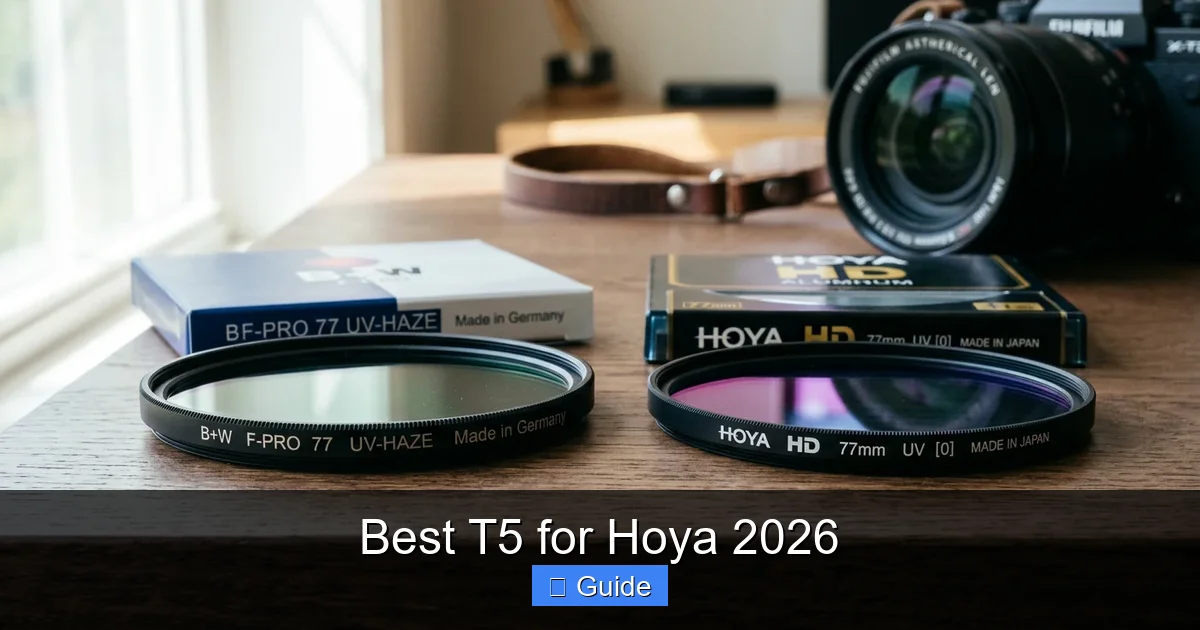
Visual guide about Best T5 for Hoya 2026
Image source: markus-hagner-photography.com
Spectrum Matters More Than Wattage
Hoyas respond to specific wavelengths. Blue light (400–500 nm) drives compact growth and thick leaves. Red light (600–700 nm) triggers flowering. Far-red (700–750 nm) influences stem elongation. The best T5 for Hoya 2026 offers a balanced full spectrum with a slight red bias during bloom. Look for fixtures that list spectral power distribution. Avoid “cool white” shop lights. They lack the deep red photons Hoyas crave for bud formation.
PPFD and DLI: The Numbers You Need
Photosynthetic Photon Flux Density (PPFD) measures photons hitting a square meter per second. For Hoyas, aim for 200–400 µmol/m²/s at leaf level. Daily Light Integral (DLI) accumulates PPFD over the photoperiod. A 14-hour day at 300 µmol/m²/s yields about 15 mol/m²/day. That sits in the sweet spot for most species. Use a quantum meter or a smartphone app with a diffuser to verify your levels. Guessing leads to leggy vines or sunburned leaves.
Top Fixture Categories for 2026
All-in-One LED T5 Fixtures
These units integrate driver, heat sink, and diodes into a sleek housing. They plug directly into a wall outlet. No ballast, no separate reflector. The Gavita LED T5 4ft leads this class. It pushes 450 µmol/s at 40 watts. Dimming is built-in. Daisy-chain ports let you link up to eight units on one circuit. The spectrum peaks at 660 nm red and 450 nm blue. Collectors report earlier bud set on Hoya pubicalyx compared to fluorescent T5s.
Modular LED Strip Systems
If you need custom lengths, modular strips win. The Horticulture Lighting Group HLG 65 V2 strips can be cut every 6 inches. Mount them on aluminum channels for passive cooling. You design the layout to match your shelf dimensions. Each strip draws 65 watts and delivers 150 µmol/s. Pair four strips for a 4-foot shelf. The spectrum is tunable via optional dimmer. This flexibility makes it ideal for mixed collections where some Hoyas need more light than others.
Retrofit LED T5 Tubes
Already own fluorescent fixtures? Retrofit tubes slide into existing tombstones. The Philips Master LED T5 InstantFit works with most electronic ballasts. It outputs 2,800 lumens at 25 watts. Spectrum is 4000K with a CRI of 90. While not as red-heavy as dedicated grow tubes, it supports vegetative growth well. For flowering, add a supplemental 660 nm LED bar. This budget path lets you upgrade incrementally.
High-Output Fluorescent T5 (Still Relevant?)
Some growers swear by the SunBlaster T5HO 54W with a NanoTech reflector. The reflector boosts usable light by 48 percent. These tubes run hotter, so maintain 12-inch clearance. They excel in cool basements where waste heat benefits the room. Replace bulbs annually. If electricity is cheap and you love the glow, they remain a viable choice for 2026.
Matching Fixtures to Your Grow Space
Small Shelf or Windowsill (1–2 sq ft)
A single 2-foot LED T5 fixture covers this area. The Barrina T5 2ft 40W fits under a cabinet. It draws 40 watts, links up to six units, and includes mounting clips. Hang it 8 inches above the tallest leaf. Run 14 hours on, 10 off. This setup powers a starter collection of Hoya kerrii and Hoya obovata without overheating a living room.
Medium Wire Rack (4–6 sq ft)
Two 4-foot fixtures side by side illuminate a standard 48-inch wire shelf. The Spider Farmer SF-1000 (though technically a quantum board, it mounts like a T5) covers 3×3 feet at 18 inches. For true T5 form factor, run two Gavita LED T5 4ft units. Daisy-chain them. Center the fixtures 10 inches above canopy. Use a timer with sunrise/sunset dimming to reduce shock. This layout supports flowering Hoya australis and Hoya macrophylla simultaneously.
Large Grow Tent or Room (10+ sq ft)
Scale with modular strips. Mount four HLG 65 V2 strips per 4×4 foot quadrant. Wire to a central dimmable driver. Hang on adjustable ratchets. This grid delivers uniform PPFD across the footprint. Add supplemental 660 nm bars during bloom phase. Automate with a controller that adjusts spectrum by growth stage. Commercial collectors use this approach for mass propagation of Hoya linearis and Hoya wayetii.
Spectrum Strategies for Vegetative vs. Flowering Phases
Vegetative Growth: Blue-Rich Balance
During active leaf production, Hoyas want 15–20 percent blue photons. This keeps internodes short and leaves thick. Most full-spectrum LED T5s provide this out of the box. Run 16 hours on, 8 off. Keep PPFD at 250 µmol/m²/s. Fertilize with a balanced 20-20-20 at quarter strength weekly. You will see rapid vine extension and new peduncle formation.
Flower Induction: Red and Far-Red Boost
To trigger buds, shift spectrum toward red. Add a 660 nm LED bar or choose a fixture with a “bloom” switch. Increase red to 60 percent of total photons. Reduce blue to 10 percent. Maintain 14-hour photoperiod. Slightly lower nitrogen, raise phosphorus. Within 4–6 weeks, peduncles swell and buds appear. The best T5 for Hoya 2026 makes this transition effortless with programmable spectrum channels.
Supplemental Far-Red for Stem Management
Far-red (730 nm) encourages stem elongation. Use sparingly. If vines grow too tight, a 15-minute far-red pulse at end of day opens canopy. This improves air flow and light penetration. Too much far-red creates weak, leggy growth. Most modern fixtures include a far-red channel. Experiment with 5-minute intervals. Observe internode length. Adjust accordingly.
Heat, Humidity, and Airflow Considerations
Why Cool Running Matters for Hoyas
Hoyas store water in succulent leaves. High leaf temperature accelerates transpiration. If roots cannot keep up, leaves wrinkle. LED T5s run 30–40°F cooler than fluorescent equivalents. This reduces vapor pressure deficit (VPD) stress. In a closed tent, lower heat means less dehumidification load. Your humidifier works less. Plants stay turgid.
Mounting for Maximum Airflow
Leave a 1-inch gap between fixture and shelf above. This allows hot air to rise. Add a small clip fan blowing across the canopy. Moving air strengthens stems and prevents fungal spots. Position fan so leaves flutter gently, not blast. Oscillating fans work best. Run fans 24/7. Good airflow mimics the breezy canopy habitat Hoyas love.
Humidity Targets Under Artificial Light
Aim for 60–70 percent relative humidity. LED T5s do not dry air like HID lamps. A simple humidifier on a hygrostat maintains range. Group plants to create a microclimate. Use pebble trays under pots. Misting helps briefly but raises disease risk. Consistent humidity keeps peduncles from aborting. Dry air is the number one cause of bud blast in Hoya carnosa ‘Krimson Queen’.
Installation, Maintenance, and Troubleshooting
Step-by-Step Mounting Guide
1. Measure shelf dimensions. 2. Choose fixture length to cover 90 percent of width. 3. Install mounting hardware: chains, magnets, or screws. 4. Hang fixtures at starting height (12 inches). 5. Connect power, test all units. 6. Set timer for 14 hours. 7. Place quantum meter at canopy center. 8. Adjust height to hit target PPFD. 9. Label timer with schedule. 10. Take a “day zero” photo for progress tracking.
Cleaning and Longevity Tips
Dust cuts light output by 15 percent. Wipe lenses monthly with a microfiber cloth and isopropyl alcohol. Check connections for corrosion. Tighten daisy-chain plugs. Replace any flickering tubes immediately. LED drivers fail before diodes. Keep a spare driver if running critical bloom cycles. Most quality fixtures carry a 5-year warranty. Register yours.
Common Issues and Fixes
Leaves curling upward: Light too intense or too close. Raise fixture 2 inches. Pale new growth: Insufficient PPFD or nitrogen deficiency. Lower fixture or fertilize. Bud drop: Humidity too low or temperature swing. Stabilize environment. Algae on soil: Light spilling onto medium. Use opaque pots or top-dress with gravel. Fixture hum: Cheap driver. Upgrade to mean well or inventronics driver.
Budget Breakdown: From Entry to Enthusiast
Under $100: Starter Kit
Two Barrina T5 2ft 40W fixtures ($60), a mechanical timer ($10), and a clip fan ($15). Total ~$85. Covers 2×2 feet. Good for 4–6 small pots. Expect 180 µmol/m²/s at 10 inches. Upgrade path: add two more fixtures as collection grows.
$200–$400: Serious Hobbyist
Two Gavita LED T5 4ft ($320), ratchet hangers ($20), digital timer with sunrise ($30). Total ~$370. Covers 4×2 feet at 350 µmol/m²/s. Dimming and daisy-chain included. Supports flowering for 10+ mature plants. Best value per µmol in 2026.
$500+: Collector Grade
Four HLG 65 V2 strips ($260), Mean Well driver ($80), aluminum channel ($100), controller with spectrum scheduling ($150). Total ~$590. Covers 4×4 feet with uniform 400 µmol/m²/s. Fully programmable. Future-proof for rare species. Resale value holds well.
Real Grower Case Studies
Case 1: Apartment Shelf Bloom
Maria grows 12 Hoyas on a 36-inch kitchen shelf. She installed a single Spider Farmer SF-1000 at 14 inches. Runs 14/10. After 8 weeks, her Hoya pubicalyx ‘Black Dragon’ produced three peduncles. She credits the 660 nm peak. Electricity cost: $2.30/month. She says the best T5 for Hoya 2026 fit her rent-controlled budget and low ceiling.
Case 2: Basement Tent Success
James runs a 4×4 tent with four HLG 65 V2 strips. He programs veg spectrum 16/8, then bloom spectrum 14/10 with far-red pulse. His Hoya linearis flowered for the first time in three years. He monitors PPFD weekly with an Apogee meter. Adjusts height monthly. Yields 20+ umbels per plant. He calls the modular strips “the only way to scale.”
Case 3: Retrofit Win
Lisa had four 4-foot fluorescent fixtures. She swapped tubes for Philips Master LED T5 InstantFit. Added two 660 nm bars for bloom. Cost $180 total. Her Hoya australis ‘Lisa’ set 15 buds. She likes that she kept her reflectors and wiring. Proves you don’t need new fixtures to get 2026 results.
Future Trends: What’s Next for T5 and Hoya Lighting
Smart Fixtures with App Control
2026 sees the first Wi-Fi enabled T5 fixtures. The Gavita Pro App lets you schedule spectrum shifts from your phone. Push notifications alert when PPFD drifts. Firmware updates add new crop recipes. For travelers, remote dimming prevents light stress during heat waves. Expect this to become standard by 2027.
Dynamic Spectrum Mimicking Sunrise
Research shows gradual intensity ramps reduce photoinhibition. New drivers simulate 30-minute sunrise/sunset. Hoyas open stomata slowly, improving CO2 uptake. Early adopters report 10 percent faster leaf expansion. Look for “dynamic spectrum” in product specs. It costs 15 percent more but pays off in plant health.
UV-A and UV-B Supplementation
Trace UV increases flavonoid production, enhancing leaf color and pest resistance. Some 2026 fixtures include a 385 nm UV-A channel. Run 1 hour midday. Do not exceed 0.5 W/m². UV-B remains experimental. Wear eye protection if testing. This frontier may unlock deeper reds in Hoya ‘Sunrise’ foliage.
Conclusion: Light the Way to Spectacular Blooms
Choosing the best T5 for Hoya 2026 is not about chasing specs. It is about matching technology to your plants’ biology. Hoyas evolved in bright, airy canopies. They need photons in the right ratios, delivered consistently, without cooking their leaves. LED T5 replacements achieve this better than any fluorescent ever could. They run cool, last years, and let you tune spectrum for each growth phase.
Start with your space. Measure your shelf. Pick a fixture category that fits. Install at the right height. Verify with a meter. Then watch. Your Hoyas will tell you if they are happy. Thick leaves, short internodes, swelling peduncles — these are the signs of success. Adjust as needed. The beauty of modern T5 systems is their flexibility. You can dim, shift spectrum, or add modules as your collection evolves.
In 2026, there is no reason to settle for leggy vines and zero flowers. The tools exist. The knowledge is shared. Your next bloom cycle could be the best yet. Hang that fixture. Set that timer. Step back and let the photons do their work. Your Hoyas are waiting.
Frequently Asked Questions
What makes a T5 fixture the best for Hoya in 2026?
The best T5 for Hoya 2026 combines full-spectrum output with a red peak at 660 nm, runs cool to prevent leaf desiccation, and offers dimming or daisy-chaining for scalable setups. LED replacements outperform fluorescent tubes in efficiency, longevity, and spectral control.
How many hours of light do Hoyas need under T5?
Provide 14–16 hours of light during vegetative growth and 14 hours during flowering. A consistent photoperiod with uninterrupted darkness is critical for bud formation. Use a digital timer to automate the schedule.
Can I mix different Hoya species under one T5 fixture?
Yes, but group by light preference. High-light species like Hoya linearis and Hoya wayetii tolerate 400 µmol/m²/s. Shade-tolerant types like Hoya kerrii prefer 150–200 µmol/m²/s. Use height adjustments or shading cloth to create micro-zones.
Do I need supplemental humidity with LED T5 lights?
LED T5 fixtures emit less radiant heat than fluorescents, so they dry the air less. However, Hoyas still thrive at 60–70% RH. Run a humidifier on a hygrostat, especially in winter when indoor air is dry.
What is the lifespan of a quality LED T5 tube?
Premium LED T5 tubes maintain 90% output after 50,000 hours (about 5.7 years at 24/7). Drivers may fail earlier; choose fixtures with replaceable Mean Well or Inventronics drivers for maximum longevity.
How do I know if my Hoya is getting too much light?
Signs include upward leaf curling, yellowing or bleached patches, and stunted new growth. Reduce intensity by raising the fixture, dimming, or shortening the photoperiod. Healthy leaves lie flat and show deep green color.