Complete Guide to Sisal for Haworthia
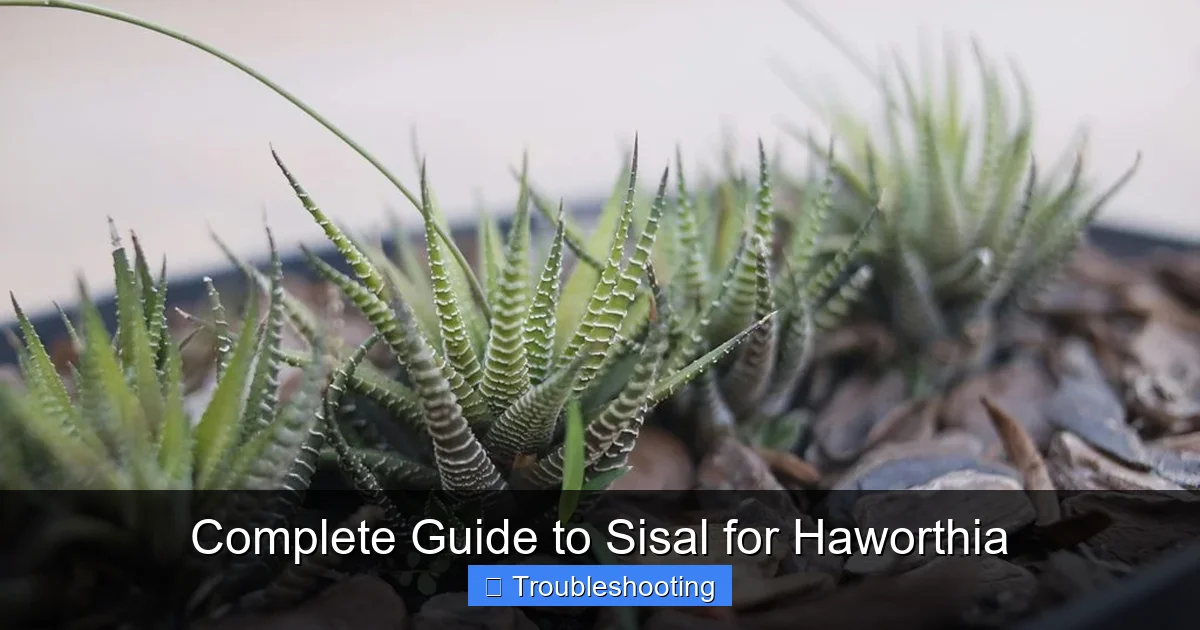
Sisal offers excellent drainage and aeration for haworthia plants, preventing root rot while mimicking their natural habitat. This complete guide covers everything from choosing the right sisal products to troubleshooting common issues, helping you create the perfect growing environment for thriving succulents.
If you grow haworthia, you know these charming succulents have specific needs. They hate wet feet. They demand sharp drainage. They thrive in conditions that mimic their native South African rocky outcrops. Enter sisal. This natural fiber, harvested from the agave sisalana plant, might be the missing ingredient in your haworthia care routine. I discovered this by accident when repotting a struggling haworthia cooperi. The difference was remarkable. Within weeks, the plant plumped up, color deepened, and new offsets appeared. Let me share everything I have learned about using sisal for haworthia.
This guide covers the why, how, and when of sisal use. We will explore pot liners, soil amendments, moisture management, and troubleshooting common problems. Whether you are a beginner with your first zebra plant or a collector with rare cultivars, sisal can transform your growing success. The best part? It is inexpensive, widely available, and completely natural. No fancy products required. Just smart application of a humble fiber that has served gardeners for generations.
Key Takeaways
- Sisal improves drainage: Natural fibers create air pockets that prevent waterlogging and root rot in haworthia plants.
- Choose untreated sisal: Avoid chemically treated ropes or mats that could leach harmful substances into the soil.
- Layer correctly: Place sisal at the pot bottom or mix into soil for optimal aeration without compaction.
- Monitor moisture levels: Sisal wicks water efficiently, so adjust watering frequency to prevent over-drying.
- Replace annually: Natural fibers break down over time, so refresh sisal components during repotting.
- Combine with gritty soil: Mix sisal with pumice, perlite, or coarse sand for the ideal haworthia substrate.
- Watch for pests: Organic materials can attract fungus gnats; inspect regularly and use preventive measures.
Quick Answers to Common Questions
Can I use any sisal rope from the hardware store for my haworthia?
No, avoid hardware store sisal rope as it often contains chemical preservatives, dyes, or oils that can leach into soil and harm sensitive succulents. Only use untreated, natural, or horticultural-grade sisal from garden centers or specialty suppliers.
How much sisal should I mix into my haworthia potting soil?
Aim for 10-15% sisal by volume in your potting mix. For retuse-type haworthia with windowed leaves, increase to 20%. For variegated cultivars, use 10% with finer 1/2-inch pieces. Adjust based on your climate and the specific species’ needs.
Will sisal cause root rot in my haworthia?
No, properly used sisal prevents root rot by improving drainage and aeration. It wicks excess moisture away from roots and creates permanent air channels. However, avoid using too much sisal (over 20%) as it can create a sponge effect that holds too much water.
How often should I replace sisal in my haworthia pots?
Replace sisal annually during spring repotting. Natural fibers break down over 12-18 months, losing their aeration benefits and potentially compacting. Fresh sisal each year maintains optimal drainage and prevents pathogen buildup in degraded fibers.
Can sisal help with fungus gnat problems in haworthia?
Sisal top dressing can deter fungus gnats by drying faster than soil, but the organic fibers can also attract them if kept too moist. Allow the top inch to dry completely between waterings, use yellow sticky traps, and apply mosquito bits (Bti) to water for effective control.
📑 Table of Contents
Understanding Sisal and Why It Works for Haworthia
What Is Sisal Exactly
Sisal comes from the leaves of agave sisalana, a plant native to southern Mexico but now cultivated worldwide. The fibers are long, strong, and remarkably durable. They resist degradation better than most natural fibers. This makes them ideal for rope, twine, rugs, and now, horticulture. The fibers contain lignin, a complex polymer that provides structural rigidity. This same lignin content slows decomposition in soil environments. For haworthia growers, this means sisal maintains its structure longer than coconut coir or peat moss.
Commercial sisal comes in several forms. You will find rope, twine, matting, and loose fiber. Each has applications for succulent growing. The key is selecting untreated, natural sisal. Many hardware store ropes contain preservatives or dyes. These chemicals can leach into soil and harm sensitive succulents. Always read labels carefully. Look for “untreated,” “natural,” or “horticultural grade” designations. When in doubt, source from garden centers rather than hardware stores.
Why Haworthia Love Sisal
Haworthia evolved in harsh environments. They grow in rock crevices with minimal organic matter. Their roots need oxygen as much as water. Sisal creates permanent air channels in potting mix. Unlike perlite, which can float to the surface, sisal fibers interlock with soil particles. They stay in place. This creates a stable, well-aerated root zone that persists for months.
The fibers also wick moisture efficiently. They pull water away from saturated zones and distribute it evenly. This prevents the dreaded “wet bottom, dry top” syndrome common in succulent pots. Haworthia roots follow moisture gradients. Sisal helps them explore the entire pot volume rather than clustering at the bottom. The result? More robust root systems and faster growth.
Sisal Versus Other Amendments
How does sisal compare to popular alternatives? Perlite provides excellent aeration but crushes over time. Pumice lasts longer but adds weight. Coconut coir retains too much moisture for haworthia. Peat moss compacts and becomes hydrophobic. Sisal occupies a sweet spot. It aerates like perlite, lasts like pumice, wicks like coir, but drains better than all of them. It also adds negligible weight, making it ideal for hanging planters or wall-mounted displays.
Cost-wise, sisal twine costs pennies per foot. A single roll can amend dozens of pots. Compare this to specialty succulent mixes at $15 per bag. The economics favor sisal heavily. Environmentally, sisal is biodegradable and renewable. Agave plants require minimal water and no pesticides. This aligns perfectly with sustainable gardening practices many succulent enthusiasts value.
Choosing the Right Sisal Products
Sisal Twine and Rope
Twine is the most versatile form. Thin twine (1-2mm) works perfectly for soil amendment. Thicker rope (5-10mm) excels as pot liners or drainage layers. Look for 3-ply construction. Single-ply fibers separate too easily. The twist holds fibers together during soil mixing and root penetration. Natural color indicates minimal processing. White or bleached sisal may have chemical residues. Brown or tan is ideal.
Visual guide about Complete Guide to Sisal for Haworthia
Image source: planetnatural.com
Test twine quality before buying bulk. Pull a strand firmly. It should stretch slightly but not snap. Rub fibers between fingers. They should feel slightly coarse, not slick or waxy. Slickness suggests chemical treatment. Smell the twine. Natural sisal has a faint grassy, earthy scent. Chemical odors mean preservatives. Avoid any product with a strong industrial smell.
Sisal Matting and Fabric
Sisal matting comes in rolls or pre-cut circles. These make excellent pot liners. The open weave allows water passage while retaining soil. Choose loose weave over tight. Tight weaves impede drainage. Matting thickness matters too. Thin matting (1-2mm) conforms to pot shapes better. Thick matting (4mm+) can create air gaps at pot edges where roots dry out.
Some garden centers sell “sisal fabric” specifically for horticulture. These often have latex backing for durability. Avoid latex-backed products. The latex breaks down into sticky residue that clogs drainage holes. Plain woven matting is superior. If you cannot find horticultural matting, burlap works similarly but decomposes faster. Sisal matting typically lasts 12-18 months in active use.
Loose Sisal Fiber
Loose fiber resembles coarse hair. It blends seamlessly into potting mixes. This form is ideal for custom soil recipes. You can precisely control fiber concentration. Loose fiber also works for top-dressing. A thin layer reduces evaporation while allowing gas exchange. It looks natural too, blending with the inorganic aesthetic haworthia collectors prefer.
Source loose fiber from rope manufacturers or specialty fiber suppliers. “Sisal tow” is the industry term for short fibers. Ensure it is clean and dust-free. Some industrial sisal contains machine oils from processing. Wash questionable fiber in hot water, rinse thoroughly, and dry completely before use. This extra step prevents contamination.
Practical Applications for Haworthia Care
Creating the Perfect Drainage Layer
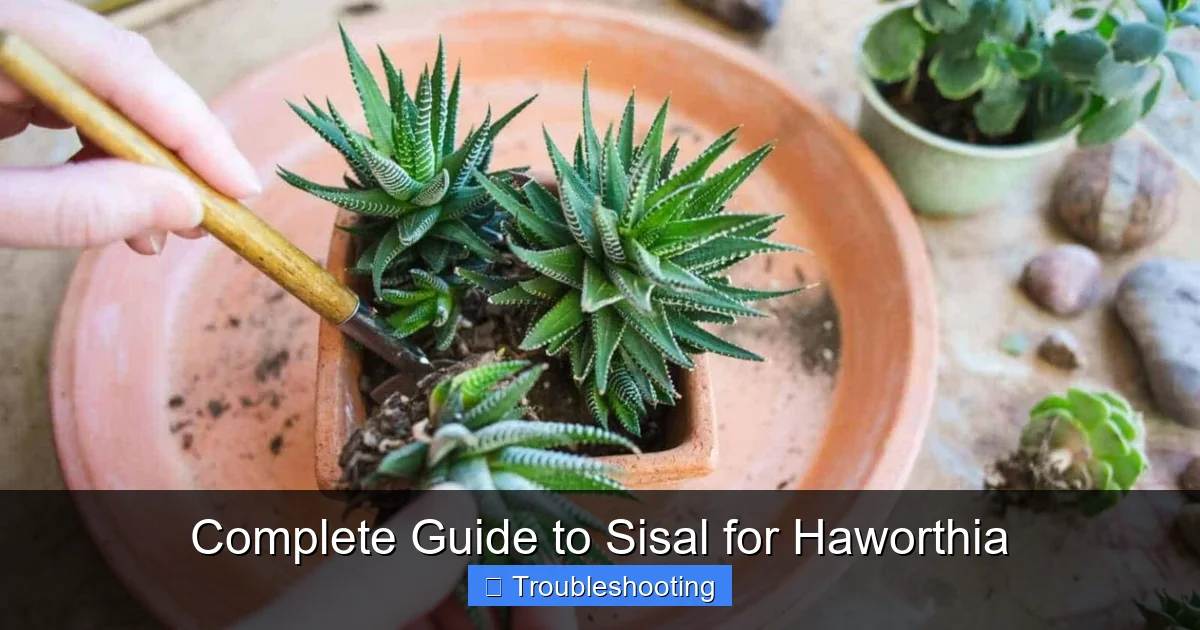
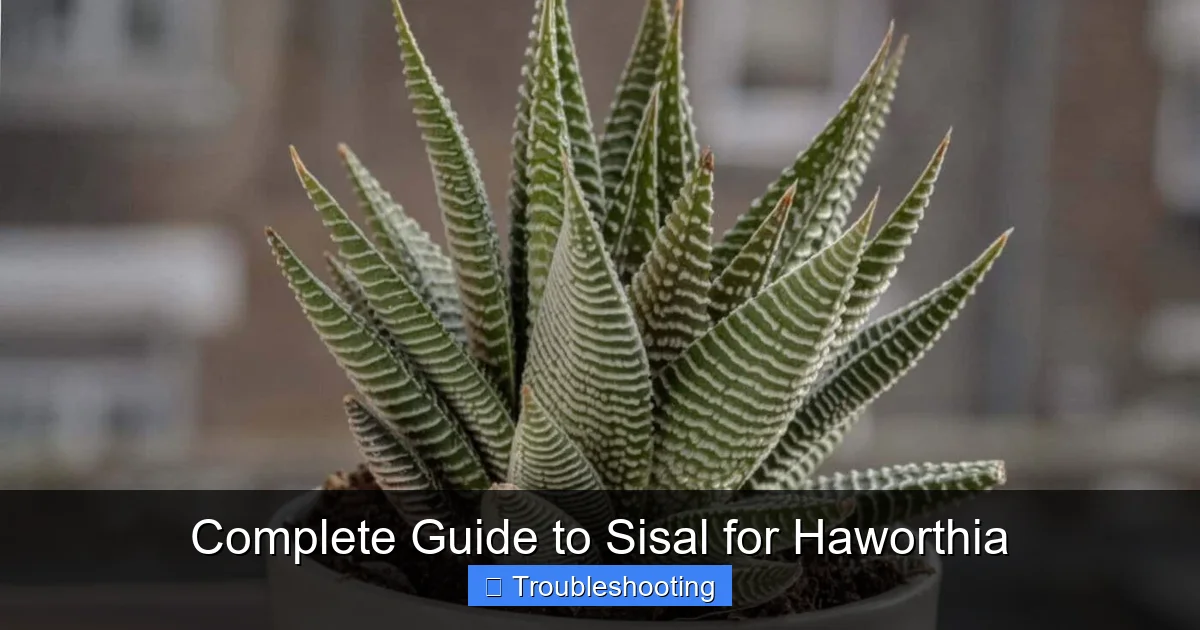
The classic use is a sisal drainage layer. Cut matting to fit your pot bottom. Or coil twine in a spiral pattern. Cover drainage holes completely but do not block them. The fibers should contact the holes directly. This prevents soil loss while maintaining full drainage capacity. I use a single layer of loose-weave matting in 4-inch pots. For larger containers, I double the layer.
Visual guide about Complete Guide to Sisal for Haworthia
Image source: planetnatural.com
Here is a pro tip. Soak the sisal layer before adding soil. Wet fibers conform to the pot bottom instantly. Dry matting can trap air bubbles underneath. These bubbles create dry zones where roots won’t grow. Pre-wetting eliminates this issue. Use rainwater or distilled water. Tap water minerals can accumulate in fibers over time.
Amending Potting Mix with Sisal
Mix sisal twine directly into your substrate. Cut twine into 1-2 inch pieces. Aim for 10-15% volume ratio. Too much fiber creates a sponge that holds excess water. Too little provides minimal benefit. My standard recipe: 50% pumice, 25% coarse sand, 15% sisal pieces, 10% composted pine bark. This drains in seconds yet retains enough moisture for 5-7 day watering intervals.
Distribute fibers evenly throughout the mix. Clumps create wet pockets. I mix in a large tub, adding fibers gradually while tumbling. Wear gloves. Sisal can irritate sensitive skin. The fibers are stiff and can cause micro-cuts. A dust mask prevents inhaling fine particles during mixing.
Sisal as Top Dressing
A thin sisal mulch offers multiple benefits. It reduces surface evaporation by 30-40%. It prevents soil crusting that repels water. It deters fungus gnats from laying eggs. And it looks fantastic with haworthia’s architectural forms. Apply a 1/4 inch layer of loose fiber. Keep it away from the plant crown to prevent rot. Replenish as fibers break down.
For display specimens, consider colored sisal. Natural tan complements most haworthia. Black sisal creates dramatic contrast for photography. Avoid dyed fibers for long-term growing. The dyes eventually leach. But for temporary show staging, colored sisal elevates presentation significantly.
Wicking Systems for Vacation Care
Sisal rope makes an excellent wick for self-watering setups. Bury one end in the pot bottom during repotting. Extend the other end into a water reservoir. The rope draws water up as soil dries. This provides consistent moisture without waterlogging. Test the wick rate before relying on it. Too thick a rope over-waters. Too thin under-waters. 3mm twine usually hits the sweet spot for 4-6 inch pots.
I use this system when traveling. A 2-liter reservoir lasts 2-3 weeks for mature haworthia. The key is reservoir height. Keep water level below the pot bottom. Capillary action does the rest. Add a drop of hydrogen peroxide to the reservoir monthly to prevent algae growth in the rope.
Troubleshooting Common Sisal Issues
Fiber Breakdown and Compaction
Sisal decomposes slowly but inevitably. After 12-18 months, fibers soften and compact. This reduces aeration. Signs include slower soil drying, surface algae, and declining plant vigor. The fix is simple. Repot annually in spring. Shake off old mix. Discard degraded fibers. Replace with fresh sisal. This maintenance schedule aligns perfectly with haworthia’s natural growth cycle.
If you notice premature breakdown, check your water quality. High salinity accelerates fiber degradation. Hard water minerals accumulate in fibers, making them brittle. Using rainwater or RO water extends sisal life significantly. Also avoid fertilizers high in ammonium. Ammonium speeds microbial decomposition of lignin.
Fungus Gnat Infestations
Organic materials attract fungus gnats. Sisal is no exception. Adults lay eggs in moist fibers. Larvae feed on fungi and root hairs. Prevention beats treatment. Allow the top inch of soil to dry completely between waterings. Sisal top dressing helps by drying faster than soil. Yellow sticky traps catch adults. Mosquito bits (Bacillus thuringiensis israelensis) in water kill larvae safely.
If infestation occurs, remove top dressing. Replace with fresh, dry sisal. Apply mosquito bits per package instructions. Increase air circulation with a small fan. Quarantine affected plants. Fungus gnats spread quickly in collections. Most haworthia tolerate the treatment well. They prefer the drier conditions anyway.
Root Entanglement Problems
Haworthia roots love sisal. They grow into and around fibers enthusiastically. This is great for plant health but complicates repotting. Roots grip fibers tightly. Pulling damages roots. The solution? Soak the root ball before repotting. Water softens fibers and makes them slippery. Gently tease roots free. Patience prevents damage. If roots are truly embedded, cut the sisal rather than the roots. Sacrifice a few fibers to save root mass.
For valuable specimens, consider using sisal only in the bottom third of the pot. This keeps the main root zone fiber-free. You still get drainage benefits without entanglement risk. Another approach: use sisal matting as a removable liner. Lift the entire root ball out intact. The mat stays in the pot. Fresh mat goes in. Zero root disturbance.
Chemical Contamination Signs
Treated sisal causes subtle but serious problems. Watch for leaf tip burn, stunted growth, or unusual discoloration. New growth may emerge deformed. Roots turn brown and brittle. These symptoms mimic fertilizer burn or pH issues. If you suspect contamination, repot immediately into clean mix. Rinse roots gently. Do not reuse the contaminated sisal. The cost of new fiber is trivial compared to losing a prized plant.
Test new sisal batches before committing. Pot a single, expendable plant in the new fiber. Monitor for 4-6 weeks. This quarantine approach has saved my collection multiple times. Cheap twine from discount stores fails this test 80% of the time. Invest in quality from reputable suppliers.
Advanced Techniques for Enthusiasts
Custom Soil Recipes by Species
Different haworthia have different preferences. Retuse types (haworthia retusa, turgida, maughanii) have windowed leaves and contractile roots. They need maximum aeration. Increase sisal to 20% for these. Hard-leaved types (haworthia attenuata, fasciata, coarctata) tolerate more moisture. Standard 15% works well. Soft-leaved window types (haworthia cooperi, cymbiformis, truncata) benefit from 10% sisal plus 5% coconut husk chips for moisture buffering.
Variegated cultivars need extra care. Their reduced chlorophyll means slower growth and less root vigor. Use finer sisal pieces (1/2 inch) at 10% ratio. This provides aeration without creating large air gaps that fragile roots cannot bridge. Monitor variegates closely. They show stress faster than green forms.
Sisal in Hydroponic and Semi-Hydro Setups
Semi-hydroponics (LECA, pon) gains popularity for haworthia. Sisal bridges traditional and hydroponic methods. Place a sisal wick from reservoir to root zone in semi-hydro pots. This creates a moisture gradient roots can choose. The wick prevents the “dry zone” at the top of LECA that stresses some haworthia.
For full hydroponics, sisal nets support plants in net pots. The fibers cushion roots against hard plastic. They also host beneficial bacteria that process nutrients. Replace nets annually. They accumulate mineral salts that become toxic. Rinse thoroughly between uses if reusing.
Propagation Enhancement with Sisal
Leaf propagation success rates improve with sisal. Lay leaves on moist sisal fiber instead of soil. The fibers hold perfect moisture without rot risk. Roots penetrate fibers easily. When plantlets form, transfer the entire fiber clump to potting mix. Zero transplant shock. The sisal decomposes naturally in the new pot.
For offset separation, wrap the cut end in damp sisal before potting. The fibers seal the wound while allowing gas exchange. This prevents fungal entry better than callusing alone. I have 95% success with this method versus 70% with traditional callusing.
Seasonal Adjustments
Haworthia growth patterns shift seasonally. Winter dormancy means less water uptake. Reduce sisal percentage in winter mixes to 10%. This prevents over-retention. Summer active growth welcomes 15-20% sisal for rapid drainage during frequent watering. Spring and fall use the standard 15%. Adjust your mixes when repotting seasonally.
In humid climates, increase sisal year-round. The extra aeration combats ambient moisture. In arid climates, decrease sisal slightly. Add more moisture-retentive components. Your local conditions dictate the perfect ratio. Keep notes. Track drying times. Adjust based on observation, not just theory.
Maintenance and Long-Term Success
Monitoring Moisture with Sisal
Sisal changes how you assess soil moisture. The finger test becomes unreliable. Fibers feel dry while soil beneath remains moist. Use a wooden skewer instead. Insert to pot bottom. Wait 30 seconds. Remove and check. Cool, dark skewer means moisture present. Warm, light skewer means dry. This works perfectly with sisal-amended mixes.
Moisture meters also struggle with sisal. The fibers create air gaps that give false dry readings. If you rely on meters, calibrate for your specific mix. Test at known moisture levels. Record readings. Create a reference chart. Or simply trust the skewer method. It never fails.
Fertilizing Considerations
Sisal is inert. It provides no nutrients. It also does not buffer pH. Fertilize as normal but at half strength. Haworthia are light feeders. Excess fertilizer accumulates in fibers. Flush pots monthly with plain water. Run 3x pot volume through. This prevents salt buildup in both soil and sisal.
Organic fertilizers (worm castings, fish emulsion) work well with sisal. The fibers host microbes that break down organics slowly. This creates a gentle, sustained feed. Synthetic fertilizers risk salt accumulation. If using synthetics, flush more frequently. Every two weeks during active growth.
Repotting Schedule and Technique
Annual spring repotting is ideal. Haworthia grow new roots in spring. Fresh sisal supports this growth perfectly. Gently remove the plant. Shake off loose mix. Trim dead roots. Inspect for pests. Prepare new mix with fresh sisal. Pot at same depth. Water lightly. Place in bright shade for one week. Resume normal care.
Do not reuse old sisal. It harbors pathogens, salts, and degraded fibers. Compost it. The lignin breaks down slowly, enriching compost with carbon. Buy fresh each year. The cost is minimal. The risk of reuse is not worth saving a few dollars.
Building a Sisal-Based Care Routine
Integrate sisal into your weekly routine. Monday: check moisture with skewer. Wednesday: inspect for pests, especially under top dressing. Friday: water if needed, using the “soak and dry” method. Monthly: flush pots, rotate for even light, check fiber condition. Quarterly: assess mix breakdown, plan repotting. Yearly: full repot with fresh sisal.
This routine prevents problems before they start. Consistency beats heroics. Your haworthia will reward you with steady growth, vivid colors, and abundant offsets. The sisal becomes invisible infrastructure. You forget it is there. The plants just thrive.
Conclusion
Sisal for haworthia is not a trend. It is a return to fundamentals. Natural fibers creating natural conditions. The results speak for themselves. Healthier roots. Faster growth. Fewer losses. More joy. Start small. Try sisal in one pot. Compare against your standard mix. Take photos. Track watering intervals. Observe root development at repotting. The evidence will convince you.
Remember the key principles. Choose untreated, natural sisal. Use appropriate amounts for your species and climate. Monitor moisture correctly. Repot annually. Prevent pests proactively. Adjust seasonally. These habits, combined with sisal’s unique properties, create the conditions haworthia evolved for. Your plants will thank you with the kind of growth that makes this hobby so rewarding.
The journey of a thousand haworthia begins with a single fiber. Or something like that. The point stands. Simple materials, applied thoughtfully, transform outcomes. Sisal is humble. Haworthia are subtle. Together they create something remarkable. Happy growing.
Frequently Asked Questions
Is sisal safe for all types of haworthia?
Yes, sisal is safe for all haworthia species when using untreated, natural fiber. Adjust the percentage based on the specific type: retuse varieties prefer more sisal (20%) for maximum aeration, while variegated cultivars do better with less (10%) and finer pieces.
Can I reuse sisal from old pots when repotting haworthia?
No, do not reuse old sisal. Degraded fibers lose aeration properties, harbor pathogens, and accumulate fertilizer salts. Compost the old material and use fresh sisal each repotting season for optimal plant health and drainage performance.
Does sisal change the pH of haworthia potting mix?
Sisal is pH-neutral and does not buffer soil acidity. It provides no nutrients and has no significant effect on pH. Continue monitoring and adjusting pH as needed for your specific haworthia species, typically targeting 6.0-6.5 range.
How do I know if my sisal is untreated and safe for plants?
Check for natural tan/brown color (not white/bleached), a faint grassy smell (no chemical odor), slightly coarse texture (not slick/waxy), and labels stating “untreated,” “natural,” or “horticultural grade.” Test new batches with an expendable plant for 4-6 weeks before widespread use.
Can I use sisal in hydroponic or semi-hydroponic haworthia setups?
Yes, sisal works well in semi-hydroponics as a wick from reservoir to root zone, preventing dry zones in LECA. In full hydroponics, sisal nets support plants in net pots and host beneficial bacteria. Replace annually to prevent mineral salt accumulation.
What is the best way to water haworthia potted with sisal amendments?
Use the “soak and dry” method: water thoroughly until it drains freely, then wait until a wooden skewer inserted to the pot bottom comes out warm and dry. Sisal makes finger testing unreliable. Water every 5-7 days typically, adjusting for season, climate, and pot size.