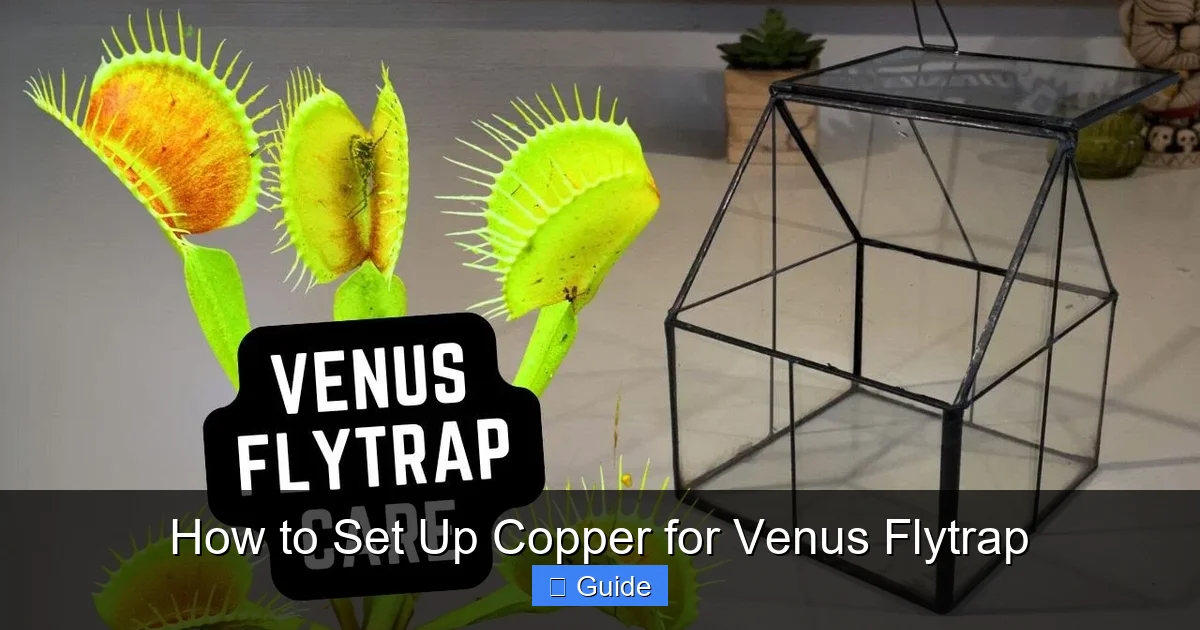
How to Set Up Copper for Venus Flytrap
Copper is toxic to Venus flytraps and should never be used in soil, water, or directly on the plant. This guide explains the dangers of copper exposure, why gardeners mistakenly use it, and safe alternatives like copper tape barriers placed only on pot exteriors for slug control. Discover proper Venus flytrap care with pure water, nutrient-free soil, and natural pest management.
If you grow Venus flytraps, you have probably heard conflicting advice about copper. Some gardeners swear by copper tape for slugs. Others warn that copper kills carnivorous plants. The truth sits somewhere in between — but leans heavily toward caution. Venus flytraps evolved in nutrient-poor, acidic bogs. Their roots are incredibly sensitive to minerals and metals. Copper, even in tiny amounts, disrupts their biology. This guide walks you through exactly why copper is dangerous, where the confusion comes from, and how to protect your plants without risking their lives.
We will cover the science of copper toxicity, the one limited way copper tape might work, and every safe alternative for pest control and plant health. By the end, you will know exactly what to do — and what to avoid — to keep your Venus flytraps thriving for years.
Key Takeaways
- Copper kills Venus flytraps: Even trace amounts in soil or water cause root damage, leaf burn, and plant death.
- No copper in growing media: Avoid copper-based fungicides, fertilizers, or tools that contact the soil or plant.
- Copper tape only on pot exterior: If used for slug barriers, apply tape exclusively to the outside rim of pots — never inside.
- Use pure water only: Rainwater, distilled, or reverse osmosis water prevents mineral buildup including copper.
- Nutrient-free soil is essential: Sphagnum peat moss and perlite mix without additives keeps roots safe.
- Natural pest control works best: Sticky traps, beneficial insects, and manual removal protect plants safely.
- Monitor for toxicity signs: Blackened traps, stunted growth, and wilting indicate metal contamination.
Quick Answers to Common Questions
Can I use copper fungicide on my Venus flytrap?
No. Copper fungicides are fatal to Venus flytraps. Even trace amounts absorbed through leaves or roots will kill the plant. Use only physical removal or carnivorous-plant-safe treatments for fungal issues.
Is copper tape safe if I put it on the outside of the pot?
Only on the upper outer rim, horizontally, with no contact to soil or water. It may deter slugs but risks leaching over time. Diatomaceous earth or beer traps are safer and more effective.
What water should I use for Venus flytraps?
Rainwater, distilled water, or reverse osmosis water only. Tap water, well water, and softened water contain minerals including copper that accumulate and kill the plant. Test with a TDS meter — aim for under 50 ppm.
Why are my Venus flytrap traps turning black?
Old traps naturally blacken and die after 1-3 months. But if new traps emerge black, or many blacken at once, check for mineral buildup, impure water, old soil, pests, or copper exposure. Flush soil and repot if needed.
Do Venus flytraps need fertilizer?
No. They get all nutrients from captured insects. Fertilizers — even carnivorous plant formulas — often contain copper and other minerals that burn roots. Feed one appropriately sized insect per trap per week during growth season instead.
📑 Table of Contents
- Why Copper Is Toxic to Venus Flytraps
- The Copper Tape Myth — And the One Safe Way to Use It
- Safe Water Practices — The Foundation of Copper-Free Care
- Soil Mixes That Guarantee Zero Copper
- Natural Pest Control That Works
- Fertilizing — Why You Should Not, and What to Do Instead
- Seasonal Care and Dormancy — Keeping Plants Alive Year-Round
- Troubleshooting Common Problems
- Advanced Tips for Serious Growers
- Conclusion
Why Copper Is Toxic to Venus Flytraps
The Evolutionary Reason
Venus flytraps (Dionaea muscipula) come from the coastal bogs of North and South Carolina. These soils are sandy, acidic, and almost empty of nutrients. The plants adapted by catching insects for nitrogen and phosphorus. They did not adapt to handle metals. In their native habitat, copper levels are near zero. Their roots have no mechanism to block or excrete copper ions. When copper touches the roots, it enters freely and destroys cellular function.
How Copper Damages Plant Cells
Copper ions bind to proteins and enzymes inside root cells. They replace essential metals like iron and zinc in enzyme active sites. This stops photosynthesis, respiration, and nutrient transport. The result is rapid root death. Above ground, traps turn black, new growth stunts, and the plant collapses. Symptoms can appear within days of exposure. Recovery is rare because the root system — already minimal — cannot regenerate in contaminated soil.
Common Sources of Accidental Copper Exposure
Many growers introduce copper without realizing it. Copper-based fungicides like Bordeaux mixture or copper sulfate are common in general gardening. Some fertilizers contain copper as a micronutrient. Tap water in homes with copper pipes can carry dissolved copper, especially if the water is acidic. Garden tools with copper coatings, or even copper labels stuck in the pot, can leach ions into the soil. Rainwater collected from copper gutters or roofs is another hidden source.
The Copper Tape Myth — And the One Safe Way to Use It
Why People Use Copper Tape
Copper tape is sold as a slug and snail barrier. The theory: when a slug crosses copper, its mucus reacts with the metal, creating a tiny electric shock. This repels the pest. It works reasonably well for hostas, lettuce, and other garden plants. Venus flytrap growers face slug problems too — especially in humid greenhouses or outdoor bogs. So they reach for copper tape.
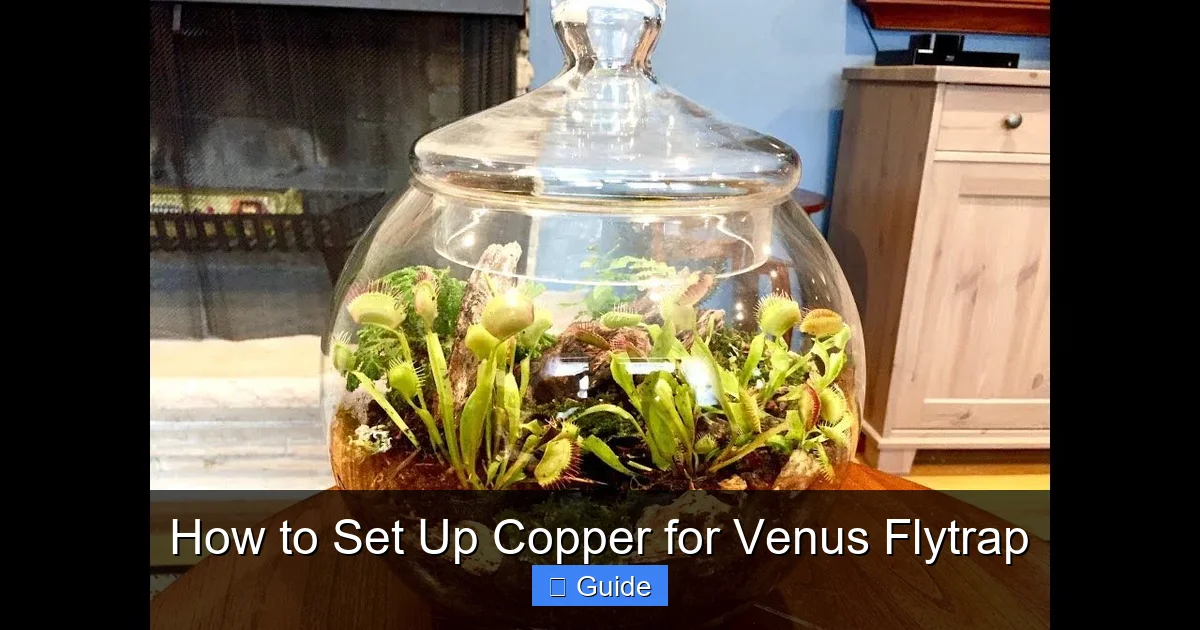
Visual guide about How to Set Up Copper for Venus Flytrap
Image source: i.pinimg.com
Why It Fails for Venus Flytraps
The problem is placement. To stop slugs, tape must form a complete ring around the pot or growing area. But Venus flytrap pots sit in water trays. The tape gets wet. Wet copper leaches ions into the tray water. The plant drinks that water through its roots. Even if tape stays dry, humidity and condensation dissolve microscopic amounts of copper. Over weeks, this builds up in the soil. The plant dies slowly, and the grower blames something else.
The Only Safe Method: External Pot Rim Only
If you must use copper tape, apply it only to the outside upper rim of the pot. Do not wrap the sides. Do not put it inside the pot. Do not let it touch the soil or water tray. Use a pot with a wide lip. Stick the tape horizontally on the outer edge of that lip. Slugs crossing the rim get shocked. Water inside the pot never contacts the tape. Check monthly for corrosion. Replace tape at first sign of green patina. Even then, this is a compromise. Better alternatives exist.
Safe Water Practices — The Foundation of Copper-Free Care
Why Water Purity Matters More Than Anything
Venus flytraps absorb water constantly. Their roots have no filter for dissolved solids. Every mineral in the water ends up in the soil. Over time, the soil becomes toxic. Copper is just one of many dangers — calcium, magnesium, sodium, and chloride also kill these plants. Pure water is non-negotiable.
Best Water Sources
Rainwater is ideal if collected from clean surfaces. Use plastic or glass containers. Avoid metal roofs, copper gutters, or galvanized tanks. Distilled water from grocery stores works perfectly. Reverse osmosis (RO) water from home systems or aquarium shops is excellent. Test your water with a TDS meter. Aim for under 50 ppm (parts per million). Under 20 ppm is better. Zero is perfect.
Watering Technique
Use the tray method. Set the pot in a saucer or tray. Add pure water to about one inch deep. Let the soil wick moisture up. Refill when the tray is nearly dry. Do not top-water. Top-watering compacts soil and splashes contaminants onto leaves. Never let the pot sit in deep water for weeks — stagnant water breeds anaerobic bacteria. Cycle wet and damp periods.
Soil Mixes That Guarantee Zero Copper
The Standard Mix: Peat and Perlite
The classic Venus flytrap soil is 1:1 sphagnum peat moss and perlite by volume. That is it. No sand. No compost. No fertilizer. No lime. No wetting agents. Peat provides acidity and moisture retention. Perlite provides aeration. Both must be pure. Many perlite brands contain fluoride or fertilizer additives. Read the bag. Choose horticultural perlite labeled for carnivorous plants or orchids. Rinse perlite before use to remove dust.
Peat Quality Matters
Not all peat is equal. Some bales contain sedge peat, which is less acidic. Others have added wetting agents or fertilizers. Buy Canadian sphagnum peat moss from reputable brands. Look for “OMRI listed” or “organic” labels — but verify no additives. If unsure, soak a handful in pure water, test the runoff pH. It should read 3.5 to 4.5. Higher means contamination.
Alternative: Long-Fiber Sphagnum Moss
Some growers use 100% long-fiber sphagnum moss (not peat). This is the living or dried moss from the top of bogs. It holds water well, resists compaction, and is naturally sterile. It costs more but eliminates perlite concerns. Use only New Zealand or Chilean premium grades. Avoid “orchid moss” which may be treated. Rinse thoroughly before potting.
Repotting Without Contamination
Repot every 12 to 18 months. Old peat breaks down, becomes anaerobic, and accumulates minerals. Use new pots or scrub old ones with hot water and a stiff brush. No soap. No bleach. Rinse until water runs clear. Handle roots gently — they are brittle. Do not tease them apart. Place the plant in the new mix at the same depth. Water from below with pure water. No fertilizer. Ever.
Natural Pest Control That Works
Slugs and Snails — The Real Threat
Slugs love Venus flytraps. They eat traps, flower stalks, and even rhizomes. They hunt at night. You see the damage in the morning — ragged holes, slime trails, missing traps. Copper tape is one answer. But better answers exist.
Diatomaceous Earth Barrier
Food-grade diatomaceous earth (DE) is fossilized algae. Its microscopic sharp edges cut slug bodies, causing dehydration. Sprinkle a continuous ring around the pot base, on the tray lip, and on the bench surface. Reapply after rain or watering. DE loses effectiveness when wet. Use only food-grade — pool-grade DE is heat-treated and dangerous to inhale. Wear a mask when applying.
Beer Traps — Simple and Effective
Bury a small cup (yogurt container size) so the rim sits at soil level. Fill halfway with cheap beer. Slugs smell the yeast, fall in, and drown. Empty and refill every two days. Place several around your growing area. This catches slugs before they reach your plants. No chemicals. No risk to flytraps.
Hand Picking at Night
Go out two hours after sunset with a flashlight. Wear gloves. Pick slugs off pots, trays, and nearby surfaces. Drop them in soapy water. Do this every few nights during wet weather. It works. It costs nothing. It lets you inspect plants closely.
Beneficial Nematodes
Phasmarhabditis hermaphrodita nematodes parasitize slugs. Apply as a soil drench to the surrounding ground (not the flytrap pot). They seek out slugs, enter their bodies, and kill them in days. Safe for plants, pets, and people. Available online. Follow label rates. Reapply every six weeks during growing season.
Aphids and Spider Mites — Rare but Possible
Venus flytraps rarely get aphids or mites because traps catch them. But stressed plants or indoor grows can host them. If you see tiny bugs on leaves or webbing, act fast. Spray with pure water — a strong stream knocks them off. Repeat daily for a week. For persistent cases, use insecticidal soap labeled safe for carnivorous plants. Test one leaf first. Wait 48 hours. No damage? Treat the rest. Never use neem oil, horticultural oil, or systemic insecticides — they kill flytraps.
Fungus Gnats — Annoying but Manageable
Fungus gnats breed in wet peat. Their larvae eat root hairs. Adults are a nuisance. Yellow sticky traps catch adults. Place cards on pot rims. For larvae, let the top half-inch of soil dry between waterings. Venus flytraps tolerate brief surface drying. Or apply Bacillus thuringiensis israelensis (BTi) as a soil drench — it kills larvae only. Mosquito bits (BTi granules) work too. Sprinkle a few on the soil surface. Safe for flytraps.
Fertilizing — Why You Should Not, and What to Do Instead
The Fertilizer Trap
General plant fertilizers contain copper, zinc, boron, and other micronutrients. Even “orchid fertilizer” or “carnivorous plant fertilizer” often has copper. Venus flytraps do not need fertilizer. They get nutrients from insects. Adding fertilizer burns roots, invites algae, and kills the plant. The only exception: very experienced growers sometimes apply extremely diluted foliar feed (1/10 strength, no copper) to leaves only — never soil. Beginners should never try this.
Feeding Insects — The Natural Way
Outdoor plants catch plenty. Indoor plants need help. Feed one trap per plant per week during active growth. Use live or freshly killed insects: flies, crickets, mealworms, bloodworms (rehydrated). Size matters — prey should be 1/3 the trap length. Too large and the trap rots. Trigger the trap hairs with a toothpick after placing the insect. Do not feed during dormancy. Do not feed hamburger, cheese, or human food — that kills traps.
What About Foliar Sprays?
Some growers mist with very dilute MaxSea 16-16-16 (1/4 tsp per gallon) once a month. This fertilizer is urea-based and low in copper. But it is risky. If you try it, spray only traps — not soil. Rinse traps with pure water next day. Most experts advise against it. Insects are safer and better.
Seasonal Care and Dormancy — Keeping Plants Alive Year-Round
Spring: Wake Up and Grow
As days lengthen, new traps emerge. Increase water. Move to full sun (6+ hours direct). Begin feeding if indoors. Watch for flower stalks. Cut them off unless you want seeds — flowering drains energy. Check for pests weekly. Repot if soil is old.
Summer: Peak Growth
Full sun. Constant moisture. High heat is fine if roots stay cool. White pots or shaded trays help. Feed regularly. Remove dead traps. Watch for aphids on flower stalks (if you kept them). Enjoy the show.
Fall: Prepare for Sleep
Growth slows. Traps get smaller. Stop feeding. Reduce water slightly — keep damp, not wet. Move to cooler spot (40-50°F nights). Light stays bright. This triggers dormancy.
Winter: The Rest Period
Venus flytraps require 3-4 months of dormancy. Without it, they weaken and die. Keep at 35-45°F. Bright light (garage window, cold frame, unheated porch). Water sparingly — soil barely moist. No feeding. Traps turn black and die back. This is normal. Do not panic. In spring, new growth returns.
Indoor Dormancy Options
No cold space? Use the fridge method. Bare-root the plant. Wrap in damp (not wet) long-fiber sphagnum. Place in a plastic bag with air holes. Store in refrigerator (not freezer) at 35-40°F for 12-14 weeks. Check monthly for mold. Pot up in spring. This works but carries risk. Outdoor or garage dormancy is better.
Troubleshooting Common Problems
Black Traps — Normal or Deadly?
Old traps turn black and die. That is normal. Each trap lasts 1-3 months. But if new traps emerge black, or many traps blacken at once, something is wrong. Check water purity. Check soil age. Check for pests. Check for copper exposure. Act fast.
Deformed or Stunted Traps
Small, misshapen traps mean stress. Causes: low light, mineral buildup, root damage, or pests. Fix light first — full sun is best. Flush soil with pure water (top water heavily, let drain, repeat 3x). Repot if soil is over a year old. Inspect roots — white and firm is good. Brown and mushy is root rot.
No Traps — Just Leaves
Photosynthetic leaves (phyllodia) appear in low light or after stress. The plant is surviving, not thriving. Increase light immediately. Outdoors is best. If indoors, use strong grow lights (LED, 12-14 hours, 6-12 inches above plant).
Rhizome Rot — The Silent Killer
Soft, brown, smelly rhizome means fungal rot. Usually from anaerobic soil or contaminated water. Unpot. Cut away all rot with sterile scissors. Dust cuts with cinnamon (natural antifungal). Repot in fresh, airy mix. Water with pure water only. Keep barely moist. Pray. Survival is 50/50.
Advanced Tips for Serious Growers
Water Testing Routine
Test your water source monthly with a TDS meter. Log results. If TDS creeps up, find the cause. New pipes? Seasonal changes? Different rain barrel? Catch problems before plants show symptoms.
Soil Flushing Schedule
Even with pure water, minerals accumulate from dust, insect remains, and peat breakdown. Every 3 months, flush the pot: top-water with pure water until 3 pot volumes drain through. Do this in morning so leaves dry by night. Prevents salt buildup.
Labeling and Tracking
Label each plant with name, source, and date acquired. Track repotting, feeding, dormancy, and issues. A simple notebook or spreadsheet helps you spot patterns. “Plant A declined after tap water week” — now you know.
Quarantine New Plants
New plants bring pests, diseases, and contaminated soil. Isolate for 4 weeks. Pot in your mix. Water with your water. Watch for problems. Then integrate. This one habit saves collections.
Conclusion
Copper and Venus flytraps do not mix. The science is clear: copper ions destroy the delicate root cells these plants depend on. No amount of “careful use” makes copper safe in the soil, water, or on the plant itself. The only place copper tape belongs is on the outside rim of a pot — and even then, better slug barriers exist. Your Venus flytraps will thrive on pure water, nutrient-free soil, bright sun, live insects, and a proper winter sleep. That is the whole secret. No fancy products. No risky shortcuts. Just respect for how these amazing plants evolved. Follow this guide, and you will grow big, colorful, trap-filled flytraps for years. The joy of watching a trap snap shut on a fly — knowing you created the perfect home for it — is worth every bit of care.
Frequently Asked Questions
Can I use rainwater collected from a copper gutter for my Venus flytrap?
No. Rainwater from copper gutters or roofs leaches copper ions that are toxic to Venus flytraps. Collect rainwater only from plastic, glass, or painted metal surfaces. Test with a TDS meter before use.
How often should I repot my Venus flytrap to avoid mineral buildup?
Repot every 12 to 18 months using fresh 1:1 sphagnum peat moss and perlite. Old peat breaks down and accumulates dissolved minerals including copper. Always rinse new perlite and use pure water.
What is the best slug control for Venus flytraps that does not risk copper toxicity?
Food-grade diatomaceous earth barriers, beer traps, nightly hand-picking, and beneficial nematodes (Phasmarhabditis hermaphrodita) are all effective and completely safe for Venus flytraps.
Can I use tap water if I let it sit out overnight?
No. Letting tap water sit removes chlorine but not dissolved minerals like copper, calcium, or sodium. These accumulate in soil and kill Venus flytraps. Only use rainwater, distilled, or RO water.
Why did my Venus flytrap die after I used a general houseplant fertilizer?
Houseplant fertilizers contain copper, zinc, boron, and other micronutrients that are toxic to Venus flytraps. These plants evolved in nutrient-free soil and cannot process fertilizer. Feed insects only.
Is it normal for Venus flytraps to lose all traps in winter?
Yes. During winter dormancy (3-4 months at 35-45°F), traps die back and the plant rests. Keep soil barely moist, provide bright light, and do not feed. New traps emerge in spring. This dormancy is required for long-term survival.