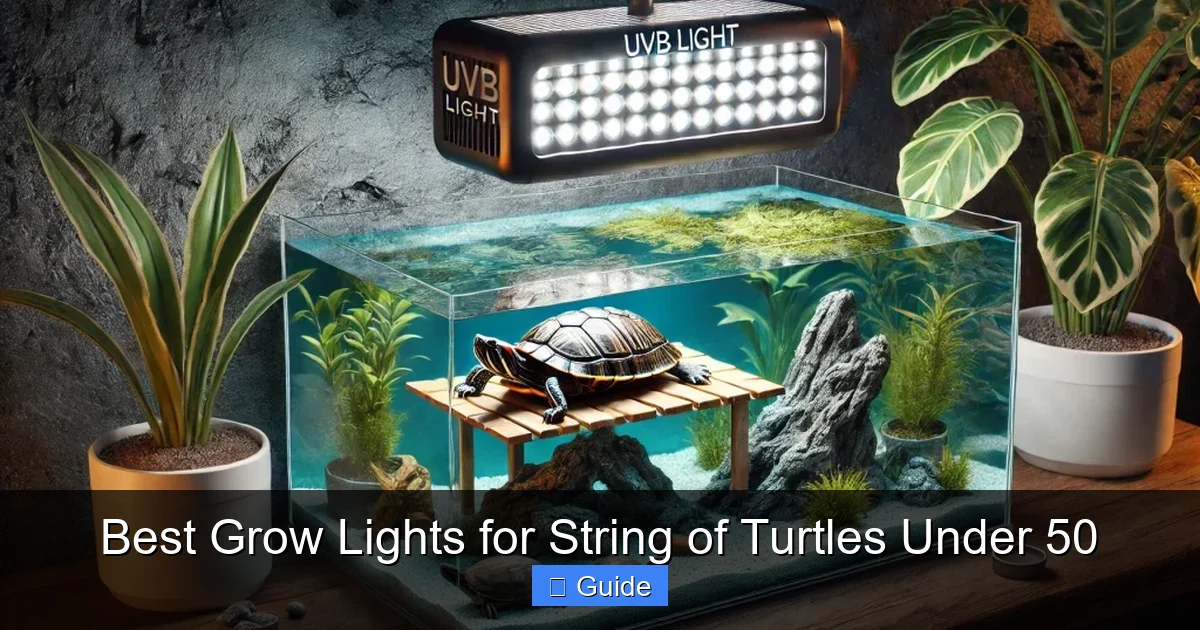
Best Grow Lights for String of Turtles Under 50
String of Turtles thrives under affordable full-spectrum LED grow lights. This guide reviews the top 5 options under $50, covering clip-ons, panels, and bulbs. Learn exactly what light intensity, spectrum, and duration your Peperomia prostrata needs for lush, trailing growth.
Key Takeaways
- Full-spectrum LED lights are best: They mimic natural sunlight and support both foliage growth and potential flowering.
- Target 200-400 PPFD: String of Turtles needs bright indirect light equivalent, not intense direct beams.
- 12-14 hours daily is ideal: Use a timer for consistency and to prevent light stress.
- Clip-on lights offer flexibility: Perfect for shelves, bookshelves, or hanging planters where space is tight.
- Watch for light stress signs: Reddening leaves mean too much light; leggy stems mean too little.
- Distance matters more than wattage: Keep lights 12-18 inches above the plant for optimal coverage.
- Budget options perform well: Quality grow lights under $50 can match pricier models for small plants.
Quick Answers to Common Questions
What is the best type of grow light for String of Turtles?
Full-spectrum white LED lights (5000K-6500K) are best because they mimic natural daylight and support healthy foliage without the purple glare of blurple lights.
How many hours of artificial light does String of Turtles need?
12-14 hours per day is ideal. Use a timer for consistency, as irregular light cycles can stress the plant.
Can I use a regular LED bulb instead of a grow light?
Regular LED bulbs lack the red and blue spectral peaks plants need for photosynthesis. A $15-20 grow bulb in your existing lamp works much better.
How close should the grow light be to my String of Turtles?
Start at 12-18 inches above the plant. Adjust based on response: lower if stems stretch, raise if leaves redden or curl.
Do I need to run grow lights in summer if my plant is near a window?
If the window provides bright indirect light for 6+ hours daily, you can reduce or stop artificial light in summer. Monitor for etiolation.
📑 Table of Contents
- Why Your String of Turtles Needs a Grow Light
- Understanding Light Requirements for Peperomia Prostrata
- Types of Grow Lights Under Fifty Dollars
- Top 5 Grow Lights for String of Turtles Under 50
- How to Set Up Your Grow Light for Success
- Signs Your Light Setup Is Working (or Not)
- Common Mistakes to Avoid
- Budget Tips for Maximum Value
- Seasonal Adjustments for Year-Round Health
- Frequently Asked Questions About Grow Lights
- Conclusion
Why Your String of Turtles Needs a Grow Light
String of Turtles is a stunning trailing succulent. Its tiny turtle-shell leaves make it a favorite among plant collectors. But here is the truth. This plant craves bright indirect light. Most homes simply do not provide enough. North-facing windows fall short. Winter days are too short. Even south-facing windows can be blocked by trees or buildings.
A grow light solves this problem. It gives you control. You decide the intensity. You decide the duration. Your plant gets consistent energy year-round. The result? Fuller vines. Richer color. Faster growth. And you do not need to spend a fortune. Excellent options exist under fifty dollars.
Understanding Light Requirements for Peperomia Prostrata
Natural Habitat Clues
String of Turtles grows as an epiphyte in Brazilian rainforests. It clings to tree trunks and branches. There it receives dappled sunlight. The canopy filters harsh rays. This tells us two things. The plant wants bright light. But it cannot handle direct sun beating down on its leaves.
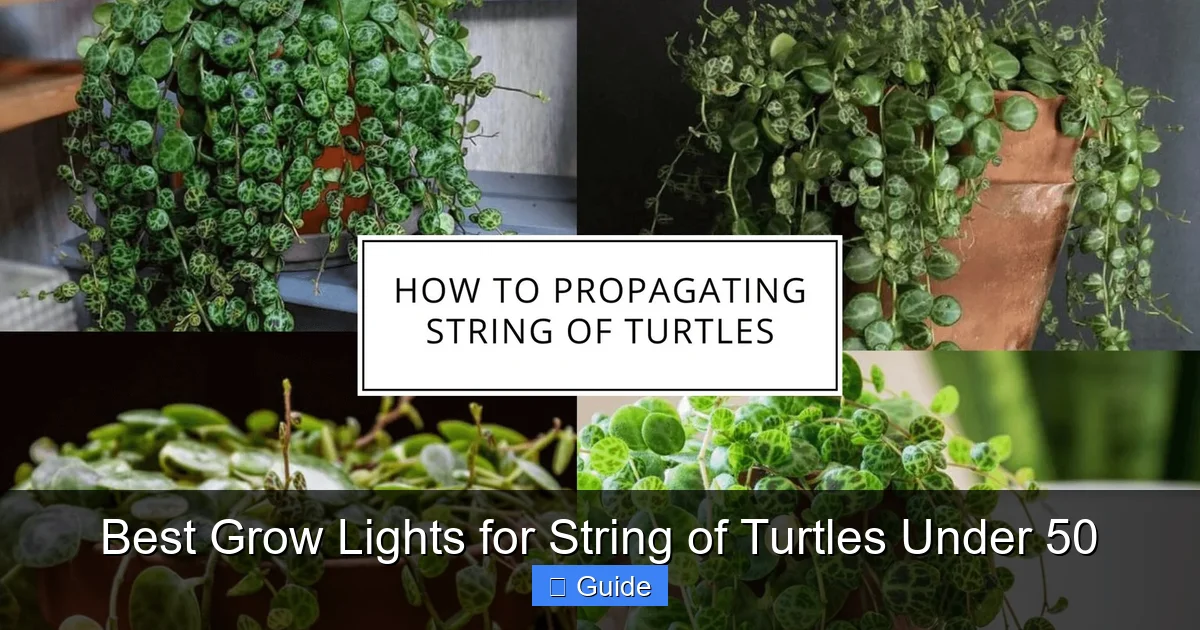
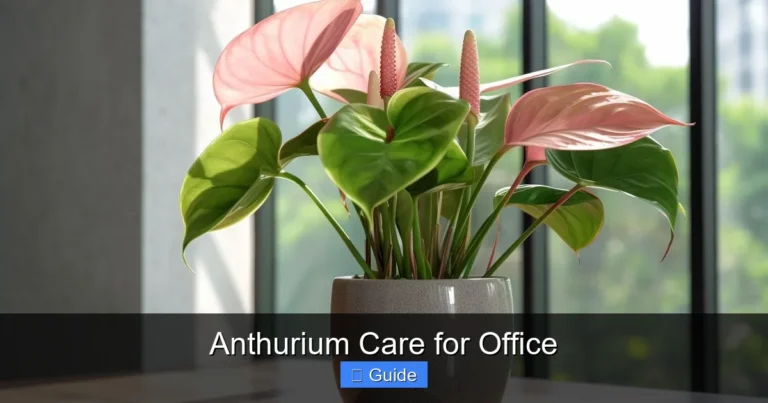
Visual guide about Best Grow Lights for String of Turtles Under 50
Image source: investinaznow.com
What PPFD Means for You
PPFD stands for Photosynthetic Photon Flux Density. It measures usable light reaching the leaf. For String of Turtles, aim for 200 to 400 µmol/m²/s. This is moderate light. Seedlings need less. Mature plants can handle the higher end. Most budget grow lights list PPFD at specific distances. Check the specs. At twelve inches, a good light should hit this range.
Color Temperature and Spectrum
Look for full spectrum or 5000K to 6500K. This mimics midday sun. It contains blue light for compact growth. It contains red light for root development. Avoid pink or purple blurple lights. They work but make it hard to spot pests. They also look strange in living spaces. White light is easier on your eyes too.
Types of Grow Lights Under Fifty Dollars
Clip-On Gooseneck Lights
These are the most versatile. A clamp attaches to a shelf or desk. Flexible necks let you aim light exactly where vines trail. Most have two or three heads. Each head covers a small area. They are perfect for a single plant or a small group. Prices range from twenty to forty dollars.
Small Panel Lights
Panels look like thin squares or rectangles. They mount under a shelf or hang from a ceiling. Coverage is wider than clip-ons. A twelve by twelve inch panel can light a two-foot shelf. They often include hanging kits. Some have dimmers. Expect to pay thirty to fifty dollars.
LED Bulbs in Standard Fixtures
E26 base bulbs screw into any lamp. This is the stealthiest option. Use a desk lamp or floor lamp you already own. Bulbs cost fifteen to thirty dollars each. You need one per plant ideally. Coverage is a cone shape. Good for highlighting a specimen plant.
Light Strips and Bars
Strips adhere under shelves. Bars mount with screws or magnets. These excel at lighting long shelves with multiple plants. They distribute light evenly. Many are linkable. You can chain several together. Prices start around twenty-five dollars for a two-foot strip.
Top 5 Grow Lights for String of Turtles Under 50
1. GHodec 80W Dual Head Clip Light
This clip light punches above its price. Two heads. Each has 40 LEDs. Full spectrum 5000K white light. Five brightness levels. Three timer settings: three, six, or twelve hours. The clamp opens wide for thick shelves. Goosenecks hold position well. At twelve inches, PPFD hits around 250. Perfect for one trailing pot. Price sits near thirty dollars.
2. Barrina T5 LED Grow Light Strips (4-Pack)
Four two-foot strips. Linkable up to six units. Each strip draws only 20 watts. 5000K full spectrum. Includes mounting clips, tape, and connecting cords. Install under a shelf. Light spreads evenly across two feet. PPFD at twelve inches reaches 300. Great for a shelf of turtles. The four-pack costs about forty-five dollars.
3. GE BR30 Full Spectrum LED Grow Bulb
A single bulb that fits any lamp. 9 watts. 5000K white light. High CRI for accurate color rendering. PPFD at twelve inches is roughly 200. Best for one plant in a decorative lamp. No timer built in. Pair with a smart plug. Costs around twenty dollars. The most aesthetic option for living rooms.
4. Mosthink LED Plant Grow Light Strips (2-Pack)
Two thirteen-inch strips. Four brightness levels. Auto timer: three, six, or twelve hours. USB powered. Includes adhesive backing and zip ties. Stick under a cabinet or shelf. Compact but effective. PPFD at ten inches hits 280. Good for a bookshelf display. Two-pack runs thirty dollars.
5. GooingTop Clip Grow Light with 60 LEDs
Single head but dense LED array. 60 diodes. Five dimming levels. Timer with three, six, twelve hours. 6000K cool white. Flexible gooseneck. Strong clamp. PPFD at twelve inches reaches 350. Excellent for a hanging basket. Very compact. Priced at twenty-five dollars.
How to Set Up Your Grow Light for Success
Finding the Right Distance
Start at eighteen inches. Observe for one week. Leaves should stay flat and green. If stems stretch, lower the light two inches. If leaves redden or curl, raise it. Every light differs. Use your plant as the guide. A cheap lux meter app helps. Target 10,000 to 20,000 lux for this species.
Setting the Photoperiod
Twelve to fourteen hours daily. Consistency beats intensity. Use the built-in timer or a mechanical outlet timer. Plug it in. Set it. Forget it. Do not run lights twenty-four hours. Plants need dark respiration time. Eight to ten hours of darkness is healthy.
Positioning for Trailing Growth
String of Turtles trails downward. Light should come from above. If using a clip light, clamp it behind the pot. Aim heads down the length of vines. For panels, center above the plant. For strips, run parallel to the trailing direction. Even light prevents one-sided growth.
Signs Your Light Setup Is Working (or Not)
Happy Plant Signals
New leaves emerge close together. Internodes stay short. Leaf pattern stays crisp. Color is deep green with silver veining. Vines grow steadily. The plant looks full at the crown. These are all green flags.
Too Much Light
Leaves develop red or purple edges. This is sun stress. Some growers like the look. But it signals the plant is protecting itself. Leaves may curl inward. Growth slows. Move the light up. Reduce hours by two. Watch for recovery in a week.
Too Little Light
Stems stretch long between leaves. This is etiolation. New leaves are smaller. Color fades to pale green. The plant leans toward the light source. Lower the light. Add hours. Or add a second light. Fix this fast. Leggy growth cannot reverse.
Common Mistakes to Avoid
Buying Based on Wattage Alone
Watts measure electricity use. Not light output. A 20-watt modern LED outperforms a 40-watt old model. Look at PPFD. Look at spectrum. Look at coverage area. Watts only matter for your electric bill.
Placing Lights Too Close
Heat stress happens even with LEDs. Leaves touching the fixture will scorch. Airflow gets blocked. Keep minimum six inches. Twelve to eighteen is the sweet spot. Use the hand test. If the back of your hand feels hot at leaf level, it is too close.
Ignoring the Rest of the Environment
Light is one piece. Humidity matters. String of Turtles likes 50 to 60 percent. Airflow prevents rot. Soil must drain fast. Water when top inch dries. Fertilize monthly in growing season. A perfect light cannot fix bad soil or rot.
Running Lights Without a Timer
Life gets busy. You forget to turn them off. Or on. Plants notice. Inconsistent photoperiods confuse growth cycles. A five-dollar timer saves your plant. Built-in timers are convenient. But a separate outlet timer works with any light.
Budget Tips for Maximum Value
Start with One Quality Light
One good light beats two weak ones. The Barrina four-pack is the exception. It gives you four strips for the price of one panel. But for a single plant, invest in the GHodec or GooingTop. They have better controls. They last longer.
Use Reflective Surfaces
White walls bounce light. Mylar sheets cost pennies. Aluminum foil works in a pinch. Line the back of your shelf. You gain 15 to 20 percent more light. Free intensity boost.
Group Plants by Light Needs
String of Turtles shares needs with hoya, peperomia, and small succulents. Put them under one light. One panel serves four pots. This stretches your budget. Just ensure similar watering needs too.
Seasonal Adjustments for Year-Round Health
Winter Strategy
Days are short. Natural light is weak. Run grow lights fourteen hours. Keep distance at twelve inches. Monitor for stretch. Winter is when grow lights earn their keep. Your plant will not pause. It will keep trailing.
Summer Strategy
Natural light increases. You may move the plant outdoors in shade. If indoors, reduce artificial light to eight hours. Or turn it off on bright days. Watch for bleaching. The plant tells you what it needs.
Transition Periods
Spring and fall change fast. Adjust by fifteen minutes weekly. Gradual changes prevent shock. This mimics nature. Your plant adapts smoothly.
Frequently Asked Questions About Grow Lights
Can I use a regular LED desk lamp?
Regular LEDs lack red and blue peaks. They grow plants slowly. Leaves get thin. Color fades. A ten-dollar grow bulb in that same lamp works far better. Spend the extra few dollars.
Do I need UV or IR diodes?
No. String of Turtles does not need UV for stress colors. IR adds heat. Full spectrum white covers everything this plant needs. Marketing hype sells UV/IR. Your wallet does not need it.
How long do budget grow lights last?
Quality budget lights last 25,000 to 50,000 hours. At fourteen hours daily, that is five to ten years. Cheaper units may dim after two years. Brands like Barrina and GE honor warranties. Keep your receipt.
Can I daisy-chain different brands?
Only if connectors match. Barrina uses standard DC connectors. Mosthink uses USB. They do not mix. Stick to one brand for linking. Or use separate timers for each brand.
What if my plant flowers under grow lights?
String of Turtles produces tiny spike flowers. This is a sign of maturity and good care. Flowers are insignificant. You can leave them. Or snip to redirect energy to foliage. Either is fine.
Conclusion
Your String of Turtles deserves great light. You do not need to spend hundreds. The five lights reviewed here prove that. Clip lights offer flexibility. Strips cover shelves. Bulbs blend into decor. Panels deliver power. Match the light to your space.
Remember the basics. Full spectrum white. Twelve to fourteen hours. Twelve to eighteen inches away. Watch your plant. It speaks clearly. Short internodes mean success. Red edges mean back off. Long gaps mean move closer.
Start with one light from this list. Set it up tonight. Plug in the timer. In two weeks you will see the difference. New growth tighter. Color richer. Vines longer. That fifty dollars just became the best plant investment you made all year.
Frequently Asked Questions
What PPFD does String of Turtles need?
String of Turtles thrives at 200-400 µmol/m²/s PPFD. This moderate range mimics the dappled light of its rainforest habitat. Most quality grow lights under $50 hit this at 12-18 inches.
Can String of Turtles get too much artificial light?
Yes. Signs include red/purple leaf edges, inward curling, and slowed growth. If you see these, raise the light 2-3 inches or reduce daily runtime by 2 hours.
Are clip-on grow lights strong enough for trailing plants?
Quality clip lights like the GHodec or GooingTop deliver 250-350 PPFD at 12 inches, which is perfect for a single String of Turtles. Position the clamp behind the pot and aim heads down the vine length.
Do grow lights use a lot of electricity?
No. A typical 20-30 watt LED grow light running 14 hours daily costs about $1-2 per month. Budget lights are very energy efficient compared to old fluorescent tubes.
Should I leave grow lights on 24/7 for faster growth?
Never run lights 24/7. Plants need 8-10 hours of darkness for respiration and metabolic processes. Continuous light causes stress, oxidative damage, and poor long-term health.
How do I know if my grow light is working?
Healthy signs: compact new growth, short internodes, crisp leaf patterns, steady vine extension. Unhealthy signs: long gaps between leaves (too little light) or reddening/curling (too much light).