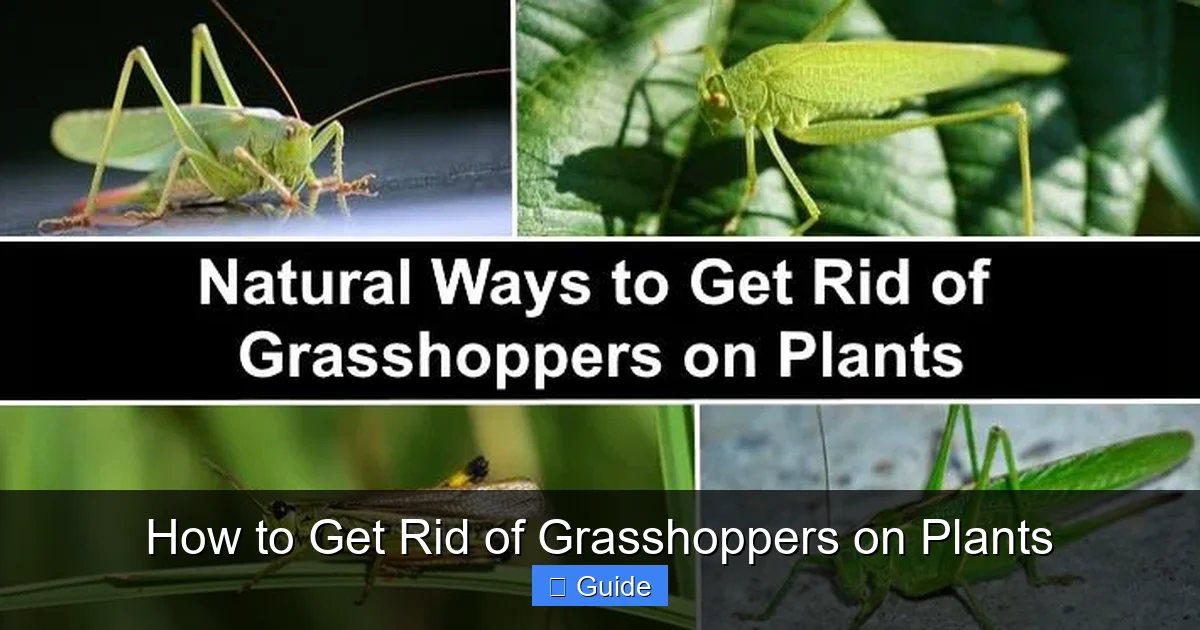
How to Get Rid of Grasshoppers on Plants
Grasshoppers can devastate gardens quickly, but you can stop them naturally. This guide covers organic sprays, physical barriers, beneficial insects, and habitat changes that work. Protect your plants without harsh chemicals using these proven methods.
You walk into your garden one morning and notice jagged holes in your bean leaves. The edges of your lettuce look ragged. Stems on your young pepper plants are stripped bare. The culprit? Grasshoppers. These hungry insects can turn a thriving garden into a buffet overnight. If you’re wondering how to get rid of grasshoppers on plants without reaching for harsh chemicals, you’re in the right place. This guide walks you through every effective method, from simple barriers to biological controls that work with nature instead of against it.
Grasshoppers have been frustrating gardeners for centuries. They eat their body weight in greens daily. A single female lays hundreds of eggs in the soil. When conditions are right, populations explode. But you have more control than you think. The key is understanding their life cycle and hitting them at their most vulnerable stages. Let’s dive into practical, proven strategies that real gardeners use every season.
Key Takeaways
- Act early in the season: Target nymphs before they become flying adults for the best control results.
- Use Nosema locustae bait: This natural microbe infects only grasshoppers and spreads through the population over time.
- Apply kaolin clay spray: Creates a white film that irritates grasshoppers and makes plants unappetizing.
- Install row covers early: Physical barriers prevent egg-laying and feeding when secured properly at soil level.
- Attract natural predators: Birds, robber flies, and beneficial nematodes reduce grasshopper numbers naturally.
- Till soil in fall and spring: Exposes eggs to predators and weather, reducing next year’s hatch significantly.
- Rotate crops and remove weeds: Eliminates food sources and breeding grounds near your valuable plants.
Quick Answers to Common Questions
What is the single most effective organic grasshopper control?
Nosema locustae bait applied early when nymphs are small provides the best long-term control by infecting and spreading through the population naturally.
When should I start treating for grasshoppers?
Start in early spring when soil temperatures reach fifty degrees and you see the first tiny nymphs hatching, usually mid to late spring depending on your zone.
Does diatomaceous earth work on grasshoppers?
Yes, food-grade diatomaceous earth kills nymphs that crawl across it by cutting their exoskeleton, but it must stay dry and be reapplied after rain or dew.
Will chickens eat grasshoppers in my garden?
Chickens and guinea fowl love grasshoppers and can significantly reduce populations, but supervise them to prevent plant damage from scratching and pecking.
How do I keep grasshoppers off my tomato plants?
Apply kaolin clay spray weekly, use row covers early, plant trap crops nearby, and hand pick daily; tomatoes are less preferred but still get damaged during outbreaks.
📑 Table of Contents
- Understand Your Enemy: Grasshopper Basics
- Start With Prevention: Cultural Controls
- Biological Controls: Nature’s Pest Control
- Organic Sprays and Dusts: Direct Action
- Physical and Mechanical Controls
- Integrated Strategy: Putting It All Together
- Special Situations: Container Gardens, Fruit Trees, and More
- Common Mistakes to Avoid
- Monitoring and Record Keeping
- Conclusion
Understand Your Enemy: Grasshopper Basics
Before you fight, know what you’re up against. Grasshoppers belong to the order Orthoptera. Over 11,000 species exist worldwide. In North American gardens, you’ll mostly encounter differential grasshoppers, two-striped grasshoppers, and red-legged grasshoppers. They all share similar habits. They hatch from eggs in spring. The young nymphs look like tiny adults without wings. They molt five to six times before reaching maturity. Each molt makes them bigger and hungrier.
Life Cycle Timing Matters
Eggs overwinter in the soil. They hatch when soil temperatures reach fifty to fifty-five degrees Fahrenheit. This usually happens in mid to late spring. Nymphs feed for thirty to fifty days before becoming adults. Adults live two to three months. Females start laying eggs two to three weeks after their final molt. They deposit egg pods in undisturbed soil, often along fence rows, ditch banks, and weedy areas. Each pod holds fifteen to one hundred eggs. One female produces eight to twenty-five pods. Do the math. That’s thousands of potential grasshoppers from a single insect.
Why Some Years Are Worse
Hot, dry springs favor grasshopper survival. Cool, wet weather promotes fungal diseases that kill nymphs. Drought reduces natural vegetation, pushing hoppers into irrigated gardens. Mild winters allow more eggs to survive. Understanding these patterns helps you predict bad years and prepare early. If last summer was dry and this spring is warm, expect pressure.
Start With Prevention: Cultural Controls
The easiest battle is the one you avoid. Cultural controls make your garden less inviting. They cost little and work year after year. Combine several for best results.
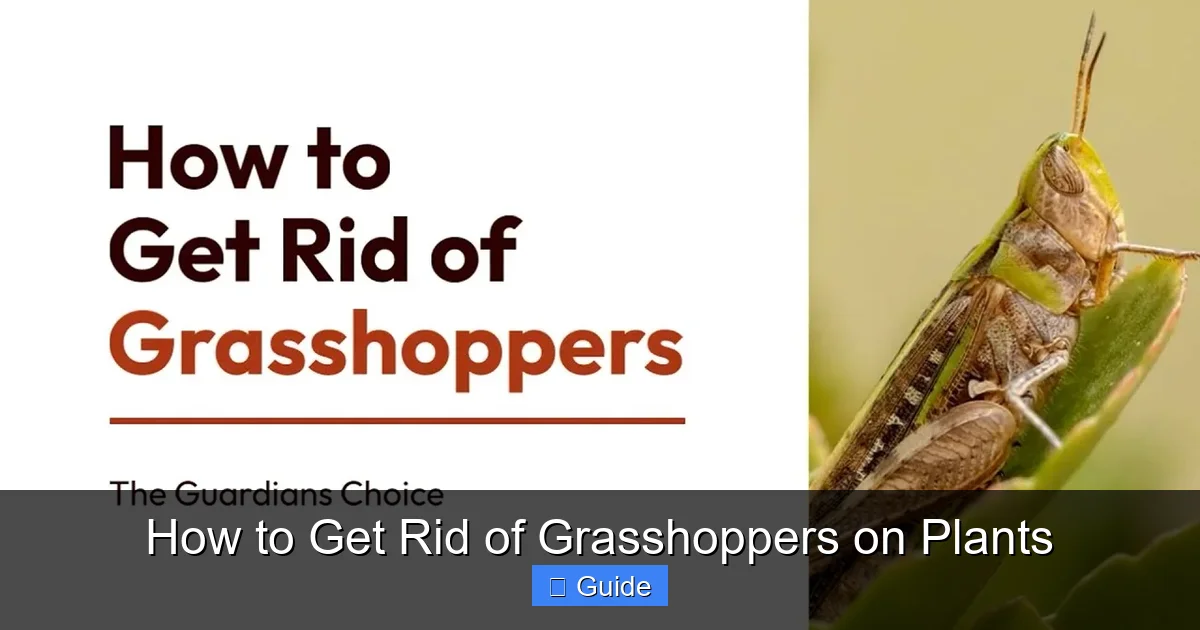
Visual guide about How to Get Rid of Grasshoppers on Plants
Image source: i.ytimg.com
Fall and Spring Tilling
Till garden beds in late fall after first frost. Till again in early spring before planting. This exposes egg pods to freezing temperatures, drying winds, and hungry birds. Shallow tilling three to four inches deep works best. Deep tilling buries eggs too deep for predators but not deep enough to prevent hatching. Target areas where you saw grasshoppers last year. Focus on bed edges, pathways, and nearby weedy patches.
Weed Management
Grasshoppers love tall weeds and grasses. They hide there. They lay eggs there. They feed there before moving to your crops. Keep garden borders mowed short. Remove weeds from fence lines and ditches. A clean ten-foot perimeter around your garden reduces migration significantly. Don’t compost seeding weeds. Burn or bag them instead.
Crop Rotation and Trap Crops
Grasshoppers prefer certain plants. They adore lettuce, beans, corn, carrots, and onions. They avoid tomatoes, squash, and peas somewhat. Rotate favored crops to different beds each year. Plant a trap crop border of tall grasses or alfalfa twenty feet from your garden. Grasshoppers will congregate there. Then treat just that area with bait or spray. This concentrates the problem away from your food.
Floating Row Covers
Lightweight fabric row covers block grasshoppers completely. Install them at planting time. Secure edges with soil, staples, or boards. No gaps. Remove covers when flowering crops need pollination. For non-flowering crops like lettuce and greens, keep covers on all season. Use hoops to prevent fabric from touching leaves. Grasshoppers can chew through contact points.
Biological Controls: Nature’s Pest Control
Biological controls use living organisms to suppress pests. They’re safe for people, pets, and beneficial insects. They take longer than chemicals but provide lasting balance.
Nosema Locustae: The Gold Standard
Nosema locustae is a naturally occurring microsporidian parasite. It infects only grasshoppers and some crickets. Sold as Nolo Bait or Semaspore, it comes on wheat bran flakes. Spread it where grasshoppers feed. Nymphs eat the bran. The parasite multiplies in their gut. Infected grasshoppers eat less, grow slower, and lay fewer eggs. They die within weeks. Scavengers spread the spores further. One application lasts years in the soil. Apply early when nymphs are small. It doesn’t kill adults well. Reapply each spring for two to three years to build up spore levels.
Beauveria Bassiana Fungal Spray
Beauveria bassiana is a fungus that attacks many insects. Commercial products like Botanigard and Mycotrol contain spores. Spray on plants when grasshoppers are active. Spores attach to their bodies, germinate, and penetrate the cuticle. Death occurs in three to seven days. Works best in humid conditions. Apply in evening or on cloudy days. UV light degrades spores. Repeat every seven to ten days during heavy pressure. Safe for bees when dry.
Beneficial Nematodes
Steinernema carpocapsae nematodes parasitize grasshopper eggs and nymphs in soil. Apply to moist soil in spring when soil temps exceed sixty degrees. Water before and after application. Nematodes swim through soil film seeking hosts. They enter through natural openings and release bacteria that kill within forty-eight hours. One application covers up to two thousand square feet. Store in refrigerator. Use within expiration date.
Attract Birds and Predators
Birds eat massive numbers of grasshoppers. Install bluebird houses. Keep birdbaths full. Plant native shrubs for nesting. Chickens and guineas patrol gardens enthusiastically. Let them forage supervised. Robber flies, spiders, and praying mantises hunt adults. Ground beetles eat eggs and nymphs. Avoid broad-spectrum insecticides that kill these allies. A diverse garden supports a diverse predator community.
Organic Sprays and Dusts: Direct Action
When prevention and biology aren’t enough, organic sprays knock down populations fast. Rotate modes of action to prevent resistance. Always test on a few leaves first. Apply in early morning or evening to protect pollinators.
Kaolin Clay: The Invisible Shield
Kaolin clay (Surround WP) creates a white particle film on leaves. Grasshoppers hate it. The particles irritate their feet and mouthparts. It masks the plant’s visual and chemical cues. Mix one to two cups per gallon water. Spray to complete coverage. Reapply after rain. New growth needs respraying. It washes off at harvest. Works on fruit trees, vegetables, and ornamentals. Also deters cucumber beetles and Japanese beetles.
Neem Oil: Multi-Mode Defense
Neem oil contains azadirachtin. It disrupts molting, reduces feeding, and repels adults. Mix one to two tablespoons per gallon with a few drops dish soap. Spray weekly. Covers eggs, nymphs, and adults. Breaks down in sunlight within days. Safe for beneficials once dry. Don’t spray flowering plants when bees are active. Neem also suppresses fungal diseases. Double benefit.
Insecticidal Soap and Pyrethrin Blends
Potassium salts of fatty acids (insecticidal soap) penetrate soft bodies. Pyrethrin from chrysanthemums attacks nervous systems. Combined products like Safer Brand EndALL hit hard and fast. Direct contact required. No residual activity. Spray nymphs thoroughly. Adults fly away but die if coated. Repeat every five to seven days. Avoid spraying in full sun to prevent leaf burn.
Garlic and Hot Pepper Sprays
Homemade repellents work moderately well. Blend five garlic cloves and two hot peppers with two cups water. Strain. Add two tablespoons dish soap. Dilute one cup concentrate per gallon water. Spray weekly and after rain. The capsaicin and sulfur compounds repel feeders. Doesn’t kill. Best as a deterrent alongside other methods. Reapply often. Smells strong but fades fast.
Diatomaceous Earth: The Mechanical Killer
Food-grade diatomaceous earth (DE) is fossilized algae. Microscopic sharp edges cut insect exoskeletons. They dehydrate and die. Dust plants lightly. Apply when dry. Reapply after rain or dew. Wear a mask. DE irritates lungs. Works on nymphs crawling on plants. Less effective on flying adults. Circle plant bases to stop ground movement. Also deters slugs and ants.
Physical and Mechanical Controls
Sometimes the simplest tools work best. Hands-on methods give immediate results. They’re free and chemical-free.
Hand Picking
Early morning is prime picking time. Grasshoppers are cold and slow. Drop them into soapy water. Wear gloves if squeamish. Kids love this job. Pay a penny each. Walk rows daily during peak season. Consistency beats intensity. Ten minutes daily removes hundreds weekly.
Vacuum Removal
A shop vac with a long hose sucks up grasshoppers fast. Use the crevice tool. Empty into soapy water. Works great on nymphs clustered on plants. Less effective on wary adults. Fun and oddly satisfying. Battery handheld vacs work for small gardens.
Sticky Traps
Yellow sticky cards attract grasshoppers. Hang at plant height every ten feet. Replace when covered. They catch more by accident than attraction. But every caught female means thousands fewer eggs. Also monitor population trends. Rising catches mean escalate controls.
Barrier Fences
Metal flashing or smooth plastic buried six inches and standing twenty-four inches high stops walking nymphs. They can’t climb the slick surface. Install around entire garden or vulnerable beds. Angle top outward slightly. Check for gaps after rain. Grasshoppers exploit any breach.
Integrated Strategy: Putting It All Together
No single method solves grasshoppers completely. The magic happens when you layer approaches. Here’s a season-long plan real gardeners follow.
Late Fall
- Till garden beds shallowly
- Mow borders and fence lines short
- Remove weed seed heads
- Apply beneficial nematodes if soil warm enough
Early Spring
- Till again before planting
- Spread Nosema locustae bait in known hotspots
- Install row covers on early crops
- Set up bird houses and baths
Mid Spring (Nymph Hatch)
- Scout daily for tiny hoppers
- Apply kaolin clay to vulnerable crops
- Spray Beauveria bassiana if humid
- Hand pick every morning
- Deploy sticky traps for monitoring
Early Summer (Growing Nymphs)
- Reapply kaolin after rain
- Spray neem oil weekly
- Vacuum clusters on trap crops
- Mow paths and borders weekly
- Let chickens forage supervised
Mid to Late Summer (Adults)
- Focus on row covers for leafy greens
- Spot spray pyrethrin blends on hotspots
- Continue hand picking
- Harvest promptly to reduce attraction
- Note worst areas for next year’s plan
Fall Cleanup
- Remove all crop residue
- Till beds one final time
- Plant cover crop or mulch heavily
- Order Nosema bait for next spring
Special Situations: Container Gardens, Fruit Trees, and More
Grasshoppers don’t respect garden types. Adapt your approach.
Container Gardens
Pots on patios seem safe. Grasshoppers climb walls and jump from nearby plants. Elevate pots on stands with sticky barrier bands. Copper tape deters some. Cover with fine mesh tents. Spray kaolin clay weekly. Hand pick daily. Move pots away from grassy edges.
Fruit Trees and Shrubs
Large plants need different tactics. Spray kaolin clay on trunk and lower branches. Wrap trunks with sticky bands. Apply Nosema bait in grass beneath canopy. Encourage birds with perches. Prune for open canopy. Better air flow reduces humidity grasshoppers like. Spray Beauveria on lower foliage.
Large Scale or Market Gardens
Row covers become expensive at scale. Focus on perimeter trap crops. Plant sudangrass or millet strips around fields. Treat strips with Nosema or Beauveria. Use ATV-mounted sprayers for kaolin. Coordinate with neighbors. Area-wide management works better than fence-line battles. Consider guinea fowl flocks. They range widely and eat constantly.
Greenhouses and High Tunnels
Screen all vents with fine mesh. Check daily for tears. Grasshoppers squeeze through tiny gaps. Hang sticky traps inside. Release beneficial insects preventively. Spray neem or soap at first sight. Hand pick religiously. One pregnant female inside causes disaster.
Common Mistakes to Avoid
Even experienced gardeners slip up. Learn from these frequent errors.
Waiting Too Long
Most people act when damage is obvious. By then, nymphs are large and mobile. Start controls at first hatch. Calendar reminders help. Mark hatch dates each year. Patterns emerge.
Relying on One Method
Spraying neem alone fails under heavy pressure. Row covers alone fail when removed for pollination. Combine cultural, biological, and direct controls. Redundancy wins.
Ignoring Surroundings
Your garden doesn’t exist in isolation. Vacant lots, ditches, and neighbor’s weeds breed hoppers. Talk to neighbors. Coordinate mowing. Treat shared borders. Community effort reduces everyone’s load.
Using Broad Spectrum Insecticides
Pyrethroids, carbamates, and organophosphates kill everything. Bees, ladybugs, lacewings, parasitic wasps all die. Grasshoppers rebound faster without predators. Resistance develops fast. Stick to targeted organics.
Not Reapplying After Rain
Kaolin, neem, soap, and DE wash off. Rain is inevitable. Check forecast. Spray before rain if possible. Always respray after. Calendar it. Consistency beats perfection.
Monitoring and Record Keeping
You can’t manage what you don’t measure. Simple tracking transforms guesswork into strategy.
Scouting Protocol
Walk the same route weekly. Count grasshoppers per square yard in five random spots. Note life stage: tiny nymph, medium nymph, large nymph, adult. Record crop damage percentage. Takes ten minutes. Do it same day each week. Morning is best.
Garden Journal
Note dates: first hatch, peak numbers, first adult, last sighting. Record what you applied when. Rate effectiveness. Photograph damage. Next year you’ll know exactly when to act. Patterns repeat. Weather varies but trends hold.
Thresholds for Action
University extensions suggest thresholds. Eight to ten nymphs per square yard warrants treatment. Twenty adults per square yard signals outbreak. Your tolerance may differ. Lettuce growers act sooner. Tomato growers wait longer. Define your thresholds before season starts.
Conclusion
Grasshoppers test every gardener’s patience. They appear suddenly. They eat voraciously. They seem unstoppable. But you now have a complete toolkit. Cultural practices reduce habitat. Biological controls build long-term suppression. Organic sprays provide immediate relief. Physical barriers exclude them entirely. Hand picking connects you to your garden’s rhythm. The secret isn’t one magic bullet. It’s layering methods. It’s starting early. It’s staying consistent. It’s observing closely.
Next spring, when you see those first tiny hoppers, you won’t panic. You’ll reach for your Nosema bait. You’ll mix kaolin clay. You’ll lower row covers. You’ll grab your coffee and start picking. By midsummer, while neighbors battle swarms, your garden will stand green and productive. That’s the reward of preparation. Your plants thank you. Your harvest proves it. Now get out there and grow something beautiful.
Frequently Asked Questions
Can grasshoppers destroy a garden overnight?
Large swarms can cause severe damage in twenty-four to forty-eight hours, especially to tender seedlings and leafy greens. Daily monitoring catches problems before they become catastrophic.
Are grasshoppers and locusts the same thing?
Locusts are grasshopper species that develop swarming behavior under crowded conditions. Garden grasshoppers don’t swarm like locusts but can reach high densities locally.
Do grasshoppers bite humans?
Grasshoppers can pinch with their mandibles if handled roughly, but they don’t seek to bite people and their pinch rarely breaks skin. They’re harmless to humans and pets.
What plants do grasshoppers hate most?
Grasshoppers tend to avoid tomatoes, peppers, squash, cilantro, garlic, onions, and most herbs. Plant these as borders around favored crops like lettuce and beans.
How long does Nosema locustae take to work?
Infected nymphs die within three to six weeks. Population reduction becomes noticeable in four to eight weeks. Full benefits build over two to three years of annual application.
Is it too late to treat if grasshoppers are already adults?
Adult control is harder but still worthwhile. Focus on row covers, kaolin clay, hand picking, and pyrethrin sprays. Also treat surrounding areas to reduce next year’s egg laying.