Premium Vintage for Silver Pothos
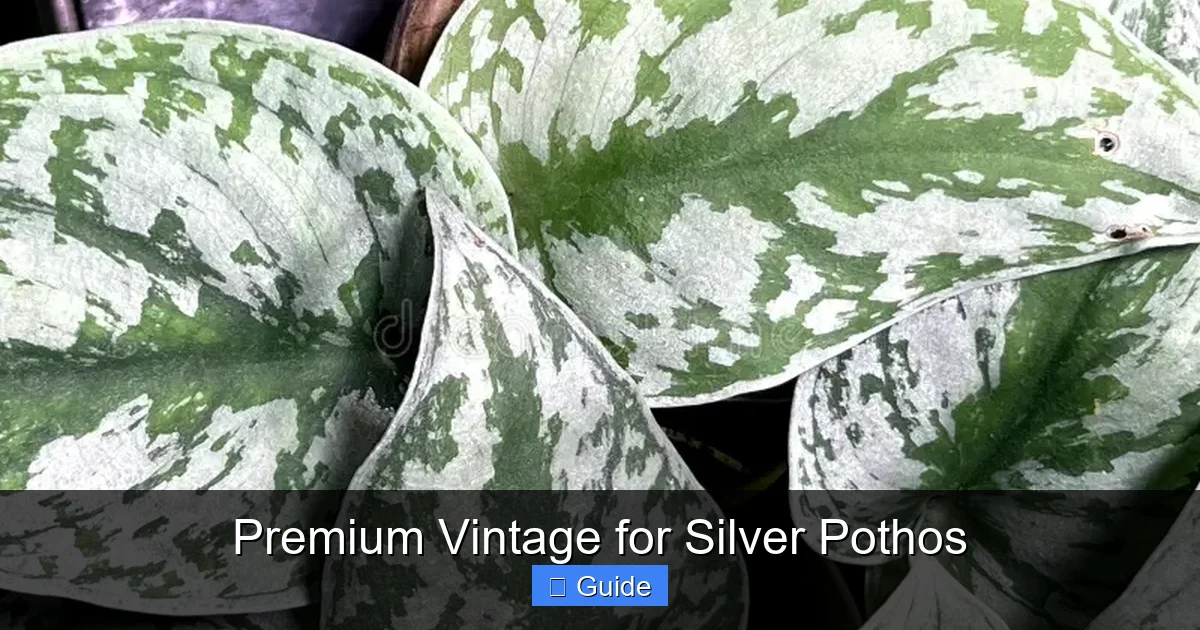
Premium vintage for silver pothos refers to mature, well-established specimens with exceptional variegation and robust growth. These prized plants showcase the signature silvery-green marbling that makes Scindapsus pictus a collector favorite.
There is something magical about a mature silver pothos. The way those heart-shaped leaves catch the light. The silvery patches that seem to shimmer. A premium vintage for silver pothos is not just a plant. It is a living piece of art. These specimens have been nurtured for years. They show off the best traits of Scindapsus pictus. Deep green backgrounds. Bold silver variegation. Thick stems. Large leaves. If you have ever seen one in person, you know the appeal.
I remember the first time I held a truly premium vintage for silver pothos. The leaves felt substantial. Almost leathery. The variegation was not sparse. It covered each leaf in intricate patterns. That plant had presence. It commanded the room. Since then, I have learned what it takes to grow and maintain these beauties. It is not complicated. But it does require consistency. And a bit of knowledge. Let me share everything I know about caring for these stunning plants.
Key Takeaways
- Light matters most: Bright indirect light preserves the stunning silver variegation that defines premium vintage specimens.
- Water wisely: Allow the top inch of soil to dry between waterings to prevent root rot in mature plants.
- Humidity boosts growth: Silver pothos thrives at 50-60% humidity, developing larger leaves with more pronounced variegation.
- Support encourages maturity: Moss poles or trellises help premium vintage for silver pothos develop fenestrations and larger foliage.
- Propagate with patience: Stem cuttings with nodes root easily in water or sphagnum moss for expanding your collection.
- Watch for pests: Spider mites and mealybugs target the textured leaves of silver pothos varieties.
- Fertilize moderately: Monthly feeding during growing season supports the vigorous growth of established specimens.
Quick Answers to Common Questions
What defines a premium vintage silver pothos?
A premium vintage silver pothos is a mature, well-established Scindapsus pictus specimen with large leaves (4-6+ inches), abundant silver variegation, thick woody stems, and a full multi-vine growth habit developed over several years of optimal care.
How much light does a premium vintage silver pothos need?
Bright indirect light at 200-500 foot-candles is ideal. East or north-facing windows work well. South/west windows need sheer curtains. Insufficient light causes variegation loss and leggy growth with small leaves.
What is the best support for mature silver pothos growth?
A sphagnum moss pole is the gold standard. It mimics natural tree trunks, allows aerial roots to attach and absorb moisture/nutrients, and triggers maturity with larger leaves and potential fenestrations.
How often should I water a premium vintage silver pothos?
Water when the top inch of soil feels dry. Typically every 7-10 days in growing season, every 2 weeks in winter. Always check with your finger rather than following a rigid schedule.
Can I propagate a premium vintage silver pothos easily?
Yes, mature vines root readily in water, sphagnum moss, or directly in chunky soil mix. Take cuttings with 2-4 nodes for best results. Thick stems on vintage specimens provide energy reserves for faster rooting.
📑 Table of Contents
- Understanding What Makes a Silver Pothos Premium Vintage
- Light Requirements for Stunning Variegation
- Watering Wisdom for Established Specimens
- Humidity and Temperature for Tropical Perfection
- Support Systems for Mature Growth
- Soil Mix and Repotting for Long-Term Health
- Fertilizing for Sustained Excellence
- Propagation: Sharing the Vintage Legacy
- Common Pests and Problems
- Seasonal Care Calendar
- Displaying Your Living Treasure
- Advanced Tips for Collectors
- Troubleshooting Quick Reference
- Building Your Silver Pothos Collection
- Conclusion
Understanding What Makes a Silver Pothos Premium Vintage
Not every silver pothos earns the premium vintage label. The term describes plants that have reached a certain level of maturity and visual excellence. These are not fresh cuttings from a big box store. They are established specimens. Often several years old. They have been grown under optimal conditions. The result is a plant that shows the species at its absolute best.
The Telltale Signs of Quality
When you examine a premium vintage for silver pothos, certain characteristics stand out immediately. The leaves are larger than average. Often four to six inches long. Sometimes even bigger on very old specimens. The silver variegation is abundant. It appears as distinct patches, splashes, and marbling across the leaf surface. Not just a light dusting. The stems are thick and woody at the base. This indicates age and strong root development. The plant has a full, bushy growth habit. Multiple vines emerge from the soil. Each one vigorous and healthy.
Why Maturity Changes Everything
Young silver pothos plants look different from mature ones. Juvenile leaves are smaller. The variegation is often less pronounced. The iconic silver shimmer develops fully only with age and proper care. A premium vintage for silver pothos has gone through this transformation. It has reached its adult form. In nature, this happens when the plant climbs high into the canopy. The change in light triggers larger leaves. Sometimes even fenestrations. Those natural holes and splits in the leaf blade. Indoor plants can achieve this too. With the right support and conditions.
Varieties That Shine as Premium Vintage
Several Scindapsus pictus cultivars can become premium vintage specimens. The classic ‘Argyraeus’ is the most common. Its leaves feature a beautiful mix of green and silver. ‘Exotica’ boasts larger leaves with more extensive silver coverage. ‘Silvery Ann’ offers a lighter, almost frosted appearance. ‘Silver Lady’ is compact with intense variegation. Each variety develops its own character with age. A premium vintage for silver pothos of any cultivar is a treasure. But ‘Exotica’ and ‘Argyraeus’ are the most frequently seen in mature form.
Light Requirements for Stunning Variegation
Light is the single most important factor for a premium vintage for silver pothos. These plants need bright, indirect light to maintain their signature silver patterns. Too little light causes the variegation to fade. The plant reverts to solid green to maximize photosynthesis. Too much direct sun scorches the leaves. Brown crispy patches appear. The silvery areas are especially vulnerable. Finding the sweet spot makes all the difference.
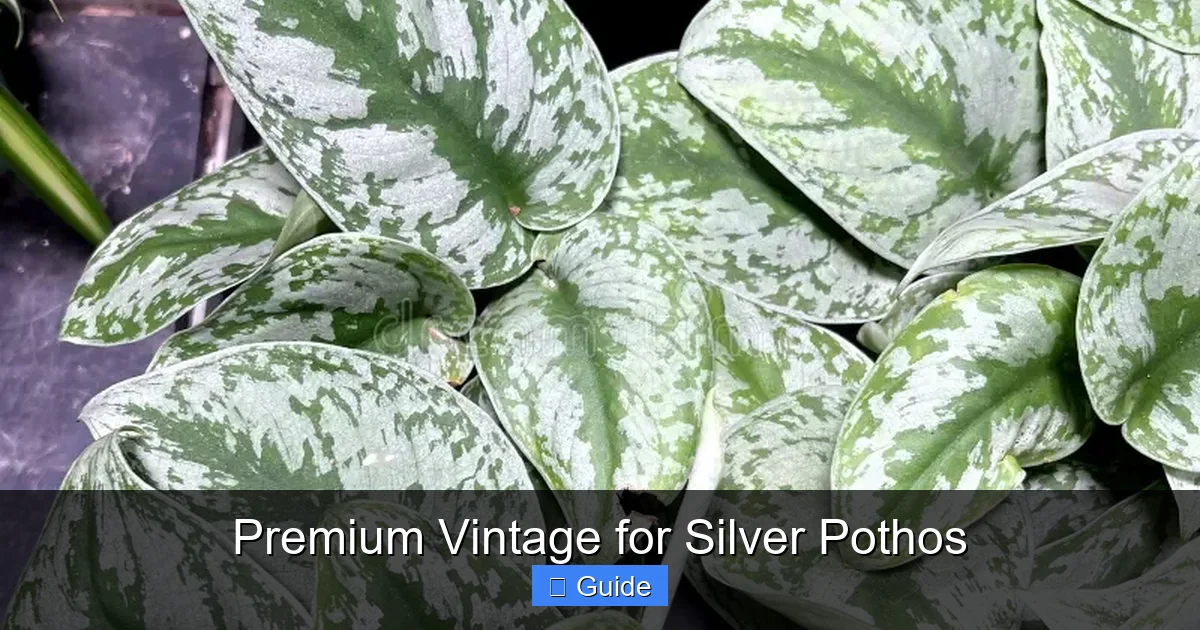
Visual guide about Premium Vintage for Silver Pothos
Image source: thumbs.dreamstime.com
Ideal Window Placement
An east-facing window is often perfect. Gentle morning sun. Bright indirect light for the rest of the day. North-facing windows work too. Especially in summer. The light is consistent but never harsh. South or west windows need filtering. A sheer curtain does the job beautifully. Place the plant a few feet back from the glass. This prevents heat buildup. And protects those precious silver patches from burning.
Measuring Light Levels
If you are unsure about your light, use a light meter. Or a smartphone app. Silver pothos thrives around 200 to 500 foot-candles. That is bright indirect light. Below 100 foot-candles, growth slows. Variegation diminishes. Above 1000, you risk leaf burn. A premium vintage for silver pothos will tell you if it is happy. New leaves emerge with strong silver markings. The plant grows steadily. Leggy growth with small leaves means more light is needed.
Supplemental Lighting Options
Grow lights are a game changer for premium vintage for silver pothos. Especially in winter. Or in darker homes. LED panels work well. Look for full spectrum lights. 4000K to 6500K color temperature. Position them twelve to eighteen inches above the plant. Run them twelve to fourteen hours daily. This mimics natural daylight. Your plant will thank you with continuous growth. Even through the dark months.
Watering Wisdom for Established Specimens
Watering a premium vintage for silver pothos requires a gentle touch. These plants have thick, succulent-like leaves. They store water. The roots prefer to dry out slightly between drinks. Overwatering is the fastest way to kill a mature specimen. Root rot sets in quickly. The woody base stems turn mushy. Leaves yellow and drop. It is heartbreaking to lose a plant that took years to grow.
The Finger Test Method
Forget schedules. Use your finger. Press it into the soil up to the first knuckle. If it feels dry, water thoroughly. If it feels moist, wait. Check again in a day or two. A premium vintage for silver pothos in a six-inch pot might need water every seven to ten days. In winter, maybe every two weeks. In summer heat, every five days. The plant dictates the schedule. Not the calendar.
Water Quality Matters
Tap water is usually fine. But if yours is heavily chlorinated or very hard, consider alternatives. Rainwater is excellent. Distilled water works too. Filtered water is a good middle ground. Silver pothos can be sensitive to mineral buildup. White crust on the soil surface signals excess salts. Flush the pot monthly. Run water through until it drains freely. This prevents root damage. And keeps your premium vintage for silver pothos thriving.
Seasonal Adjustments
Growth slows in winter. The plant uses less water. Reduce frequency. But do not let the soil go bone dry for weeks. The thick stems and leaves still need hydration. In spring, as new growth appears, increase watering. Summer heat and active growth mean more frequent checks. Fall brings another slowdown. Watch the plant. It will show you what it needs. Drooping leaves mean thirst. Yellowing lower leaves often mean too much water.
Humidity and Temperature for Tropical Perfection
Silver pothos comes from Southeast Asian rainforests. Warmth and humidity are in its DNA. A premium vintage for silver pothos performs best when you mimic those conditions. Average home humidity is often too low. Especially in winter with heating systems running. The plant survives. But it does not thrive. Leaf edges brown. New leaves emerge smaller. The signature silver shimmer dulls.
Target Humidity Range
Aim for fifty to sixty percent relative humidity. This is the sweet spot. A premium vintage for silver pothos will reward you with larger leaves. More intense variegation. Faster growth. Forty percent is the minimum. Below that, you will see stress signs. Crispy leaf tips. Curling edges. Slowed growth. A hygrometer helps you monitor. They are inexpensive. And invaluable for serious plant care.
Practical Humidity Solutions
Group plants together. They create a microclimate. Transpiration from multiple plants raises local humidity. Pebble trays work. Fill a tray with pebbles. Add water to just below the top. Set the pot on top. Not in the water. As water evaporates, humidity rises. Humidifiers are the gold standard. Especially for larger collections. A small unit near your premium vintage for silver pothos makes a noticeable difference. Misting helps briefly. But the effect fades fast. It is not a substitute for sustained humidity.
Temperature Preferences
Sixty-five to eighty-five degrees Fahrenheit. That is the ideal range. A premium vintage for silver pothos hates cold drafts. Keep it away from air conditioning vents. Drafty windows in winter. Exterior doors. Temperatures below fifty degrees cause damage. Blackened leaves. Stunted growth. Even death. Consistent warmth promotes steady growth. Nighttime drops of ten degrees are fine. Mimics nature. But sudden changes shock the plant.
Support Systems for Mature Growth
This is where many growers miss the mark. A premium vintage for silver pothos wants to climb. In nature, it scales tree trunks. Reaching for the canopy light. This climbing habit triggers maturity. Larger leaves. Thicker stems. Sometimes fenestrations. Without support, the plant trails. It stays in juvenile form. Leaves remain small. Variegation stays sparse. The premium vintage potential goes unrealized.
Moss Poles The Gold Standard
A sphagnum moss pole is the best support. It mimics a tree trunk. The aerial roots attach to the moist moss. They absorb water and nutrients directly. This fuels explosive growth. Make your own or buy one. Wrap sphagnum moss around a sturdy stake. Secure with fishing line or mesh. Keep the moss moist. Mist it regularly. Your premium vintage for silver pothos will root into it eagerly. The connection transforms the plant.
Alternative Support Options
Coir poles work well too. Coconut fiber over a PVC core. They hold moisture decently. But not as well as sphagnum. Wooden planks or bark slabs look natural. Attach the vine with soft ties. The plant will root into the rough surface. Trellises allow spreading growth. Good for a wall display. But they do not provide the moisture column that drives maturity. For a true premium vintage for silver pothos, a moist pole is superior.
Training Techniques
Start training early. But it is never too late. Gently wrap vines around the pole. Secure with velcro plant ties. Soft twine. Even strips of old t-shirt. Do not use wire. It cuts into stems. Position nodes against the moist surface. That is where roots emerge. Be patient. The plant decides when to attach. Once it does, growth accelerates. New leaves emerge larger. The premium vintage character develops faster.
Soil Mix and Repotting for Long-Term Health
The right soil makes caring for a premium vintage for silver pothos so much easier. These plants need excellent drainage. But also moisture retention. A paradox? Not really. The solution is a chunky, airy mix. Roots need oxygen. Soggy soil suffocates them. Yet the thick leaves want consistent hydration. The perfect balance exists. And you can create it easily.
The Ideal Mix Recipe
Start with high-quality potting soil. Two parts. Add one part orchid bark. Medium grade. One part perlite. Or pumice. Half part horticultural charcoal. Half part worm castings. This mix drains instantly. Yet holds moisture in the bark and castings. The charcoal prevents fungal issues. The castings feed gently. A premium vintage for silver pothos will explode in this medium. Roots grow thick and white. Healthy and strong.
When to Repot
Mature plants need repotting less often. Every two to three years. Or when roots circle the pot densely. Spring is the best time. The plant is entering active growth. It recovers fast. Choose a pot only one to two inches larger. Too much soil stays wet too long. Terracotta is ideal. It breathes. It wicks excess moisture. Plastic works too. Just adjust watering. Always use a pot with drainage holes. No exceptions for a premium vintage for silver pothos.
Repotting Step by Step
Water the plant a day before. Moist soil holds the root ball together. Gently remove from the old pot. Loosen the root ball slightly. Tease out circling roots. Trim any dead or mushy ones. Place a layer of fresh mix in the new pot. Set the plant at the same depth. Fill around the sides. Tap the pot to settle. Do not pack tight. Air pockets are good. Water thoroughly. Let drain completely. Keep in shade for a few days. Then return to its spot.
Fertilizing for Sustained Excellence
A premium vintage for silver pothos has more biomass to support. More leaves. Thicker stems. A larger root system. It benefits from regular feeding. But moderation is key. Too much fertilizer burns roots. Causes salt buildup. Leads to brown leaf tips. Weak, leggy growth. The goal is steady, strong development. Not forced speed.
Choosing the Right Fertilizer
Balanced liquid fertilizer. Twenty-twenty-twenty. Or a foliage formula like three-one-two. Dilute to half strength. Or even quarter strength. Apply monthly during spring and summer. Every six weeks in fall. Stop in winter. Organic options work beautifully. Fish emulsion. Seaweed extract. Worm casting tea. They feed the soil microbiome too. A premium vintage for silver pothos responds well to gentle, consistent nutrition.
Signs of Nutrient Needs
Pale new leaves. Slow growth despite good light and water. Small leaves on mature vines. These suggest hunger. Yellowing between leaf veins on older leaves. That can mean magnesium deficiency. Epsom salts help. One teaspoon per gallon monthly. Brown crispy tips often mean fertilizer burn. Flush the soil. Reduce concentration. A premium vintage for silver pothos communicates clearly. Learn its language.
Foliar Feeding Bonus
Spray diluted fertilizer on leaves. Early morning. Stomata are open. Absorption is direct. Use quarter strength. Once a month. This supplements root feeding. Especially helpful when the plant is root-bound. Or recovering from stress. The thick leaves of a premium vintage for silver pothos absorb nutrients efficiently. You will see a glow in the foliage. The silver patches seem to brighten.
Propagation: Sharing the Vintage Legacy
One of the joys of a premium vintage for silver pothos is propagation. You can create new plants. Share with friends. Build your collection. Or sell valuable cuttings. Mature vines root readily. The nodes are well-developed. Success rates are high. It is deeply satisfying to watch a cutting grow into a new vintage specimen.
Water Propagation Basics
Take cuttings with at least two nodes. Three or four is better. Remove the bottom leaf. Submerge the nodes in water. Keep leaves above water. Change water weekly. Bright indirect light. Roots appear in two to four weeks. Wait until roots are two to three inches long. Then pot in soil. A premium vintage for silver pothos cutting often roots faster than juveniles. The stored energy in thick stems fuels rapid development.
Sphagnum Moss Method
Many collectors prefer moss. It transitions to soil easier. Wrap damp sphagnum around the nodes. Place in a clear container. Or a propagation box. High humidity speeds rooting. Keep moss moist not soggy. Open daily for air exchange. Roots grow into the moss. When substantial, plant the whole thing. Moss and all. Less transplant shock. Your premium vintage for silver pothos babies establish quickly.
Soil Propagation Direct
Plant cuttings directly in moist perlite. Or the chunky mix described earlier. Use a humidity dome. Or a plastic bag. Vent daily. Keep warm. Bright indirect light. Roots form in the medium. No transition needed. This works well for thicker cuttings from a premium vintage for silver pothos. The woody stems have reserves to sustain them while rooting.
Common Pests and Problems
Even a well-cared premium vintage for silver pothos can face issues. Early detection saves plants. Regular inspection is part of the routine. Check leaves top and bottom. Examine stems. Look at the soil surface. Know the enemy. Act fast.
Spider Mites The Silent Destroyers
Tiny. Almost invisible. They suck chlorophyll from leaves. Fine webbing appears. Leaves develop stippled yellow patterns. Silver areas turn gray. They love dry conditions. High humidity deters them. If you see them, act immediately. Spray the plant thoroughly. Top and bottom of leaves. Insecticidal soap. Neem oil. Repeat weekly for three weeks. Quarantine the plant. Check neighbors. A premium vintage for silver pothos recovers well if caught early.
Mealybugs Cottony Invaders
White fuzzy clusters. Leaf axils. Stem joints. Undersides of leaves. They excrete honeydew. Sooty mold follows. Ants may appear. Remove visible bugs with alcohol on a cotton swab. Spray with neem oil. Systemic granules in soil work for severe cases. Persistence wins. A premium vintage for silver pothos has many hiding spots. Check thoroughly. Treat repeatedly.
Root Rot The Hidden Killer
Yellowing leaves. Mushy stems. Foul soil smell. Black roots. Caused by overwatering. Poor drainage. No drainage holes. If caught early, unpot. Trim rotten roots. Dust with cinnamon. Repot in fresh dry mix. Withhold water for a week. A premium vintage for silver pothos with thick stems can sometimes be saved by cutting above the rot. Reroot the top. The legacy continues.
Leaf Issues Decoded
Brown crispy tips. Low humidity. Or fertilizer burn. Or underwatering. Yellow lower leaves. Natural aging. Or overwatering. Or nitrogen deficiency. Curling leaves. Thirst. Or pests. Or cold damage. Small new leaves. Low light. Or root bound. Or nutrient poor. A premium vintage for silver pothos speaks through its leaves. Learn the dialect. Respond appropriately.
Seasonal Care Calendar
A premium vintage for silver pothos has different needs through the year. Aligning care with seasons prevents problems. Maximizes growth. Keeps the plant looking its best. This calendar assumes northern hemisphere seasons. Adjust for your location.
Spring Awakening
March through May. Growth accelerates. Increase watering frequency. Resume fertilizing. Monthly at half strength. Check for repotting needs. This is the time. Prune any leggy winter growth. Propagate cuttings. Add a moss pole if missing. Watch for pest emergence. A premium vintage for silver pothos explodes with new growth now. Support it fully.
Summer Vigilance
June through August. Peak growth. Water most frequently. Monitor for heat stress. Afternoon sun can burn even through windows. Move back if needed. Fertilize monthly. Humidity often drops with AC. Run humidifier. Check for spider mites weekly. They love hot dry air. A premium vintage for silver pothos can double in size this season. Enjoy the show.
Fall Transition
September through November. Growth slows. Reduce fertilizing. Every six weeks. Then stop. Water less often. Check soil before each drink. Bring outdoor plants in before fifty degrees. Inspect thoroughly for hitchhikers. Quarantine two weeks. A premium vintage for silver pothos prepares for rest. Help it ease in gently.
Winter Maintenance
December through February. Dormancy or slow growth. Water sparingly. But do not neglect. No fertilizer. Maximize light. Supplement if needed. Maintain humidity. Heating systems dry the air. Keep away from cold windows. Drafts. A premium vintage for silver pothos survives winter beautifully with minimal care. It gathers strength for spring.
Displaying Your Living Treasure
A premium vintage for silver pothos deserves a showcase. These plants are sculptural. Architectural. The vines can be styled dramatically. Or allowed to cascade elegantly. The display method affects growth too. Choose what fits your space. And your aesthetic.
Climbing Displays
A tall moss pole in a decorative pot. The plant becomes a column of green and silver. Place in a bright corner. Near a window. But not touching glass. Rotate weekly for even growth. The vines climb upward. Leaves flatten against the pole. Showing off the variegation. A premium vintage for silver pothos on a pole is a statement piece. Living art.
Trailing Elegance
High shelf. Hanging basket. Wall-mounted planter. Vines cascade downward. Gravity pulls them. Leaves hang naturally. The silver undersides catch light. Create a curtain effect. Multiple plants at different heights. A premium vintage for silver pothos trailing three feet is breathtaking. Just remember. Trailing keeps the plant juvenile. Leaves stay smaller. Variegation less intense. Trade-offs exist.
Wall Trellis Systems
Mount a wooden trellis. Or wire grid. Train vines horizontally. Then up. Create patterns. Geometric shapes. The plant becomes a living tapestry. Secure with clear command hooks. Or plant ties. A premium vintage for silver pothos on a wall transforms a room. It connects you to nature daily. Guests always ask about it.
Advanced Tips for Collectors
Once you master the basics, you can push further. Coax even more from your premium vintage for silver pothos. These techniques separate good growers from great ones. They require observation. Experimentation. Patience. But the results speak for themselves.
Encouraging Fenestrations
Those dramatic leaf splits. Holes. They signal true maturity. Not all silver pothos develop them. But a premium vintage for silver pothos can. The triggers are consistent. Bright light. High humidity. Vertical support. Time. Years sometimes. Do not force it. Provide the conditions. The plant decides. When fenestrations appear, celebrate. You have achieved something special.
Variegation Management
Sometimes a vine reverts. Produces all-green leaves. It happens. The plant is conserving energy. Or responding to lower light. Prune reverted stems back to variegated nodes. Increase light slightly. A premium vintage for silver pothos wants to be variegated. It just needs encouragement. Pure silver leaves occasionally appear. They are beautiful. But they lack chlorophyll. They drain the plant. Remove them if numerous. Keep a few for show.
Creating a Mother Plant
Designate your best specimen as a mother. Give it prime conditions. Largest pot. Best light. Consistent care. Take cuttings regularly. But never more than one-third of the vine. A premium vintage for silver pothos mother plant becomes a propagation factory. It funds your hobby. Gifts your friends. Builds your reputation. The original plant stays magnificent. It is a sustainable cycle.
Troubleshooting Quick Reference
Even experienced growers face puzzles. Here are rapid solutions for common scenarios with a premium vintage for silver pothos.
Sudden Leaf Drop
Shock. Temperature change. Draft. Repotting stress. Overwatering. Identify the trigger. Stabilize conditions. The plant will recover. New growth appears in weeks.
Leggy Growth with Small Leaves
Insufficient light. Move closer to window. Add grow light. Prune leggy stems. Root cuttings. Replant in same pot for fullness. A premium vintage for silver pothos responds fast to better light.
Loss of Variegation
Too little light. Or genetic reversion. Increase light gradually. Prune solid green stems. Propagate variegated sections. The premium vintage character returns with proper light.
Stunted New Growth
Root bound. Nutrient depleted. Or pest infestation. Check roots. Repot if needed. Fertilize. Inspect for mealybugs in root ball. A premium vintage for silver pothos grows vigorously when happy.
Building Your Silver Pothos Collection
One premium vintage for silver pothos leads to another. The genus Scindapsus offers incredible variety. Each species and cultivar has unique charm. Building a collection teaches you the subtle differences. Deepens your appreciation. Connects you with other collectors.
Companion Species to Seek
Scindapsus treubii ‘Moonlight’ has stunning silver leaves. Almost metallic. ‘Dark Form’ is deep green with subtle shimmer. Scindapsus pictus ‘Jade Satin’ offers thick jade leaves. No silver. But incredible texture. Scindapsus lucens has bullate leaves. Quilted texture. Each becomes a premium vintage specimen with age. They share similar care. But each has personality.
Rare Finds Worth Hunting
Scindapsus pictus ‘Silver Hero’ is newer. Massive leaves. Intense variegation. ‘Platinum’ is ghostly pale. ‘Silver Splash’ has a unique speckled pattern. These command high prices. But they grow from cuttings. A premium vintage for silver pothos collector knows the thrill of the hunt. The joy of rooting a rare cutting. Watching it mature.
Community and Resources
Join online groups. Facebook. Reddit. Instagram. Local plant swaps. Botanical society meetings. Share photos. Ask questions. Trade cuttings. A premium vintage for silver pothos enthusiast community is welcoming. Generous. Knowledgeable. You will learn tricks no article teaches. Make friends who understand the obsession.
Conclusion
A premium vintage for silver pothos is more than a houseplant. It is a relationship. Years of care. Mutual growth. The plant watches you. You watch it. You learn its rhythms. It learns your schedule. The silver patches on those heart-shaped leaves become familiar friends. You notice when a new leaf unfurls. The anticipation. The reveal. The signature shimmer.
Caring for these plants teaches patience. Observation. Responsiveness. The skills transfer to everything. Gardening. Relationships. Work. Life. A premium vintage for silver pothos rewards consistency. Punishes neglect. But always offers redemption. Cut it back. Repot it. Move it. It adapts. It survives. It thrives.
If you are just starting, begin with a healthy juvenile. Give it the light. The support. The humidity. The chunky soil. The gentle watering. The monthly feeding. Watch it transform. Year one. Year two. Year three. Suddenly you realize. You have grown a premium vintage for silver pothos. Your hands did that. Your attention. Your care.
And if you already have one? Cherish it. Optimize its conditions. Propagate it. Share it. There is always another level. Another leaf. Another season. The journey never ends. That is the beauty of it.
Your premium vintage for silver pothos is waiting. Right now. In its pot. On its pole. In your light. Growing. Becoming. All it needs is you.
Frequently Asked Questions
Why is my premium vintage silver pothos losing its variegation?
Loss of variegation typically indicates insufficient light. Move the plant to a brighter location with indirect light, or add a grow light. Prune reverted all-green stems back to variegated nodes to encourage patterned growth.
What humidity level is best for a premium vintage silver pothos?
Target 50-60% relative humidity for optimal growth and variegation intensity. Below 40%, leaf edges brown and curl. Use a humidifier, pebble tray, or plant grouping to maintain consistent moisture in the air.
When should I repot my mature silver pothos?
Repot every 2-3 years in spring, or when roots densely circle the pot. Choose a pot only 1-2 inches larger with drainage holes. Use a chunky, well-draining mix with orchid bark, perlite, and worm castings.
How do I get my silver pothos to develop fenestrations?
Fenestrations (leaf splits/holes) develop with maturity triggered by consistent bright light, high humidity (50%+), vertical support (moss pole), and time—often several years. Provide these conditions consistently and be patient.
What causes brown crispy tips on my premium vintage silver pothos?
Brown tips usually indicate low humidity, fertilizer burn, or underwatering. Increase humidity to 50%+, flush soil monthly to remove salt buildup, and ensure consistent watering when the top inch of soil is dry.
Can a premium vintage silver pothos tolerate low light conditions?
It will survive but not thrive. Low light causes variegation loss, leggy growth with small leaves, and dramatically slowed growth. For a premium vintage specimen to maintain its character, bright indirect light is essential.