Essential Drip for Haworthia Fasciata Health
The essential drip for Haworthia fasciata health mimics natural rainfall patterns to prevent root rot and promote strong growth. This guide covers setup, timing, seasonal adjustments, and common mistakes so your zebra plant stays vibrant and healthy all year.
Key Takeaways
- Mimic nature: The essential drip for Haworthia fasciata health copies light, infrequent desert rains that these succulents evolved to love.
- Prevent rot: Slow, targeted watering keeps moisture off leaves and crowns where rot starts.
- Use the right tools: A narrow-spout can or drip tubing gives you control that a regular watering can cannot.
- Watch the calendar: Cut back in summer dormancy and winter rest. Ramp up in spring and fall growth periods.
- Check soil first: Only water when the top two inches feel completely dry to the touch.
- Adjust for pot size: Small pots dry faster. Large pots hold moisture longer. Match your drip schedule to the container.
- Observe your plant: Plump, firm leaves mean you nailed it. Wrinkled or mushy leaves mean you need to tweak the routine.
Quick Answers to Common Questions
How often should I water Haworthia fasciata using the drip method?
Only when the top two inches of soil feel completely dry. This ranges from every five days in spring to once a month in winter.
Can I use tap water for the essential drip?
Yes, but let it sit overnight to dissipate chlorine. Rainwater or distilled water is better for preventing mineral buildup.
What time of day is best for drip watering?
Morning is ideal. Any accidental splash on leaves has all day to evaporate, preventing fungal issues.
Should I water less during summer heat?
Yes. Haworthia fasciata enters summer dormancy above eighty degrees. Cut watering frequency in half during hot months.
How do I know if my drip volume is correct?
Water until you see moisture exit the drainage holes. Note the drop count or time. Use that as your baseline for that pot size.
📑 Table of Contents
- Why Watering Haworthia Fasciata Feels Tricky
- Understanding Haworthia Fasciata Water Needs
- What Is the Essential Drip Method?
- Setting Up Your Essential Drip System
- Timing and Frequency for Optimal Health
- Common Mistakes and How to Avoid Them
- Seasonal Adjustments for Year-Round Success
- Troubleshooting Your Drip Routine
- Advanced Tips for the Devoted Grower
- Conclusion: Your Zebra Plant Deserves the Best
Why Watering Haworthia Fasciata Feels Tricky
You bought a beautiful zebra plant. Those striking white stripes on deep green leaves caught your eye. You brought it home, gave it a sunny spot, and waited for it to thrive. Then the leaves got mushy. Or they wrinkled up like raisins. Sound familiar?
Here is the thing. Haworthia fasciata comes from South Africa. In the wild, it gets rare but intense rain. Then the soil dries fast. The plant stores water in its thick leaves. It does not want wet feet. It does not want water sitting in its crown. Most of us kill these plants with kindness. We water on a schedule. We water from above. We water too much.
The essential drip for Haworthia fasciata health changes all that. It is not a product. It is a method. A slow, deliberate way to deliver water right to the roots. Nothing on the leaves. Nothing in the center. Just moisture where the plant can use it. Let me walk you through exactly how to do it.
Understanding Haworthia Fasciata Water Needs
Desert Roots, Houseplant Life
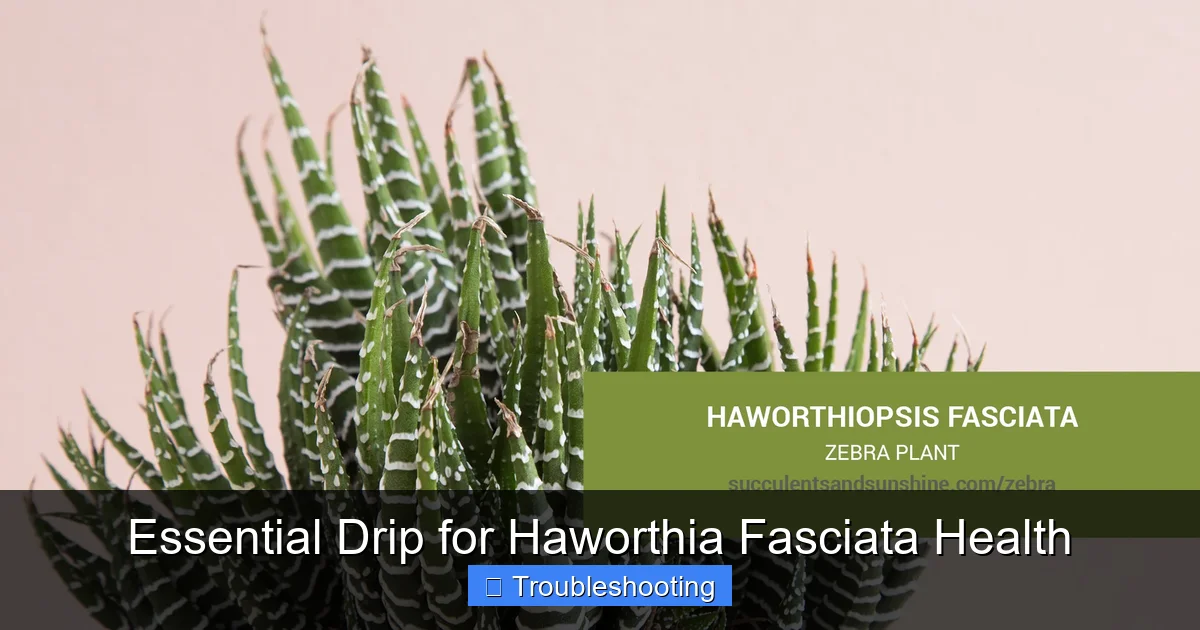
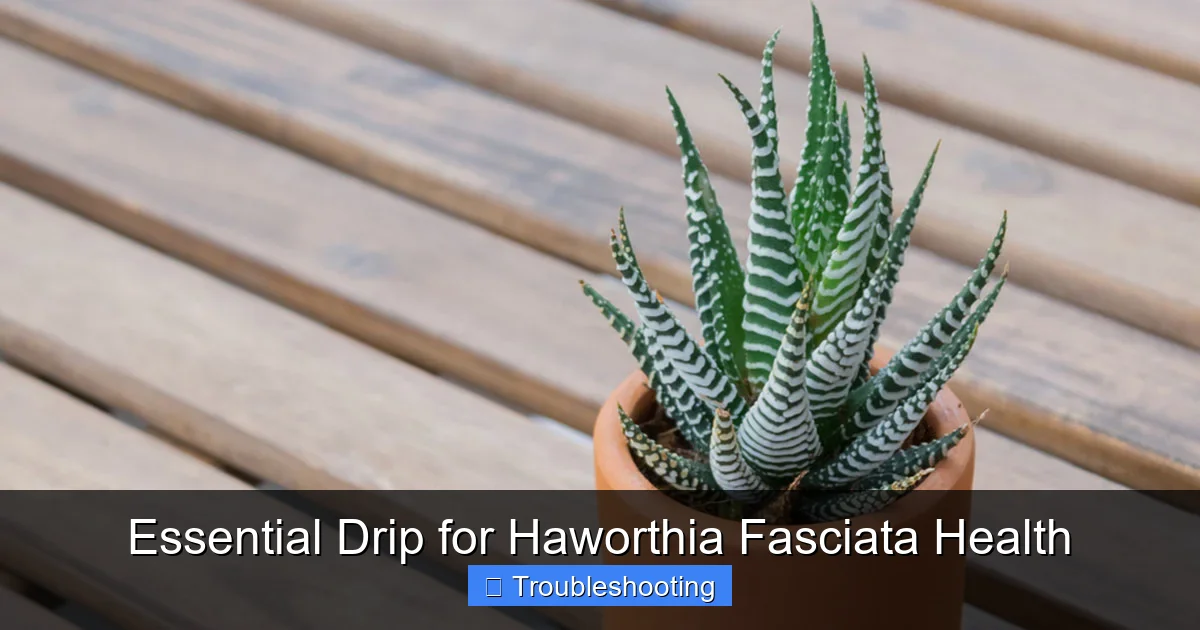
Your zebra plant has shallow roots. They spread wide, not deep. In nature, a brief shower wets the top layer of gritty soil. The roots drink fast. Then the sun bakes the surface dry. The plant lives on stored moisture until the next rain.
Visual guide about Essential Drip for Haworthia Fasciata Health
Image source: essentialhomeandgarden.com
In a pot, things change. Soil stays wet longer. Air flow is less. The crown, that tight center where new leaves emerge, traps water. That trapped water invites fungus. Rot starts there and spreads down. Before you know it, the plant collapses.
Signs Your Watering Is Off
Overwatered plants feel soft. Leaves turn translucent. They may yellow at the base. A gentle tug pulls the whole plant out. Roots are brown and mushy. Underwatered plants shrink. Leaves wrinkle. Tips turn brown and crispy. The plant looks deflated. Both look sad. Both are fixable if you catch them early.
Why Top Watering Fails
When you pour water over the top, three things happen. Water pools in the crown. Water splashes on leaves. Water runs down the sides of the pot, missing the root ball entirely. The essential drip for Haworthia fasciata health avoids all three problems. You control every drop.
What Is the Essential Drip Method?
Slow Delivery, Deep Satisfaction
Think of a drip irrigation system for a garden. Now shrink it to pot size. You apply water drop by drop. The soil absorbs each one. No runoff. No pooling. The moisture travels straight down to the root zone. The surface stays relatively dry. The crown stays bone dry.
Visual guide about Essential Drip for Haworthia Fasciata Health
Image source: shuncy.com
Tools You Can Use
You do not need fancy gear. A narrow-spout watering can works. So does a squeeze bottle with a long neck. Some growers use IV drip tubing from a medical supply store. A turkey baster works in a pinch. The key is control. You want to place each drop exactly where you want it.
The Science Behind the Drip
Capillary action pulls water sideways and down through soil particles. When you add water slowly, the soil matrix stays intact. Air pockets remain. Roots need oxygen as much as they need water. A fast pour collapses those pockets. The essential drip for Haworthia fasciata health preserves soil structure. Your roots breathe. They grow stronger. The plant gets plumper.
Setting Up Your Essential Drip System
Choose Your Delivery Tool
Start simple. A one-liter watering can with a spout no wider than a pencil lead. Metal or plastic, either works. If you have many plants, consider a drip manifold. That is a main tube with small tubes branching to each pot. You open a valve. Each plant gets its share. For a few plants, the can is perfect.
Prepare Your Workspace
Move plants to a sink or tray. You want to see water exit the drainage holes. That tells you the root zone is saturated. Keep a towel handy. Wipe any splash immediately. Have a moisture meter or wooden skewer ready. You will test soil depth after watering.
Position the Spout
Insert the spout at the soil edge. Not the center. Not on the leaves. Aim for the gap between soil and pot wall. Tilt the pot slightly if needed. You want water to spiral down the inside wall, wetting the outer root zone first. Then it moves inward. This mimics rain hitting the ground around the plant base.
Count Your Drops
This sounds tedious. It teaches you volumes. For a four-inch pot, start with fifty drops. Wait two minutes. Add fifty more. Repeat until you see drainage. Note the total. That is your baseline. Next time, you can pour a steady thin stream for the same duration. The essential drip for Haworthia fasciata health becomes second nature.
Timing and Frequency for Optimal Health
The Finger Test Never Lies
Forget the calendar. Stick your finger in the soil. Two inches down. If it feels cool and damp, wait. If it feels dry and warm, water. In summer, that might be every five days. In winter, every three weeks. The plant dictates the schedule. Not you.
Morning Is Best
Water early. The day ahead offers light and airflow. Any accidental moisture on leaves evaporates. Evening watering leaves dampness overnight. Fungi love that. If morning is impossible, midday works. Just avoid night.
Growth vs. Dormancy Cycles
Haworthia fasciata grows in spring and fall. It slows in summer heat. It rests in winter cold. During active growth, the soil dries faster. The plant uses more water. During dormancy, it barely drinks. The essential drip for Haworthia fasciata health respects these cycles. Cut volume and frequency in half during summer and winter. Resume normal rates in April and October.
Pot Size Changes Everything
A two-inch pot dries in two days. A six-inch pot takes two weeks. Same plant, same soil, different volume. Always test each pot individually. Do not water the whole collection on one day just because one plant is ready. That is how rot spreads.
Common Mistakes and How to Avoid Them
Mistake One: Watering on a Schedule
“I water every Sunday.” That sentence kills more succulents than anything else. Weather changes. Humidity changes. Light changes. Your plant’s thirst changes. The essential drip for Haworthia fasciata health demands observation. Check each plant. Water only the thirsty ones.
Mistake Two: Misting the Leaves
Misting feels gentle. It raises humidity. It also leaves water droplets in leaf axils. Those droplets become rot incubators. Haworthia does not need high humidity. It needs dry air and wet roots. Keep the leaves dry. Always.
Mistake Three: Using Ice Cubes
Someone on social media said ice cubes prevent overwatering. They also shock tropical roots. Cold water damages root tips. The plant cannot absorb it efficiently. Use room temperature water. Let tap water sit overnight if your chlorine levels are high. Rainwater is ideal. Distilled works too.
Mistake Four: Ignoring Drainage
No drainage hole? Drill one. Or use a cache pot. Put the plant in a plastic nursery pot with holes. Set that inside the pretty pot. Empty the cache pot after every watering. Standing water at the bottom wicks back up. The essential drip for Haworthia fasciata health requires an exit strategy for excess moisture.
Mistake Five: Wrong Soil Mix
Standard potting soil holds too much water. You need grit. Mix one part potting soil with two parts pumice, perlite, or coarse sand. The mix should feel loose. Water should run through in seconds. If water sits on top, your mix is too dense. Repot immediately.
Seasonal Adjustments for Year-Round Success
Spring Wake-Up
Days lengthen. Temperatures rise. New growth appears at the center. This is your signal. Increase watering frequency. The soil will dry faster. Check every three days. The essential drip for Haworthia fasciata health ramps up gradually. Do not jump from winter schedule to summer schedule in one week.
Summer Slowdown
Above eighty degrees Fahrenheit, Haworthia pauses. It conserves energy. Growth stops. Water needs drop sharply. Check weekly. Water only when soil is bone dry two inches down. Keep the plant in bright shade. Direct afternoon sun can scorch leaves even on a well-watered plant.
Fall Growth Spurt
Cooler nights trigger a second growth wave. This is often the best looking time of year. Leaves plump up. Colors deepen. Offset production peaks. Match your watering to this energy. Check every four days. The essential drip for Haworthia fasciata health supports this flush without drowning it.
Winter Rest
Short days. Cool temps. The plant sleeps. Water maybe once a month. Some growers skip December through February entirely. If your home is warm and bright, the plant may not fully dormant. Adjust accordingly. But err on the side of dry. A wrinkled leaf in February recovers in March. A rotted crown in February is gone forever.
Troubleshooting Your Drip Routine
Leaves Still Wrinkling After Watering
You watered. Two days later, leaves are soft and folded. Check the roots. Gently unpot. Are they white and firm? Good. The plant may be root bound. Repot into a slightly larger container. Are they brown and hollow? Root rot. Trim dead roots. Dust cuts with cinnamon. Repot in fresh dry mix. Wait five days before first drip.
Lower Leaves Turning Yellow and Mushy
Classic overwatering. Stop watering immediately. Increase airflow. Move to brighter light. If only a few leaves, pluck them. If the center is soft, behead the plant. Cut above the rot. Let the top callus for a week. Root in dry perlite. The essential drip for Haworthia fasciata health starts fresh with the new roots.
White Crust on Soil Surface
Mineral buildup from tap water. It blocks water penetration. Scrape off the top quarter inch. Replace with fresh grit. Flush the pot monthly with a heavy drip session. Use rainwater or distilled for regular watering. Your plant will thank you.
Offsets Crowding the Mother
Babies are great. Too many babies steal water and nutrients. Separate them when they have their own roots. Pot individually. Each gets its own drip schedule. The mother recovers faster. The babies establish quicker.
Advanced Tips for the Devoted Grower
Bottom Watering as Backup
Once a month, try bottom watering. Set the pot in a tray of water. Let the soil wick moisture up for ten minutes. Remove. Drain fully. This ensures the very bottom roots get a drink. It also flushes salts downward. Do not leave the pot sitting in water. That defeats the purpose.
Fertilizing Through the Drip
Use a balanced succulent fertilizer at quarter strength. Add it to your drip water three times during spring growth. Three times during fall growth. Never in summer or winter. The essential drip for Haworthia fasciata health delivers nutrients right to the root zone. No leaf burn. No waste.
Tracking with a Journal
Note the date. Note the pot. Note drops used. Note soil dry time. Patterns emerge. You learn your plants. You predict needs. A simple notebook beats memory every time. After a year, you will water with confidence, not guesswork.
Grouping by Thirst
Place similar-sized pots together. Water the group on the same cycle. Isolate the oddballs. A tiny offset in a two-inch pot next to a mother in a six-inch pot creates conflict. One stays wet. One stays dry. Separate them. Manage each on its own terms.
Conclusion: Your Zebra Plant Deserves the Best
You now know the essential drip for Haworthia fasciata health inside and out. You understand why top watering fails. You have the tools. You have the schedule. You know the seasons. You can spot trouble early. Most importantly, you respect the plant’s nature.
This method takes a little more time. A little more attention. The payoff is a plant that looks like it grew in a South African rock crevice. Firm leaves. Sharp stripes. Steady offsets. No rot. No guesswork. Start tomorrow. Pick your thirstiest plant. Count fifty drops. Watch it respond. You will never go back to the old way.
Your Haworthia fasciata is not just decor. It is a living sculpture shaped by your care. Give it the essential drip. Watch it thrive. Share a cutting with a friend. Teach them the method. Good growing habits spread faster than bad ones. Happy watering.
Frequently Asked Questions
What is the essential drip for Haworthia fasciata health?
The essential drip for Haworthia fasciata health is a slow, targeted watering method that delivers water drop by drop directly to the soil at the pot’s edge. It keeps the crown and leaves completely dry while saturating the root zone, mimicking the rare but intense desert rains this succulent evolved to absorb.
Can I use a regular watering can for the essential drip method?
You can, but only if it has a very narrow spout no wider than a pencil lead. Standard watering cans release water too fast and too wide, risking crown rot and leaf splash. A squeeze bottle, turkey baster, or IV drip tubing offers better control for the essential drip technique.
How do I adjust the essential drip for Haworthia fasciata health in winter?
During winter dormancy, reduce watering to once a month or less. Only water when the soil is bone dry two inches deep. The plant uses minimal moisture in cool, low light conditions. Overwatering in winter is the most common cause of fatal root rot.
Why are my Haworthia leaves wrinkling even after drip watering?
Wrinkling after watering usually means the roots cannot absorb water. Check for root rot by gently unpotting. Healthy roots are white and firm. Rotted roots are brown and hollow. If rot is present, trim dead roots, let the plant callus, and re-root in dry, gritty mix before resuming the essential drip.
Should I fertilize when using the essential drip method?
Yes, but sparingly. Add a quarter-strength balanced succulent fertilizer to your drip water three times in spring and three times in fall during active growth. Never fertilize in summer dormancy or winter rest. The essential drip delivers nutrients efficiently without leaf burn.
What soil mix works best with the essential drip for Haworthia fasciata health?
Use one part potting soil to two parts pumice, perlite, or coarse sand. The mix should drain in seconds and feel loose. Dense soil holds water too long, defeating the precision of the essential drip. Repot immediately if water pools on the surface instead of soaking in rapidly.