Buy Coral Bells Plants Online
Buy coral bells plants online to enjoy a huge selection of colorful Heuchera varieties delivered to your door. This guide covers what to look for, trusted retailers, care after arrival, and creative garden designs.
Key Takeaways
- Wide variety: Online stores offer more cultivars than most local nurseries.
- Quality checks: Look for healthy root systems, disease‑free foliage, and clear shipping policies.
- Reputable sellers: Choose retailers with strong reviews, guarantees, and fast shipping.
- Proper planting: Prepare soil, water deeply, and mulch after planting for best results.
- Design flexibility: Coral bells work in shade beds, containers, borders, and rock gardens.
- Common pitfalls: Avoid ordering in extreme heat, ignoring hardiness zones, and skipping acclimation.
- Long‑term care: Regular division, fertilizing, and pest monitoring keep plants thriving for years.
Quick Answers to Common Questions
Can I buy coral bells plants online year‑round?
Most retailers ship in spring and fall to avoid extreme temperatures. Check each seller’s shipping calendar before ordering.
What size pot should I choose for a container display?
A 12‑inch diameter pot works well for a single mature coral bells. Ensure the container has drainage holes.
How often should I divide coral bells?
Divide every three to four years in early spring or fall to maintain vigor and prevent overcrowding.
Do coral bells need full sun?
They prefer partial shade. Too much direct sun can scorch the foliage, especially in hot climates.
Are coral bells deer resistant?
Yes, deer typically avoid coral bells because of their bitter-tasting foliage.
📑 Table of Contents
Why Choose Coral Bells for Your Garden
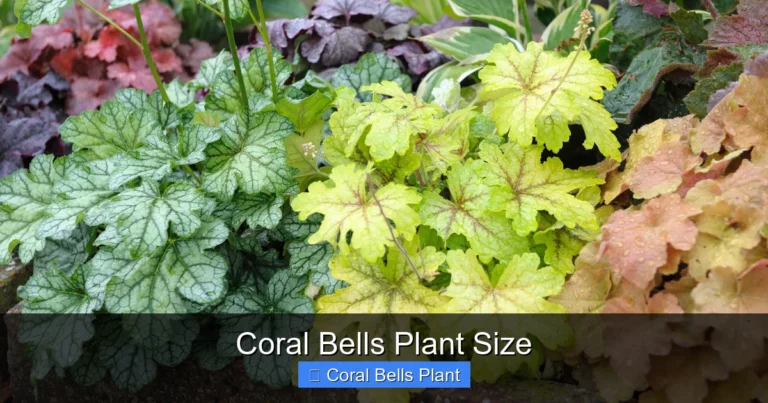
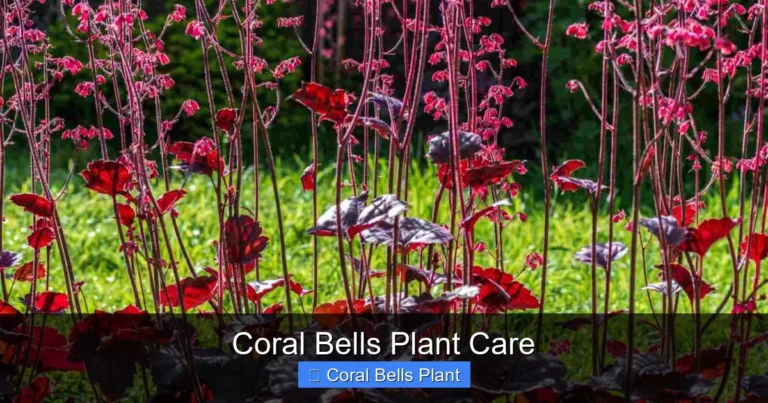
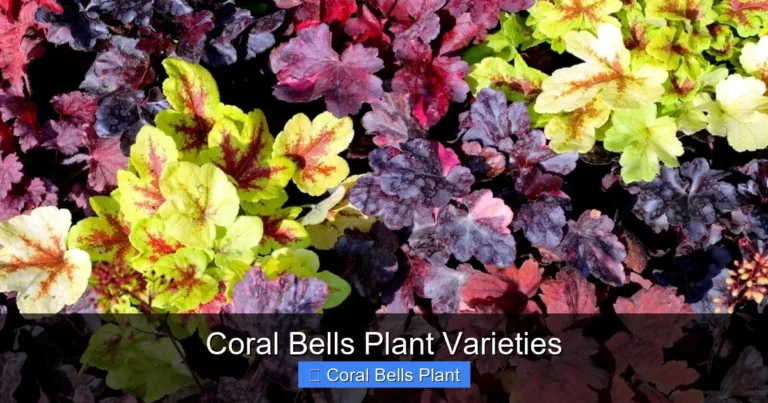
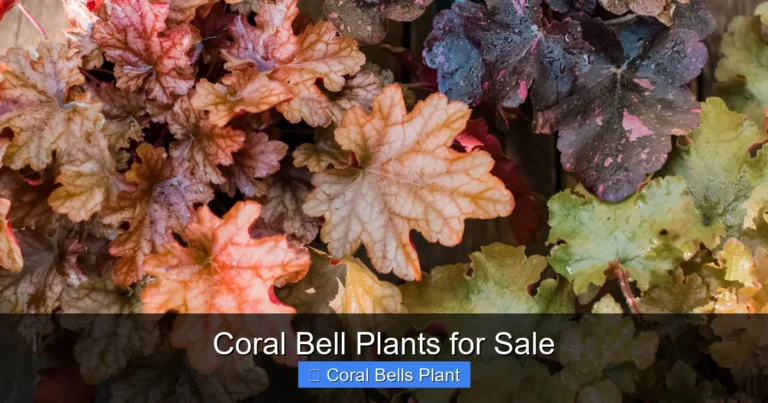
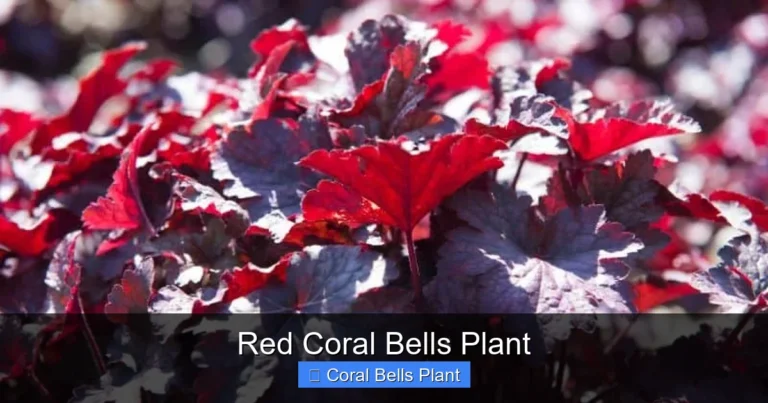
Coral bells, also known as Heuchera, bring year‑round foliage color to any landscape. Their leaves range from deep burgundy to bright lime, and they produce delicate flower spikes in late spring. These perennials thrive in partial shade, making them perfect for spots where other plants struggle. When you decide to buy coral bells plants online, you unlock a palette that local garden centers rarely stock.
Gardeners love coral bells because they are low maintenance once established. They tolerate a range of soil types, resist deer, and attract pollinators with their tiny blooms. Their compact habit fits neatly into borders, containers, and rock gardens. If you want a plant that offers texture, color, and versatility, coral bells are a top choice.
Another advantage is their long season of interest. Even after flowers fade, the foliage remains vibrant through summer and into fall. Some varieties develop richer tones in cooler weather. This makes them a reliable backbone for seasonal garden designs.
What to Look for When You Buy Coral Bells Plants Online
Healthy Root Systems
Roots should be white, firm, and well‑developed. Avoid plants with mushy or brown roots, which indicate rot. Many reputable sellers show close‑up photos of the root ball before you buy coral bells plants online.
Disease‑Free Foliage
Leaves must be free of spots, mildew, or insect damage. Look for vibrant color consistent with the cultivar description. A clean leaf surface signals good greenhouse practices.
Clear Shipping Policies
Check the seller’s shipping window, packaging method, and guarantee. Plants shipped in breathable boxes with moist paper towels survive transit better. A money‑back or replacement guarantee adds peace of mind when you buy coral bells plants online.
Hardiness Zone Compatibility
Match the plant’s USDA zone rating to your garden’s zone. Most coral bells thrive in zones 4‑9, but some cultivars prefer cooler or warmer extremes. Confirm the zone before you place an order.
Size and Age Information
Retailers often list pot size (e.g., 1‑quart, 2‑quart) and plant age. Larger, older plants establish faster but cost more. Decide based on budget and how quickly you want impact.
Top Online Retailers for Coral Bells
Specialty Perennial Nurseries
Nurseries that focus on perennials usually carry the widest Heuchera selection. They grow plants in controlled conditions, ensuring uniformity. Many offer detailed cultural notes for each cultivar.
Large Garden Marketplaces
Platforms like Amazon, Walmart Garden, and Home Depot’s online store aggregate multiple growers. They provide customer reviews, fast shipping, and easy returns. However, plant quality can vary between sellers.
Direct‑From‑Grower Websites
Some breeders sell directly to consumers. Buying direct often means the freshest stock and exclusive varieties. Look for sites with secure checkout and clear contact information.
Regional Cooperative Extensions
University extension programs sometimes partner with local growers to offer vetted plants. These sources prioritize regional adaptability and may offer lower prices.
Subscription Plant Services
Monthly plant clubs occasionally feature coral bells in their curated boxes. This is a fun way to discover new cultivars, though selection control is limited.
How to Care for Coral Bells After Delivery
Unboxing and Inspection
Open the box immediately. Remove packaging material gently. Inspect roots and foliage for damage. If you see any issues, photograph them and contact the seller within the guarantee period.
Acclimation Period
Place the plants in a shaded, sheltered spot for 2‑3 days. Gradually increase light exposure each day. This reduces transplant shock, especially after a long journey when you buy coral bells plants online.
Soil Preparation
Amend garden soil with compost to improve drainage and fertility. Coral bells prefer slightly acidic to neutral pH (6.0‑7.0). A soil test can guide amendments.
Planting Depth and Spacing
Plant at the same depth as the nursery pot. Space plants 12‑18 inches apart, depending on mature size. Firm soil around roots and water thoroughly.
Mulching and Watering
Apply a 2‑inch layer of shredded bark or leaf mulch. Keep mulch away from the crown to prevent rot. Water deeply once a week, more often in hot, dry spells.
Fertilizing Schedule
Feed with a balanced, slow‑release fertilizer in early spring. Avoid high‑nitrogen formulas that promote leaf growth at the expense of flowers.
Design Ideas Using Coral Bells
Shade Garden Borders
Combine deep‑purple cultivars like ‘Palace Purple’ with chartreuse ‘Lime Rickey’ for striking contrast. Add ferns and hostas for texture.
Container Arrangements
Plant a single coral bells in a decorative pot for a focal point on a patio. Pair with trailing ivy or sweet potato vine for a cascading effect.
Rock Garden Accents
Low‑growing varieties such as ‘Caramel’ nestle nicely among stones. Their foliage softens hard edges and adds year‑round color.
Pollinator Pathways
Plant coral bells along a walkway with bee‑friendly perennials like salvia and coneflower. The tiny flowers attract native bees and butterflies.
Seasonal Color Swaps
Use coral bells as a constant backdrop while swapping annuals for spring, summer, and fall color. Their foliage remains reliable through each change.
Common Mistakes to Avoid When Ordering Online
Ignoring Climate Compatibility
Ordering a cultivar not suited to your zone leads to winter loss or summer stress. Always verify hardiness before you buy coral bells plants online.
Buying During Extreme Weather
Shipping in midsummer heat or deep winter cold can damage plants. Schedule delivery for mild spring or fall windows.
Skipping Acclimation
Planting straight from the box into full sun causes leaf scorch. Give plants a gradual transition to outdoor conditions.
Overwatering New Arrivals
Freshly shipped plants often arrive moist. Water only when the top inch of soil feels dry to prevent root rot.
Neglecting Long‑Term Maintenance
Coral bells benefit from division every 3‑4 years. Skipping this leads to crowded crowns and reduced vigor.
Choosing Price Over Quality
The cheapest option may come from a bulk grower with lower standards. Invest in reputable sources for healthier, longer‑living plants.
Conclusion
Choosing to buy coral bells plants online opens a world of color, texture, and design possibilities for any gardener. By selecting healthy stock from trusted retailers, matching cultivars to your climate, and following simple care steps, you set the stage for a thriving, low‑maintenance display. Whether you tuck them into a shady border, showcase them in containers, or weave them through a rock garden, coral bells deliver reliable beauty season after season. Take the time to research, order wisely, and enjoy the lasting rewards these versatile perennials bring to your outdoor space.
Frequently Asked Questions
What is the best time of year to buy coral bells plants online?
Spring and early fall are ideal because temperatures are moderate, reducing shipping stress and giving plants time to establish before extreme weather.
How do I know if an online nursery is reputable?
Look for detailed plant descriptions, clear photos of roots and foliage, customer reviews, a solid return or replacement policy, and secure payment options.
Can coral bells grow in full shade?
They tolerate deep shade but produce the brightest foliage color with at least a few hours of filtered light each day.
What soil amendments improve coral bells performance?
Incorporate compost or well‑rotted leaf mold to boost organic matter, improve drainage, and maintain a slightly acidic pH.
How do I prevent crown rot in coral bells?
Plant at the correct depth, keep mulch away from the crown, and avoid overwatering. Good air circulation also helps.
Are there any pests that commonly affect coral bells?
Slugs, snails, and vine weevils may feed on foliage. Regular inspection and organic controls like diatomaceous earth keep damage minimal.