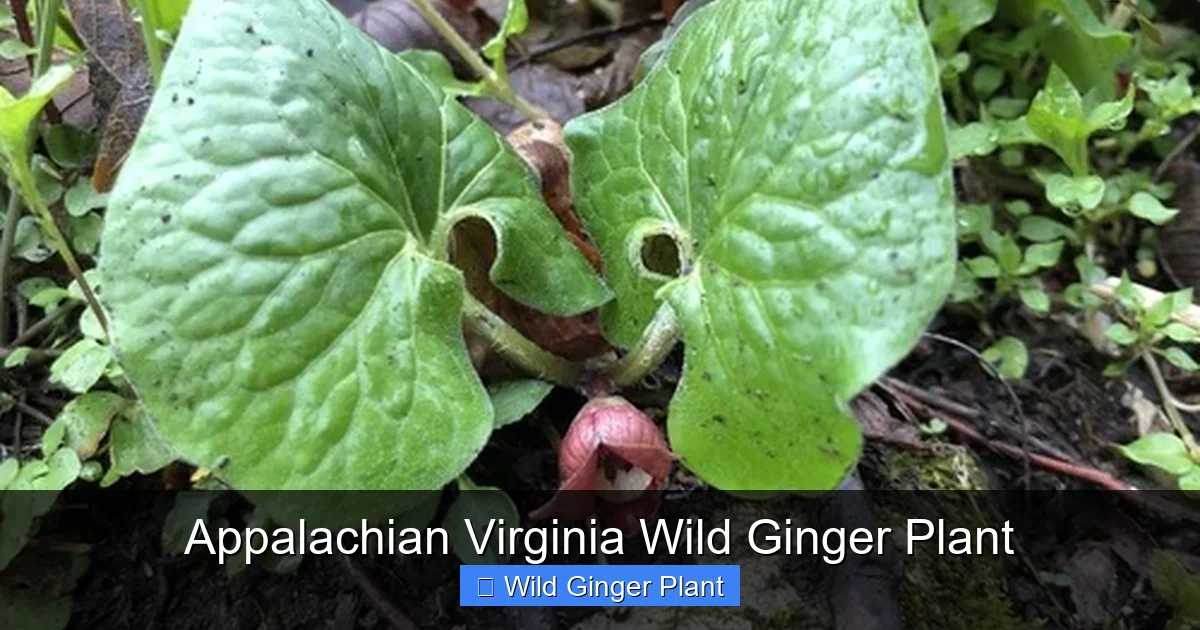
Appalachian Virginia Wild Ginger Plant
The Appalachian Virginia Wild Ginger Plant is a low‑growing, shade‑loving perennial native to the moist forests of the central Appalachians. Its heart‑shaped leaves and hidden brown flowers make it a unique groundcover, while its rhizomes have a long history of medicinal and culinary use.
Key Takeaways
- Native Range: The Appalachian Virginia Wild Ginger Plant thrives in the cool, moist woodlands of Virginia and neighboring Appalachian states.
- Shade Preference: It grows best under dense canopy where direct sunlight is limited.
- Rhizome Uses: The underground stems have been used for teas, poultices, and flavoring in traditional recipes.
- Conservation Note: Over‑harvesting and habitat loss threaten local populations; responsible foraging is essential.
- Garden Friendly: With proper soil preparation and moisture, the plant can be cultivated in home shade gardens.
- Ecological Role: It provides ground cover, supports pollinators, and helps prevent soil erosion on forest floors.
Quick Answers to Common Questions
What is the scientific name of the Appalachian Virginia Wild Ginger Plant?
The scientific name is Asarum canadense var. virginicum.
Where does the Appalachian Virginia Wild Ginger Plant naturally grow?
It grows in moist, shaded forests of the central Appalachians, especially in Virginia and neighboring states.
Can I eat the rhizome of the Appalachian Virginia Wild Ginger Plant?
Yes, the rhizome is edible and has a mild ginger flavor, but consume in moderation and ensure proper identification.
How do I propagate the Appalachian Virginia Wild Ginger Plant in a garden?
Divide healthy rhizome sections in early spring and plant them in rich, moist, shaded soil.
Is the Appalachian Virginia Wild Ginger Plant endangered?
It is not federally listed, but local populations face pressure from habitat loss and over‑harvesting.
📑 Table of Contents
Introduction
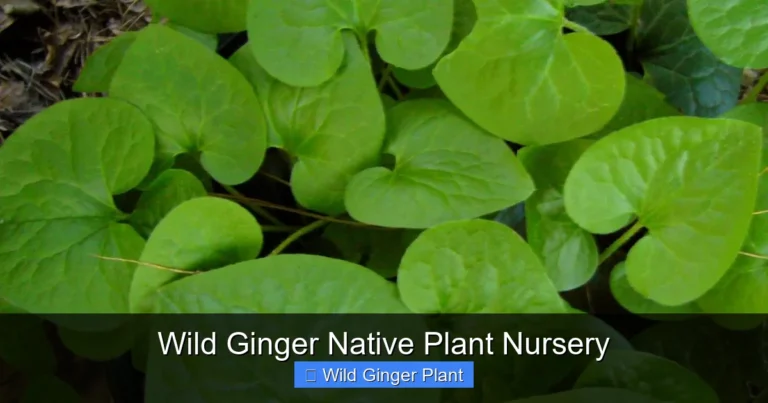
The Appalachian Virginia Wild Ginger Plant is a low herb that hugs the forest floor. It spreads slowly by underground stems. The leaves are heart shaped and glossy. The flowers hide under the leaves. The scent is spicy when crushed.
Many hikers miss the Appalachian Virginia Wild Ginger Plant because it stays hidden. The plant prefers deep shade and cool moisture. It forms a soft carpet over time. Gardeners value it for texture and aroma. Researchers study its chemical compounds.
This guide covers biology, habitat, seasons, uses, cultivation, and conservation of the Appalachian Virginia Wild Ginger Plant. Each section offers practical tips for observers and growers. Read on to learn how to identify, protect, and enjoy this native treasure.
What Is the Appalachian Virginia Wild Ginger Plant?
Botanical Background
The Appalachian Virginia Wild Ginger Plant belongs to the birthwort family. Its scientific name is Asarum canadense var. virginicum. The genus Asarum includes several wild ginger species. This variety has larger leaves than its cousins. The rhizome smells like culinary ginger.
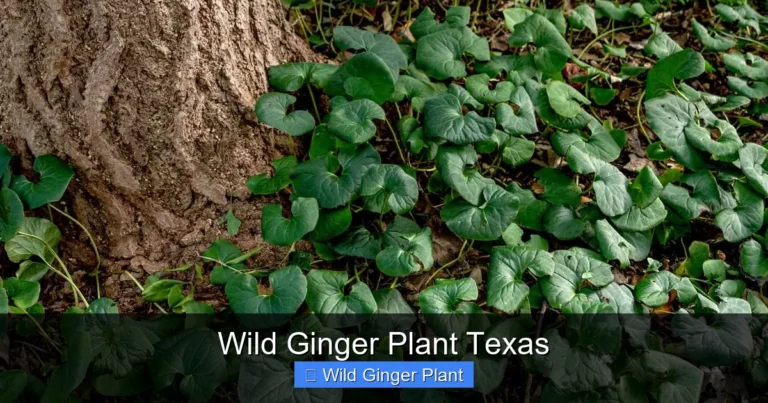
The Appalachian Virginia Wild Ginger Plant is a perennial herb. It spreads by creeping rhizomes just below the soil surface. Each rhizome segment can produce a new leaf pair. Over years a dense mat forms. The plant reaches about six inches tall.
Common Names and Identification
Locals call the Appalachian Virginia Wild Ginger Plant wild ginger, colic root, or heartleaf. The key traits are paired heart shaped leaves and a low growth habit. The tiny brown flower sits at ground level. Crushing a leaf releases a sharp ginger aroma. Use these clues to confirm identity before harvest.
When foraging the Appalachian Virginia Wild Ginger Plant, check the scent and leaf shape carefully. Misidentification can lead to collecting a toxic look‑alike. A reliable field guide or app helps avoid mistakes. Take only a small rhizome piece if needed. Leave the rest to sustain the colony.
Chemical Composition
The Appalachian Virginia Wild Ginger Plant contains bornyl acetate, camphor, and other terpenes. These compounds give the rhizome its distinctive scent. Laboratory tests show mild antimicrobial activity. The essential oil is extracted by steam distillation. Researchers continue to explore its pharmacological potential.
Flavonoids and phenolic acids are also present in the Appalachian Virginia Wild Ginger Plant. These antioxidants may contribute to traditional health claims. The concentration varies with soil and season. Harvest timing influences chemical profile. Proper drying preserves active constituents.
Varieties and Relatives
Several Asarum species resemble the Appalachian Virginia Wild Ginger Plant. Asarum canadense is the most widespread relative. Asarum caudatum grows in the Pacific Northwest. Leaf shape and flower color differ among them. Knowing the differences prevents accidental collection of non‑target species.
Hybridization between the Appalachian Virginia Wild Ginger Plant and nearby species is rare. Genetic studies show distinct populations. Conservationists treat each population as a unique management unit. Protecting genetic diversity ensures long‑term survival. Seed banks store material for future restoration.
Habitat and Range in the Appalachians
Preferred Soil and Moisture
The Appalachian Virginia Wild Ginger Plant thrives in rich loamy soil that holds moisture. It prefers a pH between 5.5 and 6.5. A thick layer of decaying leaves supplies nutrients and humidity. Heavy clay should be amended with compost and peat. Good drainage prevents root rot.
In a garden setting replicate forest floor conditions for the Appalachian Virginia Wild Ginger Plant. Add leaf mold, shredded bark, and a bit of sand. Keep the soil evenly moist but not soggy. Mulch each autumn with shredded leaves. This mimics the natural blanket that protects rhizomes.
Elevation and Climate
The Appalachian Virginia Wild Ginger Plant is most common between 1500 and 3500 feet elevation. Cool summers and cold winters match its dormancy cycle. North facing slopes retain moisture longer. Streamside seeps provide constant dampness. These microclimates support vigorous growth.
If you live at lower elevation you can still grow the Appalachian Virginia Wild Ginger Plant in a shaded bed. Provide extra mulch and regular watering during dry spells. Choose a site with morning light only. Avoid hot afternoon sun which can scorch leaves. Monitor soil temperature for best results.
Microhabitat Preferences
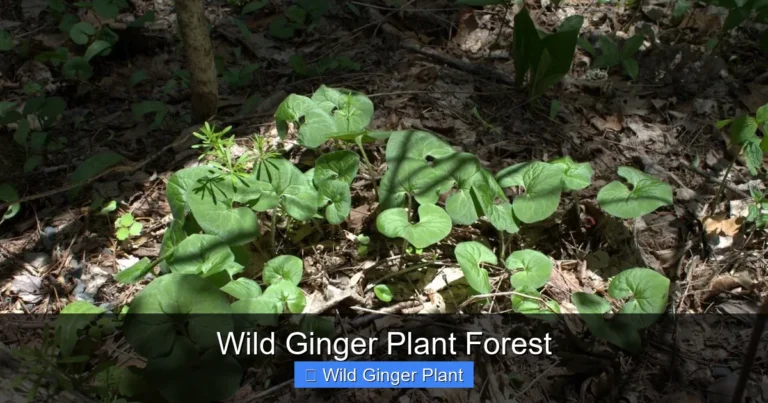
The Appalachian Virginia Wild Ginger Plant favors moist, shaded microsites near fallen logs. It often grows on north‑facing rock ledges with thin soil. The presence of moss indicates suitable humidity. Leaf litter depth of two inches or more is ideal. Small depressions that collect water enhance survival.
Soil organic matter above ten percent correlates with higher colony density for the Appalachian Virginia Wild Ginger Plant. Compacted soils reduce rhizome expansion. Disturbance from foot traffic creates bare patches that hinder spread. Maintaining a continuous litter layer is crucial. Restoration projects focus on rebuilding this layer.
Associated Plant Communities
The Appalachian Virginia Wild Ginger Plant commonly occurs with oak, hickory, and maple overstory. Understory companions include ferns, trillium, and bloodroot. Mycorrhizal fungi connect its roots to neighboring trees. This network improves nutrient uptake for all partners. Biodiversity surveys use the plant as an indicator of forest health.
Invasive species such as garlic mustard threaten the Appalachian Virginia Wild Ginger Plant by outcompeting for light and nutrients. Early removal of invasives protects native colonies. Land managers prioritize control in known habitats. Community volunteers assist in monitoring efforts. Collaborative stewardship enhances ecosystem resilience.
Growth Cycle and Seasonal Behavior
Spring Emergence
In early April the Appalachian Virginia Wild Ginger Plant pushes fresh leaf pairs through leaf litter. The new leaves are bright green and unfurl quickly. Small brown flowers appear soon after leaf expansion. This is the best time to observe the hidden blooms. Light foot traffic is tolerated but heavy steps damage tender shoots.
During spring the Appalachian Virginia Wild Ginger Plant stores carbohydrates in its rhizomes. The energy reserve fuels summer growth and winter survival. Gardeners can apply a light organic fertilizer now. Avoid high nitrogen which encourages weak foliage. Mulch lightly to keep soil temperature stable.
Summer Foliage
By June the canopy closes and the Appalachian Virginia Wild Ginger Plant lives in deep shade. The glossy leaves continue photosynthesis at low light. Rhizomes spread laterally forming a wider mat. Watering is rarely needed in a natural forest. In a garden keep soil evenly moist.
Summer is a good time to divide established clumps of the Appalachian Virginia Wild Ginger Plant. Dig carefully around the rhizome network. Replant divisions at the same depth. Water well after transplanting. This encourages new colonies and prevents overcrowding.
Fall Dormancy
When October arrives the Appalachian Virginia Wild Ginger Plant leaves turn yellow and drop. Energy moves back into the rhizomes for winter. The above ground parts disappear by November. A thick leaf mulch insulates the underground stems. This natural blanket protects against freezing.
Gardeners should add extra shredded leaves in late fall for the Appalachian Virginia Wild Ginger Plant. Remove any dead foliage to reduce disease risk. Do not fertilize during dormancy. Plan spring division now if clumps are large. Mark the spot to avoid accidental disturbance.
Phenology Details
The Appalachian Virginia Wild Ginger Plant follows a predictable phenological calendar each year. Leaf emergence correlates with soil temperatures reaching ten degrees Celsius. Flowering occurs within two weeks of leaf out. Seed set is rare; reproduction is mainly vegetative. Tracking these events aids climate change studies.
Citizen scientists record first leaf, first flower, and leaf fall dates for the Appalachian Virginia Wild Ginger Plant. Data submitted to regional networks improve predictive models. Long‑term records reveal shifts in timing. Earlier springs may increase frost risk for new growth. Adaptive management can mitigate impacts.
Response to Disturbance
The Appalachian Virginia Wild Ginger Plant tolerates low‑intensity disturbances such as light grazing. Severe soil compaction halts rhizome expansion for several seasons. Fire rarely reaches the moist forest floor where it grows. Mechanical removal of overstory canopy increases light and reduces vigor. Recovery depends on litter restoration and moisture.
Experimental plots show that the Appalachian Virginia Wild Ginger Plant recovers faster when leaf litter is reapplied. Mulching after disturbance restores microclimate. Replanting rhizome fragments accelerates colonization. Monitoring plots guide best‑practice guidelines. Landowners can apply these findings to private woodlands.
Uses, Benefits, and Cultural Significance
Traditional Medicinal Uses
Indigenous peoples used the Appalachian Virginia Wild Ginger Plant for colds, digestion, and menstrual discomfort. A tea made from the rhizome provided warming relief. Poultices of fresh rhizome eased sore muscles and minor wounds. Early settlers adopted these remedies for frontier life. Modern herbalists still reference the plant in materia medica.
Scientific research on the Appalachian Virginia Wild Ginger Plant is limited but shows antimicrobial compounds. The essential oil contains bornyl acetate and other terpenes. These chemicals may explain traditional uses. Always consult a healthcare professional before self‑medicating. Dosage and preparation matter for safety.
Culinary Applications
The rhizome of the Appalachian Virginia Wild Ginger Plant adds a mild peppery ginger flavor to dishes. Grate fresh rhizome into soups, stir‑fries, or baked goods. Because the taste is subtle, use a larger amount than tropical ginger. Candied rhizome makes a unique sweet snack. Simmer slices in sugar syrup until translucent then dry.
Chefs experiment with the Appalachian Virginia Wild Ginger Plant in sauces, marinades, and desserts. Pair it with citrus, honey, or dark chocolate for balance. A small infusion in cream creates a fragrant ice cream base. Always taste as you go to avoid overpowering the dish. Fresh rhizome stores in the refrigerator for up to two weeks.
Ecological Role
The Appalachian Virginia Wild Ginger Plant forms a living carpet that stabilizes steep forest soils. Its dense foliage slows runoff and reduces erosion. Ground dwelling insects find shelter among the leaves. Small mammals use the leaf litter for nesting material. The plant contributes to overall forest floor biodiversity.
Tiny flies pollinate the hidden flowers of the Appalachian Virginia Wild Ginger Plant. This interaction supports a specialized pollinator network. The plant also hosts mycorrhizal fungi that enhance nutrient uptake. Protecting the species helps maintain these ecological links. Conservation of the plant benefits the whole ecosystem.
Modern Research
Recent phytochemical studies on the Appalachian Virginia Wild Ginger Plant identify novel sesquiterpenes. Bioassays indicate potential anti‑inflammatory activity. Researchers test extracts against resistant bacterial strains. Funding for native plant pharmacology is increasing. Collaboration with indigenous knowledge holders guides ethical research.
Genomic sequencing of the Appalachian Virginia Wild Ginger Plant reveals adaptive genes for shade tolerance. Comparative analysis with related species clarifies evolutionary history. Data inform breeding programs for horticultural varieties. Open‑access databases share findings worldwide. Continued investigation may unlock new natural products.
Folklore and Symbolism
Appalachian folklore attributes protective powers to the Appalachian Virginia Wild Ginger Plant. Carrying a rhizome piece was believed to ward off evil spirits. Stories tell of hunters using the scent to mask human odor. The plant appears in traditional songs and oral histories. Cultural revival projects document these narratives.
Symbolically the Appalachian Virginia Wild Ginger Plant represents resilience and hidden strength. Its low stature mirrors the humble mountain communities. Artists incorporate its heart‑shaped leaves into crafts and tattoos. Educational programs use the plant to teach ecological stewardship. Celebrating its heritage fosters regional pride.
Potential Toxicity
While the Appalachian Virginia Wild Ginger Plant is generally safe in culinary amounts, large doses may cause gastrointestinal upset. The compound aristolochic acid is present in trace amounts in some Asarum species. Long‑term high‑dose consumption is discouraged. Pregnant women should avoid medicinal use. Consult a qualified practitioner for guidance.
Proper identification eliminates risk of confusing the Appalachian Virginia Wild Ginger Plant with toxic look‑alikes. Laboratory testing confirms low aristolochic acid levels in this variety. Regulatory agencies have not issued restrictions. Ongoing monitoring ensures consumer safety. Transparent labeling of wild‑harvested products builds trust.
How to Grow Appalachian Virginia Wild Ginger Plant in Your Garden
Site Selection
Choose a site with full to dappled shade for the Appalachian Virginia Wild Ginger Plant. A north facing bed under mature trees works well. Avoid areas with harsh afternoon sun. Test soil pH and aim for 5.5 to 6.5. Amend heavy clay with compost and leaf mold.
Good drainage is essential for the Appalachian Virginia Wild Ginger Plant. Raised beds or mounded soil improve water flow. Add a layer of coarse sand if the native soil is compact. Keep the planting area free of invasive weeds. Mulch with shredded leaves to retain moisture.
Planting Steps
Follow these steps to establish the Appalachian Virginia Wild Ginger Plant in spring.
- Obtain healthy rhizome divisions from a reputable native nursery.
- Loosen soil to six inches and mix in compost.
- Lay rhizome pieces horizontally, cover with one inch of soil.
- Space divisions twelve inches apart to allow spread.
- Water thoroughly and keep soil moist for six weeks.
Monitor the new plants for signs of stress and adjust watering as needed.
Care and Maintenance Tips
Mulch each autumn with shredded leaves for the Appalachian Virginia Wild Ginger Plant. This mimics the forest floor and suppresses weeds. Apply a light balanced organic fertilizer in early spring. Avoid heavy feeding which can cause weak growth. Inspect regularly for slugs and snails.
Divide clumps every three to four years to maintain vigor of the Appalachian Virginia Wild Ginger Plant. Replant divisions at the same depth and water well. Share extra divisions with fellow gardeners. Keep a garden journal to track planting dates and observations. This practice builds a resilient shade garden over time.
Companion Planting
The Appalachian Virginia Wild Ginger Plant pairs well with ferns, hostas, and woodland phlox. These companions share similar moisture and shade requirements. Their root systems occupy different soil layers reducing competition. Interplanting creates a layered aesthetic. Biodiversity increases beneficial insect habitat.
Avoid planting the Appalachian Virginia Wild Ginger Plant near aggressive spreaders such as mint or bamboo. These can outcompete the slow‑growing ginger. Use physical barriers if necessary. Regular monitoring prevents unwanted encroachment. Thoughtful design ensures long‑term harmony.
Container Growing
Container culture of the Appalachian Virginia Wild Ginger Plant is possible with a deep pot. Use a mix of peat, compost, and coarse sand for drainage. Place the container in a shaded patio or under a pergola. Keep the medium consistently moist but not waterlogged. Fertilize sparingly with a diluted organic feed.
Repot the Appalachian Virginia Wild Ginger Plant every two years to refresh soil. Divide rhizomes during repotting to propagate new containers. Winter protection may be needed in cold climates; move pots to an unheated garage. Mulch the surface with leaf litter for insulation. Container growing expands accessibility for urban gardeners.
Propagation by Seed
Seed propagation of the Appalachian Virginia Wild Ginger Plant is challenging but rewarding. Collect ripe capsules in late summer and sow immediately in a moist seed tray. Stratify seeds at four degrees Celsius for sixty days. Germination may take several months. Patience and consistent moisture are key.
Seedlings of the Appalachian Virginia Wild Ginger Plant develop a single leaf in the first year. Transplant to individual pots after the second leaf appears. Grow under shade cloth until established. This method preserves genetic diversity. Seed‑grown plants may exhibit slight variation in leaf size.
Conservation Status and Responsible Foraging
Current Threats
Habitat loss from logging, development, and invasive species threatens the Appalachian Virginia Wild Ginger Plant. Climate change shifts suitable elevation upward. Overharvest for herbal markets reduces local populations. Because the plant spreads slowly, recovery can take decades. Fragmented forests limit gene flow between colonies.
Conservation groups monitor the Appalachian Virginia Wild Ginger Plant through citizen science surveys. Volunteers record location, colony size, and health indicators. Data informs land management decisions. Protecting large contiguous forest blocks is a priority. Education programs raise awareness among hikers and foragers.
Guidelines for Sustainable Harvest
If you must harvest the Appalachian Virginia Wild Ginger Plant follow these rules.
- Take no more than ten percent of a colony’s rhizomes.
- Leave at least three healthy leaf pairs per plant.
- Harvest only in late summer after energy storage.
- Obtain permission on private land and check public regulations.
- Consider photographing instead of collecting for study.
Supporting native nurseries that propagate the Appalachian Virginia Wild Ginger Plant ethically reduces pressure on wild stocks. Share sustainable practices with your community. Together we can keep this forest gem thriving for future generations.
Legal Protection
The Appalachian Virginia Wild Ginger Plant is not listed federally but several states classify it as a species of concern. State natural heritage programs track its status. Permits may be required for scientific collection. Landowners can enroll in voluntary conservation agreements. Legal frameworks encourage habitat preservation.
Advocacy groups lobby for stronger protection of the Appalachian Virginia Wild Ginger Plant. Public comment periods allow citizen input on management plans. Collaboration with agencies improves enforcement. Knowledge of local regulations guides responsible behavior. Staying informed supports long‑term survival.
Restoration Projects
Restoration projects re‑introduce the Appalachian Virginia Wild Ginger Plant to degraded sites. Nursery‑grown rhizomes are planted in prepared microhabitats. Success rates improve with mycorrhizal inoculation. Monitoring continues for five years post‑planting. Community volunteers assist with planting and care.
Funding for Appalachian Virginia Wild Ginger Plant restoration comes from grants and private donations. Partnerships with universities provide scientific oversight. Adaptive management adjusts techniques based on outcomes. Restored populations enhance ecosystem services. Long‑term commitment ensures lasting impact.
Citizen Science Opportunities
Citizen scientists can contribute data on the Appalachian Virginia Wild Ginger Plant through mobile apps. Observations include phenology, population size, and threat assessments. Training workshops teach identification and reporting protocols. Data feeds regional conservation databases. Participation fosters stewardship and awareness.
Schools incorporate Appalachian Virginia Wild Ginger Plant monitoring into curricula. Students learn ecology, data analysis, and communication skills. Projects connect classrooms with local natural areas. Intergenerational mentoring passes knowledge forward. Engaging youth secures future advocates for the species.
Conclusion
The Appalachian Virginia Wild Ginger Plant is more than a pretty groundcover; it is a living link to the cultural and ecological heritage of the Appalachian mountains. By learning its habits, uses, and needs you can enjoy its subtle ginger aroma in the kitchen, appreciate its role on the forest floor, and even cultivate a patch in your own shade garden. Remember to tread lightly, harvest responsibly, and share what you discover with others who love the woods.
Frequently Asked Questions
What type of soil does the Appalachian Virginia Wild Ginger Plant prefer?
The plant prefers rich, loamy, slightly acidic soil that retains moisture yet drains well.
How much shade does the Appalachian Virginia Wild Ginger Plant need?
It thrives in full to dappled shade and does not tolerate direct afternoon sun.
When is the best time to harvest the rhizome for culinary use?
Late summer, after the plant has stored energy, is the optimal harvest window.
Can the Appalachian Virginia Wild Ginger Plant be grown in containers?
Yes, use a deep pot with a moisture‑retentive mix and place it in a shaded location.
What are common pests of the Appalachian Virginia Wild Ginger Plant?
Slugs, snails, and occasional aphids may feed on the leaves.
How can I help conserve the Appalachian Virginia Wild Ginger Plant?
Avoid wild harvesting, support native plant nurseries, and protect forest habitats from development.