How to Save Begonia from Overwatering
Overwatering is the number one killer of begonias, but quick action can save your plant. This guide walks you through identifying root rot, emergency repotting steps, and long-term care habits to prevent future issues. Follow these proven techniques to bring your begonia back to life.
You walk past your begonia and notice something wrong. The leaves look limp. The stems feel soft. A sour smell rises from the pot. Your heart sinks. You have been watering it regularly. You thought you were doing the right thing. Now you wonder if you loved it too much.
Do not panic. This happens to the best of us. Begonias are stunning plants with colorful leaves and delicate blooms. They brighten any room. But they have a weakness. They hate sitting in water. Learning how to save begonia from overwatering is a skill every plant parent needs. The good news? Most overwatered begonias bounce back if you act quickly. This guide gives you every step you need. You will learn to spot trouble early. You will learn emergency rescue techniques. You will learn how to keep your begonia thriving for years.
Key Takeaways
- Act fast when you see yellow leaves: Yellowing, mushy stems, and foul soil smell signal root rot that needs immediate attention.
- Remove the plant from wet soil immediately: Gently shake off soggy soil and inspect roots for brown, mushy sections that must be trimmed away.
- Use sterile tools and fresh, well-draining mix: Clean scissors prevent infection. A light, airy potting mix gives roots oxygen to recover.
- Choose a pot with drainage holes: Never use decorative pots without holes. Excess water must escape to keep roots healthy.
- Water only when the top inch feels dry: Stick your finger in the soil. If it feels moist, wait. This simple habit prevents most overwatering cases.
- Provide bright, indirect light and good airflow: Light helps the plant process water. Air movement speeds soil drying and reduces fungal risk.
- Hold off on fertilizer during recovery: Stressed roots cannot handle nutrients. Wait until you see new growth before feeding lightly.
Quick Answers to Common Questions
How do I know if my begonia is overwatered or underwatered?
Overwatered begonias have yellow, mushy leaves and wet soil that smells sour. Underwatered begonias have crispy, brown leaf edges and bone-dry soil that pulls away from the pot. Check the roots: brown mush means overwatering; dry, brittle roots mean underwatering.
Can a begonia recover from severe root rot?
Yes, if some firm white roots remain. Remove all rot, treat with hydrogen peroxide, and repot in fresh, well-draining mix. Keep humidity high and light bright but indirect. Recovery takes weeks. New growth signals success.
Should I cut off yellow leaves on an overwatered begonia?
Remove leaves that are fully yellow or mushy. They will not recover and drain energy. Leave partially yellow leaves if the base is firm. They still photosynthesize. Use clean scissors. Cut at the stem base.
How long should I wait to water after repotting an overwatered begonia?
Water lightly at repotting to settle the soil. Then wait until the top inch of mix feels completely dry. This may take 7-10 days. The plant has fewer roots and uses less water. Rushing causes relapse.
What is the best potting mix to prevent overwatering?
Use a mix of 40% peat moss or coco coir, 30% perlite, 20% orchid bark, and 10% worm castings. This drains fast, holds even moisture, and provides aeration. Commercial African violet or aroid mixes also work well.
📑 Table of Contents
- Understanding Why Begonias Hate Wet Feet
- Spotting the Warning Signs Early
- Immediate Action Steps to Rescue Your Plant
- Repotting for Recovery
- Long-Term Care to Prevent Future Problems
- Common Mistakes to Avoid
- When to Call It Quits
- Special Situations: Vacation, Heat Waves, and More
- Building Your Begonia Confidence
Understanding Why Begonias Hate Wet Feet
Begonias come from tropical and subtropical regions. They grow on forest floors. They cling to rocky cliffs. They live where rain falls often but drains fast. Their roots need air as much as they need water. In nature, water flows past them. It does not pool around them.
The Science of Root Suffocation
Plant roots breathe. They take in oxygen from tiny air pockets in soil. When soil stays soaked, water fills those pockets. Oxygen disappears. Roots begin to suffocate. They turn brown. They turn mushy. They stop taking up water and nutrients. The irony? An overwatered plant shows signs of drought. Leaves wilt because roots cannot deliver moisture. Many people see wilting and add more water. This makes things worse.
Why Begonias Are Extra Sensitive
Begonias have fine, fibrous root systems. They do not have thick taproots like some plants. Their roots are delicate. They rot fast. Some varieties, like rex begonias, have rhizomes that sit at soil level. These rot even faster when wet. Tuberous begonias store energy in tubers that turn to mush in soggy conditions. Every begonia type shares this vulnerability. Understanding this helps you respect their needs.
The Role of Soil and Pot Choice
Heavy soil holds water too long. Garden soil compacts in pots. It becomes a sponge that never dries. Pots without drainage holes trap water at the bottom. Even a layer of gravel at the bottom does not fix this. Water moves by gravity and capillary action. It creates a perched water table above the gravel. Roots sit in that zone. They rot. The right pot and mix make all the difference.
Spotting the Warning Signs Early
Catching overwatering early saves lives. Your begonia talks to you through its leaves, stems, and soil. Learn its language. Check your plant every few days. Make it a habit. Morning coffee in one hand, plant check in the other.
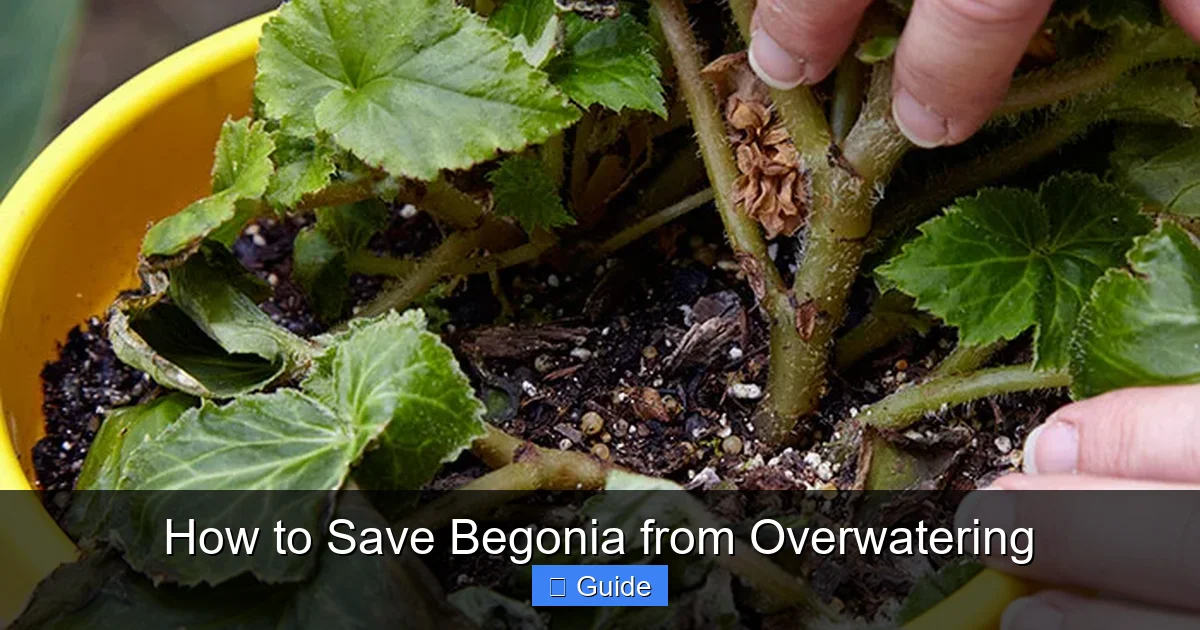
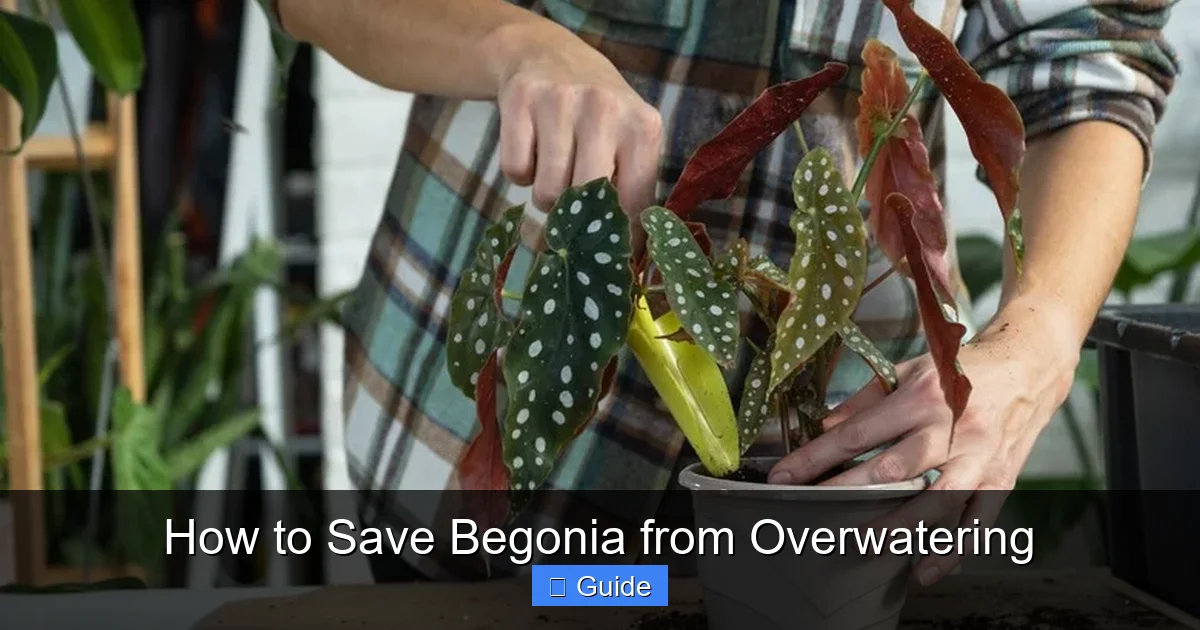
Visual guide about How to Save Begonia from Overwatering
Image source: images.ctfassets.net
Leaf Changes That Signal Trouble
Yellow leaves are the classic first sign. They often start at the bottom. The yellowing spreads upward. Leaves may develop brown edges or spots. They feel soft, not crisp. Some leaves turn translucent. They look waterlogged because they are. The cells have burst from excess moisture. New growth may emerge deformed or stunted. Watch for leaves that drop with a gentle touch. Healthy begonia leaves hold on tight.
Stem and Base Symptoms
Feel the stems near the soil line. They should feel firm. Mushy stems mean rot has moved up from the roots. The base may look dark brown or black. You might see a white, fuzzy growth. That is fungus. It thrives in constant moisture. A foul, swampy smell confirms anaerobic conditions. Healthy soil smells earthy. Rotting soil smells like a wet basement.
Root Inspection: The Truth Test
You cannot see roots without looking. Gently tip the plant out of its pot. Healthy roots are white or light tan. They feel firm and crisp. They smell fresh. Rotted roots are brown, black, or gray. They feel slimy or mushy. They pull away from the center core like wet string. They smell sour or rotten. If most roots look bad, the plant is in critical condition. If some white roots remain, you have a fighting chance.
Soil Clues You Can See and Feel
Stick your finger deep into the soil. It should feel cool and barely damp at most. Soggy soil clings to your finger. It drips water. The surface may have green algae or white mold. Fungus gnats often appear. These tiny flies lay eggs in wet soil. Their larvae feed on rotting roots. If you see them, your soil has been too wet for too long.
Immediate Action Steps to Rescue Your Plant
You confirmed overwatering. Now what? Speed matters. Every hour in wet soil kills more roots. Gather your supplies first. You need clean scissors or pruners. You need fresh potting mix. You need a clean pot with drainage. You need hydrogen peroxide (3% solution). You need a workspace you can clean easily.
Step One: Remove the Plant Gently
Tip the pot sideways. Support the base of the plant with one hand. Tap the pot bottom and sides. Slide the root ball out. Do not yank the stems. If it sticks, run a knife around the inside edge. Place the root ball on newspaper or a tarp. Shake off as much wet soil as you can. Be gentle. Damaged roots break easily.
Step Two: Wash the Roots
Take the plant to a sink. Use lukewarm water. Gently rinse remaining soil from roots. This lets you see everything clearly. It washes away fungal spores. Use a gentle stream. Do not blast the roots. They are fragile. Work with your fingers to separate tangled roots. Remove all old soil. This step is critical for recovery.
Step Three: Trim Away Rot
Sterilize your scissors with rubbing alcohol or flame. Cut every brown, black, mushy, or hollow root. Cut back to firm, white tissue. If a root is questionable, cut it. Better to lose a marginal root than keep a rotting one. Dip the cut ends in 3% hydrogen peroxide. This kills lingering pathogens. Let the roots air dry for thirty minutes. This helps cut ends callus over.
Step Four: Treat the Healthy Roots
Mix one part 3% hydrogen peroxide with four parts water. Dip the remaining healthy roots in this solution for thirty seconds. Or spray them thoroughly. This oxygenates the root zone. It kills bacteria and fungi. It gives the plant a clean start. Do not use stronger peroxide. It damages living tissue.
Step Five: Prepare the New Pot and Mix
Choose a pot just slightly larger than the remaining root mass. Too much soil stays wet too long. Ensure it has drainage holes. Multiple holes are best. Fill the bottom with your fresh mix. Use a blend of two parts peat moss or coco coir, one part perlite, and one part orchid bark. This drains fast but holds some moisture. Add a handful of horticultural charcoal if you have it. It sweetens the soil.
Step Six: Repot with Care
Place the begonia in the new pot. Spread roots gently over the base mix. Fill around them with more mix. Tap the pot to settle soil. Do not pack it down. Roots need air pockets. The plant should sit at the same depth as before. Water lightly. Just enough to settle the mix. Water should drain freely from the bottom. Empty the saucer immediately.
Repotting for Recovery
The first repot is emergency triage. But your begonia may need another repot in a few months. Or you may be repotting a mildly overwatered plant as prevention. Either way, technique matters. Good repotting sets the stage for long-term health.
Choosing the Right Container
Terra cotta pots are ideal for begonias. They breathe. They wick moisture from soil. They show dampness on the outside. Plastic pots work too if they have plenty of holes. Glazed ceramic holds moisture longer. Avoid pots without holes. Cache pots (decorative outer pots) are fine if you remove the inner pot to water and drain. Never let a begonia sit in a water-filled cache pot.
The Perfect Potting Mix Recipe
Commercial African violet mix works well. So does a quality aroid mix. But you can make your own. Start with a base of peat moss or coco coir. These hold moisture evenly. Add perlite for drainage and aeration. Add orchid bark for structure and airflow. Add worm castings for gentle nutrition. A good ratio: 40% peat or coir, 30% perlite, 20% orchid bark, 10% worm castings. Mix thoroughly. Moisten slightly before use. It should clump when squeezed but crumble when poked.
Handling Different Begonia Types
Rex begonias have rhizomes that creep along the surface. Plant them so the rhizome sits on top of the mix. Do not bury it. Tuberous begonias have a concave tuber. Plant it concave side up, barely covered. Cane begonias have thicker stems. Plant them at the same depth. Rhizomatous begonias spread horizontally. Give them wide, shallow pots. Know your type. Treat it right.
Aftercare: The First Two Weeks
Place the repotted begonia in bright, indirect light. No direct sun. The plant is stressed. Direct sun burns weakened leaves. Keep temperatures stable, 65-75°F (18-24°C). Do not water again until the top inch of mix feels dry. This may take a week or more. Mist the leaves daily if your air is dry. Humidity helps reduce water loss through leaves while roots recover. Do not fertilize. Wait for new growth.
Long-Term Care to Prevent Future Problems
You saved your begonia. Now keep it safe. Prevention is easier than rescue. Build habits that protect your plant automatically. These practices become second nature with time.
Mastering the Finger Test
Forget schedules. Watering on a calendar kills plants. Stick your index finger into the soil up to the first knuckle. Feel for moisture. Cool and damp? Wait. Dry and warm? Water. The top inch should dry between waterings. For begonias in small pots, this might be every three to four days. In large pots, every week or two. Seasons change. Light changes. Your finger knows.
Watering Technique Matters
Water at the base. Keep leaves dry. Wet leaves invite fungal diseases like powdery mildew and botrytis. Use room temperature water. Cold water shocks tropical roots. Water until it flows from drainage holes. This ensures the entire root zone gets moist. It flushes accumulated salts. Empty the saucer within thirty minutes. Never let the pot sit in runoff.
Bottom Watering as an Option
Some growers prefer bottom watering. Place the pot in a tray of water. Let the soil wick moisture up from below. Remove the pot when the surface feels damp. This keeps leaves dry. It encourages deep root growth. It prevents fungus gnats. Try it. See if you like it. Either method works if you respect the dry-down period.
Light: The Engine of Water Use
Light drives photosynthesis. Photosynthesis drives water uptake. A begonia in low light uses very little water. Soil stays wet for weeks. A begonia in bright, indirect light drinks steadily. Soil dries in days. Give your begonia the brightest indirect light you can. East windows are perfect. North windows work for some varieties. South or west windows need sheer curtains. Rotate the pot weekly for even growth.
Humidity and Airflow Balance
Begonias love humidity. But stagnant humid air breeds fungus. Aim for 50-60% humidity. Use a humidifier. Or group plants together. Or use pebble trays. But always provide airflow. A small fan on low, running a few hours daily, works wonders. It mimics natural breezes. It speeds surface drying. It strengthens stems. It prevents fungal spores from settling.
Seasonal Adjustments
Winter changes everything. Light drops. Growth slows. Water needs plummet. Your begonia may need half the water it used in summer. Check soil more often. Do not water on the same schedule. Some begonias go semi-dormant. Tuberous types die back completely. Research your variety. Respect its cycles. Spring brings new growth. Increase water gradually as you see active growth.
Fertilizing Wisely
Feed weakly, weekly. Use a balanced fertilizer at quarter strength. Or use a begonia-specific formula. Only fertilize during active growth. Stop in fall. Resume in spring. Never fertilize a dry plant. Water first, then fertilize next time. Flush the pot monthly with plain water to prevent salt buildup. Salts burn roots. Burned roots mimic overwatering symptoms.
Common Mistakes to Avoid
Even experienced growers slip up. Knowing the pitfalls helps you dodge them. Here are the most common errors that lead to overwatering heartbreak.
Using the Wrong Soil
Garden soil. Pure peat moss. Heavy houseplant mix with no perlite. These hold water like a sponge. They suffocate begonia roots. Always amend heavy mixes. Add perlite. Add bark. Add pumice. Make it light. Make it airy. Your begonia will thank you.
Choosing Pots Without Drainage
That cute ceramic pot with no hole? It is a death trap. Do not use it. Do not drill it unless you have the right tools and skills. Do not add gravel and hope. Physics does not care about your hopes. Use a plastic nursery pot with holes. Slip it inside the pretty pot. Remove it to water. Problem solved.
Watering on a Schedule
“I water every Monday.” This is the fastest way to kill a begonia. Plants do not read calendars. Cloudy weeks slow drying. Hot weeks speed it up. Heating systems dry air. Humidifiers moisten it. Check the soil. Every time. No exceptions.
Ignoring the Saucer
You water. Water drains. You walk away. The saucer fills. The pot sits in that water. The bottom roots stay wet. They rot. The rot spreads up. Always empty saucers. Use a turkey baster if the pot is heavy. Use a wet/dry vac for large collections. Just do it.
Misting Instead of Watering
Misting raises humidity. It does not water roots. Some people mist daily and never water the soil. The top stays damp. The bottom stays bone dry. Roots die of thirst in dry soil while crown rots in surface moisture. Water the soil. Mist for humidity. Do not confuse them.
Repotting Into a Huge Pot
“Give it room to grow.” A huge pot holds huge amounts of soil. That soil stays wet for weeks. The small root system cannot drink it fast enough. Rot sets in. Pot up only one size at a time. Two inches wider maximum. This keeps the wet-dry cycle healthy.
Fertilizing a Stressed Plant
Your begonia looks sad. You want to help. You add fertilizer. The salts burn the already damaged roots. The plant declines faster. Fertilizer is for growing plants. Not sick plants. Wait for new leaves. Then feed lightly.
When to Call It Quits
Sometimes, despite your best efforts, a begonia cannot be saved. Knowing when to let go saves you frustration. It frees space for a healthy plant. It is not failure. It is gardening.
Signs the Plant Is Gone
All roots are brown and mushy. The stems are mushy to the base. The crown (where stems meet roots) is black and soft. Leaves fall off at a touch. No firm tissue remains anywhere. The smell is overpowering. If you cut a stem and see no green, no white, only brown mush, the plant is dead.
Saving Pieces for Propagation
Even a dead plant may yield healthy leaves or stem sections. Rex begonia leaves root from leaf cuttings. Cane begonia stems root in water or perlite. Rhizome sections with a node can sprout. Inspect the remains. Snip anything firm and green. Try to root it. You might clone your plant. A living memory.
Disposing of Diseased Material
Do not compost heavily rotted plants. Fungal pathogens survive home composting. Bag the soil and plant. Throw it in the trash. Sterilize the pot with a 10% bleach solution. Soak for thirty minutes. Rinse well. Clean your tools. Wash your hands. Start fresh.
Special Situations: Vacation, Heat Waves, and More
Life happens. You go away. A heat wave hits. Your humidifier breaks. These situations test your begonia care. Plan ahead.
Vacation Watering Strategies
For trips under a week, water thoroughly before you leave. Move plants away from bright light. Group them to raise humidity. For longer trips, use self-watering spikes. Or capillary mats. Or ask a plant-savvy friend. Give clear instructions: “Check soil. Water only if dry.” Better a dry plant than a drowned one.
Heat Wave Adjustments
Extreme heat increases water use. But it also increases evaporation. Check soil daily. You may water more often. But still use the finger test. Move plants from hot windows. Increase humidity. Run fans. Do not overcompensate with huge waterings. Consistent moisture beats flood and drought cycles.
Rescuing a Newly Bought Overwatered Plant
Garden centers often overwater. You bring home a beauty. Two days later it collapses. Quarantine new plants for two weeks. Check roots immediately if symptoms appear. Repot into your mix right away. Do not wait. The nursery soil is often heavy peat that stays wet. Your mix gives it a fighting chance.
Building Your Begonia Confidence
You now know more than most begonia owners. You understand roots. You understand soil. You understand water. You have a step-by-step rescue plan. You have prevention habits. You know the mistakes to avoid. This knowledge transforms you from a worried plant parent to a confident grower.
Start small. Pick one begonia. Practice the finger test daily. Watch how the soil changes. Feel the weight of the pot when wet versus dry. Lift it. Learn its language. Soon you will know what it needs before you even touch the soil.
Share what you learn. Help a friend save their begonia. Post a photo of your recovery success. The plant community thrives on shared knowledge. Your experience might save someone else’s favorite plant.
Remember: every expert killed plants once. The difference is they learned from each one. You are learning now. Your begonia is giving you a second chance. Take it. Grow together.
Frequently Asked Questions
Can I save a begonia with no roots left?
If every root is rotted but the stems are firm, you can try rooting stem cuttings in water or moist perlite. Cut healthy stem sections with nodes. Remove lower leaves. Place in bright indirect light. Change water every two days. Roots may form in 2-4 weeks.
Why does my begonia keep getting overwatered even when I am careful?
Your pot may lack drainage, your soil may be too dense, or your light may be too low. Check all three. Repot into a terra cotta pot with holes using a chunky, fast-draining mix. Move to brighter indirect light. These changes fix chronic overwatering.
Is bottom watering better for begonias?
Bottom watering keeps leaves dry and encourages deep roots. It helps prevent fungal issues. But you must still let the top inch dry between sessions. Remove the pot once the surface feels damp. Do not leave it sitting in water.
How do I increase humidity without overwatering?
Use a humidifier near the plant. Group plants together. Set the pot on a pebble tray with water below the pebble tops. Mist leaves in the morning so they dry by night. Never mist instead of watering the soil.
When should I fertilize my begonia after overwatering recovery?
Wait until you see active new growth, usually 3-6 weeks after repotting. Start with quarter-strength balanced fertilizer. Apply monthly during growing season. Stop in fall. Never fertilize a plant that is not actively growing.
Can I use cinnamon on begonia roots as a fungicide?
Cinnamon has mild antifungal properties. Dust cut root ends lightly after trimming rot. It helps prevent infection. But it is not a substitute for hydrogen peroxide treatment or proper drainage. Use it as a supplement, not a cure.