Bird of Paradise Soil Mix Recipe
A well‑draining, nutrient‑rich bird of paradise soil mix recipe combines coarse sand, perlite, pine bark, and compost to mimic the plant’s native habitat. Follow the simple ratios and adjust for indoor or outdoor conditions to keep roots healthy and foliage vibrant.
Growing a bird of paradise feels like inviting a slice of the tropics into your home or garden. The secret to those bold, banana‑like leaves and striking flowers starts underground. A proper bird of paradise soil mix recipe gives the roots room to breathe, holds just enough moisture, and delivers nutrients without suffocating the plant.
Many gardeners make the mistake of using plain potting soil or garden dirt. Those mixes either stay too wet or dry out too fast. Both extremes stress the plant and lead to yellow leaves or root rot. By building your own blend you control texture, fertility, and pH from day one.
In this guide you will learn the core ingredients, exact ratios, and how to tweak the recipe for containers, climate, and season. You will also discover common pitfalls and a simple maintenance routine that keeps the mix performing year after year.
Key Takeaways
- Drainage is critical: Use coarse sand and perlite to prevent waterlogged roots.
- Organic matter feeds the plant: Add compost or well‑rotted manure for steady nutrition.
- pH matters: Aim for a slightly acidic to neutral range (6.0‑6.5).
- Adjust for environment: Indoor pots need more perlite; outdoor beds can tolerate more bark.
- Refresh annually: Top‑dress with fresh compost and replace a portion of the mix each spring.
- Test before planting: Check moisture retention and pH to avoid surprises.
- Avoid garden soil: Native soil often compacts and harbors pests.
Quick Answers to Common Questions
What is the ideal pH for a bird of paradise soil mix recipe?
The ideal pH range is 6.0 to 6.5, slightly acidic to neutral, which maximizes nutrient uptake.
Can I use regular potting soil instead of a custom mix?
Regular potting soil often retains too much water and lacks the coarse structure this plant needs; a custom blend is strongly recommended.
How often should I refresh the soil mix?
Top‑dress annually with compost and do a full repot with fresh mix every two years.
Is perlite necessary if I have plenty of sand?
Perlite creates stable air pockets that sand alone cannot maintain over time; include both for best results.
What fertilizer works best for bird of paradise?
A balanced slow‑release 10‑10‑10 fertilizer applied at half strength in spring and midsummer works well.
📑 Table of Contents
Understanding Bird of Paradise Needs
Why Soil Matters
The bird of paradise (Strelitzia reginae) originates from South African riverbanks where the ground is loose, sandy, and rich in organic debris. Its thick, fleshy roots need oxygen as much as they need water. A compacted medium cuts off air flow and invites fungal diseases. A well‑structured bird of paradise soil mix recipe recreates that airy, moisture‑retentive environment.
Key Soil Characteristics
Three traits define the ideal mix: excellent drainage, moderate water holding capacity, and a slightly acidic pH. Drainage prevents standing water. Water holding capacity ensures the plant does not dry out between waterings. The pH range of 6.0 to 6.5 maximizes nutrient availability, especially iron and magnesium which keep the foliage deep green.
Core Ingredients for the Mix
Base Components
Start with a high‑quality peat‑free potting base or coconut coir. Both provide a light, fibrous structure that holds moisture without becoming soggy. Use about 40 percent of the total volume. If you prefer a completely mineral base, substitute with equal parts coarse sand and fine bark.
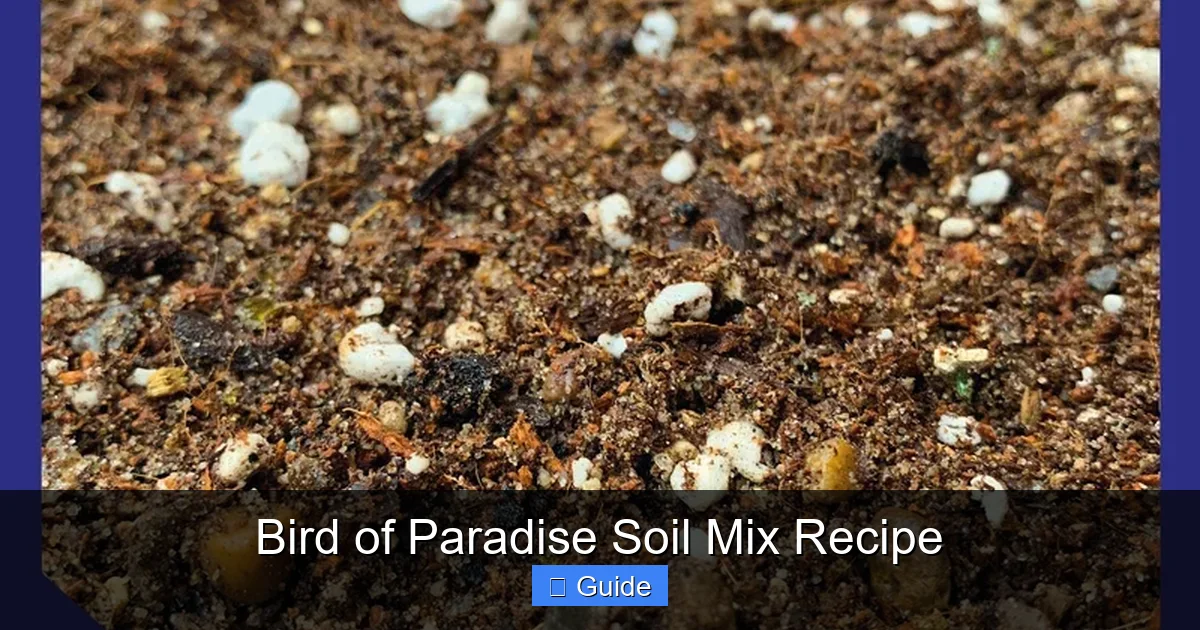
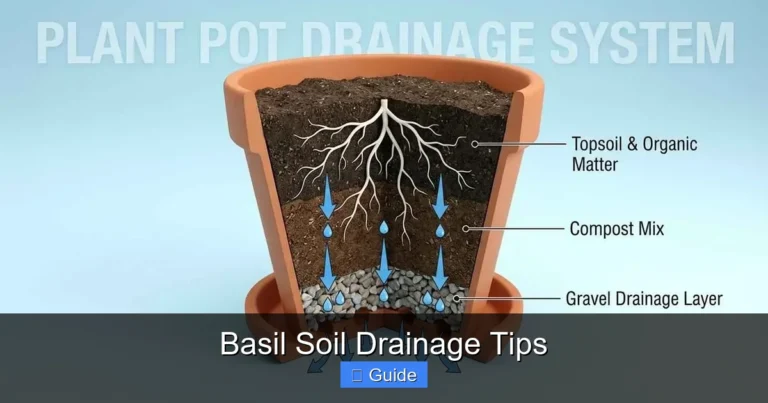
Visual guide about Bird of Paradise Soil Mix Recipe
Image source: static1.s123-cdn-static-a.com
Amendments for Drainage
Coarse horticultural sand (not play sand) and perlite are the two best drainage boosters. Sand adds weight and mimics the native riverbed texture. Perlite creates air pockets that stay open over time. Add 20 percent sand and 15 percent perlite to the blend. This ratio keeps the mix loose even after many watering cycles.
Organic Matter Options
Compost, well‑rotted leaf mold, or aged manure supply slow‑release nutrients and improve microbial life. Aim for 15 percent organic matter. If you use compost, make sure it is fully decomposed; fresh compost can generate heat and burn roots. A handful of worm castings per gallon of mix adds a gentle nutrient boost.
Optional Add‑Ons
For extra aeration, sprinkle a few percent of fine orchid bark or pumice. If your water is very hard, a pinch of elemental sulfur helps lower pH gradually. These extras are not mandatory but can fine‑tune performance for challenging conditions.
Step‑by‑Step Bird of Paradise Soil Mix Recipe
Gather Your Materials
Measure each component by volume using a bucket or large container. You will need: 4 parts peat‑free base or coir, 2 parts coarse sand, 1.5 parts perlite, 1.5 parts compost, and optional 0.5 parts orchid bark. Have a clean tarp or wheelbarrow ready for mixing.
Mixing Instructions
Spread the base material on the tarp. Sprinkle the sand evenly over the surface, then toss the perlite on top. Add the compost and optional bark. Using a garden fork or your hands, turn the pile repeatedly until the color looks uniform. Avoid compacting the mix; a light, fluffy texture is the goal.
Testing the Mix
Grab a handful and squeeze. It should hold together briefly then crumble when you release. Fill a small pot, water thoroughly, and watch drainage. Water should exit the bottom within 30 seconds. Test pH with a handheld meter; adjust with sulfur or lime if outside 6.0‑6.5.
Adjusting the Recipe for Different Conditions
Indoor vs Outdoor
Indoor containers dry faster because of lower humidity and limited root space. Increase perlite to 20 percent and reduce sand to 15 percent for extra aeration. Outdoor beds benefit from a bit more sand (25 percent) to handle heavy rains and prevent erosion.
Humid vs Dry Climates
In humid regions, raise the sand portion to 30 percent and cut compost to 10 percent to avoid excess moisture retention. In arid zones, keep compost at 20 percent and add a thin layer of mulch on top of the pot to slow evaporation.
Container Size Considerations
Small pots (under 12 inches) need a lighter mix; use 50 percent base, 15 percent sand, 20 percent perlite, 10 percent compost, 5 percent bark. Large tubs (over 24 inches) can handle more sand and bark for stability. Always leave an inch of space at the top for watering.
Common Mistakes and How to Avoid Them
Over‑Watering Because of Heavy Soil
Using garden soil or a peat‑heavy bag creates a dense layer that holds water like a sponge. Roots suffocate and rot. Stick to the prescribed bird of paradise soil mix recipe and check moisture with your finger before each watering.
Using Garden Soil Straight From the Yard
Yard soil often contains clay, weed seeds, and pathogens. It also compacts quickly in pots. If you must stretch the mix, blend no more than 10 percent sterilized garden loam with the recommended components.
Neglecting pH Balance
Even a perfect texture fails if pH drifts. Alkaline water raises pH over time, locking out iron. Test every three months and amend with elemental sulfur or a liquid acidifier as needed.
Skipping Annual Refresh
Organic matter breaks down, sand settles, and perlite can float to the surface. Each spring, remove the top two inches of old mix and replace with fresh compost and a splash of new perlite. This simple top‑dressing restores structure and nutrients.
Maintaining Healthy Soil Over Time
Top‑Dressing and Refreshing
Spread a half‑inch layer of compost over the soil surface in early spring. Lightly work it into the top inch with a hand fork. Every two years, consider a full repot using a fresh batch of the bird of paradise soil mix recipe to reset the root zone.
Fertilizer Timing
Apply a balanced, slow‑release fertilizer (10‑10‑10) at half the label rate in early spring and again in midsummer. Avoid high‑nitrogen formulas after August; they encourage soft growth that winter can damage.
Monitoring Root Health
When repotting, inspect roots for firm white tips. Brown, mushy roots signal over‑watering or poor drainage. Trim damaged sections with sterile scissors and dust cuts with cinnamon powder as a natural fungicide before placing the plant back into fresh mix.
Conclusion
Creating your own bird of paradise soil mix recipe is a rewarding way to give this spectacular plant the foundation it deserves. By balancing drainage, moisture retention, and nutrition you mimic the plant’s native riverbank home and set the stage for lush foliage and vibrant blooms. Remember to test, adjust, and refresh the mix regularly. With a little attention to the soil, your bird of paradise will thrive for years, turning any space into a tropical showcase.
Frequently Asked Questions
How do I know if my bird of paradise soil mix recipe is draining properly?
Water the pot and observe the drainage holes; water should flow out within 30 seconds. If it pools, increase perlite or sand.
Can I make the mix without peat or coir?
Yes, substitute the base with equal parts coarse sand and fine bark, but keep the overall ratios of drainage and organic matter the same.
What size container is best for a mature bird of paradise?
A container at least 18 inches wide and deep gives roots room to expand and stabilizes the tall foliage.
Should I add mulch on top of the soil mix?
A thin layer of bark mulch helps conserve moisture and moderates temperature, especially in hot, dry climates.
How do I correct a soil mix that has become too compacted?
Gently loosen the top few inches with a fork, incorporate fresh perlite and compost, and water thoroughly to re‑establish structure.
Is it okay to use tap water for watering bird of paradise?
Tap water is fine if its pH is near neutral; if it is highly alkaline, let it sit overnight or use a rain barrel to reduce mineral buildup.