Gasteria Care Guide for Beginners
Gasteria care guide for beginners shows you how to give these tough succulents the right light, water, and soil. Follow the simple steps and your plants will stay healthy and beautiful for years.
Welcome to the gasteria care guide for beginners. This guide will walk you through every step. You will learn how to keep your gasteria happy.
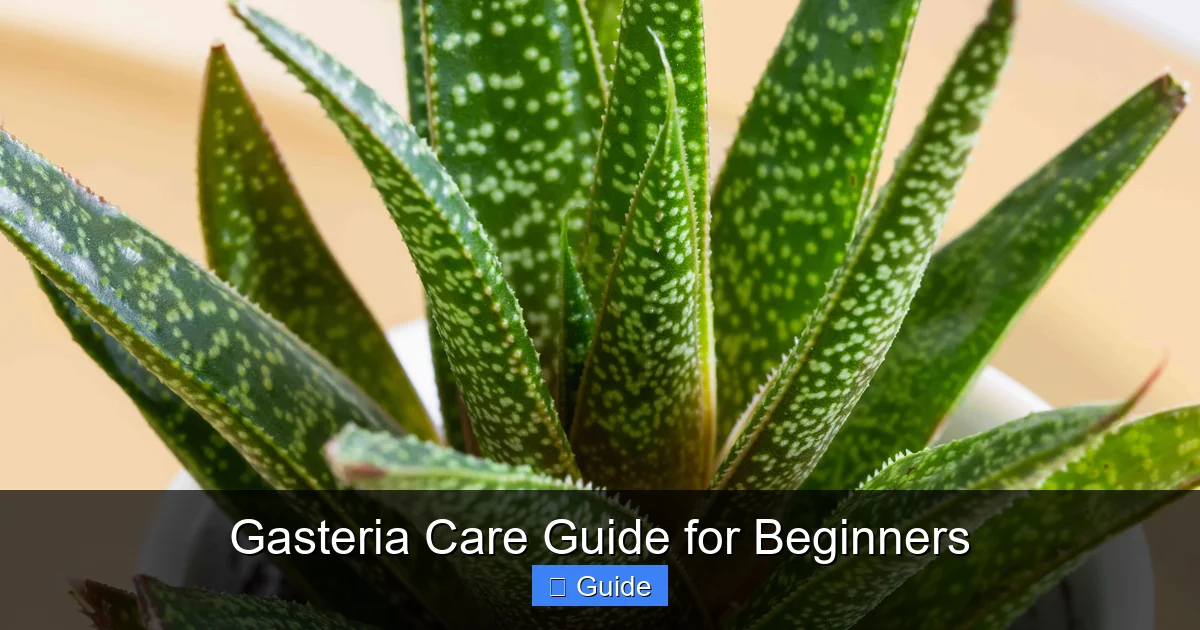
Gasteria are small succulents that thrive on neglect. They store water in thick leaves. They are perfect for busy plant lovers.
In this gasteria care guide for beginners you will find clear advice on light, water, soil, temperature, and propagation. Each tip is easy to follow.
Key Takeaways
- Light: Give bright, indirect light for best growth.
- Water: Water only when the soil is completely dry.
- Soil: Use a fast‑draining cactus mix or add perlite.
- Temperature: Keep temps between 60 °F and 85 °F.
- Propagation: Separate offsets or leaf cuttings in spring.
- Pests: Watch for mealybugs and treat early with neem oil.
Quick Answers to Common Questions
How often should I water my gasteria?
Water only when the soil is completely dry, typically every two weeks in summer and once a month in winter.
What type of light is best for gasteria?
Bright indirect light is ideal; a south‑facing window with a sheer curtain works well.
Can I propagate gasteria from a single leaf?
Yes, let the leaf callus for two days, then place it on dry soil and mist lightly until roots appear.
What soil mix should I use?
Use a cactus or succulent mix with added perlite or pumice for fast drainage.
How do I treat mealybugs on gasteria?
Dab the bugs with alcohol on a cotton swab, repeat weekly, and quarantine the plant until clear.
📑 Table of Contents
- Light Requirements in the gasteria care guide for beginners
- Watering Schedule in the gasteria care guide for beginners
- Soil and Potting in the gasteria care guide for beginners
- Temperature and Humidity in the gasteria care guide for beginners
- Propagation Methods in the gasteria care guide for beginners
- Common Problems and Solutions in the gasteria care guide for beginners
- Conclusion of the gasteria care guide for beginners
Light Requirements in the gasteria care guide for beginners
Best Light Conditions
Gasteria like bright indirect light. A south facing window with a sheer curtain works well. Direct sun can scorch the leaves.
If you have only low light the plant will survive but grow slower. You can add a grow light for extra brightness.
Morning sun is gentler than afternoon sun. Place the plant where it receives morning light for two hours. This gives energy without burn.
Signs of Too Much Light
Leaves may turn brown or white at the tips. The plant may look bleached. Move it to a shadier spot right away.
Crispy edges indicate sun stress. Reduce exposure immediately. The plant will recover in a few weeks.
Signs of Too Little Light
Leaves become stretched and pale. The plant leans toward the light source. Rotate the pot weekly for even growth.
Slow growth and thin leaves are clues. Add a fluorescent lamp if natural light is scarce. Keep the lamp twelve inches above the foliage.
Seasonal Light Adjustments
In winter days are shorter. Move the plant closer to the window. In summer protect it from harsh midday sun.
Use a sheer curtain in summer. Remove the curtain in winter for maximum light. This simple change keeps the plant balanced.
Artificial Light Options
LED grow lights work well for gasteria care guide for beginners. Choose a full spectrum bulb. Run the light twelve hours a day.
Fluorescent tubes are cheaper but less intense. Keep them six inches above the leaves. Adjust height as the plant grows.
Light Duration
Eight to ten hours of light is ideal. Too little light causes stretching. Too much light causes bleaching.
Use a timer to keep the schedule consistent. Consistency helps the plant set a rhythm.
Measuring Light Levels
A simple lux meter can measure brightness. Aim for 2000 to 4000 lux for healthy growth. Adjust placement based on the reading.
If you lack a meter, watch the leaf color. Deep green means enough light. Pale green means more light needed.
Watering Schedule in the gasteria care guide for beginners
How Often to Water
Water only when the soil is bone dry. Stick your finger two inches into the mix. If it feels dry it is time to water.
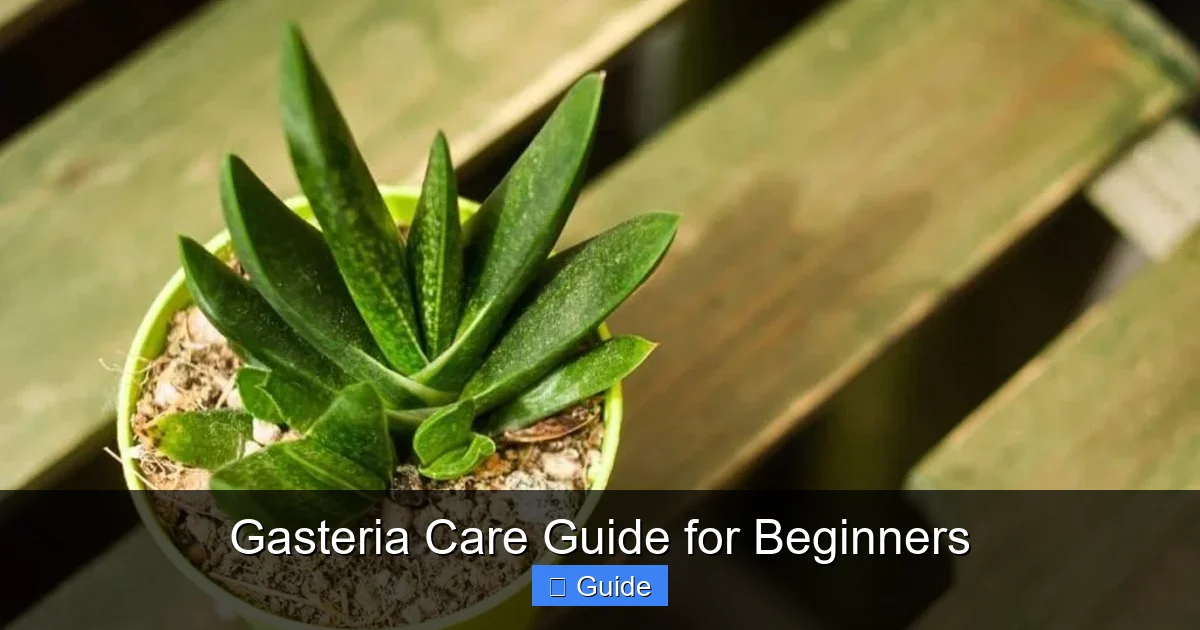
Visual guide about Gasteria Care Guide for Beginners
Image source: learningvale.com
In summer you may water every two weeks. In winter cut back to once a month.
Check the soil each week. A moisture meter can help. The reading should be near zero before you water.
How Much Water to Use
Soak the soil until water runs out of the drainage holes. Let the pot drain completely. Never let the plant sit in standing water.
Use room temperature water. Cold water shocks the roots. Warm water encourages uptake.
Common Watering Mistakes
Overwatering causes root rot. Underwatering makes leaves wrinkle. Adjust the schedule based on the season.
Do not water on a fixed calendar. Let the soil dictate the timing. This prevents both extremes.
Water Quality Tips
Rainwater or distilled water is best. Tap water with high salts can build up. Flush the soil monthly with clean water.
If you see white crust on the surface, leach the pot. Run water through until it runs clear.
Watering Tools
A narrow spout watering can gives control. A squeeze bottle works for tiny pots. Avoid a heavy garden hose.
Use a saucer to catch excess water. Empty the saucer after each watering. This keeps roots dry.
Signs of Thirst
Leaves feel soft and look slightly wrinkled. The soil pulls away from the pot edges. These are clear cues to water.
Do not wait until leaves are completely shriveled. Early watering prevents stress.
Adjusting for Pot Size
Small pots dry faster than large pots. Check small pots every three days. Large pots may need water only weekly.
Match watering frequency to pot volume. This keeps moisture even across the root zone.
Soil and Potting in the gasteria care guide for beginners
Best Soil Mix
Use a cactus or succulent mix. Add perlite or pumice for extra drainage. A 50/50 blend works well.
You can make your own mix. Combine one part potting soil, one part coarse sand, and one part perlite. Mix thoroughly.
Choosing the Right Pot
Pick a pot with drainage holes. Terracotta pots breathe better than plastic. Shallow pots suit the shallow root system.
Size the pot just larger than the root ball. Too much space holds excess moisture. This leads to rot.
Repotting Tips
Repot every two to three years. Spring is the best time. Gently remove old soil and place the plant in fresh mix.
Water lightly after repotting. Wait a week before the next watering. This lets roots heal.
Soil Amendments for Health
Add a pinch of worm castings for nutrients. Avoid heavy fertilizers. Succulents need little feeding.
Top dress with fine gravel. This keeps the soil surface dry. It also looks tidy.
Soil pH
Gasteria prefer a slightly acidic to neutral pH. Aim for 6.0 to 7.0. Test with a simple kit.
If pH is too high, add a bit of elemental sulfur. If too low, add a pinch of lime. Adjust slowly.
Adding Organic Matter
A small amount of compost improves texture. Too much organic matter retains water. Keep it under ten percent of the mix.
Mix compost thoroughly before planting. This prevents pockets of wet soil.
Testing Drainage
Water the pot and watch how fast it drains. Good drainage empties in under a minute. Slow drainage means more perlite needed.
If water pools on the surface, repot with a grittier mix. Fast drainage protects roots.
Temperature and Humidity in the gasteria care guide for beginners
Ideal Temperature Range
Gasteria prefer 60 °F to 85 °F. They can tolerate brief dips to 50 °F. Avoid frost at all costs.
Keep the plant away from heating vents. Sudden hot blasts dry the leaves. Consistent temperature is best.
Humidity Needs
Average home humidity is fine. No misting required. High humidity can encourage fungal spots.
If you live in a very dry climate, a pebble tray adds a little moisture. Do not let water touch the pot bottom.
Seasonal Adjustments
In winter keep the plant away from cold drafts. In summer provide good airflow to prevent heat stress.
Move the plant outdoors in mild weather. Bring it back before night temperatures drop below 55 °F.
Temperature Stress Signs
Leaves may curl inward when too hot. They may become mushy when too cold. Adjust location quickly.
A thermometer near the plant helps you monitor. Aim for a stable range day and night.
Night Temperature Drop
A modest night drop of ten degrees is fine. Large drops cause leaf damage. Keep night temps above 50 °F.
Use a small space heater if nights get too cold. Keep the heater away from direct contact.
Heat Wave Protection
During extreme heat, move the plant to a shaded porch. Increase watering slightly. Mist the air around the plant.
Do not place the pot on hot concrete. Use a wooden stand to insulate the roots.
Cold Frame Use
A cold frame extends the growing season. Vent it on sunny days. Close it at night to trap warmth.
This is useful for early spring propagation. It protects young offsets from frost.
Propagation Methods in the gasteria care guide for beginners
Offset Division
Offsets appear at the base of the mother plant. Wait until they have a few roots. Cut them away with a clean knife.
Let the cut dry for a day. Plant the offset in dry succulent mix. Water sparingly until new growth shows.
Label each offset if you have many. This tracks growth rates. It also helps you share with friends.
Leaf Cuttings
Select a healthy leaf. Twist it off cleanly. Allow the cut end to callus for two days.
Lay the leaf on dry soil. Mist lightly every few days. Roots and a tiny rosette will form in weeks.
Do not bury the leaf. Contact with soil is enough. Patience is key for leaf propagation.
Seed Propagation
Seeds are tiny and slow. Sow on the surface of moist sand. Keep warm and bright. Germination can take months.
Cover the tray with clear plastic. Vent daily to avoid mold. Transplant seedlings when they have two true leaves.
Timing and Success Tips
Spring and early summer give the highest success. Warm temperatures speed root formation. Avoid propagating in deep winter.
Use a rooting hormone powder for faster results. Dust the cut end lightly. This is optional but helpful.
Rooting Hormone Use
Rooting hormone contains auxins that stimulate roots. Dip the cut end before planting. Follow the product label.
Too much hormone can burn tissue. A light dusting is sufficient.
Water Propagation
Place a leaf cutting in a shallow dish of water. Change water every two days. Roots appear in two to three weeks.
Transfer to soil once roots are an inch long. This method works well for beginners.
Common Propagation Mistakes
Planting before callus forms leads to rot. Overwatering new cuttings causes fungal growth. Keep the medium barely moist.
Using heavy soil retains too much water. Always use a gritty mix for propagation.
Common Problems and Solutions in the gasteria care guide for beginners
Mealybugs
Mealybugs look like white cotton on leaves. Dab them with a cotton swab dipped in alcohol. Repeat weekly until gone.
Inspect the plant each time you water. Early detection stops an outbreak. Quarantine new plants for two weeks.
Root Rot
Root rot shows as black mushy roots. Remove the plant from the pot. Trim away rotten roots. Repot in fresh dry mix.
Do not water for a week after rep cuts heal. Then resume a light watering schedule.
Sunburn
Sunburn appears as bleached patches. Move the plant to indirect light. Trim severely damaged leaves.
Apply a thin layer of aloe gel on burned spots. This soothes tissue. New growth will replace the damaged area.
Leggy Growth
Leggy growth means not enough light. Increase light exposure. Rotate the pot for even growth.
Prune stretched stems back to a node. New compact growth will emerge. This restores a tidy shape.
Fungal Spots
Fungal spots look like brown circles with yellow halos. Remove affected leaves. Improve airflow around the plant.
Apply a copper based fungicide if spots spread. Follow label directions. Keep foliage dry to prevent recurrence.
Scale Insects
Scale insects appear as small brown bumps on stems. Scrape them off with a fingernail. Treat with neem oil spray.
Repeat treatment every seven days. Check undersides of leaves. Persistence eliminates the colony.
Aphid Control
Aphids cluster on new growth. Spray with a strong jet of water. Follow with insecticidal soap.
Encourage ladybugs in the garden. They eat aphids naturally. Avoid broad spectrum pesticides.
Preventive Care
Keep the growing area clean. Remove dead leaves promptly. Good hygiene reduces pest pressure.
Rotate plants each season. This disrupts pest life cycles. Healthy plants resist problems better.
Conclusion of the gasteria care guide for beginners
You now have a complete gasteria care guide for beginners. Follow the light, water, soil, and temperature tips. Propagate with confidence. Watch for pests and act fast. Your gasteria will reward you with years of beauty.
Enjoy your new succulent journey. Happy growing.
Frequently Asked Questions
What temperature range suits gasteria best?
Gasteria thrive between 60 °F and 85 °F. They tolerate brief dips to 50 °F but must be protected from frost.
Do gasteria need high humidity?
No, average household humidity is sufficient. High humidity can encourage fungal problems.
When is the best time to repot gasteria?
Spring is the optimal repotting season. Repot every two to three years using fresh, well‑draining mix.
Can I grow gasteria outdoors year‑round?
Only in climates where winter temperatures stay above 50 °F. Otherwise bring them indoors before frost.
How do I know if my gasteria is getting too much sun?
Leaves turn brown or white at the tips and may look bleached. Move the plant to a shadier spot immediately.
Is fertilizer necessary for gasteria?
Fertilizer is rarely needed. A light feeding with diluted cactus fertilizer once in spring is enough.