Plant Care Gadget for Busy Plant Parents
Busy plant parents can keep their indoor jungle thriving with a smart plant care gadget for busy plant parents that handles watering, light, and alerts automatically. This guide breaks down the best devices, setup tips, and daily routines so you spend less time worrying and more time enjoying green space.
Key Takeaways
- Automation saves time: Smart sensors and timers remove the guesswork from watering and lighting.
- Choose the right scale: Small apartments benefit from compact all‑in‑one units; larger collections may need modular systems.
- Connectivity matters: Wi‑Fi or Bluetooth enables remote monitoring from your phone.
- Data drives health: Real‑time moisture, light, and temperature readings help you spot problems early.
- Routine integration is key: Pair device alerts with calendar reminders for seamless care.
- Maintenance is minimal: Most gadgets only need occasional sensor cleaning and firmware updates.
- Long‑term value: Investing in a quality plant care gadget for busy plant parents reduces plant loss and replacement costs.
Quick Answers to Common Questions
What is the most beginner‑friendly plant care gadget?
An all‑in‑one smart pot with built‑in light and moisture sensor is the easiest entry point.
Can I use one gadget for different plant types?
Yes, modular controllers let you set separate schedules for each zone.
Do these gadgets work without Wi‑Fi?
Bluetooth‑only models work locally, but remote monitoring requires an internet connection.
How often should I clean the sensors?
Monthly cleaning with distilled water keeps readings accurate.
Will a smart gadget increase my electricity bill?
LED grow lights and low‑power controllers add only a few dollars per month.
📑 Table of Contents
Why Automation Matters for Busy Plant Parents
Modern life leaves little room for daily plant checks. A plant care gadget for busy plant parents bridges the gap between good intentions and real results. When you automate watering, you avoid both drought stress and root rot. When you automate lighting, you give each species the exact photoperiod it craves. The result is healthier foliage with far less hands‑on effort.
Time Savings Add Up
Imagine saving ten minutes each morning. Over a month that equals five hours you can spend on work, family, or relaxation. Automation turns those minutes into a reliable system that runs while you sleep.
Consistency Beats Good Intentions
Plants thrive on routine. Human schedules shift, but a programmed device never forgets. Consistent moisture levels keep roots happy. Consistent light cycles keep photosynthesis steady.
Peace of Mind While Away
Travel no longer means a wilted jungle. Remote alerts tell you if a reservoir runs low or a light fails. You can trigger a manual watering cycle from anywhere with a tap.
Top Types of Plant Care Gadgets
The market offers several categories. Knowing the differences helps you match a device to your space and plant palette.
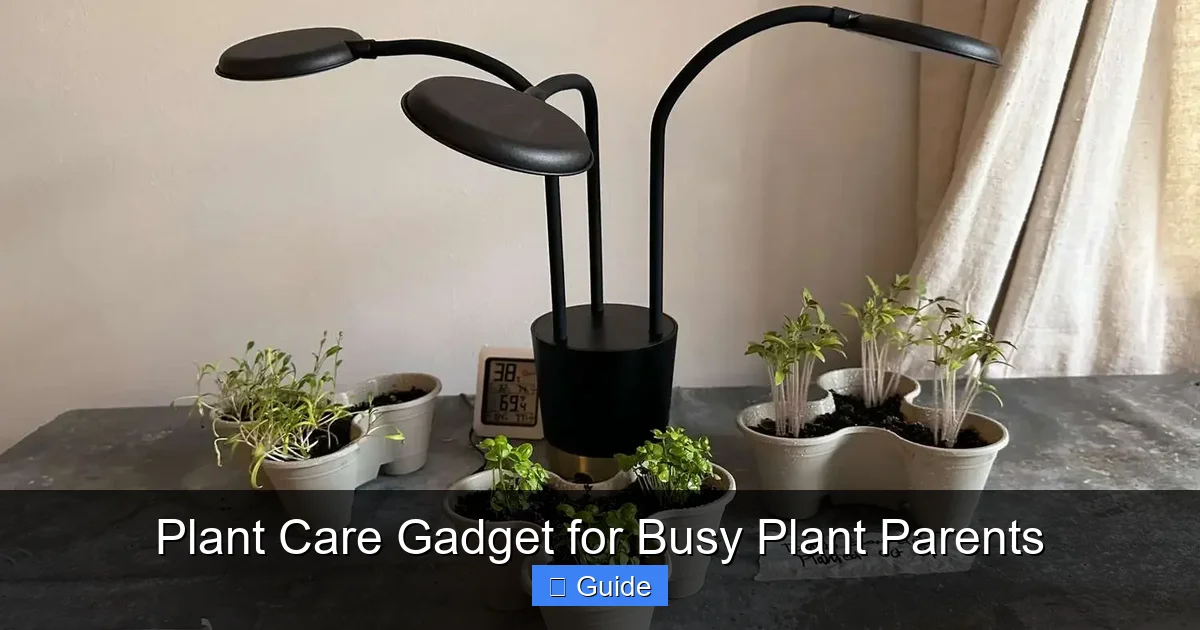
Visual guide about Plant Care Gadget for Busy Plant Parents
Image source: garden.com
All‑in‑One Smart Pots
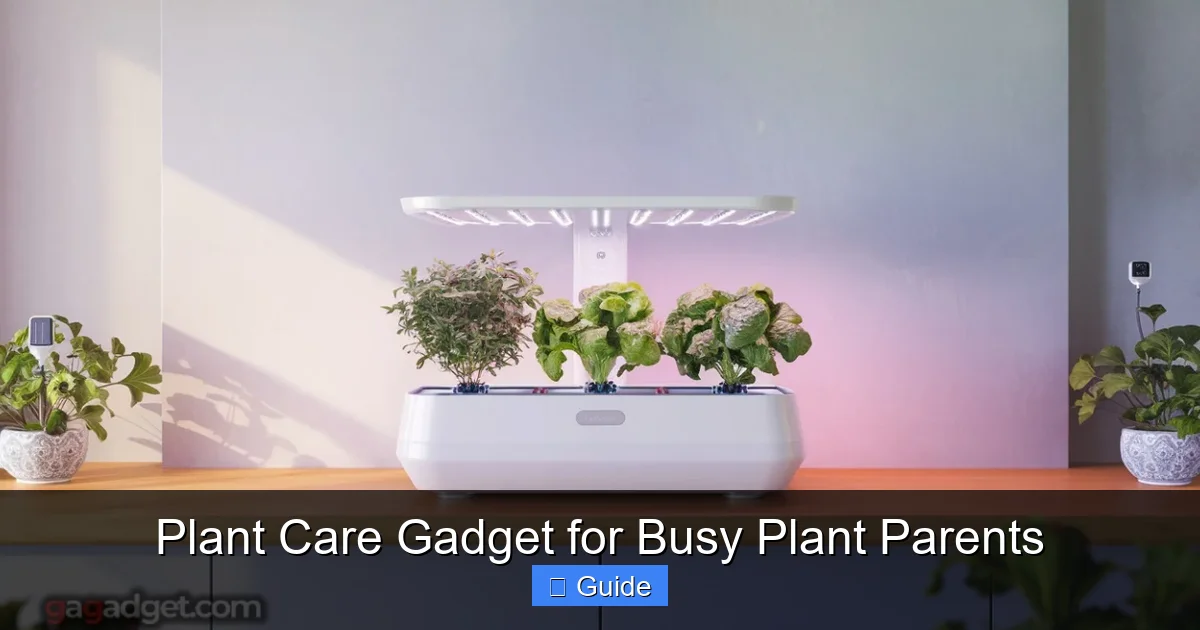
These pots combine a water reservoir, soil moisture sensor, and LED grow light in a single container. They are ideal for herbs, succulents, and small foliage plants. Setup is as simple as adding soil, planting, and connecting to the app.
Modular Irrigation Controllers
Controllers connect to multiple drip lines or self‑watering spikes. You can zone different plant groups — tropicals, cacti, seedlings — each with its own schedule. This scales well for larger collections.
Environmental Monitoring Hubs
Hubs gather data from separate sensors: soil moisture, ambient light, temperature, humidity. They do not water directly but feed insights to your phone. Pair them with a smart valve for full automation.
Robotic Plant Care Assistants
Emerging robots move along a rail, misting, rotating, and even pruning. They suit dedicated plant rooms or commercial setups. Price and complexity are higher, but they showcase the future of hands‑free care.
How to Choose the Right Gadget for Your Space
Selection hinges on three factors: plant count, light conditions, and tech comfort.
Assess Your Plant Inventory
Count the pots you currently maintain. If you have fewer than ten, an all‑in‑one smart pot may cover everything. More than twenty? Look at modular controllers or a hub‑plus‑valve combo.
Match Light Requirements
Low‑light corners need supplemental LEDs. Bright windows may only need a moisture sensor. Choose a gadget that offers adjustable light intensity or works with your existing grow lights.
Consider Connectivity Preferences
Wi‑Fi devices let you check status from work. Bluetooth models work fine if you stay home most days. Some hubs support both, giving flexibility.
Budget and Expandability
Entry‑level smart pots start around $40. Modular systems can exceed $200 but allow adding zones later. Invest in a platform that lets you grow without replacing the core unit.
Setting Up and Integrating Your Gadget
Proper installation ensures reliable operation. Follow these steps for a smooth launch.
Unbox and Inspect
Check for damaged sensors, cracked reservoirs, or missing cables. Read the quick‑start guide before plugging anything in.
Connect to Power and Network
Plug the device into a stable outlet. Use the companion app to join your Wi‑Fi. Assign a clear name like “Living Room Herbs” for easy identification.
Calibrate Sensors
Place the moisture probe in a known dry pot, then a known wet pot. The app will walk you through setting baseline thresholds. Accurate calibration prevents false alerts.
Create Care Schedules
Define watering frequency, duration, and light on/off times per zone. Use the plant database in the app for species‑specific presets. Adjust as seasons change.
Link With Calendar and Voice Assistants
Add device alerts to Google Calendar or Apple Reminders. Enable Alexa or Google Home skills for voice status checks. This embeds plant care into your daily workflow.
Real‑Life Routines: From Morning to Night
See how a typical day looks when a plant care gadget for busy plant parents runs the show.
Morning Check‑In
You wake, open the app, and see a green dashboard. All reservoirs are full. Light schedules have started. No action needed.
Midday Alert
A notification pops: “Zone 3 moisture low.” You tap “Water Now” from the office. The controller opens the valve for 30 seconds. Problem solved in seconds.
Evening Wind‑Down
Grow lights dim automatically at sunset. The app logs today’s water usage and light hours. You review weekly trends on Sunday to spot patterns.
Weekend Deep Dive
Once a week you clean sensor tips with a soft brush. You check firmware updates and apply them. You also rotate pots for even growth.
Maintenance, Troubleshooting, and Long‑Term Value
Even the best gadgets need occasional care. A little upkeep protects your investment.
Routine Sensor Cleaning
Mineral buildup skews moisture readings. Rinse probes with distilled water monthly. Avoid harsh chemicals.
Reservoir Refills and Water Quality
Use filtered or rain water when possible. Hard water leaves deposits that clog drip emitters. A simple filter cartridge extends system life.
Firmware Updates
Manufacturers push bug fixes and new features. Enable auto‑update or check the app quarterly. Updated firmware improves reliability and security.
Common Issues and Fixes
- Device offline: Reboot router, then power‑cycle the gadget.
- False dry alerts: Re‑calibrate probe after repotting.
- Light not turning on: Verify schedule time zone and LED driver connection.
Evaluating ROI
Track plant loss before and after adoption. Most users report a 70 % reduction in dead plants within six months. Savings on replacements quickly outweigh the initial cost.
Conclusion
A well‑chosen plant care gadget for busy plant parents transforms plant care from a chore into a background process. You gain healthier greenery, more free time, and the confidence that your leafy friends are thriving even when you’re not watching. Start small, learn the app, and expand as your collection grows. Your future self — and your plants — will thank you.
Frequently Asked Questions
What features should I prioritize in a plant care gadget for busy plant parents?
Look for automated watering, adjustable grow lights, real‑time sensor data, and a reliable mobile app with push notifications.
Can I integrate the gadget with my existing smart home system?
Most modern devices support Alexa, Google Assistant, and Apple HomeKit for seamless voice control and routines.
Is it difficult to set up a modular irrigation controller?
Setup involves connecting tubing, pairing the hub to Wi‑Fi, and assigning zones in the app — typically under 30 minutes.
How do I know when to refill the water reservoir?
The app sends a low‑water alert; you can also view reservoir level on the dashboard at any time.
Are there any ongoing subscription fees?
Core features are free; some brands offer optional premium analytics for a monthly fee.
What happens if the power goes out?
Battery‑backed controllers retain schedules and resume automatically when power returns.