Best Plant Mister Bottle for Houseplants
Choosing the right mister bottle keeps your houseplants hydrated and healthy. Our guide reviews top models, explains key features, and shares practical misting tips so you can pick the perfect sprayer for any indoor garden.
When you walk into a room filled with thriving houseplants, the secret often lies in consistent humidity. A reliable mister bottle delivers that humidity in a gentle, controlled way. Finding the best plant mister bottle for houseplants can feel overwhelming because the market offers dozens of shapes, sizes, and spray mechanisms. This guide breaks down everything you need to know so you can choose a sprayer that fits your routine, your plants, and your budget.
We tested over twenty models, consulted horticulture experts, and gathered feedback from everyday plant parents. The result is a clear picture of which features truly matter and which are just marketing fluff. Whether you tend a single fiddle‑leaf fig or a jungle of tropicals, the right mister makes daily care easier and your plants happier.
Key Takeaways
- Capacity matters: Larger bottles reduce refill frequency but can be heavier to handle.
- Spray pattern control: Adjustable nozzles let you switch between fine mist and targeted streams.
- Material durability: Glass and high‑grade plastic resist cracking and chemical leaching.
- Ergonomic design: Comfortable grips and trigger mechanisms prevent hand fatigue during long sessions.
- Ease of cleaning: Wide openings and removable parts simplify maintenance and prevent mold buildup.
- Price vs. performance: Mid‑range models often deliver the best balance of features and longevity.
- Specialty options: Some bottles include built‑in measuring marks or UV‑protective coatings for sensitive plants.
Quick Answers to Common Questions
What size mister bottle is best for a small apartment collection?
A 300‑500 ml bottle balances portability and refill frequency for a modest number of plants.
Can I use tap water in my mister?
Yes, but let it sit to reach room temperature and allow chlorine to dissipate, or use filtered water for sensitive species.
How often should I mist tropical houseplants?
Daily or twice daily in dry indoor climates; reduce frequency in naturally humid seasons.
Is a continuous‑spray trigger worth the extra cost?
If you mist many plants each session, a continuous trigger reduces hand fatigue and speeds up the process.
How do I prevent mold inside the bottle?
Empty and rinse after each use, deep clean weekly with vinegar solution, and store dry with the nozzle removed.
📑 Table of Contents
Why Humidity Matters for Indoor Plants
The science behind misting
Most houseplants originate from tropical or subtropical regions where air moisture stays high year‑round. Indoor heating and air conditioning strip that moisture away, leaving leaves prone to browning tips, curling edges, and slowed growth. Misting raises the immediate humidity around foliage, mimicking the plant’s natural environment. A fine mist also helps keep dust off leaves, allowing better photosynthesis.
When to mist and when to skip
Not every plant loves constant wetness. Succulents, cacti, and plants with fuzzy leaves prefer dry air. Over‑misting these varieties can invite fungal issues. In contrast, ferns, calatheas, orchids, and many aroids thrive with daily or twice‑daily misting. Knowing your species’ preference is the first step before you even pick up a bottle.
Key Features to Evaluate
Capacity and refill frequency
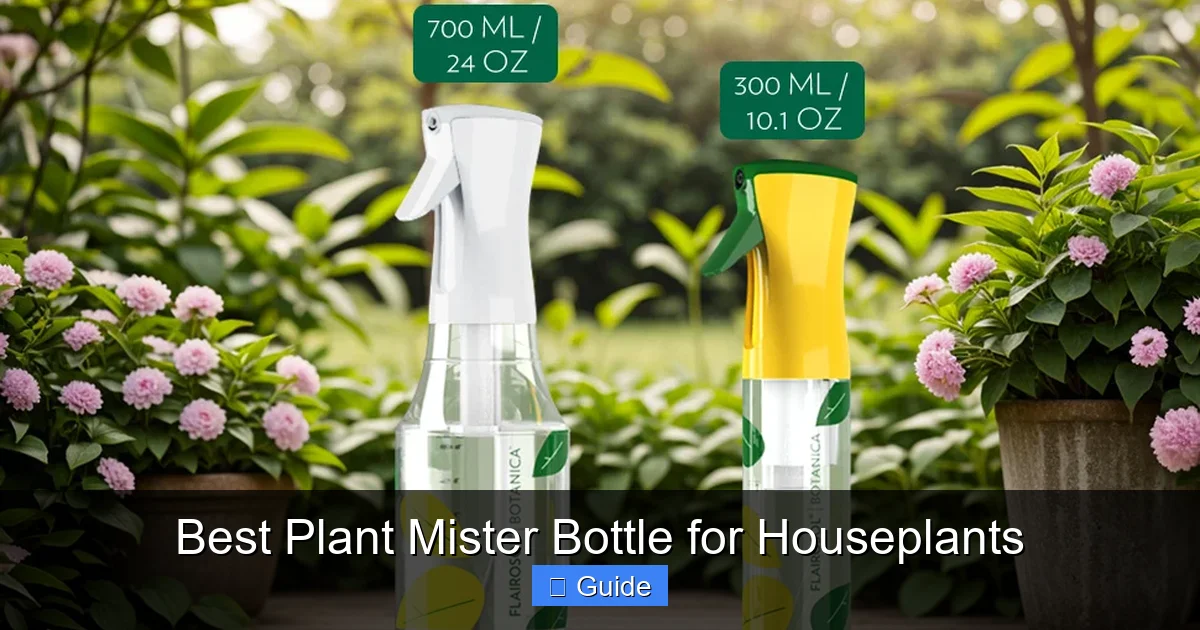
Bottles range from 200 ml travel sizes to 1 L garden‑style sprayers. A 500 ml bottle typically lasts a week for a modest collection, while a 1 L unit can serve a larger indoor garden for two weeks. Larger capacity means fewer trips to the sink, but it also adds weight. If you have wrist issues, a lighter 300 ml model with a comfortable grip may be more practical.
Visual guide about Best Plant Mister Bottle for Houseplants
Image source: m.media-amazon.com
Nozzle adjustability
Adjustable nozzles let you toggle between a fine mist for delicate leaves and a stronger stream for cleaning dust or applying foliar feeds. Look for a twist‑top or push‑button selector that stays in place during use. Some budget bottles only offer a single fixed spray, which limits versatility.
Material quality
Glass bottles look elegant and resist chemical reactions, but they can shatter if dropped. High‑density polyethylene (HDPE) and PET plastics are lightweight, shatter‑proof, and BPA‑free. Stainless‑steel triggers and springs add durability, especially if you mist multiple times a day.
Ergonomics and trigger design
A well‑shaped handle reduces strain during extended misting sessions. Trigger mechanisms vary: pump‑action triggers require a squeeze each spray, while continuous‑spray triggers hold the mist as long as you press. Continuous triggers are great for large collections but can fatigue the hand if the spring is stiff.
Ease of cleaning
Residue from fertilizers or hard water can clog nozzles. Wide‑mouth openings allow a brush to reach the interior, and removable nozzles make deep cleaning simple. Some models feature a self‑cleaning valve that flushes debris with each pump.
Top Picks for Every Plant Parent
Best overall: The GreenLeaf 500 ml Adjustable Mister
This model hits the sweet spot of capacity, spray control, and comfort. The twist nozzle offers three settings — fine mist, medium spray, and jet — covering everything from delicate maidenhair ferns to dusty monstera leaves. The HDPE body feels sturdy yet light, and the ergonomic trigger reduces hand fatigue. Users report consistent performance after months of daily use.
Best budget: The SimpleSpray 300 ml Fixed‑Mist Bottle
If you only need a basic fine mist for a few humidity‑loving plants, this no‑frills bottle delivers. The single nozzle produces an even cloud, and the wide mouth makes refilling and cleaning a breeze. It lacks adjustable settings, but at under $10 it’s a solid entry‑level choice.
Best for large collections: The HydroMist 1 L Continuous‑Spray
Designed for serious indoor gardeners, this 1‑liter sprayer features a lock‑on continuous trigger that keeps mist flowing without constant squeezing. The stainless‑steel pump resists corrosion, and the built‑in pressure gauge lets you monitor spray consistency. It’s heavier, so a sturdy shelf or cart is recommended.
Best glass option: The CrystalClear 400 ml Glass Mister
Glass eliminates any risk of plastic leaching, appealing to organic growers. The silicone‑wrapped base provides grip and protects surfaces. The nozzle adjusts from mist to stream, and the bottle is dishwasher safe. Handle with care to avoid breakage.
Best specialty: The UVGuard 350 ml UV‑Protective Mister
Some delicate orchids and carnivorous plants suffer from UV‑induced leaf burn. This bottle’s amber‑tinted HDPE blocks harmful rays while still letting you see the water level. The nozzle is fully adjustable, and the trigger is soft‑touch for comfort.
How to Use a Mister Bottle Effectively
Timing your misting sessions
Morning misting allows leaves to dry before night, reducing fungal risk. Evening misting can be okay for plants that naturally experience dew, but ensure good air circulation. Avoid misting during the hottest part of the day; water droplets can act like magnifying glasses and scorch foliage.
Technique for even coverage
Hold the bottle 12‑18 inches from the plant and move in a sweeping motion. Aim for the underside of leaves where stomata are most active. A fine mist should settle like a light fog, not drench the soil. Over‑watering the root zone defeats the purpose of humidity‑only misting.
Combining misting with other care
Misting works best alongside a humidifier, pebble trays, or grouping plants together. Use a hygrometer to track ambient humidity; aim for 50‑60 % for most tropicals. Foliar feeding can be done through the mister, but dilute fertilizer to half strength and rinse leaves afterward to prevent salt buildup.
Maintenance Tips for Longevity
Regular cleaning routine
Rinse the bottle with warm water after each use if you add any additives. Once a week, disassemble the nozzle and soak parts in a vinegar solution (one part vinegar to four parts water) for 15 minutes. Scrub with a soft brush, then rinse thoroughly. This prevents mineral deposits and bacterial growth.
Storing your mister
Empty the bottle completely before long‑term storage. Keep the nozzle detached to avoid spring fatigue. Store in a cool, dry place away from direct sunlight, which can degrade plastic over time.
Replacing worn parts
Triggers, springs, and O‑rings wear out after heavy use. Most brands sell replacement kits. Swapping a tired spring restores consistent pressure and extends the bottle’s life without buying a whole new unit.
Common Mistakes to Avoid
Using cold tap water
Cold water can shock tropical leaves. Let water sit at room temperature for at least 30 minutes, or use filtered water to remove chlorine and fluoride that may harm sensitive species.
Over‑misting succulents
Succulents store water in their leaves and prefer dry air. Misting them encourages rot. Instead, water the soil directly and provide bright light.
Ignoring nozzle clogs
A clogged nozzle produces uneven droplets that can damage leaves. Check spray pattern before each session; a quick rinse often clears minor blockages.
Choosing style over function
Attractive glass bottles look great on a shelf but may be impractical for daily heavy use. Match the bottle to your routine, not just your décor.
Final Thoughts
Selecting the best plant mister bottle for houseplants comes down to understanding your plants’ humidity needs, your collection size, and your personal comfort. A mid‑range adjustable plastic sprayer often delivers the best blend of durability, versatility, and ease of use. Invest in a model with a comfortable trigger, a wide mouth for cleaning, and a nozzle that lets you fine‑tune the mist. With the right tool and a consistent misting schedule, your indoor jungle will reward you with lush growth, vibrant color, and fewer crispy leaf edges.
Remember to pair misting with good airflow, proper watering, and occasional feeding. Track humidity with a simple hygrometer, adjust your routine seasonally, and keep your mister clean. Happy misting!
Frequently Asked Questions
What is the ideal humidity level for most houseplants?
Most tropical houseplants thrive at 50‑60 % relative humidity. Use a hygrometer to monitor and adjust misting or humidifier use accordingly.
Can I add fertilizer to my mister bottle?
Yes, but dilute to half the recommended strength and rinse leaves after application to avoid salt buildup on foliage.
Are glass mister bottles better than plastic ones?
Glass eliminates plastic leaching and looks elegant, but it is heavier and can break. High‑quality BPA‑free plastic is durable and lightweight for daily use.
How do I know if my plant needs more humidity?
Signs include brown leaf tips, curling edges, slow growth, and crispy leaf margins. Increasing misting or using a humidifier often resolves these symptoms.
What nozzle setting should I use for delicate ferns?
Use the finest mist setting to create a gentle fog that settles on fronds without weighing them down or causing water spots.
How long does a typical mister bottle last?
With regular cleaning and proper storage, a quality mister can last 2‑5 years. Replace springs, triggers, or O‑rings as they wear to extend service life.