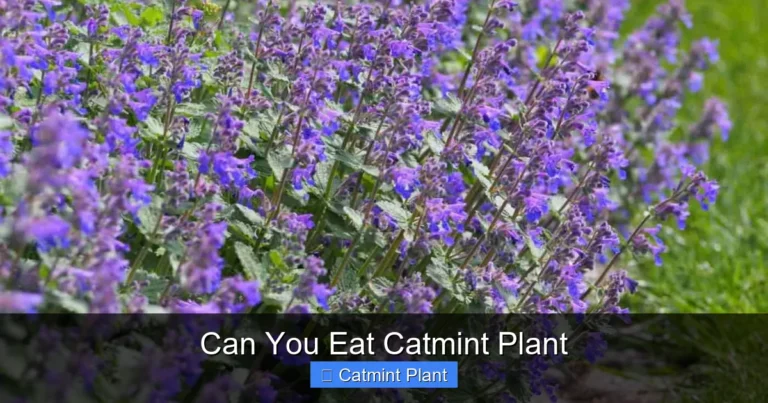
Https Www.gardeningknowhow.com Edible Herbs Mint Catmint-plant.htm
Catmint plant is a hardy perennial herb that thrives in sunny gardens with minimal care. It attracts pollinators, repels pests, and offers lovely lavender-blue blooms from spring through fall.
If you want a plant that gives you months of color, brings in the bees, and asks for almost nothing in return, let me introduce you to the catmint plant. This perennial herb has been a garden favorite for generations, and it is easy to see why. It forms neat mounds of gray-green leaves topped with spikes of lavender-blue flowers that just keep coming. You plant it once, and it rewards you year after year.
I first added catmint plant to my own border on a whim. I had a hot, dry spot near the driveway where nothing else seemed happy. Within a few weeks, the plant settled in and started blooming. Butterflies showed up. Bees buzzed all day. Even the neighborhood cats came by for a sniff. It quickly became one of the most reliable performers in my yard. If you are looking for a low-fuss beauty, this is it.
Key Takeaways
- Easy to grow: Catmint plant thrives in full sun and well-drained soil with little maintenance once established.
- Drought tolerant: This herb handles dry conditions well, making it perfect for water-wise gardens.
- Long bloom season: Expect flowers from late spring to early fall with proper deadheading.
- Pollinator magnet: Bees, butterflies, and hummingbirds love the nectar-rich blooms.
- Cat attraction: Cats may roll in or chew the foliage, though less intensely than with catnip.
- Versatile uses: Use catmint plant in borders, rock gardens, containers, or as a ground cover.
- Deer resistant: The aromatic foliage naturally deters deer and rabbits from browsing.
Quick Answers to Common Questions
What is the difference between catmint plant and catnip?
Catmint plant refers to ornamental Nepeta species grown for flowers, while catnip (Nepeta cataria) is a weedy species grown for cats. Catmint plant has showier blooms and better garden behavior.
How much sun does catmint plant need?
Catmint plant needs full sun, at least six hours of direct light daily. In very hot climates, light afternoon shade is acceptable but may reduce flowering.
When should I cut back catmint plant?
Shear catmint plant back by half after the first bloom flush in midsummer. Cut the whole plant to a few inches above ground in late fall or early spring.
Is catmint plant drought tolerant?
Yes, established catmint plant is very drought tolerant. It prefers dry conditions and suffers from overwatering. Water deeply but infrequently.
Can catmint plant grow in shade?
Catmint plant does not grow well in shade. It becomes leggy, produces few flowers, and is prone to powdery mildew. Full sun is essential for best performance.
📑 Table of Contents
- Getting to Know Catmint Plant
- Planting Catmint Plant for Success
- Caring for Your Catmint Plant
- Designing with Catmint Plant
- Benefits and Uses of Catmint Plant
- Troubleshooting Common Catmint Plant Problems
- Propagating Catmint Plant
- Seasonal Care Calendar for Catmint Plant
- Frequently Asked Questions About Catmint Plant
- Conclusion
Getting to Know Catmint Plant
What Is Catmint Plant?
Catmint plant belongs to the genus Nepeta. It is a member of the mint family, Lamiaceae. You might know its famous cousin, catnip (Nepeta cataria). Catmint plant shares the aromatic oils that drive cats wild, but it is grown mostly for its ornamental value. The leaves are small, toothed, and covered in fine hairs that give them a soft, silvery look. The flowers are tubular, two-lipped, and usually a shade of blue, purple, or lavender.
There are many species and cultivars of catmint plant. Some grow low and spreading. Others form upright clumps two to three feet tall. Most are hardy in USDA zones 3 through 8. They are native to Europe, Asia, and Africa but have naturalized in many parts of North America. Gardeners love them for their long bloom time, drought tolerance, and resistance to pests and diseases.
Catmint Plant vs. Catnip
People often confuse catmint plant with catnip. They are related, but they are not the same. Catnip (Nepeta cataria) is a weedy-looking plant with white flowers. It is grown specifically for cats. Catmint plant refers to ornamental species like Nepeta x faassenii, Nepeta racemosa, and Nepeta subsessilis. These have showier flowers, better garden habits, and are less appealing to cats. Your cat might still enjoy a roll in the catmint plant, but it will not destroy it the way they might with catnip.
Popular Catmint Plant Varieties
Choosing the right variety depends on your space and style. Here are a few standout catmint plant cultivars:
- ‘Walker’s Low’: This is the classic catmint plant. It grows 24 to 30 inches tall and wide. It has deep lavender-blue flowers and a long bloom season. It was named Perennial Plant of the Year in 2007.
- ‘Cat’s Meow’: A compact variety at 17 to 20 inches tall. It holds its shape well and does not flop. Great for smaller gardens or the front of a border.
- ‘Purrsian Blue’: Even smaller at 14 to 18 inches. It forms a tight, rounded mound. Perfect for containers or edging.
- ‘Six Hills Giant’: A larger catmint plant reaching 36 inches. It has a more open habit and masses of violet-blue flowers. Needs space to shine.
- ‘Junior Walker’: A dwarf version of ‘Walker’s Low’ at 15 to 18 inches. Same great color in a smaller package.
- Nepeta subsessilis ‘Candy Cat’: This catmint plant has larger, pinkish-purple flowers and glossier leaves. It prefers a bit more moisture than other types.
Planting Catmint Plant for Success
When to Plant Catmint Plant
The best time to plant catmint plant is in spring after the danger of frost has passed. You can also plant in early fall, giving the roots time to establish before winter. Avoid planting in the heat of summer unless you can water consistently. Spring planting gives you a full season of blooms the first year.

Visual guide about Https Www.gardeningknowhow.com Edible Herbs Mint Catmint-plant.htm
Image source: gardeningknowhow.com
Choosing the Right Spot
Catmint plant loves sun. Full sun means at least six hours of direct light daily. In hot southern climates, a little afternoon shade is okay. Too much shade leads to leggy growth and fewer flowers. The plant also needs good air circulation to prevent fungal issues. Space plants according to their mature width. For ‘Walker’s Low’, that means 24 to 30 inches apart.
Soil Requirements
Well-drained soil is non-negotiable for catmint plant. It hates wet feet. Heavy clay can cause root rot. If your soil is clay, amend it with compost, coarse sand, or fine gravel. A slightly alkaline to neutral pH (6.5 to 7.5) is ideal. Catmint plant tolerates poor soil better than rich soil. Too much fertility makes it floppy and reduces flowering.
How to Plant Catmint Plant
Dig a hole twice as wide as the root ball and just as deep. Gently loosen the roots if they are circling. Place the plant so the crown sits level with the soil surface. Backfill with native soil mixed with a little compost. Firm the soil gently. Water deeply to settle the roots. Mulch with gravel or shredded bark, keeping mulch away from the crown. Water regularly for the first few weeks until established.
Growing Catmint Plant in Containers
Catmint plant does well in pots. Choose a container at least 12 inches wide with drainage holes. Use a gritty potting mix designed for succulents or herbs. Add perlite or pumice for extra drainage. Place the pot in full sun. Water when the top inch of soil feels dry. Feed once in spring with a balanced slow-release fertilizer. Repot every two to three years in spring.
Caring for Your Catmint Plant
Watering Needs
Once established, catmint plant is remarkably drought tolerant. Water deeply but infrequently. Let the soil dry out between waterings. Overwatering is the fastest way to kill this plant. In most climates, rainfall is enough after the first year. During extreme heat or prolonged drought, give a good soak every two weeks. Container plants need more frequent checks.
Fertilizing Catmint Plant
Less is more. Catmint plant thrives in lean soil. A single application of compost in spring is plenty. Avoid high-nitrogen fertilizers. They promote leafy growth at the expense of flowers. If your plant looks pale or weak, a light feeding with a balanced organic fertilizer in early spring can help. But usually, it does not need it.
Deadheading and Pruning
Deadheading keeps catmint plant blooming. After the first flush of flowers fades, shear the plant back by one-third to one-half. This encourages a fresh wave of growth and blooms. You can use hedge shears for speed. Do this in midsummer. In late fall or early spring, cut the whole plant back to a few inches above ground. This removes old woody stems and makes way for new growth.
Dividing Catmint Plant
Every three to four years, the center of a catmint plant clump may die out. This is a sign it needs division. Do this in early spring as new growth emerges. Dig up the whole clump. Use a sharp spade or knife to cut it into sections, each with roots and shoots. Replant the divisions at the same depth. Water well. Discard the woody center. Division rejuvenates the plant and gives you free plants.
Winter Care
Catmint plant is hardy to zone 3 or 4 depending on the variety. In cold zones, leave the dead foliage in place over winter. It protects the crown. Apply a light mulch of straw or leaves after the ground freezes. Remove the mulch and cut back dead stems in early spring. In warmer zones, the plant may stay semi-evergreen. Just tidy it up in spring.
Designing with Catmint Plant
Companion Plants for Catmint Plant
Catmint plant plays well with others. Its soft blue flowers and gray foliage complement many colors. Here are winning combinations:
- Roses: The classic pairing. Catmint plant hides the bare legs of rose bushes and repels aphids.
- Salvia: Both love sun and drainage. The spiky flowers of salvia contrast beautifully with catmint plant’s softer spikes.
- Echinacea (Coneflower): Bold daisy flowers in pink, white, or orange pop against the lavender haze.
- Yarrow: Flat-topped flower clusters in yellow, red, or pink add texture.
- Russian Sage: Similar look but taller. Creates a layered effect.
- Ornamental Grasses: Feather reed grass or blue fescue add movement and structure.
- Lavender: A Mediterranean dream team. Both need the same conditions.
- Alliums: Purple globes floating above catmint plant in late spring are magical.
Garden Styles
Catmint plant fits many garden styles. In a cottage garden, let it spill over paths. In a formal border, shear it into neat mounds. In a rock garden, tuck it between stones. In a pollinator garden, plant it in drifts. In a xeriscape, it is a star performer. It also works well on slopes for erosion control. The spreading habit of some varieties makes a good ground cover.
Using Catmint Plant as Edging
Low-growing catmint plant varieties like ‘Purrsian Blue’ or ‘Cat’s Meow’ make excellent edging. Plant them 12 to 18 inches apart along a path or border front. They soften hard lines and release fragrance when brushed. Shear once after the first bloom to keep them tight. They define the space without blocking views.
Catmint Plant in Containers
Do not overlook pots. A single catmint plant in a terra cotta pot on a sunny patio blooms all summer. Pair it with trailing verbena or calibrachoa for a full look. Use a well-draining mix. Water when dry. Fertilize lightly. It brings pollinators right to your seating area.
Benefits and Uses of Catmint Plant
Pollinator Powerhouse
If you want to support bees, butterflies, and hummingbirds, plant catmint plant. The tubular flowers are perfectly shaped for long-tongued bees and butterflies. Hummingbirds visit frequently. The bloom season lasts for months, providing a steady nectar source. Plant it in groups of three or more for maximum impact. You will see activity from morning to dusk.
Pest and Disease Resistance
Catmint plant has few problems. The aromatic oils repel many insects. Deer and rabbits avoid it. Aphids sometimes appear on new growth but rarely cause serious damage. A strong spray of water knocks them off. Powdery mildew can occur in humid, crowded conditions. Prevent it with good spacing, full sun, and air flow. Root rot is the main killer, caused by wet soil. Drainage solves this.
Culinary and Herbal Uses
While not as common as mint or basil, catmint plant is edible. The leaves have a mild minty flavor with a hint of citrus. Use young leaves in salads, teas, or as a garnish. The flowers are edible too. They make a pretty addition to summer drinks or desserts. Traditionally, catmint plant tea was used for relaxation, digestion, and colds. Pregnant women should avoid medicinal use. Always identify the plant correctly before consuming.
Cat Enrichment
Many cats respond to catmint plant. They may sniff, lick, chew, or roll in it. The active compound is nepetalactone. It affects about 60 to 70 percent of cats. The reaction lasts 10 to 15 minutes. It is harmless and non-addictive. If your cat loves it, you can harvest stems, dry them, and stuff them into toys. Or just let the cat enjoy the plant in the garden. Most catmint plant varieties are tough enough to handle a little feline attention.
Cut Flowers
Catmint plant stems make lovely cut flowers. Harvest when half the flowers on a spike are open. Cut in the morning. Place stems in water immediately. They last five to seven days in a vase. The gray-green foliage adds texture to arrangements. Mix with roses, peonies, or zinnias for a country look.
Troubleshooting Common Catmint Plant Problems
Floppy or Leggy Growth
If your catmint plant flops open in the center, it usually means too much shade, too much water, or too much fertilizer. Move it to a sunnier spot. Cut back on water and feeding. Shear it back hard after the first bloom. This promotes bushier growth. Staking is rarely needed if conditions are right.
Yellowing Leaves
Yellow leaves often signal overwatering or poor drainage. Check the soil. If it stays soggy, improve drainage or move the plant. Nutrient deficiency is rare but possible in very sandy soil. A light feed of compost tea can help. Remove badly yellowed leaves to improve appearance.
No Flowers
A catmint plant that refuses to bloom is usually getting too much nitrogen or not enough sun. Stop fertilizing. Ensure at least six hours of direct sun. If the plant is old and woody, it may need division. Divide in spring to rejuvenate. Deadheading spent blooms also encourages more flowers.
Center Die-Out
This is natural aging. The center becomes woody and stops producing leaves. The plant becomes a ring. The fix is division. Dig it up in spring. Cut away the dead center. Replant the vigorous outer sections. You will get multiple healthy plants.
Powdery Mildew
Looks like white dust on leaves. Common in humid weather with poor air flow. Thin the plant by removing some stems. Water at the base, not overhead. Apply a homemade spray of 1 tablespoon baking soda, 1 teaspoon horticultural oil, and 1 gallon water. Or use a sulfur-based fungicide. Resistant varieties like ‘Walker’s Low’ are less prone.
Propagating Catmint Plant
Division
Division is the easiest and most reliable method. Do it in early spring. Dig up the clump. Cut into sections with a sharp knife or spade. Each piece needs roots and green shoots. Replant immediately. Water well. The new plants will bloom the same year.
Stem Cuttings
Take softwood cuttings in late spring or early summer. Cut 4 to 6 inch stems just below a node. Remove lower leaves. Dip the cut end in rooting hormone. Stick in moist perlite or sand. Cover with a plastic bag. Place in bright, indirect light. Roots form in two to three weeks. Pot up and grow on.
Seed
Catmint plant grows from seed, but named cultivars will not come true. Species types like Nepeta racemosa will. Sow indoors 6 to 8 weeks before last frost. Barely cover seeds. They need light to germinate. Keep moist at 65 to 70 degrees F. Germination takes 10 to 20 days. Transplant after frost. Or direct sow in spring.
Layering
Low stems that touch the ground often root naturally. You can encourage this by pinning a stem down with a stone or wire. Cover the contact point with soil. Keep moist. Roots form in a few weeks. Cut the new plant from the mother and transplant.
Seasonal Care Calendar for Catmint Plant
Spring
- Cut back dead stems to 3 to 4 inches above ground.
- Apply a thin layer of compost around the base.
- Divide crowded or dying-out clumps.
- Plant new catmint plant after last frost.
- Water new plantings regularly until established.
Summer
- Enjoy the first flush of blooms.
- Deadhead or shear back by half after first bloom fades.
- Water only during extended drought.
- Watch for aphids on new growth; spray off with water.
- Take cuttings for propagation if desired.
Fall
- Enjoy second (and sometimes third) bloom flush.
- Stop deadheading in early fall to let plant harden off.
- Leave foliage standing for winter protection.
- Apply winter mulch in cold zones after ground freezes.
- Collect seeds if growing species types.
Winter
- Do nothing. The plant is dormant.
- Brush off heavy snow if it bends stems.
- Plan new varieties for spring planting.
- Order bare-root plants for early spring delivery.
Frequently Asked Questions About Catmint Plant
Is catmint plant invasive?
Catmint plant spreads by clumping, not by aggressive runners like true mints. It self-seeds modestly. Deadheading prevents unwanted seedlings. It is not considered invasive in most areas. Check local lists if concerned.
Does catmint plant repel mosquitoes?
The oils in catmint plant, particularly nepetalactone, have been shown to repel mosquitoes in lab studies. However, simply growing the plant in your yard will not create a mosquito-free zone. Crushing the leaves and rubbing them on skin offers some temporary personal protection.
Can I grow catmint plant indoors?
It is difficult. Catmint plant needs intense light, cool nights, and good air flow. Indoor conditions usually lead to leggy, weak growth and no flowers. It is best grown outdoors. If you must bring a pot inside for winter, place it in a cool, sunny window and water sparingly.
Why is my catmint plant not flowering?
Most common reasons: too much shade, too much nitrogen fertilizer, or the plant needs division. Ensure full sun. Stop fertilizing. Divide old clumps in spring. Deadhead spent blooms to encourage more.
Is catmint plant safe for pets?
Yes. Catmint plant is non-toxic to dogs and cats. Cats may eat it and get a mild buzz. Dogs usually ignore it. Large amounts might cause mild stomach upset. It is safe to grow in pet-friendly yards.
How long does catmint plant live?
With division every few years, a catmint plant can live indefinitely. Individual clumps may decline after 3 to 5 years without division. The plant itself is a long-lived perennial.
Conclusion
Catmint plant is one of those rare plants that checks every box. Beautiful? Yes. Long-blooming? Absolutely. Low maintenance? You bet. Drought tolerant? Check. Pollinator friendly? Big time. Deer resistant? Naturally. Versatile? Fits anywhere. Whether you are a new gardener or a seasoned pro, catmint plant deserves a spot in your garden.
Start with one reliable variety like ‘Walker’s Low’ or ‘Cat’s Meow’. Plant it in a sunny, well-drained spot. Water it in. Then step back and watch it go. You will be rewarded with months of lavender-blue blooms, buzzing bees, and maybe a blissed-out cat or two. It is gardening made easy. And isn’t that what we all want?
So go ahead. Add catmint plant to your list this spring. Your garden will thank you. Your pollinators will thank you. And you will wonder how you ever gardened without it.
Frequently Asked Questions
How do I prevent catmint plant from flopping open?
Flopping is usually caused by too much shade, water, or fertilizer. Plant in full sun, avoid rich soil, and water sparingly. Shear back by half after the first bloom to encourage bushy growth.
Will catmint plant spread aggressively?
No, catmint plant spreads slowly by clumping, not by runners. It may self-seed lightly. Deadheading prevents unwanted seedlings. It is not considered invasive.
What are the best companion plants for catmint plant?
Excellent companions include roses, salvia, coneflower, yarrow, Russian sage, ornamental grasses, lavender, and alliums. All share similar sun and soil needs.
Can I eat catmint plant?
Yes, the leaves and flowers are edible with a mild minty flavor. Use young leaves in salads or tea. Flowers make pretty garnishes. Avoid medicinal use during pregnancy.
How often should I divide catmint plant?
Divide catmint plant every three to four years in early spring when the center becomes woody and dies out. Division rejuvenates the plant and produces new plants.
Why are the leaves on my catmint plant turning yellow?
Yellow leaves usually indicate overwatering or poor drainage. Catmint plant hates wet soil. Ensure excellent drainage and let soil dry between waterings. Remove affected leaves.