Do Deer Eat Catmint Plants
Catmint is highly deer-resistant due to its strong aromatic oils and fuzzy texture that deer find unappealing. While no plant is completely deer-proof, catmint remains one of the best choices for gardens in high-deer-pressure areas.
Key Takeaways
- Catmint is naturally deer-resistant: Its strong minty fragrance and essential oils deter deer from browsing.
- Texture matters too: The fuzzy, slightly rough leaves create an unpleasant mouthfeel for deer.
- No plant is 100% deer-proof: Hungry deer in harsh winters may sample even resistant plants.
- Young plants are more vulnerable: Newly planted catmint needs extra protection until established.
- Companion planting boosts protection: Surround catmint with other aromatic herbs for a stronger barrier.
- Fencing and repellents add security: Physical barriers and scent deterrents work well with catmint’s natural defenses.
- Catmint offers multiple benefits: Beyond deer resistance, it attracts pollinators, tolerates drought, and blooms for months.
Quick Answers to Common Questions
Do deer eat catmint plants in normal conditions?
No, deer rarely eat catmint plants under normal conditions due to their strong aromatic oils and fuzzy texture.
When are deer most likely to eat catmint?
Deer may eat catmint during severe winters, droughts, when populations are overcrowded, or when plants are young and unestablished.
Which catmint variety is most deer resistant?
Nepeta x faassenii ‘Walker’s Low’ is considered the gold standard for deer resistance among catmint varieties.
Should I protect newly planted catmint from deer?
Yes, protect all new catmint plantings for their first growing season with cages or repellents until they become established.
Can catmint protect other plants from deer?
Yes, planting catmint as a border or companion plant can help deter deer from more vulnerable nearby plants through its strong scent.
📑 Table of Contents
- Understanding Catmint and Its Appeal
- Do Deer Eat Catmint Plants? The Short Answer
- Why Deer Typically Avoid Catmint
- When Deer Might Eat Catmint Anyway
- Protecting Your Catmint from Deer
- Companion Planting Strategies for Deer Resistance
- Best Catmint Varieties for Deer Resistance
- Catmint Care for Maximum Deer Resistance
- Beyond Deer: Catmint’s Other Benefits
- Common Mistakes That Reduce Deer Resistance
- Real Gardeners Share Their Experiences
- Designing a Deer-Resistant Garden With Catmint
- Frequently Asked Questions About Catmint and Deer
- Conclusion
Understanding Catmint and Its Appeal
If you garden in deer country, you know the frustration. You plant something beautiful. You water it. You wait. Then one morning you find nothing but stems. Deer have visited. Again.
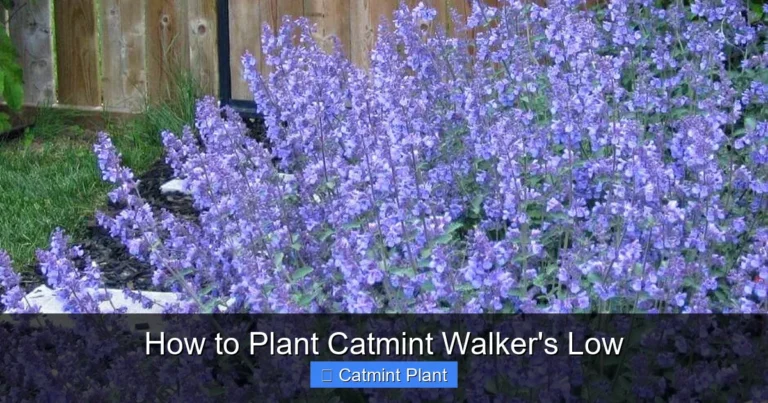
Catmint might be your answer. This perennial herb belongs to the mint family. Its scientific name is Nepeta. Gardeners love it for good reason. It produces clouds of lavender-blue flowers. It blooms from late spring through fall. Bees and butterflies flock to it. And critically, deer tend to leave it alone.
But you’re here because you want the real story. Do deer eat catmint plants? The short answer brings relief to most gardeners. Yet the full picture matters. Let’s explore everything you need to know.
Do Deer Eat Catmint Plants? The Short Answer
Generally No, But With Exceptions
Do deer eat catmint plants? In the vast majority of cases, no. Catmint ranks among the most deer-resistant perennials available. Rutgers University rates it as “Rarely Damaged” on their deer resistance scale. That’s their highest rating.

Visual guide about Do Deer Eat Catmint Plants
Image source: lawnlove.com
Most gardeners report zero deer damage on established catmint. The plants grow undisturbed year after year. Even in neighborhoods where hostas disappear overnight, catmint stands tall.
When Deer Might Nibble
However, “rarely damaged” doesn’t mean “never damaged.” Do deer eat catmint plants when desperate? Yes. Several scenarios increase risk:
- Severe winter conditions with deep snow cover
- Drought that eliminates natural food sources
- Overpopulation of deer in your area
- Young, tender plants in spring
- Newly planted specimens not yet established
A starving deer will eat almost anything. But catmint remains a last resort. Think of it like kale for a toddler. They’ll eat it if nothing else exists. But they’ll choose cookies every time.
Regional Differences Matter
Deer pressure varies enormously by location. Suburban areas with no hunting often have bold deer. These deer learn to test new plants. Rural areas with hunting pressure typically have warier deer. They stick to known safe foods.
Talk to neighbors. Check local garden centers. Your county extension office tracks deer browsing patterns. Local knowledge beats general advice every time.
Why Deer Typically Avoid Catmint
The Power of Scent
Deer rely heavily on smell. Their noses contain roughly 297 million olfactory receptors. Humans have about 5 million. They detect odors we never notice.
Catmint releases potent volatile oils. The primary compound is nepetalactone. This same compound drives cats wild. To deer, it signals “avoid.” The scent is intense, minty, and slightly musky. It masks other attractive plant smells nearby.
When deer browse, they sniff each plant first. Catmint fails the smell test immediately. They move on without a bite.
Texture Creates Discomfort
Run your fingers over catmint leaves. Feel that soft fuzz? That’s trichomes. Tiny hair-like structures cover the foliage. They serve multiple purposes for the plant. They reduce water loss. They deter insects. And they irritate deer mouths.
Deer prefer smooth, tender foliage. Think hosta, daylily, or rose leaves. Fuzzy, rough, or leathery textures discourage feeding. Catmint’s texture adds a second layer of defense beyond scent.
Essential Oils Cause Digestive Upset
If a deer ignores scent and texture and takes a bite, the oils cause trouble. Nepetalactone and related compounds can create mild digestive distress. Deer learn quickly. One unpleasant experience teaches avoidance.
This learned behavior spreads. Deer observe each other. A fawn watches its mother reject catmint. The lesson passes down. Over time, local deer populations avoid the plant entirely.
Low Nutritional Value for Deer
Deer seek high-energy foods. Acorns, corn, soybeans, tender shoots. Catmint offers minimal calories. Its fibrous stems and oil-rich leaves provide little nutrition. Evolution favors efficient foraging. Deer instinctively skip low-return plants.
When Deer Might Eat Catmint Anyway
The Starvation Scenario
Let’s be honest. Do deer eat catmint plants when starving? Absolutely. Winter creates the highest risk. Deep snow buries natural forage. Deer yards concentrate animals. Competition intensifies.
In these conditions, deer browse everything. They strip bark from trees. They eat invasive species they normally avoid. Catmint’s woody crowns and persistent foliage become targets.
Spring brings another danger zone. New growth emerges before native plants green up. Tender young catmint shoots lack full oil concentration. Deer may sample them.
High Population Density Changes Behavior
Overpopulated deer herds alter ecosystems. They eliminate preferred foods first. Then they move down the preference list. Catmint shifts from “avoid” to “acceptable” to “necessary.”
This happens in suburban areas without predators. It occurs near feeding stations. It develops where hunting is prohibited. If you see browse lines on arborvitae at five feet, expect catmint pressure too.
Individual Deer Variation Exists
Just like people, deer have individual preferences. Some are bold experimenters. Others are conservative. A few “problem deer” may develop a taste for catmint. These individuals teach others.
Bucks in rut behave erratically. They chase does through gardens. They thrash plants with antlers. Damage occurs without feeding intent. But broken stems invite browsing.
Drought Stress Increases Palatability
Stressed plants change chemically. Drought-stressed catmint may produce fewer defensive oils. The foliage becomes more succulent. Deer detect these changes. They target weakened plants.
Water your catmint during dry spells. Healthy plants defend themselves better.
Protecting Your Catmint from Deer
Start With Smart Placement
Location matters. Plant catmint near your house. Deer hesitate close to human activity. Place it beside paths you use daily. Dog presence adds deterrence. Even a small dog marks territory deer respect.
Avoid planting at property edges. Don’t put catmint along deer trails. Don’t place it near woods boundaries. These are browsing zones.
Protect New Plantings Aggressively
Young catmint is vulnerable. The root system hasn’t established. Oil production is lower. Foliage is tender. Protect every new plant for its first season.
Use physical barriers. Chicken wire cages work well. Make them 18 inches tall. Secure them firmly. Remove once plants reach mature size. Usually one growing season suffices.
Apply Repellents Strategically
Scent-based repellents complement catmint’s natural defenses. Rotate products. Deer habituate to single scents. Apply before damage starts. Prevention beats cure.
Effective options include:
- Putrescent egg solids (strongest, longest-lasting)
- Garlic oil concentrates
- Predator urine (coyote, bobcat)
- Blood meal (also fertilizes)
- Commercial blends with multiple active ingredients
Reapply after rain. Follow label intervals. Treat early spring growth especially.
Consider Temporary Fencing
For high-pressure situations, fencing works. You don’t need a fortress. Four-foot welded wire around beds stops most browsing. Deer jump high but rarely jump into small enclosures. They fear trapping.
Electric fencing provides stronger deterrence. A single strand at 30 inches works. Bait it with peanut butter on foil. Deer investigate, get shocked, learn avoidance. Solar chargers make this easy.
Use Motion-Activated Devices
Technology helps. Motion sprinklers startle deer. They spray water when triggered. Move them periodically. Deer adapt to fixed positions.
Ultrasonic devices show mixed results. Some gardeners swear by them. Others see no effect. They’re worth trying as part of a layered approach.
Companion Planting Strategies for Deer Resistance
Create Aromatic Barriers
Surround catmint with other deer-resistant herbs. The combined scent confuses deer. They can’t isolate preferred plants. Effective companions include:
- Russian sage (Perovskia)
- Lavender (Lavandula)
- Sage (Salvia officinalis)
- Thyme (Thymus)
- Oregano (Origanum)
- Bee balm (Monarda)
- Yarrow (Achillea)
Plant in drifts, not single specimens. Mass planting amplifies scent. It creates visual impact too.
Layer by Height
Deer browse at specific heights. Most feeding occurs between 12 and 48 inches. Use this knowledge. Plant tall resistant species behind catmint. Use short ones in front. Create a textured wall.
Tall layer (4-6 feet):
- Joe Pye weed
- Switchgrass
- Feather reed grass
- Russian sage
Middle layer (2-3 feet) – your catmint zone:
- Catmint varieties
- Salvia
- Coreopsis
- Coneflower
Low layer (under 12 inches):
- Creeping thyme
- Sedum
- Lamb’s ear
- Dianthus
Include Toxic or Bitter Plants
Some plants contain compounds deer absolutely avoid. Intersperse these for maximum protection:
- Daffodils (toxic alkaloids)
- Foxglove (cardiac glycosides)
- Monkshood (highly toxic)
- Bleeding heart (alkaloids)
- Hellebores (bitter, toxic)
Deer learn these plants cause illness. They avoid entire areas containing them.
Sacrificial Planting Strategy
Some gardeners plant “deer candy” deliberately. Place preferred plants far from valued beds. Deer feed there instead. This works in large properties. It fails in small yards where everything is close.
Better approach: accept some loss on expendable plants. Protect the irreplaceable ones.
Best Catmint Varieties for Deer Resistance
Nepeta x faassenii ‘Walker’s Low’
This classic variety earned Perennial Plant of the Year. It grows 24-30 inches tall. Lavender-blue flowers bloom June through September. The fragrance is intense. Deer avoidance is reliable. It’s the gold standard.
Nepeta ‘Cat’s Pajamas’
A newer compact variety. Only 12-14 inches tall. Perfect for front borders. Dense habit. Prolific bloomer. Same deer resistance in a smaller package.
Nepeta subsessilis ‘Sweet Dreams’
Pink-flowered form. Unusual color for catmint. Grows 18-24 inches. Prefers slightly more moisture. Equally deer resistant.
Nepeta racemosa ‘Little Titch’
Tiny mound at 8-10 inches. Ideal for rock gardens. Edges paths beautifully. Intense fragrance concentrated in small foliage.
Nepeta ‘Six Hills Giant’
Larger form at 36 inches. Great for middle borders. Vigorous grower. May need staking. Superb deer resistance.
Species Catmint: Nepeta cataria
True catnip. The one cats love most. White flowers. Reseeds aggressively. Deer avoid it strongly. Can become weedy. Use with caution.
Catmint Care for Maximum Deer Resistance
Full Sun Produces Stronger Oils
Catmint needs six plus hours of direct sun. Shade reduces oil production. Weak oils mean less deer deterrence. Plant in your sunniest spots.
Lean Soil Enhances Defenses
Rich soil promotes lush, tender growth. Deer love that. Lean, even rocky soil creates tougher plants. Higher oil concentration. Don’t fertilize heavily. A light compost layer in spring is plenty.
Proper Watering Builds Resilience
Established catmint is drought tolerant. But regular water during the first season builds deep roots. Deep roots access moisture during stress. Stressed plants lose defenses. Water deeply but infrequently.
Shearing Encourages Fresh Growth
After first bloom flush, shear plants back by half. This triggers rebloom. It also produces fresh, oil-rich foliage. The new growth is most deer resistant. Do this in midsummer.
Division Maintains Vigor
Divide clumps every three to four years. Spring or fall. Old centers die out. Vigorous plants produce more defensive compounds. Division also gives you free plants for new beds.
Beyond Deer: Catmint’s Other Benefits
Pollinator Magnet
While deer avoid it, bees adore it. Honeybees, bumblebees, native bees. Butterflies too. Hummingbirds visit occasionally. Plant catmint and support pollinators all season.
Long Bloom Season
Few perennials bloom as long. Late May through October with shearing. That’s five months of color. Most perennials give two to three weeks.
Drought Tolerance
Once established, catmint laughs at drought. Its deep taproot finds water. Silver foliage reflects heat. It thrives where other plants fail.
Erosion Control
Spreading habit covers slopes. Roots stabilize soil. Plant on banks. Use along driveways. It solves problems beautifully.
Cut Flower Potential
Stems last a week in vases. The airy texture adds movement to arrangements. Harvest when half the flowers are open.
Herbal Uses
Leaves make a calming tea. Similar to chamomile. Mild mint flavor. Harvest before flowering for best quality. Dry in small bundles.
Common Mistakes That Reduce Deer Resistance
Overwatering and Overfertilizing
Kindness kills resistance. Lush, soft growth attracts deer. Tough love creates tough plants. Water deeply but rarely. Skip fertilizer entirely.
Planting in Shade
Shade-grown catmint gets leggy. Foliage thins. Oils diminish. Deer browse it readily. Full sun only.
Neglecting New Plants
The first year is critical. Unprotected new plants get eaten. Then you conclude “catmint doesn’t work.” Protect them. They’ll reward you for decades.
Choosing Wrong Varieties
Some ornamental catmints have reduced fragrance. Breeding for flower size sometimes sacrifices oils. Stick with proven varieties listed above.
Isolating Single Plants
One catmint plant in a sea of hostas gets found. Deer investigate outliers. Plant in groups of three, five, or seven. Mass scent protects better.
Real Gardeners Share Their Experiences
Success Stories
Maria in Pennsylvania: “I’ve grown Walker’s Low for eight years. Deer walk right past it to eat my neighbor’s hostas. Not one bite taken.”
James in Michigan: “High deer pressure here. Catmint is the only perennial they don’t touch. I’ve expanded it everywhere.”
Lisa in Virginia: “Even during the terrible winter of 2014, when deer ate my arborvitae to the snow line, catmint was untouched.”
Cautionary Tales
Tom in New Jersey: “New planting, no protection. Deer ate every one the first night. Lesson learned. Cage them the first year.”
Sarah in Ohio: “Drought summer. My established catmint got nibbled. Not destroyed, but sampled. Water during dry spells.”
Robert in Connecticut: “Bucks in rut trampled my bed. Broken stems attracted browsing. Fence during November.”
Designing a Deer-Resistant Garden With Catmint
Front Yard Curb Appeal
Use catmint along foundations. It stays neat. Blooms all summer. Deer won’t eat your landscaping investment. Pair with boxwood (also deer resistant) for structure.
Pollinator Pathways
Create corridors. Catmint, coneflower, bee balm, black-eyed Susan. Connect habitat patches. Support wildlife movement. Enjoy the show.
Gravel Garden Style
Catmint thrives in gravel. Plant in pea gravel beds. Low maintenance. Excellent drainage. Modern aesthetic. Deer resistant by design.
Cottage Garden Charm
Let catmint spill over paths. Soften edges. Mix with roses (protect roses separately). Add lavender, salvia, yarrow. Romantic and practical.
Frequently Asked Questions About Catmint and Deer
Do deer eat catmint plants in winter?
Rarely. The woody crowns persist above snow. Deer might browse them only in extreme starvation conditions. Most winters see zero damage.
Will deer eat catmint flowers?
Flowers contain the same oils as foliage. Deer avoid them. You’ll enjoy full bloom displays without deer pruning.
Is catmint the same as catnip for deer resistance?
Both are deer resistant. True catnip (Nepeta cataria) has stronger oils but reseeds aggressively. Ornamental catmints are better behaved garden plants.
Do rabbits eat catmint?
Generally no. Rabbits avoid it for the same reasons as deer. Scent, texture, and oils deter them too.
Can I grow catmint in containers to avoid deer?
Yes! Containers on decks or patios stay deer-free. Use large pots. Ensure drainage. Water more frequently than ground plants.
How long until catmint is fully deer resistant?
First season with protection. Second season without. Mature plants (year three+) are maximally resistant.
Conclusion
Do deer eat catmint plants? The evidence is overwhelming. They almost never do. Catmint stands as one of the most reliable deer-resistant perennials you can grow. Its combination of intense fragrance, fuzzy texture, and digestive-irritating oils creates a triple defense system that deer consistently avoid.
But smart gardeners know there are no absolutes in nature. Extreme conditions can override any plant’s defenses. The key is understanding the exceptions and planning for them. Protect new plantings. Water during drought. Fence during rut season. Layer your defenses with companion plants and repellents.
When you do, catmint rewards you magnificently. Months of blooms. Clouds of pollinators. Aromatic foliage that releases scent with every breeze. And the quiet satisfaction of watching deer walk right past your garden, leaving your catmint perfectly intact.
Plant some this spring. Choose a sunny spot. Give it lean soil and a first-year cage. Then step back and enjoy one of gardening’s rare victories: a plant that’s beautiful, useful, and genuinely deer resistant.
Frequently Asked Questions
Do deer eat catmint plants in winter?
Deer rarely eat catmint in winter. The woody crowns persist above snow, and deer only browse them during extreme starvation when no other food is available.
Will deer eat catmint flowers or just the leaves?
Deer avoid both catmint flowers and leaves. The flowers contain the same aromatic oils that make the foliage unpalatable to deer.
Is catmint the same as catnip for deer resistance?
Both catmint (Nepeta x faassenii) and catnip (Nepeta cataria) are highly deer resistant, but ornamental catmint varieties are better behaved in gardens.
Do rabbits eat catmint plants like deer do?
No, rabbits typically avoid catmint for the same reasons as deer: the strong scent, fuzzy texture, and irritating essential oils deter them.
How long until catmint becomes fully deer resistant?
Catmint reaches full deer resistance after its first growing season. Protect new plants for year one, then they’ll defend themselves naturally.
Can I use catmint as a border to protect other plants from deer?
Yes, planting catmint as a border or interplanted with vulnerable species creates an aromatic barrier that helps deter deer from the entire area.