Do Cats Like Catmint Plant
Yes, most cats absolutely love catmint plant! This aromatic herb triggers a euphoric response in about 70-80% of felines, similar to catnip but often milder. Learn why cats react to catmint, how to grow it safely, and the key differences between catmint and catnip for your furry friend.
If you have ever watched a cat roll around in pure bliss after sniffing a certain plant, you have witnessed the magic of catmint. But do cats like catmint plant as much as they like catnip? The short answer is yes, most cats absolutely adore it. However, there is much more to this story than a simple yes or no. As a cat parent, understanding the nuances of catmint can help you provide safe, enriching experiences for your feline companion.
In this comprehensive guide, we will explore everything you need to know about cats and catmint. We will cover the science behind the reaction, the differences between catmint and catnip, how to grow your own, safety considerations, and creative ways to offer this herb to your pet. Whether you are a seasoned cat owner or a new adopter, this article will give you the confidence to introduce catmint into your cat’s life responsibly.
Key Takeaways
- Most cats love catmint: Around 70-80% of cats show a positive reaction to catmint plant, exhibiting playful and relaxed behaviors.
- Catmint vs catnip are different: Catmint (Nepeta faassenii) and catnip (Nepeta cataria) are related but distinct plants with different potency levels.
- Genetics determine response: Sensitivity to catmint is hereditary; kittens under 3-6 months and some adult cats may not react at all.
- Safe and non-addictive: Catmint is completely safe for cats, non-toxic, and non-habit-forming when used appropriately.
- Easy to grow at home: Catmint thrives in sunny spots with well-drained soil, making it perfect for garden beds or containers.
- Multiple forms available: Offer fresh leaves, dried herb, sprays, or catmint-filled toys to see what your cat prefers.
- Moderation is key: Limit exposure to 10-15 minutes per session to prevent overstimulation and maintain the herb’s effectiveness.
Quick Answers to Common Questions
Do all cats like catmint plant?
No, about 20-30% of cats lack the genetic sensitivity to nepetalactone and show no interest in catmint. Kittens under 3-6 months also typically do not respond.
Is catmint the same as catnip?
No, catmint (Nepeta faassenii) and catnip (Nepeta cataria) are different species. Catnip is more potent; catmint produces a milder, often more relaxed reaction.
Can cats eat catmint safely?
Yes, catmint is non-toxic. Small amounts of fresh or dried leaves are safe. Large quantities may cause mild stomach upset due to fiber, but serious toxicity is not a concern.
How long does a catmint reaction last?
The typical euphoric response lasts 10-15 minutes, followed by a refractory period of 1-2 hours during which the cat will not respond to more catmint.
Can I grow catmint indoors for my cat?
Yes, catmint grows well in sunny windowsills or under grow lights. Use a heavy pot, well-draining soil, and protect young plants from being destroyed before they establish.
📑 Table of Contents
- What Is Catmint Plant
- The Science Behind Why Cats Like Catmint
- Typical Cat Reactions to Catmint
- Is Catmint Safe for Cats
- How to Grow Catmint for Your Cat
- Creative Ways to Offer Catmint to Your Cat
- Catmint for Multi-Cat Households
- Catmint Alternatives for Non-Responders
- Common Myths About Catmint
- Troubleshooting Catmint Issues
- Catmint in Commercial Cat Products
- Seasonal Considerations
- Conclusion
What Is Catmint Plant
Catmint plant, scientifically known as Nepeta faassenii or Nepeta x faassenii, is a perennial herb belonging to the mint family, Lamiaceae. It is a hybrid species, often resulting from a cross between Nepeta racemosa and Nepeta nepetella. Gardeners prize catmint for its lovely lavender-blue flowers, aromatic gray-green foliage, and long blooming season from late spring through early fall.
Unlike its wilder cousin catnip, catmint has a more compact, mounding growth habit. It typically reaches heights of 12 to 24 inches and spreads about 18 to 24 inches wide. The leaves are small, toothed, and release a pleasant, spicy-minty fragrance when brushed or crushed. This scent comes from volatile oils, primarily nepetalactone, the same compound that drives cats wild.
Botanical Background
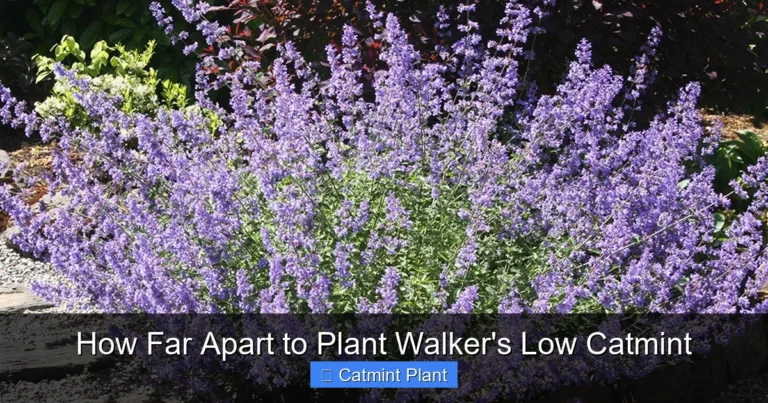
The genus Nepeta contains over 250 species. Most are native to Europe, Asia, and Africa. Catmint is a cultivated garden favorite, bred for ornamental value and sterility, meaning it does not self-seed aggressively like catnip. Popular cultivars include ‘Walker’s Low’, ‘Six Hills Giant’, and ‘Cat’s Pajamas’. These varieties offer slightly different flower colors, plant sizes, and bloom times, but all share the characteristic feline appeal.
Catmint Versus Catnip: The Key Differences
This is the most common point of confusion. While both plants belong to the Nepeta genus and both contain nepetalactone, they are distinct species. Catnip (Nepeta cataria) is a weedy, upright plant that can grow three to four feet tall. It has white flowers with pale purple spots and a rangy, somewhat messy appearance. Catmint (Nepeta faassenii) is lower, tidier, and showier with dense spikes of blue-purple flowers.
In terms of cat appeal, catnip generally packs a stronger punch. The concentration of nepetalactone in catnip is higher. Catmint produces a milder, often more relaxed reaction. Some cats who go bonkers for catnip may only show mild interest in catmint. Conversely, cats who are overwhelmed by catnip might enjoy catmint’s gentler touch. Think of catnip as espresso and catmint as a soothing herbal tea.
The Science Behind Why Cats Like Catmint
Why do cats like catmint plant? The answer lies in chemistry and evolutionary biology. The active ingredient is nepetalactone, a volatile oil found in the leaves, stems, and seed pods of the plant. When the plant material is bruised or crushed, this oil releases into the air.

Visual guide about Do Cats Like Catmint Plant
Image source: thespruce.com
How Nepetalactone Works
When a cat sniffs catmint, nepetalactone molecules enter the nasal cavity and bind to olfactory receptors. These receptors send signals to the brain, specifically the olfactory bulb, which projects to the amygdala and the hypothalamus. The amygdala governs emotional responses. The hypothalamus regulates behavioral and neuroendocrine responses, including the “fight or flight” system and sexual behavior.
This neural pathway mimics the effect of feline sex pheromones. Essentially, nepetalactone acts as a pseudo-pheromone. It triggers a behavioral cascade that includes sniffing, licking, chewing, head shaking, chin and cheek rubbing, head-over rolling, and body rubbing. Some cats vocalize, drool, or become very playful. Others enter a trance-like state of relaxation. The response typically lasts 10 to 15 minutes.
The Genetic Factor
Not every cat reacts to catmint. Sensitivity is an autosomal dominant genetic trait. Estimates suggest 70 to 80 percent of domestic cats possess the gene. If a cat lacks the gene, no amount of catmint will elicit a response. This trait is not breed-specific, though some lines may have higher prevalence.
Kittens under three to six months of age generally do not respond, even if they carry the gene. The olfactory and neural pathways are not fully developed. Senior cats may also show diminished interest. If your cat ignores catmint, do not worry. It is simply genetics, not a defect.
Why Do Plants Produce Nepetalactone
From the plant’s perspective, nepetalactone is not for cats. It is an insect repellent. Research shows nepetalactone is as effective as DEET at repelling mosquitoes, flies, cockroaches, and termites. It also deters herbivores like deer and rabbits. The fact that it sends cats into ecstasy is an evolutionary coincidence. Cats likely encountered these plants in the wild and the interaction persisted because it caused no harm and perhaps offered some parasitic relief through rolling.
Typical Cat Reactions to Catmint
When you offer catmint to a responsive cat, you will see a range of behaviors. Understanding these helps you distinguish enjoyment from overstimulation.
The “Catmint Dance”
The classic sequence starts with intense sniffing. The cat may lick or chew the leaves. Then comes the cheek and chin rubbing, depositing scent glands. This is often followed by the hallmark “head-over” roll, where the cat flops onto its side or back, writhing in apparent bliss. Hind leg kicking, often called “bunny kicks,” may accompany this. Some cats grab the toy or plant with front paws and kick vigorously with back legs.
Playful Energy Versus Mellow Chill
Catmint tends to produce a more sedate reaction compared to catnip. Many cats become dreamy and affectionate. They may purr loudly, gaze softly, and seek petting. Others get a burst of zoomies energy, racing through the house, pouncing on imaginary prey. Both are normal. Observe your cat’s personality. A typically high-energy cat might mellow out. A laid-back cat might get silly.
Signs of Overstimulation
Watch for dilated pupils, skin rippling on the back, tail thrashing, ears flattening, or sudden biting/swatting. These signal the cat has had enough. Immediately remove the catmint source. Give the cat space to decompress. Overstimulation can lead to redirected aggression toward humans or other pets. Sessions of 10 to 15 minutes are ideal.
Is Catmint Safe for Cats
Safety is a top concern for any pet parent. The good news is catmint is widely considered safe for cats.
Non-Toxic and Non-Addictive
The ASPCA lists catmint as non-toxic to cats, dogs, and horses. Nepetalactone does not create chemical dependency. Cats do not suffer withdrawal. They simply lose interest after the effect wears off, entering a refractory period of one to two hours where the herb has no effect. This natural cooldown prevents overuse.
Ingestion Concerns
Cats often chew and swallow some plant material. Small amounts are harmless. Large quantities of fresh plant matter *could* cause mild gastrointestinal upset, such as vomiting or diarrhea, simply due to fiber bulk. This is rare and self-limiting. If your cat is a voracious plant eater, offer dried catmint or toys instead of live plants to limit bulk intake.
Pesticide and Herbicide Warning
This is critical. Only offer catmint you know is grown organically. Nursery plants are often treated with systemic insecticides or fungicides. These chemicals are toxic. If you buy a catmint plant from a garden center, do not let your cat eat it immediately. Grow it out for a full season, washing new growth, or start from certified organic seed. Better yet, grow your own from seed so you control the inputs.
Interactions and Contraindications
There are no known drug interactions. However, if your cat has a seizure disorder, consult your vet. Intense excitement *could* theoretically lower seizure threshold in susceptible individuals. Pregnant queens should avoid catmint as a precaution, since the compound mimics pheromones involved in reproductive behavior. When in doubt, ask your veterinarian.
How to Grow Catmint for Your Cat
Growing your own catmint is rewarding, economical, and ensures a chemical-free supply. It is one of the easiest perennials to cultivate.
Choosing the Right Spot
Catmint loves full sun, meaning at least six hours of direct sunlight daily. It tolerates light shade but blooms less and gets leggy. Soil must be well-drained. Catmint hates wet feet. Sandy or loamy soil is ideal. Heavy clay should be amended with compost and grit. The plant is drought-tolerant once established, making it perfect for xeriscaping.
Planting from Seed Versus Transplants
Seeds are cheap and offer the most control. Sow indoors 6-8 weeks before the last frost. Barely cover seeds; they need light to germinate. Keep moist at 65-70°F. Germination takes 10-20 days. Transplant seedlings after hardening off. Space plants 18-24 inches apart. You can also direct sow after frost danger passes.
Buying transplants is faster. Look for organic starts or be prepared to quarantine the plant for a growing season. Many named cultivars like ‘Walker’s Low’ are sterile hybrids and must be bought as plants or divided; they do not come true from seed.
Care and Maintenance
Water regularly the first season to establish roots. After that, water deeply but infrequently. Overwatering causes root rot. Fertilize sparingly. A light side-dressing of compost in spring is plenty. Too much nitrogen produces floppy growth and fewer oils.
Deadhead spent flower spikes to encourage rebloom. Shear the whole plant back by half after the first flush for a tidy mound and second bloom. In late fall or early spring, cut dead stems to the ground. Divide clumps every 3-4 years in spring to maintain vigor.
Protecting Your Plants from Your Cat
This is the irony. You grow catmint *for* your cat, but if your cat has outdoor access, they may destroy the plant before it establishes. Young plants are tender. Use a wire cage, cloche, or chicken wire dome over new plants until they are woody and resilient. Alternatively, grow catmint in hanging baskets or elevated containers out of reach, harvesting leaves for indoor play sessions.
Harvesting and Drying
Harvest stems just as flowers begin to open. This is when oil content peaks. Cut in the morning after dew dries. Bundle stems and hang upside down in a dark, airy, warm spot. Dry for 1-2 weeks. Strip leaves and flowers from stems. Store in airtight glass jars away from light and heat. Properly dried catmint retains potency for a year.
Creative Ways to Offer Catmint to Your Cat
Variety keeps enrichment fresh. Here are many ways to present catmint.
Fresh Sprigs
Simply pluck a few stems, bruise the leaves between your fingers to release oils, and place them on the floor or a cat tree platform. Supervise. Some cats will eat the leaves. That is fine in moderation. Replace when the scent fades, usually within a day.
Dried Herb Sprinkles
Crumble dried leaves and flowers onto a scratching post, cardboard scratcher, or a clean towel. This is less messy than loose herb on carpet. You can also stuff a small amount into a paper bag or cardboard tube for a foraging game.
DIY Catmint Toys
Sew simple pouches from cotton or felt. Fill with dried catmint. Add a crinkle material or bell for extra interest. Refillable toys with Velcro closures let you refresh the herb. Avoid synthetic fabrics that can melt if the cat gets too enthusiastic.
Catmint Spray
Steep a handful of dried catmint in boiling water for 15 minutes. Strain and cool. Pour into a spray bottle. Mist toys, beds, scratching posts, or carrier interiors. This is great for refreshing old toys or encouraging use of a new scratcher. Test fabric for colorfastness first.
Catmint Bubbles
Commercial catnip bubbles exist, or make your own by adding a few drops of catmint hydrosol (floral water) to cat-safe bubble solution. Blow bubbles for your cat to chase and pop. This adds visual stimulation to the olfactory fun.
Catmint “Wine” or Tea
Steep dried catmint in warm water or low-sodium chicken broth. Cool completely. Offer a teaspoon in a shallow dish. Some cats lap it up. This provides hydration plus enrichment. Discard uneaten liquid after an hour.
Catmint for Multi-Cat Households
If you have multiple cats, catmint dynamics get interesting.
Individual Reactions Vary
One cat may go wild, another may ignore it, a third may get sleepy. This is normal. Offer catmint individually at first. Place separate piles or toys in different rooms. This prevents resource guarding.
Managing Aggression
Rarely, catmint can trigger temporary aggression. If cats stare intensely, growl, or swat at each other near catmint, separate them immediately. Remove the herb. Reintroduce later in separate spaces. Never force cats to share a catmint toy.
The “Contact High” Myth
Cats do not get a contact high from watching another cat. The response requires direct olfactory stimulation. However, seeing a housemate act strangely can cause anxiety or excitement in observers. Monitor group dynamics.
Catmint Alternatives for Non-Responders
If your cat is in the 20-30% that ignores catmint, try these alternatives.
Silver Vine (Actinidia polygama)
Also called matatabi, this kiwi relative contains actinidine and dihydroactinidiolide. Studies show up to 80% of cats respond, including many catnip/catmint non-responders. Available as powder, sticks, or toys.
Tatarian Honeysuckle (Lonicera tatarica)
The wood of this shrub contains compounds attractive to cats. Sold as slices or sawdust. About 50% response rate. Ensure it is Lonicera tatarica specifically; other honeysuckles can be toxic.
Valerian Root (Valeriana officinalis)
Smells like dirty socks to humans but many cats love it. Contains actinidine. Can be more sedating. Use dried root pieces or powder.
Indian Nettle (Acalypha indica)
Less common but effective for some cats. Use with caution; can cause vomiting in sensitive cats.
Common Myths About Catmint
Let’s bust some persistent myths.
Myth: Catmint Is a Drug
Catmint is not a drug in the pharmacological sense. It does not enter the bloodstream or cross the blood-brain barrier via ingestion. It works solely through the olfactory system. It is more akin to a scent-triggered behavioral reflex.
Myth: Cats Get Addicted
No physical dependence develops. Cats do not seek it compulsively when it is absent. They simply enjoy it when available. The refractory period prevents bingeing.
Myth: Catmint Makes Cats Aggressive
Catmint itself does not cause aggression. Overstimulation can lead to irritability. This is true of any intense play. Manage session length and intensity.
Myth: All Mint Plants Are Catmint
Spearmint, peppermint, chocolate mint, and other culinary mints (Mentha species) do not contain nepetalactone. Cats generally ignore them or dislike the strong menthol scent. Some essential oils from culinary mint are toxic to cats. Do not confuse them.
Myth: Catmint Loses Potency Forever After Opening
Dried catmint loses potency over months, not days. Store in airtight containers in the freezer for maximum shelf life. A year-old jar still works if stored well.
Troubleshooting Catmint Issues
Sometimes things don’t go as planned. Here are fixes.
Cat Eats the Whole Plant
If your outdoor cat decimates your garden catmint, fence it off or grow in pots. Indoors, offer only harvested leaves, not the whole pot. Use a heavy ceramic pot so it can’t be tipped.
Cat Gets Sick After Eating
Reduce the amount offered. Switch to toys or spray to limit ingestion. Ensure the plant is pesticide-free. If vomiting persists, stop use and see a vet.
Cat Seems Scared of Catmint
Some cats are startled by their own reaction. Use a tiny amount on a familiar toy. Let the cat approach voluntarily. Never force contact.
Catmint Attracts Neighborhood Cats
Outdoor catmint becomes a community hotspot. If this causes territorial stress for your cat, grow catmint in a secure catio or indoors only.
Catmint in Commercial Cat Products
The pet industry uses catmint extensively. Knowing what to look for helps you choose quality.
Reading Labels
Look for “Nepeta faassenii” or “catmint” specifically. Many products say “catnip blend” but contain mostly catnip. Pure catmint products are milder. Organic certification ensures no pesticides.
Toy Construction
Choose toys with durable stitching and natural fabrics. Avoid toys with plastic eyes, glued parts, or long strings that can be swallowed. Refillable toys are eco-friendly and economical.
Sprays and Oils
Essential oils are concentrated and can be toxic if ingested or applied to skin. Only use hydrosols (floral waters) or sprays specifically formulated for cats. Never apply human aromatherapy oils to cats.
Seasonal Considerations
Catmint use can vary with seasons.
Spring and Summer
Fresh catmint is abundant. Harvest daily for indoor cats. Outdoor cats may self-serve. Monitor for overexposure. Pollen on flowers can cause sneezing in allergic cats; wipe flowers before offering.
Fall and Winter
Rely on dried stores. Refresh toys more often as indoor heating dries air and dissipates scent faster. Catmint can brighten dreary winter days for indoor cats.
Holiday Stress
Catmint can help anxious cats during visitors, fireworks, or travel. Offer a catmint toy in the safe room 30 minutes before stressors begin. Do not use for the first time during a stressful event; test beforehand.
Conclusion
So, do cats like catmint plant? Absolutely. For the vast majority of felines, catmint offers a safe, natural, and delightful enrichment experience. It triggers a unique, joyful response rooted in genetics and evolutionary happenstance. Whether you grow a patch in your garden, sprinkle dried leaves on a scratcher, or stuff a homemade toy, you are providing your cat with a moment of pure, instinctual pleasure.
Remember the key points: know your cat’s genetics, start slow, choose organic, limit sessions, and watch for overstimulation. Catmint is not a necessity, but it is a wonderful tool in your enrichment toolkit. It strengthens the human-cat bond through shared play and observation. There is something deeply satisfying about watching your sophisticated predator transform into a goofy, purring kitten at the scent of a humble herb.
If your cat is a non-responder, do not fret. Silver vine, honeysuckle, or valerian might be their key. Every cat is an individual. The goal is to discover what brings *your* cat joy. Now go forth, plant some catmint, and enjoy the show.
Frequently Asked Questions
What is the difference between catmint and catnip?
Catmint (Nepeta faassenii) is a low-growing ornamental perennial with lavender-blue flowers, while catnip (Nepeta cataria) is a taller, weedy plant with white flowers. Catnip contains higher nepetalactone concentrations, producing a more intense reaction. Catmint offers a milder, often more calming experience.
Why does my cat eat catmint leaves?
Cats often chew and ingest catmint leaves to release more nepetalactone oils. This is normal behavior. Small amounts are harmless, but monitor for vomiting if your cat consumes large quantities of fresh plant material.
Can kittens have catmint?
Kittens under 3-6 months old generally do not respond to catmint even if they carry the sensitivity gene. Their olfactory and neural pathways are not fully developed. It is safe to offer, but they will likely ignore it until maturity.
How often can I give my cat catmint?
You can offer catmint daily, but limit each session to 10-15 minutes. Cats naturally enter a 1-2 hour refractory period after exposure. Frequent short sessions are better than constant access, which can lead to habituation.
Does catmint help with cat anxiety?
Many cats become relaxed and affectionate after the initial excitement phase. Catmint can be a useful tool for mild situational anxiety, such as vet visits or new environments. Test your cat’s reaction at home first, as some cats become overstimulated.
Is catmint safe for pregnant cats?
It is best to avoid giving catmint to pregnant queens. Nepetalactone mimics feline sex pheromones and could theoretically stimulate uterine contractions or affect hormonal balance. Consult your veterinarian for safe enrichment alternatives during pregnancy.