Do Cats Like Catmint Plants
Catmint plants trigger a playful, euphoric response in most cats thanks to a compound called nepetalactone. Growing catmint plants at home gives your feline a natural, safe outlet for energy and curiosity.
Key Takeaways
- Most cats react strongly: About 70‑80 % of cats show excitement, rolling, or rubbing when they encounter catmint plants.
- Active compound is nepetalactone: This volatile oil binds to receptors in a cat’s nose and creates a short‑lived “high.”
- Effects last 10‑15 minutes: After the burst, cats usually lose interest and need a break before responding again.
- Catmint plants are easy to grow: They thrive in sunny spots, need little water, and can be planted in pots or garden beds.
- Moderation matters: Overexposure can cause mild stomach upset; limit sessions to a few times a week.
- Alternatives exist: Silver vine, valerian root, and catnip toys provide similar enrichment if catmint plants aren’t an option.
- Safety first: Ensure plants are pesticide‑free and keep them out of reach of other pets that might chew them excessively.
Quick Answers to Common Questions
Do all cats like catmint plants?
No, about 20‑30 % of cats lack the genetic sensitivity and show little or no reaction to catmint plants.
How long does the catmint plants effect last?
The typical high lasts 10‑15 minutes, after which the cat usually loses interest until the sensitivity resets.
Can kittens use catmint plants?
Kittens under three months rarely respond; it is best to wait until they are older before offering catmint plants.
Is it safe for cats to eat catmint plants?
Small amounts are safe, but large ingestion can cause mild vomiting or diarrhea. Monitor your cat and limit chewing.
How often should I give my cat catmint plants?
Two to three times per week with at least a 48‑hour break keeps the experience fresh and reduces habituation.
📑 Table of Contents
Introduction
If you have ever watched a cat go wild over a green herb, you have likely seen the power of catmint plants. The sight of a normally calm kitty rolling, purring, and leaping can be both amusing and puzzling. Many cat owners wonder whether catmint plants are a universal favorite or just a hit for a few special felines.
In this article we explore why catmint plants attract cats, what science says about the reaction, and how you can safely grow catmint plants for your own pet. You will also learn practical tips for using catmint plants as enrichment and discover a few alternatives if your cat does not respond.
What Are Catmint Plants?
Botanical background
Catmint plants belong to the genus Nepeta, a member of the mint family Lamiaceae. The most common species sold for cats is Nepeta cataria, often called catnip. Other species such as Nepeta faassenii and Nepeta mussinii are also marketed as catmint plants. All share a similar aromatic profile that cats find irresistible.

Visual guide about Do Cats Like Catmint Plants
Image source: thespruce.com
Appearance and growth habit
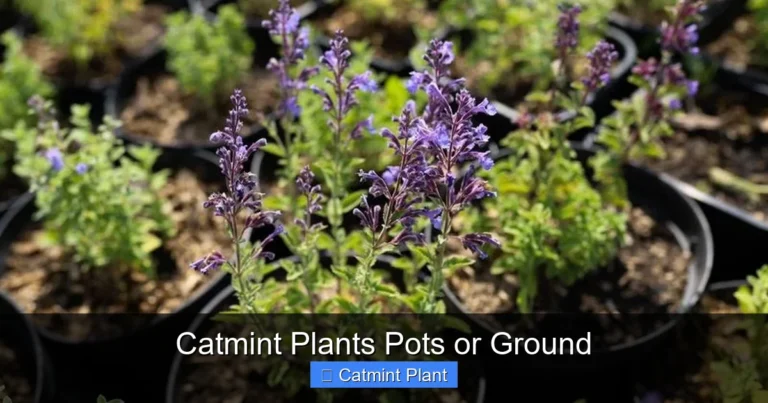
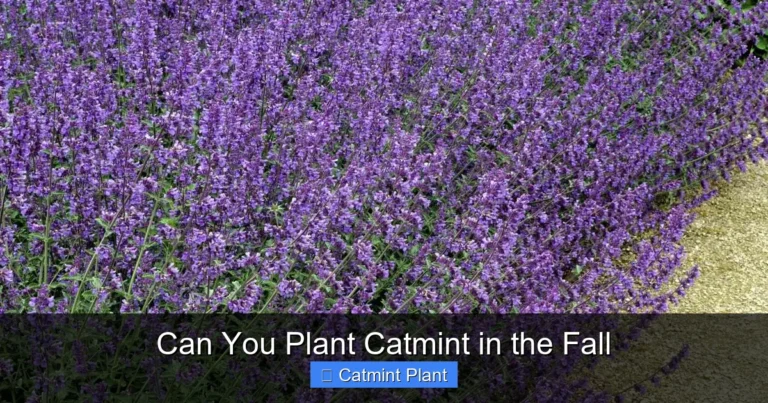
Catmint plants are perennial herbs with gray‑green foliage and spikes of lavender‑blue flowers. They reach 12‑24 inches tall and spread modestly. Because they are drought‑tolerant, catmint plants thrive in full sun and well‑drained soil, making them a low‑maintenance addition to any garden or balcony.
Why Cats Are Attracted to Catmint Plants
The role of nepetalactone
The magic ingredient in catmint plants is a volatile oil called nepetalactone. When a cat sniffs catmint plants, nepetalactone binds to olfactory receptors in the nasal cavity. This triggers a cascade of neural signals that mimic feline pheromones, producing a brief state of euphoria.
Genetic sensitivity
Not every cat reacts to catmint plants. Sensitivity is inherited as an autosomal dominant trait. Roughly 70‑80 % of domestic cats carry the responsive allele, while the remainder show little or no interest. Kittens under three months and senior cats often have a reduced response.
Behavioral signs
Typical behaviors include sniffing, licking, chewing, head‑shaking, rolling, and vocalizing. Some cats become hyperactive, chasing imaginary prey, while others simply relax and purr. The reaction usually peaks within a few minutes and fades after 10‑15 minutes.
How Catmint Plants Affect Cat Behavior
Short‑term stimulation
During the active phase, catmint plants act like a natural toy. The burst of energy can help indoor cats burn calories, reduce boredom, and alleviate stress. Many owners use catmint plants before play sessions to spark interest in interactive toys.
Calming after the high
Once the nepetalactone effect wanes, cats often settle into a calm, contented state. This post‑stimulation relaxation can be useful for cats that experience anxiety during travel or vet visits. A brief exposure to catmint plants before a carrier ride may ease tension.
Potential overuse concerns
Repeated daily exposure can lead to habituation, where the cat no longer responds. It can also cause mild gastrointestinal upset if large amounts are ingested. Limiting catmint plants sessions to two or three times a week preserves novelty and minimizes risk.
Growing Catmint Plants for Your Cat
Choosing the right variety
For maximum potency, select Nepeta cataria (true catnip) or a high‑nepetalactone cultivar like ‘Walker’s Low.’ Ornamental catmint plants such as Nepeta faassenii have lower oil content and may elicit a weaker response.
Planting in containers
Containers give you control over soil quality and prevent catmint plants from spreading aggressively. Use a pot at least 12 inches wide, fill with a light potting mix, and place in a sunny window or balcony. Water when the top inch of soil feels dry.
Garden bed tips
If you have a garden, plant catmint plants in a dedicated herb bed. Space plants 18 inches apart to allow airflow. Mulch lightly to retain moisture and suppress weeds. Deadhead spent flowers to encourage a second bloom and fresh foliage.
Harvesting and storing
Snip stems just before flowering for the highest nepetalactone concentration. Dry the leaves in a single layer on a screen in a dark, ventilated area. Store dried catmint plants in an airtight container away from light. Fresh leaves can be offered directly, but dried catmint plants retain potency for months.
Safety and Moderation Tips
Pesticide‑free guarantee
Only offer catmint plants that have not been treated with chemical pesticides or herbicides. Organic nurseries or home‑grown catmint plants are safest. Rinse fresh leaves briefly under cool water before giving them to your cat.
Monitor ingestion
While sniffing and rolling are harmless, some cats chew and swallow large quantities. Excessive ingestion may cause vomiting or diarrhea. If you notice digestive upset, remove catmint plants and consult your veterinarian.
Keep away from other pets
Dogs and small mammals may also be attracted to catmint plants but can experience different reactions. Place catmint plants in a cat‑only zone or use a hanging basket to limit access.
Frequency guidelines
Offer catmint plants two to three times per week, with at least a 48‑hour break between sessions. This schedule maintains novelty and reduces the chance of habituation or stomach upset.
Alternatives and Complementary Enrichment
Silver vine
Silver vine (Actinidia polygama) contains actinidine and dihydroactinidiolide, compounds that affect a broader percentage of cats, including many non‑responders to catmint plants. Powdered silver vine can be sprinkled on scratching posts.
Valerian root
Valerian root produces a strong, musky scent that many cats find stimulating. Use dried valerian root in small sachets; a little goes a long way.
Catnip toys
Commercial catnip toys are filled with dried catmint plants or catnip. They provide a convenient, mess‑free way to deliver the scent. Rotate toys weekly to keep interest high.
Interactive play
Combine catmint plants with wand toys, laser pointers, or puzzle feeders. The scent primes the cat for play, and the activity burns energy and sharpens hunting instincts.
Conclusion
Catmint plants are a natural, low‑cost way to enrich your cat’s environment. Most cats love the burst of excitement that nepetalactone provides, and growing catmint plants at home is simple even for novice gardeners. By following safe‑use guidelines — offering pesticide‑free foliage, limiting sessions, and watching for over‑consumption — you can give your feline a healthy outlet for play and stress relief. If your cat turns out to be among the minority that ignores catmint plants, alternatives like silver vine or valerian root can fill the gap. Happy gardening and happy purring!
Frequently Asked Questions
What is the active ingredient in catmint plants?
The active ingredient is nepetalactone, a volatile oil that binds to feline olfactory receptors and triggers a brief euphoric response.
Can I grow catmint plants indoors?
Yes, catmint plants grow well in pots on a sunny windowsill; just ensure they receive at least six hours of direct light daily.
Do catmint plants attract other animals?
Bees and butterflies love the flowers, but dogs and small mammals may also investigate; keep catmint plants in a cat‑only area if needed.
How do I store dried catmint plants?
Store dried catmint plants in an airtight container in a cool, dark place; they retain potency for up to a year.
What if my cat gets an upset stomach from catmint plants?
Remove the plant, offer fresh water, and monitor; if symptoms persist beyond a few hours, contact your veterinarian.
Are there any catmint plants varieties that are more potent?
Nepeta cataria (true catnip) and the cultivar ‘Walker’s Low’ have higher nepetalactone levels than ornamental varieties.