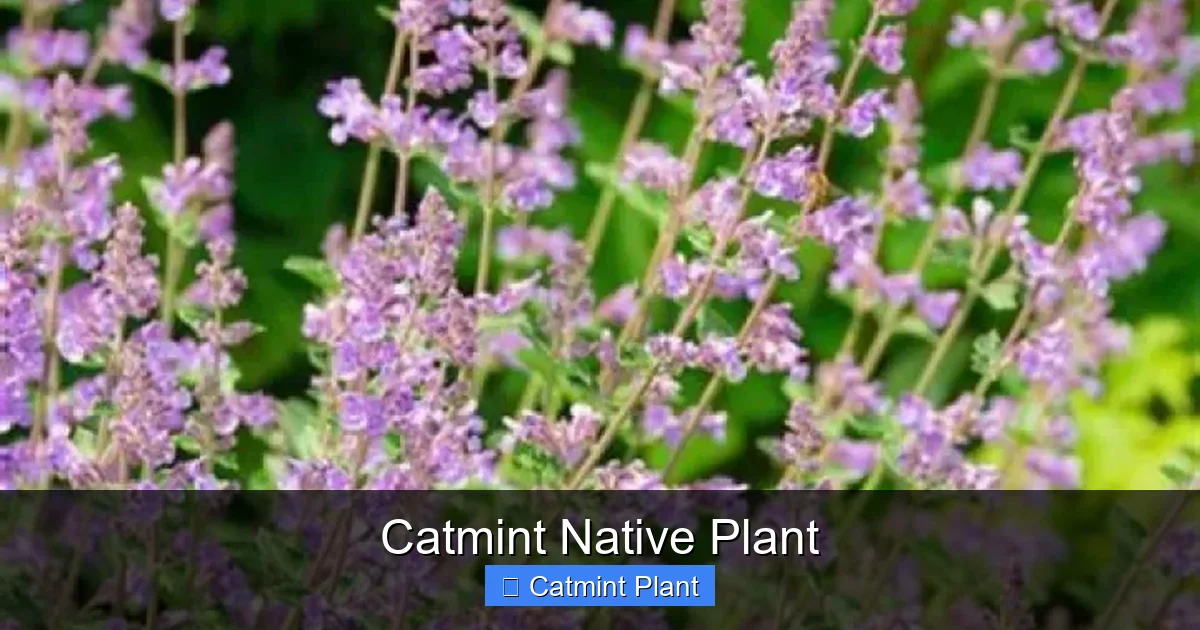
Catmint Native Plant
Catmint (Nepeta) is a hardy perennial herb native to Europe and Asia that thrives in North American gardens. It attracts bees, butterflies, and hummingbirds while resisting deer, rabbits, and drought. Easy to grow and long-blooming, catmint adds beauty and ecological value to any landscape.
If you have ever walked past a garden buzzing with bees and butterflies, chances are you were near a patch of catmint. This charming perennial has earned its place in gardens across the country. It offers months of color, incredible wildlife value, and asks for very little in return. Many gardeners call it a workhorse plant. It just keeps giving.
But there is a common point of confusion. Despite what the name might suggest, catmint is not a native plant to North America. It hails from Europe, Asia, and North Africa. However, it has been grown here for centuries. It behaves beautifully in our gardens. It does not invade wild spaces like some aggressive introductions. Instead, it settles in, supports local pollinators, and asks for almost no care. Let us dig into everything you need to know about growing this garden favorite.
Key Takeaways
- Catmint is not native to North America: It originates from Europe, Asia, and parts of Africa but naturalizes well in many US regions.
- Pollinators love it: Bees, butterflies, and hummingbirds flock to its nectar-rich purple-blue flowers all season long.
- Extremely drought-tolerant: Once established, catmint thrives with minimal watering, making it perfect for xeriscaping.
- Deer and rabbit resistant: The aromatic foliage deters browsing animals naturally without chemicals.
- Long bloom period: Flowers appear from late spring through fall with proper deadheading.
- Low maintenance: Requires little fertilizer, rarely needs dividing, and resists most pests and diseases.
- Versatile landscape uses: Works in borders, rock gardens, containers, and as ground cover or edging plants.
Quick Answers to Common Questions
Is catmint native to North America?
No, catmint (Nepeta) is native to Europe, Asia, and North Africa. It has naturalized in parts of the US but is not a true North American native plant.
Does catmint attract bees and butterflies?
Yes, catmint is one of the best perennials for pollinators. It attracts honeybees, native bees, butterflies, and hummingbirds with its long-lasting, nectar-rich flowers.
How do I keep catmint from flopping over?
Plant in full sun, avoid fertilizer, water sparingly once established, and shear the plant back by half after the first bloom flush in early July.
Is catmint the same as catnip?
No, they are different species. Catnip (Nepeta cataria) has white flowers and drives cats wild. Catmint (Nepeta x faassenii) has showy blue flowers and is grown as an ornamental.
Can catmint grow in shade?
Catmint needs full sun (6+ hours). In shade it becomes leggy, flops, and flowers poorly. Choose a sunny, well-drained spot for best results.
📑 Table of Contents
Understanding Catmint Origins and Identity
What Exactly Is Catmint
Catmint belongs to the genus Nepeta. There are roughly 250 species in this genus. They are members of the mint family, Lamiaceae. You can tell by the square stems and aromatic leaves. When you brush against the foliage, it releases a pleasant, minty scent. This scent comes from essential oils. These oils are what make the plant unappealing to deer and rabbits. But they drive many cats wild.
The most common garden catmint is Nepeta x faassenii. This is a hybrid. It is sterile, meaning it does not set seed and spread aggressively. Popular cultivars include ‘Walker’s Low,’ ‘Six Hills Giant,’ and ‘Junior Walker.’ These are the plants you see at almost every nursery. They form neat mounds of gray-green foliage. In late spring, they send up spikes of lavender-blue flowers. The show continues until frost if you trim them back.
Native Range Versus Naturalized Status
It is important to distinguish between native and naturalized. A native plant evolved in a specific region over thousands of years. It has specialized relationships with local insects and wildlife. Catmint evolved in the Mediterranean region, Central Asia, and parts of China. It did not evolve alongside North American insects.
However, catmint has naturalized in parts of the United States. This means it escapes gardens and grows on its own in the wild. It usually stays near disturbed areas like roadsides or old homesteads. It rarely invades pristine native habitats. Most ecologists consider it a benign introduction. It provides nectar for generalist pollinators. It does not appear to displace native plant communities. If you garden near sensitive wildlands, you might choose a true native alternative. For most suburban and urban gardens, catmint is a safe, ecological asset.
Catmint Versus Catnip
People often confuse catmint with catnip. They are cousins. Catnip is Nepeta cataria. It has white flowers with purple spots. The leaves are greener and more coarsely toothed. Catnip is the one that sends cats into a frenzy. The active compound is nepetalactone. Catmint contains it too, but in lower concentrations. Some cats react to catmint. Many ignore it entirely. If you want to grow a treat for your feline friend, plant catnip. If you want a showy, long-blooming ornamental, choose catmint. Both are easy to grow. Both attract pollinators. But catmint is far more decorative in the landscape.
Why Gardeners Love Catmint
A Pollinator Magnet
If you want to support bees, plant catmint. It is one of the best plants for pollinators you can grow. The flowers are small but abundant. They produce rich nectar. Honeybees, bumblebees, and native solitary bees visit constantly. Butterflies love it too. You will see skippers, swallowtails, and monarchs sipping nectar. Hummingbirds also stop by for a drink. The bloom time is incredibly long. It starts in May or June. With a mid-summer haircut, it blooms again until hard frost. That is months of continuous food for wildlife.
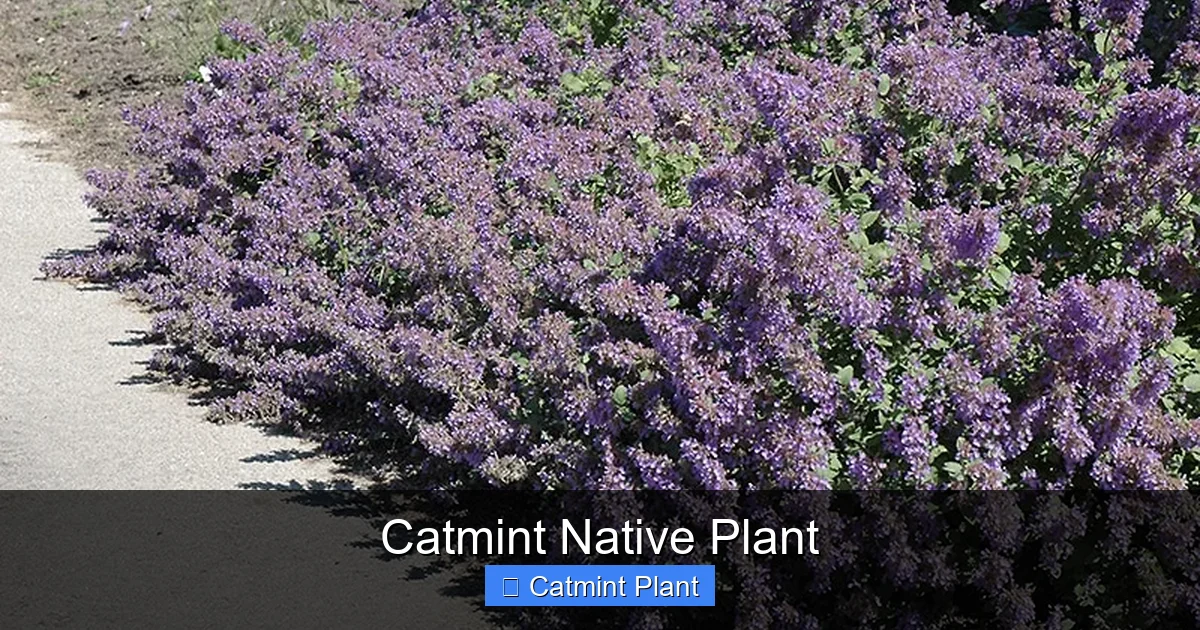
Visual guide about Catmint Native Plant
Image source: buchanansplants.com
Research from the University of Kentucky and other institutions consistently ranks catmint among the top perennials for pollinator diversity. It supports generalist species. These are insects that visit many flower types. Specialists prefer native plants. But generalists make up the bulk of garden visitors. By planting catmint, you feed the bees that also pollinate your vegetables and fruit trees. It is a win for your whole yard.
Drought Tolerance and Water Wisdom
Catmint has a superpower. It laughs at drought. Once established, it thrives on rainfall alone in many regions. The secret lies in its roots and leaves. The root system goes deep. It taps into moisture far below the surface. The leaves are small and covered in fine hairs. This reduces water loss through transpiration. The gray-green color reflects sunlight. This keeps the plant cooler.
In a time of increasing water restrictions, catmint shines. It is a star of xeriscaping. Xeriscaping means landscaping with low-water plants. You can plant it on a hot, sunny slope. You can put it in a hellstrip between sidewalk and street. It handles reflected heat from pavement. It survives weeks without rain. When other plants wilt, catmint stands tall and blooming. This makes it invaluable for climate-resilient gardens.
Deer and Rabbit Resistance
Few things frustrate a gardener more than finding prized plants eaten to the ground. Deer and rabbits can destroy a garden overnight. Catmint solves this problem. The aromatic oils that please us repel them. The foliage tastes bitter and strong. Browsing animals take one bite and move on. This is not a guarantee. Starving animals eat almost anything. But in normal conditions, catmint remains untouched. You can plant it at the edge of woods. You can use it as a border. It often protects more tempting plants behind it. This natural defense saves you money on fencing and repellents.
Long Season of Color
Most perennials bloom for two to three weeks. Catmint blooms for months. The first flush arrives in late spring. It creates a haze of lavender-blue. This lasts four to six weeks. Then the plant looks a bit tired. The stems flop. The flowers fade. This is your cue. Shear the whole plant back by half. Use hedge shears or a string trimmer. It looks drastic. But within two weeks, fresh growth appears. Flower buds form. The second show begins. It continues until frost kills the tops. In warm climates, you might get three flushes. That is six months of color from one plant.
Growing Catmint Successfully
Choosing the Right Spot
Catmint asks for two things. Full sun and well-drained soil. That is it. It needs at least six hours of direct sun. Eight is better. In partial shade, it gets leggy. The stems stretch toward light. They flop over. Flower production drops. The foliage stays greener but less dense. If you have a shady garden, catmint will disappoint you.
Drainage is the other non-negotiable. Catmint hates wet feet. In heavy clay, it rots. The crown turns mushy. The plant dies over winter. If you have clay, amend it. Mix in coarse sand, fine gravel, or compost. Create a raised bed. Plant on a slope. Do whatever it takes to keep water moving away from the roots. Once established, catmint tolerates poor soil. It handles alkaline soil. It grows in rocky ground. It even tolerates salt spray near roads. But it will not tolerate standing water.
Planting and Establishment
Spring and fall are the best planting times. Summer works if you water diligently. Space plants 18 to 24 inches apart. They spread wider than tall. Dig a hole twice the pot width. Same depth. Loosen the roots if they are circling. Set the plant so the crown sits at soil level. Backfill. Firm gently. Water deeply. Mulch with gravel or shredded bark. Keep mulch away from the crown.
The first season is critical. Water weekly if rain fails. Deep soakings encourage deep roots. Frequent light watering creates shallow roots. Shallow roots mean drought vulnerability. By late summer, taper off. Let the plant toughen up. In year two, you rarely water. The plant is on its own. This is the beauty of catmint. Front-load the care. Reap the rewards for years.
Soil and Fertilizer Needs
Forget fertilizer. Catmint prefers lean soil. Rich soil makes it floppy. It produces lush foliage but few flowers. The stems become weak. They cannot support the bloom spikes. If your soil is decent, add nothing. If it is pure sand or construction fill, a handful of compost at planting helps. After that, stop. No annual feeding. No liquid fertilizer. The plant fixes its own nitrogen? No, that is legumes. But catmint is adapted to low-nutrient environments. Lean conditions keep it compact and floriferous.
Soil pH is flexible. Slightly acidic to slightly alkaline works. 6.0 to 7.5 is ideal. But catmint grows in 5.5 to 8.0 without complaint. Do not lime specifically for catmint. Do not acidify. Just plant it. It adapts.
Maintenance: The Mid-Summer Shear
This is the only real work catmint demands. Around early July, the first bloom fades. The plant looks messy. Grab your shears. Cut the whole mound back by half. Or shear to 6 inches. It feels wrong. You are cutting green growth. But this triggers the magic. The plant responds with fresh, tidy foliage. New flower spikes emerge. The second bloom is often heavier than the first. It lasts until frost.
If you skip the shear, the plant still lives. It just looks ragged. It flops open in the center. You get a donut shape with a bare middle. Fewer flowers. More stems. The shear prevents this. It also keeps the plant from seeding. Though sterile hybrids do not seed, shearing keeps them dense. In warm zones, you might shear again in late August. A third bloom follows. Experiment. Find your rhythm.
Dividing and Longevity
Catmint lives a long time. Five to ten years is common. Eventually, the center dies out. The plant becomes a ring. This signals division time. Early spring is best. Dig the whole clump. Use a sharp spade or knife. Cut into sections. Each piece needs roots and shoots. Replant the best pieces. Compost the woody center. Water well. The divisions establish fast. They often bloom the same year.
You can also divide in fall. Do it six weeks before ground freeze. This gives roots time to anchor. Division rejuvenates the plant. It also gives you free plants. Share with friends. Fill new beds. Catmint divides easily. The roots are fibrous, not woody or brittle. It is a satisfying task.
Designing With Catmint
Companion Planting Ideas
Catmint plays well with others. Its soft gray foliage and blue flowers complement almost anything. Pair it with roses. The classic combination. Catmint hides the bare legs of rose bushes. It blooms at the same time. The blue contrasts beautifully with pink, red, or yellow roses. It also deters aphids. Some gardeners swear it reduces rose diseases. Science is mixed. But the look is undeniable.
Ornamental grasses love catmint company. Try feather reed grass, blue fescue, or little bluestem. The fine grass textures contrast with catmint’s mounded form. The movement of grass balances catmint’s stillness. Both love sun and drainage. Both are low maintenance.
For a pollinator banquet, combine catmint with coneflowers, bee balm, and salvia. Add native milkweed for monarchs. Include goldenrod for fall. You create a season-long buffet. The colors harmonize. Purples, pinks, yellows, oranges. The garden buzzes from dawn to dusk.
Herbs make great neighbors too. Lavender, thyme, oregano, and sage share catmint’s preferences. They create a Mediterranean herb garden. All are drought-tolerant. All are aromatic. All repel pests. Harvest herbs for the kitchen. Enjoy flowers for the vase. It is a productive, beautiful space.
Landscape Uses
Catmint fits many roles. Use it as edging along a path. The soft foliage spills over. It softens hard lines. Plant it in drifts of three, five, or seven. Mass planting creates impact. A river of blue through the border. It draws the eye. It unifies the design.
Rock gardens suit catmint perfectly. It thrives in the sharp drainage. It cascades over stones. The gray foliage echoes the rocks. The flowers add color to the stony palette. It naturalizes in crevices. It looks like it belongs.
Containers work well. Choose a pot with drainage holes. Use gritty potting mix. Add perlite or pumice. Water when the top inch is dry. Fertilize once in spring with slow-release. Shear after first bloom. Overwinter in a protected spot. Or treat as an annual. Replace each spring. The cost is low. The reward is high.
Slopes and banks are ideal. Catmint roots hold soil. It prevents erosion. It covers ground quickly. It outcompetes weeds. Once established, it needs no mowing. No watering. No chemicals. It turns a problem area into a feature.
Catmint Cultivars to Know
‘Walker’s Low’ is the most famous. Perennial Plant of the Year 2007. It grows 24 to 30 inches tall. Wide spread. Lavender-blue flowers. Very reliable. ‘Junior Walker’ is a dwarf version. 15 to 18 inches. Perfect for small spaces. ‘Six Hills Giant’ is older. Taller. 30 to 36 inches. Looser habit. Good for back of border. ‘Blue Wonder’ is compact. 12 to 15 inches. Intense blue. ‘Cat’s Meow’ and ‘Cat’s Pajamas’ are newer Proven Winners selections. They bloom earlier. They stay tidy without shearing. ‘Purrsian Blue’ is another compact, long-bloomer.
For something different, try Nepeta sibirica ‘Souvenir d’Andre Chaudron.’ It has larger, darker blue flowers. It spreads by runners. Can be aggressive. Good for tough spots. Nepeta grandiflora ‘Dawn to Dusk’ offers pink flowers. A nice change from blue. ‘Pink Cat’ is another pink cultivar. Short. 12 inches. Cute for edging.
Catmint and Wildlife Ecology
Supporting Native Bees
North America has over 4,000 native bee species. Most are solitary. They do not live in hives. They nest in the ground or hollow stems. They need nectar and pollen. Catmint provides both. The flower structure suits many bee tongues. Short-tongued bees access the nectar easily. Long-tongued bees do too. The pollen is nutritious. Studies show native bees visit catmint frequently. It fills gaps when native flowers are scarce. Early summer dearth? Catmint blooms. Late summer dearth? Catmint blooms again. It bridges the seasons.
But catmint is not a host plant. Host plants feed caterpillars. Catmint does not support butterfly larvae. No caterpillars eat it. This is a limitation. A garden of only catmint lacks ecological depth. You need native host plants too. Milkweed for monarchs. Asters for pearl crescents. Oaks for hundreds of species. Catmint is the nectar bar. Natives are the nursery. You need both.
Beneficial Insects Beyond Bees
Hoverflies love catmint. Their larvae eat aphids. Adult hoverflies need nectar. Catmint feeds them. Parasitic wasps visit too. They control caterpillars and beetles. Ladybugs hunt among the foliage. They eat aphids and mites. Predatory bugs patrol the stems. Catmint becomes a biological control station. You attract the good bugs. They manage the bad bugs. No sprays needed.
Spiders build webs in the dense foliage. They catch mosquitoes and flies. Birds perch on the stems. They eat insects. The whole food web benefits. A single catmint plant is a mini ecosystem. Multiply that across your yard. You create habitat connectivity. This matters in fragmented suburban landscapes.
Catmint in Ecological Restoration
Some restoration projects use catmint. It stabilizes soil on disturbed sites. It establishes fast. It provides immediate pollinator support. Native plants take longer. They often need stratification. They grow slowly. Catmint bridges the gap. It holds the ground. It feeds insects. It buys time for natives to establish. Then it fades as natives dominate. This is a nurse crop strategy. It works on roadsides, post-construction sites, and burned areas.
However, purists avoid non-natives in restoration. They argue catmint competes with natives. It might alter soil chemistry. It might change pollinator behavior. The debate continues. For home gardens, the consensus is clear. Catmint is a net positive. It does not invade intact ecosystems. It supports wildlife. It reduces water and chemical use. These benefits outweigh concerns for most gardeners.
Common Problems and Solutions
Flopping and Legginess
The number one complaint. Catmint flops open. The center dies. The stems lie flat. This happens for three reasons. Too much shade. Too much water. Too much fertilizer. Or a combination. The fix is simple. Move it to full sun. Stop watering. Stop feeding. Shear it hard in July. It will regrow tight and upright. If it still flops, the cultivar may be too large for the space. Switch to a compact variety. ‘Junior Walker’ or ‘Purrsian Blue’ stay neat without shearing.
Root Rot and Crown Rot
Wet soil kills catmint. Winter wet is especially deadly. The crown rots. The plant disappears. Prevention is everything. Plant in well-drained soil. Use gravel mulch. Avoid organic mulch against the crown. It holds moisture. In heavy clay, plant on a berm. Raise the crown an inch above grade. Slope soil away. If a plant rots, remove it. Improve drainage. Replant. Do not replant in the exact same spot without amendment.
Powdery Mildew
In humid climates, powdery mildew appears. White dust on leaves. It looks bad. It rarely kills. Good air flow prevents it. Space plants properly. Do not crowd. Water at the base. Keep foliage dry. Morning sun dries dew fast. If mildew appears, shear affected growth. New leaves emerge clean. Resistant cultivars help. ‘Walker’s Low’ shows good resistance. Newer Proven Winners selections are bred for it.
Pests: Rare but Possible
Aphids sometimes cluster on new growth. Blast with water. Or wait. Ladybugs usually arrive. Spider mites appear in hot, dry weather. They cause stippled leaves. Increase humidity. Spray undersides with water. Neem oil works if severe. Thrips distort flowers. Rarely a big issue. Cats! Cats are the biggest pest. They roll in it. They flatten plants. Use chicken wire cages. Or plant extra for them. Catnip nearby distracts them.
Seasonal Care Calendar
Spring
Early spring: Cut back dead stems to ground. New growth emerges from base. Do not pull. The crown is fragile. Apply compost if soil is very poor. Otherwise skip. Divide if center is dead. Water new divisions.
Late spring: First flower buds appear. Watch for aphids. Enjoy the show. Bees arrive. Take photos.
Summer
Early summer: Peak bloom. Deadhead spent spikes if you want. Not required. Shear after first flush fades. Usually early July. Cut back by half. Water deeply after shearing. This kickstarts regrowth.
Mid summer: Second bloom begins. Monitor for spider mites in heat. Water only in extreme drought. Enjoy hummingbirds.
Late summer: Continue blooming. Light shear if getting leggy. Stop watering. Let plant harden for winter.
Fall
Early fall: Flowers continue until frost. Collect seeds if species type. Hybrids are sterile. Plant new catmint. Fall planting works well. Roots establish before winter.
Late fall: After hard frost, foliage dies. Leave it. It protects the crown. It provides winter insect habitat. It looks nice with frost. Or cut back if you prefer tidy. Either works.
Winter
Winter: Dormant. No care needed. In zone 3-4, add light mulch after ground freezes. Pine boughs or straw. Remove in early spring. In warmer zones, no mulch needed. Plan next year’s garden. Order new cultivars.
Catmint Versus Native Alternatives
When to Choose Natives
If your goal is maximum ecological value, natives win. They support specialist insects. They feed caterpillars. They have co-evolved relationships. They maintain genetic diversity. They define your regional identity. If you garden near wildlands, natives prevent gene flow concerns. They are the gold standard for habitat gardens.
Native Plants With Similar Roles
Blue vervain (Verbena hastata) offers blue spikes. Loves moisture. Great for rain gardens. Hoary vervain (Verbena stricta) handles dry soil. Similar look. Native bees love both. Anise hyssop (Agastache foeniculum) has blue flowers. Licorice scent. Long bloom. Pollinator favorite. Self-seeds moderately. Wild bergamot (Monarda fistulosa) has lavender pom-poms. Spreads by rhizomes. Hummingbirds adore it. Narrowleaf mountain mint (Pycnanthemum tenuifolium) has white flowers. Incredible pollinator draw. Minty foliage. Deer proof. Spreads slowly.
These natives need similar conditions. Sun. Drainage. They offer more ecological depth. But they may be harder to find. They may be less tidy. They may bloom shorter. Catmint fills the gap beautifully. Many gardeners mix both. Natives for ecology. Catmint for reliability and long bloom. There is no purity test. Your garden. Your choices.
Finding the Balance
The best gardens often blend natives and well-behaved non-natives. Catmint earns its keep. It provides months of nectar. It asks for nothing. It looks good doing it. Use it as a backbone plant. Surround it with seasonal natives. Spring ephemerals. Summer coneflowers. Fall asters. Winter seed heads. Catmint bridges the bloom gaps. It covers the ground. It suppresses weeds. It holds the design together.
If you are transitioning to more natives, keep catmint. It supports the pollinators your natives need. It buys you time to establish slower natives. It prevents bare soil invasions. Over years, you may reduce catmint. Increase natives. Or not. A garden with catmint is better than a lawn. It is better than pavement. It is better than invasive burning bush or barberry. Celebrate what works.
Harvesting and Using Catmint
Cut Flowers
Catmint makes charming cut flowers. The stems are wiry. They hold well. Cut when half the flowers are open. Strip lower leaves. Place in cool water. They last five to seven days. The blue color holds. They add airy texture to arrangements. Mix with roses, zinnias, or dahlias. The gray foliage looks great in bouquets too. Harvest in morning. Recut stems underwater. Change water daily.
Herbal Uses
Catmint has a long herbal history. It is a mild relaxant. Tea from the leaves calms nerves. It aids digestion. It reduces fever. It is safe for children. The flavor is minty, slightly sweet. Not as strong as peppermint. Harvest leaves before flowering. Dry in bundles. Store in jars. Steep one teaspoon per cup. Cover while steeping. This keeps volatile oils. Drink before bed. Or after a heavy meal.
Catmint tea was a household staple in Europe. Before tea from China arrived, catmint was the daily brew. It contains no caffeine. It soothes without sedating. Modern herbalists still recommend it. For anxiety. For colic. For colds. Always research. Consult a professional if pregnant or medicated. But as a gentle herb, catmint has a solid reputation.
Cat Toys and Treats
If your cat responds to catmint, harvest stems. Dry them. Stuff into fabric toys. Sew shut. Your cat will thank you. Or rub dried leaves on scratching posts. Sprinkle on cat trees. Refresh monthly. The potency fades. Fresh is best. Grow a patch just for cats. They will flatten it. But it regrows fast. It saves your ornamental plantings.
Conclusion
Catmint native plant discussions often miss the nuance. Catmint is not native to North America. But it has earned a place in our gardens. It supports pollinators generously. It survives drought gracefully. It resists pests naturally. It blooms for months reliably. It asks for almost nothing. In a world of high-maintenance landscapes, catmint is a breath of fresh air.
Whether you call it catmint, nepeta, or catnip’s polite cousin, this plant delivers. Plant it in full sun. Give it drainage. Shear it in July. That is the whole instruction manual. In return, you get a haze of blue. A buzz of bees. A visit from hummingbirds. A garden that works with nature, not against it.
If you have been hesitant, try one plant. ‘Walker’s Low’ is foolproof. ‘Junior Walker’ fits small spaces. Watch what happens. The bees will find it. The cats might too. You will wonder why you waited. Catmint is not just a plant. It is a partnership. Between you, the soil, the sun, and the countless creatures that call your garden home. That is a beautiful thing.
Frequently Asked Questions
Will catmint spread aggressively in my garden?
Most garden catmint cultivars like ‘Walker’s Low’ are sterile hybrids that do not spread by seed. They form clumps that slowly widen but are easily controlled by division every few years.
When is the best time to plant catmint?
Spring and fall are ideal planting times. Spring allows establishment before summer heat. Fall planting gives roots a head start before winter. Avoid planting in summer heat without diligent watering.
How often should I water established catmint?
Established catmint rarely needs supplemental water. In most regions, rainfall is sufficient. Water deeply only during extended drought periods of 3-4 weeks without rain.
Should I cut back catmint in the fall?
You can leave foliage standing through winter for crown protection and insect habitat. Cut back to the ground in early spring before new growth emerges. Either approach works well.
Why is my catmint not flowering?
Lack of flowers usually means too much shade, too much fertilizer, or the plant needs rejuvenation. Ensure 6+ hours sun, stop fertilizing, and divide old plants with dead centers in spring.
Is catmint safe for pets?
Catmint is non-toxic to dogs and cats. Some cats enjoy rolling in it, but the effect is milder than catnip. It may cause mild stomach upset if large quantities are eaten, but serious issues are rare.