Catnip Plant Vs Catmint
Catnip and catmint are both members of the mint family but they affect cats differently. Catnip triggers a strong euphoric response in most felines, while catmint offers a milder attraction and ornamental value. Choose the herb that fits your garden goals and your cat’s personality.
When you compare catnip plant vs catmint, you start with a clear goal. This guide explains the basics. You will learn the history, chemistry, and garden tips. Both herbs belong to the mint family. They share square stems and aromatic leaves. The differences affect cats and gardeners alike. Read on for a friendly walk‑through.
When you compare catnip plant vs catmint, the first step is to know each plant. Catnip is known as Nepeta cataria. Catmint includes several Nepeta species. Both grow in temperate zones. They prefer sunny spots and well drained soil. This overview sets the stage for deeper details.
When you compare catnip plant vs catmint, you will see why gardeners love both. Catnip gives a strong cat reaction. Catmint offers long lasting blooms. The guide covers growing, harvesting, and uses. You can decide which fits your space. Let the exploration begin.
Key Takeaways
- Catnip triggers strong play: Most cats react with rolling, rubbing, and vocalizing.
- Catmint is milder: It attracts some cats but mainly adds garden beauty.
- Both are easy to grow: They thrive in sunny spots with well‑drained soil.
- Catnip plant vs catmint chemical makeup differs: Nepetalactone is high in catnip, lower in catmint.
- Harvest timing matters: Cut leaves before flowers for maximum potency.
- Use both for variety: Offer catnip toys and catmint borders for enrichment.
Quick Answers to Common Questions
What is the main chemical that makes cats react to catnip?
The main chemical is nepetalactone, which triggers a euphoric response in most cats.
Does catmint affect cats the same way as catnip?
Catmint produces a much milder reaction; many cats only sniff or rub the plant.
Can I grow catnip and catmint together in the same bed?
Yes, they share similar sun and soil needs and can be planted side by side.
How do I harvest catnip for maximum potency?
Cut stems just before the flowers open and dry them in a dark, airy place.
Are there any human health benefits to catnip tea?
Catnip tea is used traditionally for relaxation, mild sleep aid, and digestive comfort.
📑 Table of Contents
What Is Catnip?
Botanical Background
When you compare catnip plant vs catmint, catnip belongs to the species Nepeta cataria. It grows as a herbaceous perennial reaching two to three feet tall. The stems are square and covered in fine hairs. Leaves are heart shaped with a soft gray green color. The plant produces small white or pale lavender flowers in summer. It thrives in full sun and well drained soil. Gardeners value it for its strong aroma and cat appeal.
Chemical Profile
When you compare catnip plant vs catmint, the key compound in catnip is nepetalactone. This volatile oil binds to receptors in a cat’s nasal tissue. The concentration can reach up to three percent of dry weight. Other terpenes add to the scent but have minor effects. The high nepetalactone level explains the intense feline response. Humans use the oil for mild sedation and digestive aid.
Cat Response
When you compare catnip plant vs catmint, most cats show a predictable sequence. They sniff, lick, and rub the foliage. Rolling, purring, and playful leaps follow. The episode lasts about ten minutes then fades. A refractory period of one to two hours prevents immediate repeat. About twenty percent of cats lack the genetic trigger.
Harvest And Storage
When you compare catnip plant vs catmint, harvest catnip just before flowers open. Cut stems in the morning after dew evaporates. Hang bundles upside down in a dark airy room. Dry until leaves crumble easily. Store in airtight jars away from light. Properly dried catnip retains potency for up to a year.
What Is Catmint?
Botanical Background
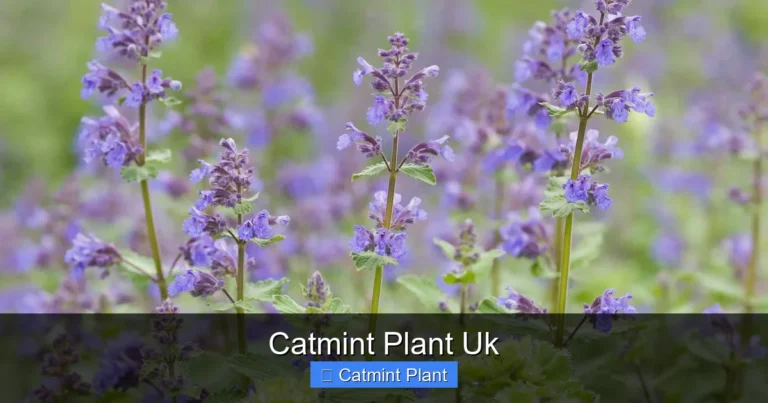
When you compare catnip plant vs catmint, catmint refers to several ornamental Nepeta species. Nepeta faassenii forms a low mound about twelve inches high. The foliage is soft green with a gentle mint fragrance. Lavender blue flower spikes appear from late spring to frost. It prefers full sun but tolerates light shade. The plant spreads slowly, making a tidy border.

Visual guide about Catnip Plant Vs Catmint
Image source: theherbprof.com
Chemical Profile
When you compare catnip plant vs catmint, catmint contains nepetalactone at lower levels. The essential oil profile includes more diverse terpenes such as citronellol and geraniol. These compounds give a pleasant floral scent. The reduced nepetalactone explains the milder cat attraction. Herbalists sometimes use catmint tea for calming nerves.
Cat Response
When you compare catnip plant vs catmint, catmint elicits a subtle reaction. Some cats sniff and rub the leaves briefly. Rolling or hyperactivity is rare. The plant acts more as a garden attractant than a stimulant. Owners often plant catmint near seating areas for visual appeal. It provides a calm backdrop for feline exploration.
Garden Uses
When you compare catnip plant vs catmint, catmint shines as a long blooming perennial. It attracts bees, butterflies, and beneficial insects. The dense foliage suppresses weeds. It works well in rock gardens, cottage borders, and container plantings. Regular deadheading extends the flowering season. Division every three years maintains vigor.
Catnip Plant Vs Catmint: Chemical Differences
Nepetalactone Levels
When you compare catnip plant vs catmint, nepetalactone concentration is the primary distinction. Catnip can contain up to three percent dry weight. Catmint typically holds less than half a percent. This tenfold gap drives the dramatic difference in cat behavior. Laboratory analysis confirms the quantitative gap. Understanding the chemistry helps gardeners choose the right herb.
Essential Oil Composition
When you compare catnip plant vs catmint, the essential oil of catnip is dominated by nepetalactone isomers. Catmint oil shows a broader terpene spectrum including linalool and camphor. The varied profile gives catmint a softer, more floral aroma. Distillation yields differ; catnip oil is more potent per gram. Both oils have antimicrobial properties in vitro.
Human Herbal Uses
When you compare catnip plant vs catmint, both herbs have a place in traditional medicine. Catnip tea is used for insomnia, anxiety, and upset stomach. Catmint tea is milder and often blended with chamomile. Tinctures of catnip serve as a gentle sedative. Catmint extracts appear in some skin care formulas. Always consult a professional before medicinal use.
Safety Notes
When you compare catnip plant vs catmint, both are generally safe for pets and people. Excessive catnip can cause temporary vomiting or diarrhea in cats. Catmint rarely produces adverse effects. Pregnant women should avoid high doses of either herb. Keep dried material out of reach of small children. Moderation ensures enjoyable experiences.
Growing Catnip And Catmint In Your Garden
Site Selection
When you compare catnip plant vs catmint, choose a sunny location with at least six hours of direct light. Both herbs tolerate partial shade but flower less. Good air circulation reduces fungal issues. Avoid low spots where water pools. A south facing bed works well in most climates. Proper siting sets the foundation for healthy growth.
Soil Preparation
When you compare catnip plant vs catmint, amend the planting area with compost. A loamy, well drained mix supports strong root development. Catnip prefers slightly richer soil than catmint. Test pH; a range of 6.0 to 7.5 is ideal. Incorporate coarse sand if drainage is poor. Prepare the bed a week before planting.
Watering And Feeding
When you compare catnip plant vs catmint, water newly transplanted seedlings regularly. Established plants need deep watering once a week during dry spells. Mulch conserves moisture and suppresses weeds. Apply a balanced organic fertilizer in early spring. Avoid high nitrogen feeds that promote leaf over flower. Consistent care yields robust plants.
Pruning And Division
When you compare catnip plant vs catmint, pinch back stems after the first bloom to encourage bushiness. Remove spent flowers to prolong flowering. Divide clumps every three years in early spring. Replant divisions at the same depth. This rejuvenates vigor and prevents center die‑out. Regular maintenance keeps both herbs productive.
Using Catnip And Catmint For Cats And Humans
Cat Toys And Enrichment
When you compare catnip plant vs catmint, stuff dried catnip into fabric mice or balls. Cats will chase, pounce, and knead the toys. Sprinkle catmint on scratching posts for a gentle lure. Rotate toys weekly to maintain novelty. Supervise play to avoid ingestion of large pieces. Enrichment reduces boredom and destructive behavior.
Herbal Teas And Remedies
When you compare catnip plant vs catmint, steep one teaspoon of dried catnip in hot water for five minutes. Drink before bedtime for relaxation. Catmint tea uses the same method but tastes milder. Both teas are caffeine free and safe for most adults. Add honey or lemon for flavor. Herbal infusions support calm evenings.
Topical Applications
When you compare catnip plant vs catmint, infuse catnip oil into a carrier oil for a soothing salve. Apply to minor insect bites or irritated skin. Catmint salve works similarly with a lighter scent. Perform a patch test before widespread use. Store preparations in dark glass bottles. Topical use extends the herb’s benefits beyond ingestion.
Culinary Ideas
When you compare catnip plant vs catmint, fresh catnip leaves add a minty kick to salads. Use sparingly due to strong flavor. Catmint leaves blend well in herb butter or pesto. Both herbs can garnish summer drinks. Cooking reduces potency, so add at the end. Experiment to discover your favorite culinary pairing.
Which Herb Should You Choose?
Matching Garden Goals
When you compare catnip plant vs catmint, define your primary garden purpose. If you want a dedicated cat playground, plant catnip in a sunny corner. If you prefer a long blooming border that attracts pollinators, choose catmint. Both can coexist in the same bed with proper spacing. Align the herb with your design vision.
Matching Cat Personality
When you compare catnip plant vs catmint, consider your cat’s temperament. High energy cats thrive on catnip’s intense bursts. Shy or senior cats may prefer catmint’s subtle aroma. Offer both in separate zones to let the cat decide. Observe reactions over several days. Tailoring the herb enhances feline well‑being.
Combining Both Herbs
When you compare catnip plant vs catmint, a mixed planting gives the best of both worlds. Plant catnip in a container for easy harvest. Use catmint as a perennial edge along pathways. The combination provides year round interest and varied cat enrichment. Maintenance stays simple with shared cultural needs. Enjoy a dynamic, cat friendly garden.
Final Recommendation
When you compare catnip plant vs catmint, the choice depends on your goals and your cat. Both herbs are low maintenance, safe, and rewarding. Start with a small patch of each to test response. Expand the favorite as confidence grows. Happy gardening and happy cats.
Enjoy your herb garden and happy cats. The catnip plant vs catmint guide ends here but your exploration continues.
Frequently Asked Questions
Is catnip safe for kittens?
Catnip is generally safe for kittens over three months old; younger kittens usually show no response.
Can catmint become invasive in the garden?
Catmint spreads slowly and is not considered invasive; regular division keeps it tidy.
How long does the catnip effect last on a cat?
The typical catnip high lasts about ten to fifteen minutes before the cat loses interest.
Do all cats respond to catnip?
About 70 to 80 percent of cats react to catnip; the rest are genetically indifferent.
Can I use fresh catnip leaves in cooking?
Fresh catnip leaves are edible but have a strong minty flavor; use sparingly in salads or teas.
What is the best time of year to plant catnip and catmint?
Spring after the last frost is ideal for both herbs; they establish quickly in warm soil.