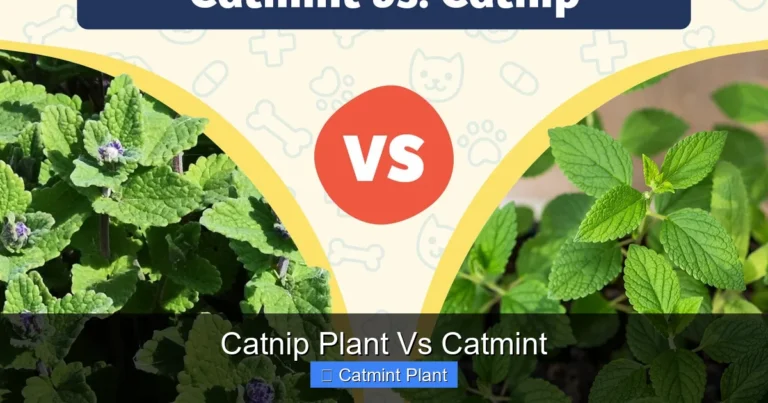
Image of Catmint Plant
Catmint is a low‑maintenance perennial that draws bees and butterflies. An image of catmint plant shows its soft gray‑green leaves and tall purple flowers, making identification easy. Use this guide to find, photograph, and apply catmint pictures in your garden designs.
Welcome to our guide on catmint. This plant is a favorite for many gardeners. It offers color, fragrance, and wildlife value.
An image of catmint plant can help you recognize it before you buy. The photo reveals the silvery foliage and the tall purple spikes.
In this article we cover identification, photography, and garden planning. You will learn how to find a good image of catmint plant and how to take your own.
Key Takeaways
- Easy identification: An image of catmint plant highlights the distinctive silvery leaves and lavender spikes.
- Pollinator magnet: Catmint attracts bees, butterflies, and beneficial insects.
- Photography tips: Morning light and a shallow depth of field capture the best details.
- Garden planning: Use photos to map spacing and companion plants.
- Herbal uses: Leaves can be dried for tea or sachets.
- Common search mistakes: Avoid confusing catmint with catnip or lavender in search results.
Quick Answers to Common Questions
What is catmint?
Catmint is a hardy perennial herb known for its silvery foliage and lavender flower spikes that attract pollinators.
How can I identify catmint in a photo?
Look for heart‑shaped gray‑green leaves, square stems, and dense lavender spikes; an image of catmint plant makes these traits clear.
When is the best time to photograph catmint?
Early morning or late afternoon light gives soft, even illumination; an image of catmint plant taken then shows true colors.
Can I use catmint images for garden planning?
Yes, scaled photos help you map spacing, design drifts, and choose companion plants; an image of catmint plant is a practical layout tool.
What common mistakes should I avoid when searching for catmint pictures?
Avoid confusing catmint with catnip, using low‑resolution files, and trusting mislabelled stock photos; an image of catmint plant with the scientific name filters results.
📑 Table of Contents
What Is Catmint?
Botanical Background
Catmint belongs to the genus Nepeta in the mint family. It is a hardy perennial that returns each year. The leaves are gray‑green and aromatic when crushed. An image of catmint plant shows the square stems typical of mint relatives. This plant thrives in USDA zones 3 through 8. It prefers full sun but tolerates light shade. The botanical name Nepeta faassenii is common in nurseries.
Gardeners value catmint for its long bloom period. Flowers appear from late spring to early fall. The lavender spikes attract bees and butterflies. An image of catmint plant captures the airy flower clusters. The plant spreads slowly by underground runners. It rarely becomes invasive in well‑drained soil. This makes it a safe choice for mixed borders.
A close up image of catmint plant reveals the tiny glandular hairs on the leaf surface. These hairs release the minty scent when brushed. The scent deters deer and rabbits. Gardeners appreciate this natural pest resistance. An image of catmint plant can show the hairs under macro mode.
The root system of catmint is fibrous and shallow. An image of catmint plant taken after rain shows the roots near the surface. This makes division easy in early spring. Divide clumps every three years to maintain vigor. A sharp spade works best for clean cuts.
Growth Habit and Varieties
Catmint forms a low mound about 12 to 18 inches tall. The width can reach 24 inches over time. Some cultivars like ‘Walker’s Low’ stay compact. Others such as ‘Six Hills Giant’ grow taller and wider. An image of catmint plant helps you compare sizes before planting. Choose a variety that fits your garden space. All types share the same aromatic foliage and pollinator appeal.
Soil preference is average to lean, well‑drained ground. Catmint tolerates drought once established. It dislikes wet feet and heavy clay. An image of catmint plant taken in a dry garden shows its resilience. Mulching around the base conserves moisture. Regular deadheading encourages a second flush of blooms. This habit keeps the plant tidy and productive.
A side by side image of catmint plant varieties highlights height differences. ‘Walker’s Low’ stays under twelve inches while ‘Six Hills Giant’ reaches thirty inches. Choose the cultivar that matches your border height. An image of catmint plant with a measuring tape helps you decide. Plant tags often list mature dimensions.
Catmint foliage stays attractive after flowering. An image of catmint plant in late summer shows the silver leaves still fresh. This makes it a good filler for gaps. The plant also works well in containers. Use a pot at least twelve inches wide for root space.
Why People Search for an Image of Catmint Plant
Identification Needs
Many gardeners need a reliable image of catmint plant for quick ID. The silvery leaves and purple spikes are distinctive. A clear photo reduces confusion with similar herbs. Beginners often mistake catmint for catnip or lavender. An image of catmint plant shows the finer leaf texture. This visual cue helps you confirm the right species.
Plant labels in nurseries can be vague or missing. A personal photo library solves that problem. You can compare your garden plants to saved images. An image of catmint plant stored on your phone works offline. This habit speeds up garden chores and plant shopping.
A clear image of catmint plant can be saved as a reference card. Print the photo on cardstock and laminate it. Carry the card when visiting nurseries. An image of catmint plant on the card helps you ask the right questions. Staff can confirm the variety instantly.
Mobile apps now let you compare a live plant to an image of catmint plant. Snap a photo and the app suggests matches. This technology reduces guesswork for beginners. An image of catmint plant stored in the app library improves accuracy. Keep the app updated for the latest database.
Garden Design and Herbal Uses
Designers use an image of catmint plant to plan color schemes. The soft lavender blends well with roses and salvias. A photo helps you visualize spacing and height. You can drag the picture into a garden design app. This makes layout decisions faster and more accurate.
Herbalists also seek an image of catmint plant for reference. The leaves are used in teas and sachets. A good photo shows the leaf shape for proper harvesting. You can print the image for a field guide. This ensures‑you collect the correct herb.
A mood board with an image of catmint plant sets the tone for a cottage garden. Pair the photo with pictures of roses, foxglove, and lavender. The soft palette feels romantic and inviting. An image of catmint plant anchors the design with its silver foliage. Share the board with a landscape designer for feedback.
Herbalists dry catmint leaves for calming tea. An image of catmint plant shows the ideal harvest stage just before full bloom. Cut stems in the morning after dew dries. Hang bundles upside down in a dark, airy space. An image of catmint plant on the jar label reminds you of the herb’s purpose.
How to Identify Catmint in Photos
Leaf Shape and Color
Look for heart‑shaped leaves with a soft gray‑green hue. The edges are slightly serrated but not sharp. An image of catmint plant highlights the velvety surface. The underside is paler than the top. This contrast is a key identification marker. Compare with catnip leaves which are greener and more pointed.
When the plant is young, leaves may appear rounder. Mature foliage shows the classic shape. An image of catmint plant taken at different stages helps you learn. Zoom in on the leaf veins for extra detail. The veins are faint and run parallel. This trait separates catmint from many look‑alikes.
A macro image of catmint plant reveals the fine serrations on each leaf edge. These tiny teeth are not sharp to the touch. The leaf surface feels soft like velvet. An image of catmint plant taken with a 100mm macro lens shows this texture clearly. Use this detail to separate catmint from similar herbs.
Color shifts in catmint leaves indicate light exposure. An image of catmint plant grown in full sun shows a brighter silver tone. Shade grown plants appear more greenish. This variation helps you gauge planting conditions. An image of catmint plant from different spots in your yard guides placement.
Flower Spikes and Stem Texture
Flowers form dense, tubular spikes at the stem tips. Each spike holds many tiny lavender blossoms. An image of catmint plant shows the airy, cloud‑like effect. The stems are square and slightly fuzzy. Run your fingers along the stem in the photo to feel the texture. This square stem is a hallmark of the mint family.
Bloom time stretches from late spring to frost. Early spikes are tighter; later ones loosen. An image of catmint plant captured in midsummer shows peak fullness. Note the calyx color; it is usually greenish‑purple. This detail confirms the species. Use multiple angles for a complete view.
A close up image of catmint plant flower spikes shows the individual tubular blossoms. Each blossom has a tiny lower lip that guides pollinators. The spikes sway gently in the breeze. An image of catmint plant captured with a fast shutter freezes this motion. This detail is useful for botanical illustration.
Stem texture changes as the plant ages. Young stems are smooth and green. An image of catmint plant in early spring shows this fresh look. Mature stems develop a fine fuzz and turn brownish. An image in late summer highlights the mature texture. This helps you estimate plant age.
Tips for Taking Your Own Image of Catmint Plant
Lighting and Time of Day
Morning light gives a soft, even glow on the foliage. Avoid harsh midday sun that creates strong shadows. An image of catmint plant taken at sunrise shows dew on the leaves. This adds sparkle and depth. If morning is not possible, late afternoon works well. Use a diffuser or a white sheet to soften direct light.
Overcast days provide natural diffusion. Clouds act like a giant softbox. An image of catmint plant on a cloudy day reveals true colors. No need for artificial flash. Keep the white balance on auto or set to shade. This prevents a blue cast on the lavender flowers.
A reflector can bounce light into the shadows of an image of catmint plant. Use a white foam board or a piece of foil. Position it opposite the light source. This technique brightens the underside of leaves. An image of catmint plant with balanced exposure looks professional.
Shooting in RAW format preserves maximum detail for an image of catmint plant. RAW files allow you to adjust white balance later. This is handy when light changes quickly. An image of catmint plant edited from RAW retains color fidelity. Keep a spare memory card for large files.
Composition and Editing Basics
Apply the rule of thirds for a balanced frame. Place the main spike off‑center. An image of catmint plant with negative space feels calm. Include a few surrounding leaves for context. A shallow depth of field isolates the subject. Set aperture to f/2.8 or wider if your lens allows.
In post‑processing, boost contrast slightly. Increase vibrance to pop the purple tones. An image of catmint plant benefits from a subtle clarity slider. Avoid over‑sharpening which creates halos. Crop to remove distractions. Save a high‑resolution copy for prints and a web‑size version for sharing.
Leading lines guide the eye through an image of catmint plant. A garden path or a row of stones works well. Place the main spike at the intersection of thirds. An image of catmint plant with strong lines feels dynamic. Experiment with low angles for a dramatic perspective.
Color grading can enhance the mood of an image of catmint plant. Add a subtle split tone with cool shadows and warm highlights. This mimics the golden hour feel. An image of catmint plant with split toning looks artistic. Save the preset for future garden shoots.
Using Catmint Images for Garden Planning
Spacing and Layout
Print an image of catmint plant at scale for a paper plan. Measure the mature width on the photo. Transfer that measurement to your garden bed. This prevents overcrowding later. Space plants 18 to 24 inches apart for airflow. An image of catmint plant with a ruler overlay helps you visualize.
Group catmint in drifts of three or five for impact. The repeated lavender spikes create rhythm. An image of catmint plant shows how drifts look in bloom. Sketch the drift shape on graph paper. Adjust until the flow feels natural. This method saves time during planting season.
A scaled image of catmint plant can be imported into garden design software. Many programs let you drag a photo onto a grid. The software calculates spacing automatically. An image of catmint plant with known dimensions speeds up the process. You can test multiple layouts in minutes.
Print a large format image of catmint plant for a physical layout board. Pin the print on a corkboard with string lines. Move the print to simulate different drift shapes. An image of catmint plant on the board makes the design tactile. This method works well for hands on planners.
Companion Plants and Seasonal Interest
Pair catmint with roses, echinacea, or ornamental grasses. The silver foliage contrasts with dark green leaves. An image of catmint plant beside a rose bush illustrates the combo. Choose companions that share sun and soil needs. This reduces maintenance and watering.
Catmint blooms early and reblooms after deadheading. An image of catmint plant in July shows the second flush. Plan for continuous color by staggering companion bloom times. Add late‑season asters for fall interest. The garden stays lively from spring to frost.
A companion planting chart with an image of catmint plant simplifies selection. List plants that share sun, soil, and water needs. The chart shows bloom times side by side. An image of catmint plant on the chart reminds you of its long season. Rotate companions each year for soil health.
Winter interest can be added by leaving dried catmint stems standing. An image of catmint plant in frost shows the architectural seed heads. Birds feed on the seeds during cold months. An image of catmint plant with snow highlights the texture. Cut back in early spring before new growth emerges.
Common Mistakes When Searching for Catmint Pictures
Confusing Catmint with Catnip
Catnip (Nepeta cataria) looks similar but has greener leaves. Many stock sites label them interchangeably. An image of catmint plant may be tagged as catnip. Check the leaf color and flower density. Catmint flowers are more lavender; catnip flowers are white‑pink. This distinction avoids buying the wrong seed.
When you search, add “Nepeta faassenii” to the query. An image of catmint plant with the scientific name filters results. Read the description before downloading. Reputable nurseries provide accurate photos. This extra step saves money and frustration.
A side by side image of catmint plant and catnip clarifies the differences. Catnip leaves are broader and a deeper green. Catmint leaves are narrower and silvery. An image of catmint plant next to catnip makes the contrast obvious. Use this comparison when labeling seed packets.
Search engines often mix the two herbs in results. Add “Nepeta faassenii” to your query for an image of catmint plant. This scientific name filters out catnip pages. An image of catmint plant with the correct tag saves time. Bookmark reliable sources for future reference.
Low Quality or Mislabelled Stock Photos
Free image libraries often contain blurry or misnamed files. An image of catmint plant that is out of focus hides key details. Look for high‑resolution files above 3000 pixels wide. Verify the source is a botanical garden or trusted photographer. Watermarks may indicate a professional source.
Downloading a low‑quality image limits printing options. An image of catmint plant used for a garden sign needs crisp detail. Invest in a royalty‑free high‑resolution photo if needed. The cost is small compared to a planting mistake. Always preview at 100 % zoom before use.
A high resolution image of catmint plant should be at least 3000 pixels on the long side. This ensures sharp prints up to 12 inches. Check the file properties before downloading. An image of catmint plant with low resolution will pixelate when enlarged. Invest in a quality stock library for critical projects.
Watermarks on an image of catmint plant often indicate a professional photographer. Respect copyright by purchasing a license. Free sites may offer unattributed images that are risky. An image of catmint plant used commercially without permission can lead to legal issues. Always verify usage rights before publishing.
Conclusion
Catmint is a versatile, beautiful perennial that deserves a spot in any sunny garden. An image of catmint plant serves as a quick reference for identification, design, and herbal work. By learning to recognize its silvery leaves and lavender spikes you avoid common mix‑ups. Taking your own photos deepens your connection to the plant and improves garden records. Use the tips in this guide to capture clear, useful images every season. Happy gardening and happy shooting.
Remember to share your best shots with fellow gardeners online. Community feedback can reveal new planting ideas. An image of catmint plant posted in a forum often sparks helpful discussion. Keep a digital folder organized by date and variety. This habit builds a personal reference library that grows with your garden. Enjoy the process and the blooms.
Frequently Asked Questions
Is catmint the same as catnip?
No, catmint (Nepeta faassenii) has silvery leaves and lavender flowers, while catnip (Nepeta cataria) has greener leaves and white‑pink flowers.
How do I propagate catmint?
Divide established clumps in early spring or take softwood cuttings in summer; both methods root quickly.
Does catmint need full sun?
Catmint prefers full sun but tolerates light shade; too much shade reduces flowering.
Can catmint be grown in containers?
Yes, use a pot at least twelve inches wide with well‑drained soil; water when the top inch feels dry.
What pests affect catmint?
Catmint is largely pest‑free; its aromatic foliage deters deer, rabbits, and most insects.
When should I deadhead catmint?
Deadhead after the first flush fades to encourage a second bloom period in midsummer.