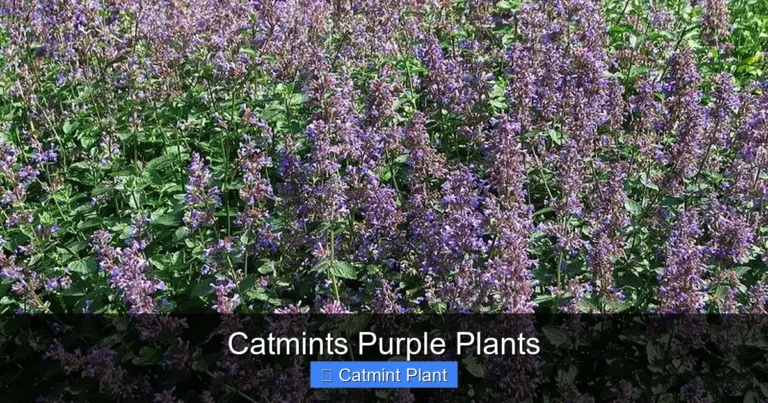
Home Depot Catmint Plant
Home Depot catmint plant selections offer gardeners reliable, low-maintenance perennials that bloom for months and attract bees, butterflies, and hummingbirds. These drought-tolerant Nepeta varieties thrive in full sun, resist deer and rabbits, and return bigger each year with minimal care.
Walking into the garden center at Home Depot each spring feels like visiting an old friend. You know exactly where to find the tomato cages, the bagged mulch, and that glorious row of perennial tables. Among the salvias and coneflowers, one plant always catches my eye: the home depot catmint plant selection. Those silvery-green mounds topped with hazy lavender blooms promise months of color with barely any fuss. I have planted catmint along my driveway, in my front border, and even in a big pot by the back door. Every year it comes back stronger, buzzing with bees and looking fresh even in August heat.
If you have ever wondered which catmint variety to choose, when to plant it, or how to keep it blooming all summer, you are in the right place. This guide covers everything I have learned from years of growing catmint purchased at Home Depot. We will talk about the specific varieties you will likely find on the shelves, the best planting techniques, seasonal care routines, and creative ways to use this garden workhorse in your landscape. Grab a cup of coffee and let us dig in.
Key Takeaways
- Multiple varieties available: Home Depot carries popular catmint types like Walker’s Low, Junior Walker, Cat’s Meow, and Cat’s Pajamas each season.
- Exceptional drought tolerance: Once established, catmint plants need very little supplemental watering, making them perfect for water-wise gardens.
- Long bloom season: Most varieties flower from late spring through early fall, especially with a mid-season shear.
- Pollinator magnet: Bees, butterflies, and hummingbirds flock to the lavender-blue flower spikes all season long.
- Deer and rabbit resistant: The aromatic foliage naturally repels browsing animals without chemicals or fencing.
- Easy maintenance: A simple mid-summer cutback encourages fresh growth and a second heavy bloom flush.
- Versatile landscape uses: Works beautifully in borders, rock gardens, containers, cottage gardens, and as edging plants.
Quick Answers to Common Questions
What is the best catmint variety at Home Depot?
Walker’s Low is the classic all-around performer, but Junior Walker and Cat’s Meow are better for small spaces and resist flopping.
When should I plant catmint from Home Depot?
Spring and early fall are ideal. Summer planting works with extra watering. Avoid planting during heatwaves or frozen ground.
How do I keep catmint blooming all summer?
Shear the plant back by half in early July after the first flush fades. This triggers fresh growth and a heavy second bloom.
Is catmint invasive?
No. Catmint forms tidy clumps and does not run. It may self-seed lightly but is easily controlled and not considered invasive.
Will deer eat my catmint?
Rarely. The aromatic foliage contains oils that deer and rabbits find unpalatable, making it one of the best deer-resistant perennials.
📑 Table of Contents
- Understanding Catmint: What Makes Nepeta Special
- Popular Home Depot Catmint Plant Varieties You Will Find
- When and How to Plant Your Catmint
- Seasonal Care for Thriving Catmint
- Designing with Catmint: Creative Landscape Ideas
- Troubleshooting Common Catmint Problems
- Buying Tips: Getting the Best Plants at Home Depot
- Propagating Catmint: Multiply Your Investment
- Catmint Through the Seasons: A Year in the Life
- Companion Planting: Best Partners for Catmint
- Catmint for Specific Garden Challenges
- Environmental Benefits of Growing Catmint
- Frequently Asked Questions About Catmint
- Conclusion: Why Every Garden Deserves Catmint
Understanding Catmint: What Makes Nepeta Special
The Botany Behind the Beauty
Catmint belongs to the genus Nepeta, a member of the mint family Lamiaceae. Unlike its notorious cousin catnip (Nepeta cataria), which sends felines into a frenzy, ornamental catmint contains much less nepetalactone. That means your garden stays beautiful without becoming a neighborhood cat playground. The plants form tidy mounds of aromatic, gray-green foliage. From late spring onward, they send up spikes of small, tubular flowers in shades of lavender, blue, pink, or white. The overall effect is a soft, hazy cloud of color that moves gently in the breeze.
Why Gardeners Love Catmint
Ask any seasoned gardener about their favorite low-maintenance perennial, and catmint almost always makes the top five. It checks every box: deer resistant, rabbit resistant, drought tolerant once established, long blooming, and pollinator friendly. The foliage releases a pleasant, minty-spicy scent when brushed against, adding a sensory dimension to pathways and seating areas. Plus, it plays well with others. Catmint looks stunning paired with roses, peonies, ornamental grasses, and late-season bloomers like sedum and asters.
Popular Home Depot Catmint Plant Varieties You Will Find
Walker’s Low: The Classic Choice
Despite the name, Walker’s Low is not a ground hugger. It reaches 24 to 30 inches tall and wide, forming a substantial mound. This variety won the Perennial Plant of the Year award in 2007, and for good reason. It blooms heavily in late spring, takes a brief pause in midsummer heat, then reblooms strongly into fall if sheared back. The flowers are a rich lavender-blue. You will almost always find Walker’s Low in gallon pots at Home Depot during spring and early summer. It is the reliable standard by which other catmints are judged.
Junior Walker: Compact Powerhouse
If you love Walker’s Low but need something smaller, Junior Walker is the answer. This sport of Walker’s Low tops out at 15 to 18 inches tall and wide. It keeps the same intense flower color and long bloom season in a package perfect for the front of the border, rock gardens, or containers. Junior Walker has become a staple in the home depot catmint plant lineup because it fits modern, smaller gardens beautifully. It also holds its shape better in rich soil, where Walker’s Low might flop.
Cat’s Meow and Cat’s Pajamas: The Proven Winners Line
Proven Winners has bred a fantastic series of catmints, and Home Depot often carries them in their branded pots. Cat’s Meow forms a neat, dense mound 17 to 20 inches tall and 24 to 36 inches wide. The flowers are a vibrant sky blue, and the plant stays remarkably tidy without flopping. Cat’s Pajamas is even more compact at 12 to 14 inches tall and 18 to 20 inches wide. It blooms earlier than most varieties, often starting in early June, and the flower spikes are held tightly above the foliage for a very polished look. Both have excellent heat and humidity tolerance.
Other Varieties to Watch For
Depending on your region and the time of year, you might also spot ‘Six Hills Giant’ (taller, looser habit, pale lavender flowers), ‘Blue Wonder’ (compact, deep blue flowers), or ‘Pink Cat’ (soft pink blooms). Home Depot sometimes carries the species Nepeta racemosa or Nepeta x faassenii as generic “catmint” in larger economy packs. These are perfectly fine plants, but the named cultivars offer more predictable size, color, and bloom performance.
When and How to Plant Your Catmint
Best Planting Times
Spring and early fall are the ideal windows for planting catmint. Spring planting gives the roots all summer to establish before winter. Fall planting works well in zones 5 and warmer, provided you plant at least six weeks before the ground freezes. If you buy a home depot catmint plant in midsummer, you can still plant it. Just be prepared to water diligently during hot, dry spells. Avoid planting during a heatwave if possible. Cloudy days or late afternoons reduce transplant shock.
Site Selection: Sun and Soil
Catmint demands full sun. That means at least six hours of direct sunlight daily. In hot southern climates, a little afternoon shade is tolerated, but flowering will be reduced. Soil drainage is non-negotiable. Catmint hates wet feet, especially in winter. Heavy clay soil should be amended with compost, coarse sand, or fine gravel to improve drainage. A slightly alkaline to neutral pH (6.5 to 7.5) is perfect. If your soil is very acidic, work in some garden lime at planting time.
Step-by-Step Planting Guide
Start by watering the plant thoroughly while it is still in the pot. Dig a hole twice as wide as the root ball and just as deep. Gently remove the plant from its container. If the roots are circling the bottom, tease them apart with your fingers or make a few vertical slices with a knife. This encourages outward growth. Place the plant in the hole so the top of the root ball sits level with the surrounding soil. Backfill with the amended soil, firming gently to eliminate air pockets. Water deeply to settle the soil. Apply a two-inch layer of shredded bark, pine straw, or gravel mulch, keeping it away from the crown. Space plants according to their mature width: 18 to 24 inches for compact varieties, 24 to 36 inches for larger ones.
Seasonal Care for Thriving Catmint
Watering: Less Is More
Newly planted catmint needs regular water for the first four to six weeks. Aim for about an inch of water per week, including rainfall. Once established, catmint is remarkably drought tolerant. In most regions, rainfall alone is sufficient. During extended droughts, a deep soaking every two to three weeks keeps plants looking fresh. Overwatering is a far greater risk than underwatering. Soggy soil leads to root rot, crown rot, and floppy growth. If you have an irrigation system, put catmint on a separate zone from thirsty plants like hydrangeas or hostas.
Fertilizing: Skip the Heavy Feeding
Catmint thrives in lean soil. Too much nitrogen produces lush, weak foliage at the expense of flowers and increases flopping. A single application of compost or a slow-release, balanced fertilizer (like 10-10-10) in early spring is plenty. If your soil is very poor, a light side-dressing of compost after the first bloom cycle can support the second flush. Avoid high-nitrogen lawn fertilizers anywhere near your catmint.
The Magic of the Mid-Season Shear
This is the single most important maintenance task for continuous bloom. Around late June or early July, after the first heavy flush fades, shear the entire plant back by one-third to one-half. Use hedge shears or sharp pruners. This removes spent flower spikes, tidies the mound, and stimulates fresh basal growth. Within two to three weeks, you will see a wave of new buds forming. The plant will bloom again heavily through late summer and into fall. If you skip this step, the plant looks ragged and bloom tapers off significantly.
Fall and Winter Care
In late fall, after several hard frosts, the foliage will die back. You have two choices. Leave the dead stems in place to protect the crown and provide winter interest. Or cut them back to a few inches above ground. Both approaches work. In very cold zones (3 to 4), leaving the stems helps trap snow for insulation. In spring, cut back any remaining dead growth to the ground before new shoots emerge. A fresh layer of compost around the base in early spring gives a gentle nutrient boost.
Designing with Catmint: Creative Landscape Ideas
Border Edging and Pathway Softener
Plant a row of compact catmint like Junior Walker or Cat’s Pajamas along a garden path or driveway edge. The billowing mounds soften hard lines and release fragrance when brushed. The silvery foliage creates a beautiful transition between lawn and planting beds. Because catmint stays low and neat with the mid-season shear, it never overwhelms the space.
Rose Companions
Catmint is the classic underplanting for roses. The lavender-blue flowers complement every rose color from pale pink to deep crimson. The mounding habit hides the bare canes at the base of rose bushes. Both plants love full sun and well-drained soil. The aromatic catmint foliage may even help deter some rose pests. Plant catmint 18 inches from the rose base to avoid root competition.
Pollinator and Wildlife Gardens
If you want a garden buzzing with life, catmint is essential. Bees of all kinds — honeybees, bumblebees, native solitary bees — work the flowers tirelessly. Butterflies, especially skippers and swallowtails, visit frequently. Hummingbirds dip their beaks into the tubular blooms. Plant catmint in drifts of three, five, or seven for maximum visual impact and pollinator attraction. Combine with coneflowers, bee balm, salvia, and butterfly weed for a season-long buffet.
Rock Gardens and Slopes
The drought tolerance and love of sharp drainage make catmint a star in rock gardens and on sunny slopes. The roots help stabilize soil on banks. The soft mounds contrast beautifully with stones, gravel, and spiky plants like yucca or ornamental grasses. Choose compact varieties for smaller rock gardens. ‘Blue Wonder’ and Cat’s Pajamas are excellent choices.
Container Combinations
Catmint thrives in large containers (at least 16 inches wide and deep). Use a gritty, well-draining potting mix — add perlite or coarse sand to standard mix. Pair with other sun-loving, drought-tolerant plants like sedum, lavender, thyme, or ornamental grasses. Water containers more frequently than in-ground plants, but still allow the top inch of soil to dry between waterings. Overwinter containers in an unheated garage or bury the pot in the ground in cold climates.
Troubleshooting Common Catmint Problems
Floppy, Sprawling Growth
This is the number one complaint. Causes include too much shade, overly rich soil, excessive water or fertilizer, or simply the natural habit of taller varieties. Solutions: ensure full sun, stop fertilizing, reduce watering, perform the mid-season shear, and consider staking early in the season with grow-through supports. Switching to a more compact variety like Junior Walker or Cat’s Meow solves the problem permanently.
Center Die-Out (The “Donut” Effect)
After three to five years, the center of the clump may become woody and stop producing new growth, leaving a ring of healthy foliage around a dead center. This signals it is time to divide. In early spring, dig up the entire clump. Use a sharp spade or knife to cut it into sections, each with healthy roots and shoots. Discard the woody center. Replant the divisions at the same depth, water well, and mulch. Division rejuvenates the plant and gives you free plants for elsewhere.
Powdery Mildew
In humid climates or with poor air circulation, catmint can develop powdery mildew — a white, dusty coating on leaves. It is rarely fatal but looks unsightly. Prevent it by spacing plants properly for airflow, watering at the base (not overhead), and choosing resistant varieties like Cat’s Meow. If it appears, remove badly affected leaves and spray with a homemade solution of one tablespoon baking soda plus one teaspoon horticultural oil per gallon of water.
Root Rot
Yellowing leaves, wilting despite moist soil, and a foul smell indicate root rot from poor drainage. This is usually fatal. Prevention is key: plant in well-drained soil, avoid low spots where water collects, and do not overwater. If caught very early, you might save the plant by digging it up, cutting away rotted roots, and replanting in a raised bed or container with fresh, gritty soil.
Buying Tips: Getting the Best Plants at Home Depot
When to Shop for the Best Selection
Home Depot receives perennial shipments in waves. The biggest, freshest selection of home depot catmint plant varieties arrives in early to mid-spring (March to May depending on your zone). This is when you will find the full range: Walker’s Low, Junior Walker, Cat’s Meow, Cat’s Pajamas, and sometimes the Proven Winners four-inch “starter” sizes. Summer brings a second, smaller wave. Fall often has clearance deals on larger pots, but variety is limited.
How to Pick a Healthy Plant
Look for plants with vibrant, silvery-green foliage — no yellowing, browning, or spots. Check the crown (where stems meet soil) for firm, white roots visible at the drainage holes. Avoid plants with weeds growing in the pot, a sign they have been sitting a while. A few spent flower spikes are fine; you will shear them anyway. Pass on any plant with mushy stems, foul odor, or obvious insect infestations (aphids, spider mites).
Pot Sizes and Value
Home Depot typically sells catmint in quart, gallon, and sometimes two-gallon pots. Quart pots (often Proven Winners) are younger plants that establish quickly and cost less. Gallon pots give you immediate impact and are the best value for most gardeners. Two-gallon pots are great for instant specimens but cost significantly more. For mass plantings, buy multiple quarts or gallons rather than a few large pots. They will catch up within a season.
Reading the Labels
Plant tags at Home Depot provide crucial info: mature height and spread, hardiness zone, sun requirement, spacing, and bloom time. Take a photo of the tag with your phone for reference. The SKU number helps if you need to order more online or check stock at another store. Proven Winners pots have a distinctive branded container with a detailed hang tag.
Propagating Catmint: Multiply Your Investment
Division: The Easiest Method
As mentioned, division every three to five years keeps plants vigorous. Early spring is best, just as new growth emerges. Fall division works in mild climates. Water the plant well the day before. Dig the whole clump. Cut into sections with a sharp spade or old knife. Each division needs three to five healthy shoots and a good root mass. Replant immediately at the same depth. Water well and mulch. New divisions may not bloom heavily the first year but will take off in year two.
Stem Cuttings
In late spring or early summer, take four- to six-inch cuttings from non-flowering stems. Remove lower leaves, dip the cut end in rooting hormone (optional but helpful), and stick in a pot of moist perlite-vermiculite mix or coarse sand. Cover with a clear plastic bag to maintain humidity. Place in bright, indirect light. Roots form in three to four weeks. Transplant to individual pots, grow on for a month, then plant out.
Seed Starting
Named cultivars do not come true from seed. But species catmint (Nepeta racemosa, Nepeta mussinii) grows easily from seed. Start indoors six to eight weeks before last frost. Surface sow on moist seed-starting mix; light aids germination. Keep at 65 to 70 degrees F. Germination takes 10 to 20 days. Transplant seedlings to cells, harden off, and plant out after frost. Seed-grown plants vary in height, color, and habit — fun for experimental gardeners.
Catmint Through the Seasons: A Year in the Life
Early Spring (March to April)
New growth emerges from the crown as silvery-green shoots. This is the time to cut back any remaining dead stems from last year. Apply a thin layer of compost around the base. If the clump has a dead center, divide now. Watch for early aphids on tender shoots; blast off with water or ignore — ladybugs usually handle them.
Late Spring (May to June)
The first major bloom cycle begins. The plant becomes a cloud of lavender-blue. Pollinators arrive in force. Enjoy the show. Deadhead individual spent spikes if you are fastidious, but the mid-season shear handles this more efficiently. Water only if very dry.
Midsummer (July)
First flush fades. Perform the great shear. Cut the whole plant back by half. It looks brutal for a week. Then fresh green growth explodes from the base. This is also a good time to apply a light side-dressing of compost if soil is poor.
Late Summer to Fall (August to October)
Second bloom cycle peaks. Often heavier than the first. The plant looks fresh and full. Continue to enjoy pollinator activity. Stop fertilizing. Reduce watering as temperatures cool.
Late Fall to Winter (November to February)
Foliage dies back after hard frosts. Leave stems standing or cut back. In zones 3 to 4, a light mulch of straw or evergreen boughs after the ground freezes helps prevent heaving. Otherwise, catmint needs no winter protection. Dream of next spring.
Companion Planting: Best Partners for Catmint
Roses
The classic pairing. Catmint hides bare knees, complements colors, and shares cultural needs. Try ‘Walker’s Low’ under pink or red shrub roses. ‘Junior Walker’ under compact floribundas.
Ornamental Grasses
Fine-textured grasses like Mexican feather grass (Stipa tenuissima), blue fescue (Festuca glauca), or prairie dropseed (Sporobolus heterolepis) contrast beautifully with catmint’s mounded form. The combination moves gracefully in wind.
Salvias
Perennial salvias (like ‘May Night’, ‘Caradonna’, ‘East Friesland’) bloom at the same time with similar spikes but deeper purple or blue. Together they create a river of blue. Both respond to the mid-season shear.
Coneflowers (Echinacea)
Coneflowers bloom later and taller. Their bold daisy flowers and prominent cones add architecture above the catmint haze. Goldfinches love the seeds in fall.
Sedum (Stonecrop)
Upright sedums like ‘Autumn Joy’ or ‘Matrona’ take over the show in late summer and fall. Their succulent foliage and broccoli-like flower heads provide winter interest after catmint is done.
Alliums
Plant allium bulbs among catmint in fall. The tall purple globes rise through the catmint foliage in late spring. Catmint’s emerging growth hides the allium’s yellowing leaves. Perfect partnership.
Catmint for Specific Garden Challenges
Deer and Rabbit Pressure
If Bambi and Thumper treat your garden as a salad bar, catmint is a top choice. The pungent essential oils in the foliage are highly unpalatable. I have watched deer walk right past catmint to eat hostas ten feet away. No plant is 100% proof, but catmint is as close as it gets.
Dry Shade? Not Here.
Catmint will not thrive in shade. But for that brutal, baked, south-facing slope where the hose does not reach? Perfect. For the hellstrip between sidewalk and street? Perfect. For the gravel garden you are converting from lawn? Perfect. It turns problem spots into showcases.
Septic Fields and Utility Easements
Because catmint has a fibrous root system (not deep taproots), it is safe to plant over septic drain fields and near buried utilities. It provides beauty without risking pipe damage. Check local regulations, but generally, herbaceous perennials are encouraged over septic systems.
Fire-Wise Landscaping
In fire-prone areas, catmint is a recommended plant. It has low fuel volume, high moisture content in foliage, and does not accumulate dead material within the crown (especially if sheared). Keep it well-watered and spaced from structures per local guidelines.
Environmental Benefits of Growing Catmint
Pollinator Support
Catmint provides nectar and pollen for months when many other plants are not blooming. The flower structure suits both long-tongued and short-tongued bees. It is a “bridge plant” that sustains pollinators between spring bulbs and summer perennials.
Water Conservation
Replacing thirsty lawn or annual beds with established catmint drastically reduces landscape water use. A mature planting needs zero supplemental irrigation in many climates. This saves money and conserves a precious resource.
Reduced Chemical Inputs
No fertilizers, no pesticides, no fungicides needed for healthy catmint. The aromatic foliage naturally deters many pests. The dense growth suppresses weeds. This means fewer chemicals in your yard, your watershed, and your body.
Carbon Sequestration
Like all perennial plants, catmint sequesters carbon in its root biomass and builds soil organic matter over time. The less you disturb the soil (no annual tilling), the more carbon stays put. A catmint planting is a tiny carbon sink.
Frequently Asked Questions About Catmint
Is catmint the same as catnip?
No. Both are Nepeta species, but catnip (Nepeta cataria) is the one that drives cats wild. Ornamental catmint (Nepeta x faassenii, Nepeta racemosa, and hybrids) has much lower nepetalactone content. Cats may sniff or rub on it occasionally, but they do not destroy it. Your garden stays intact.
Will catmint spread aggressively?
Catmint is clump-forming, not running. It expands slowly at the edges but does not send out underground runners like mint. It may self-seed lightly in ideal conditions, but seedlings are easy to pull or transplant. Named cultivars do not come true from seed anyway. It is well-behaved, not invasive.
Can I grow catmint indoors?
Not successfully long-term. Catmint needs full sun, seasonal dormancy, and excellent air circulation. Indoors, it becomes leggy, attracts spider mites, and fails to bloom well. Grow it outside where it belongs. If you want an indoor herb, try true mint in a pot.
Why is my catmint not blooming?
Most common reasons: too much shade (needs 6+ hours direct sun), too much nitrogen fertilizer (produces leaves, not flowers), the plant needs dividing (woody center), or it is a young plant putting energy into roots. Ensure full sun, stop fertilizing, and shear after the first flush to encourage rebloom.
How long does catmint live?
With division every three to five years, catmint lives indefinitely. Individual undivided clumps may decline after five to seven years due to center die-out. Division resets the clock. I have clumps in my garden that are descendants of a plant bought 15 years ago.
Can I plant catmint in clay soil?
Yes, but you must amend it. Mix in generous amounts of compost, coarse sand, or fine gravel (like chicken grit or expanded shale) to improve drainage. Plant slightly high, with the crown a half-inch above grade. Mulch with gravel instead of bark. Avoid low spots where water pools.
Conclusion: Why Every Garden Deserves Catmint
After years of gardening, I have learned to value plants that give much and ask little. The home depot catmint plant selection delivers exactly that. Whether you choose the classic Walker’s Low, the compact Junior Walker, or the tidy Proven Winners varieties, you are getting a perennial that blooms for months, feeds pollinators, resists pests, tolerates drought, and looks good doing it. The care routine is almost embarrassingly simple: plant in sun, water until established, shear in July, divide every few years. That is it.
Next time you are at Home Depot, head to the perennial tables. Look for those silvery mounds with the promise of lavender clouds. Pick up three or five. Plant them along a path, under a rose, in a pot by the door. Shear them in midsummer. Watch the bees arrive. Watch the second bloom carry you into fall. That is the catmint promise — beauty with ease, season after season. Your garden will thank you. And honestly? You will thank yourself for making the smart choice.
Frequently Asked Questions
What is the difference between catmint and catnip?
Catnip (Nepeta cataria) contains high levels of nepetalactone that causes euphoric reactions in cats. Ornamental catmint (Nepeta x faassenii and hybrids) has much lower levels and is grown for its flowers and foliage, not for feline entertainment. Cats may show mild interest but rarely damage catmint plants.
How far apart should I space catmint plants?
Space compact varieties like Junior Walker and Cat’s Pajamas 18 inches apart. Space larger varieties like Walker’s Low and Cat’s Meow 24 to 30 inches apart. Proper spacing ensures good air circulation, which prevents powdery mildew and allows each plant to develop its natural mound shape.
Can catmint grow in partial shade?
Catmint tolerates light afternoon shade in hot climates but flowers best in full sun (6+ hours direct light). In too much shade, plants become leggy, produce fewer flowers, and are more prone to flopping and powdery mildew. For shady spots, consider alternatives like Japanese forest grass or coral bells.
Should I deadhead catmint?
Individual deadheading is not necessary. Instead, perform a single mid-season shear in early July, cutting the entire plant back by one-third to one-half. This removes all spent flowers at once, tidies the foliage, and stimulates a vigorous second bloom cycle that lasts into fall.
Why is my catmint turning yellow?
Yellowing usually indicates overwatering or poor drainage. Catmint prefers dry conditions once established. Check soil moisture — it should dry out between waterings. Heavy clay soil without amendment can also cause yellowing due to root rot. Ensure excellent drainage and reduce watering frequency.
Can I divide catmint in summer?
Spring is the best time to divide catmint, just as new growth emerges. Fall division works in zones 6 and warmer. Summer division is stressful due to heat and active growth. If you must divide in summer, cut the foliage back hard, water thoroughly, and provide temporary shade for two weeks while roots re-establish.