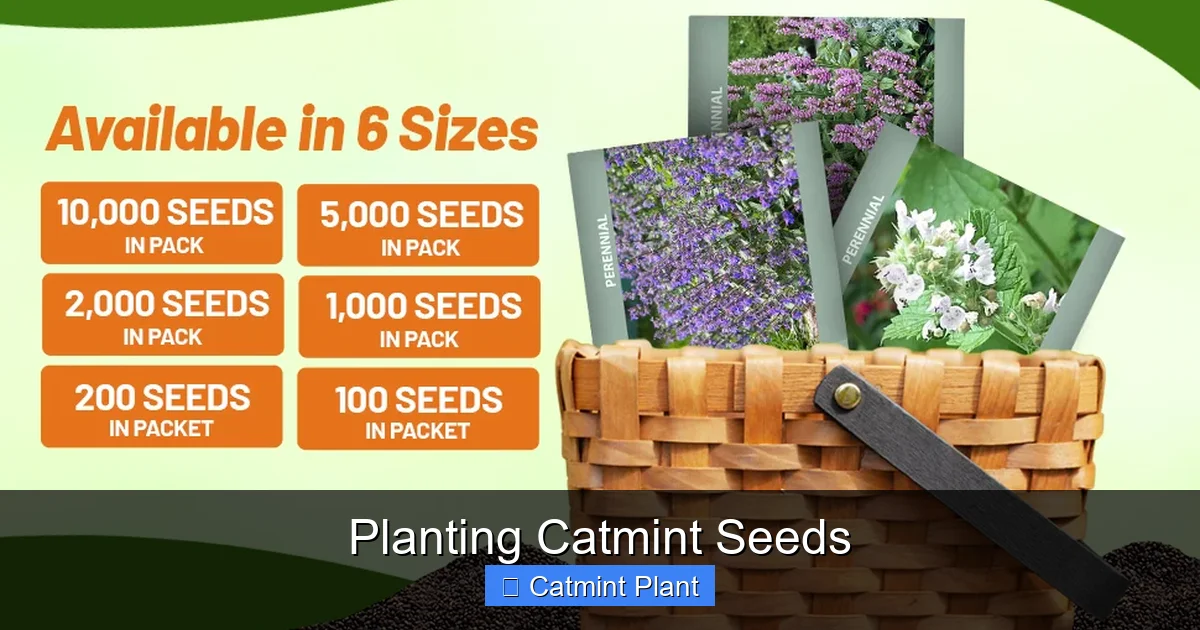
Planting Catmint Seeds
Planting catmint seeds is simple when you choose the right variety, prepare well‑drained soil, and give seedlings consistent moisture. Follow these tips to enjoy aromatic foliage and abundant blooms all season.
Key Takeaways
- Choose the right variety: Select a catmint type that matches your climate and garden space.
- Prepare soil early: Loose, slightly alkaline soil gives seeds the best start.
- Sow at the proper depth: Lightly cover seeds; they need light to germinate.
- Water consistently: Keep the seed bed moist but not soggy until seedlings appear.
- Harden off before transplant: Gradually expose indoor starts to outdoor conditions.
- Harvest at peak fragrance: Cut stems just before flowers fully open for the strongest scent.
Quick Answers to Common Questions
How deep should I plant catmint seeds?
Cover seeds with no more than 1/8 inch of soil; they need light to germinate.
When is the best time to start catmint seeds indoors?
Start 6 to 8 weeks before your last expected frost date.
Do catmint plants need full sun?
They thrive in full sun but tolerate light afternoon shade in hot climates.
How often should I water seedlings?
Keep the soil evenly moist, about 1 inch per week, until plants are established.
Can I grow catmint in containers?
Yes, use a pot at least 12 inches wide with well‑draining mix and regular watering.
📑 Table of Contents
Introduction
Planting catmint seeds can feel like a small adventure. You start with a tiny packet and end with a cloud of lavender‑blue flowers that bees love. This guide walks you through every step, from picking a variety to harvesting the fragrant leaves. Whether you are a first‑time gardener or a seasoned green thumb, the process is straightforward and rewarding.
Catmint, also known as Nepeta, is a hardy perennial that thrives in many zones. It tolerates drought, resists deer, and adds a soft texture to borders. The secret to success lies in good preparation and patience. By following the tips below, you will see strong germination and vigorous growth.
Choosing the Right Catmint Variety
Popular Types
There are several catmint cultivars, each with a slightly different habit. ‘Walker’s Low’ stays compact at 18 inches and blooms early. ‘Six Hills Giant’ reaches 30 inches and produces larger flower spikes. ‘Cat’s Pajamas’ offers a tidy mound with a long bloom period. Pick a variety that fits the space you have and the look you want.
Climate Considerations
Most catmint varieties are hardy in USDA zones 3 through 8. In hotter zones, provide afternoon shade to prevent leaf scorch. In cooler zones, a sunny spot ensures the best flower production. Knowing your zone helps you decide when to start planting catmint seeds indoors versus direct sowing outdoors.
Preparing Soil and Sowing Catmint Seeds
Soil pH and Texture
Catmint prefers a slightly alkaline soil with a pH between 6.5 and 7.5. Test your garden bed with a simple kit. If the soil is too acidic, add garden lime. The texture should be loose and well‑draining. Heavy clay can be amended with coarse sand and compost to improve aeration.
Amending the Bed
Work a 2‑inch layer of compost into the top 6 inches of soil. This adds nutrients and improves moisture retention without creating soggy conditions. A balanced slow‑release fertilizer (10‑10‑10) can be mixed in at planting time, but catmint does not need heavy feeding.
Indoor Seed Starting
Start planting catmint seeds indoors 6 to 8 weeks before the last frost date. Use shallow trays filled with a sterile seed‑starting mix. Sprinkle seeds on the surface and press them lightly; they need light to germinate. Cover the tray with a clear dome or plastic wrap to keep humidity high. Place the tray under grow lights or on a sunny windowsill. Keep the temperature around 70°F (21°C). Germination usually occurs in 10 to 14 days.
Direct Sowing Outdoors
If you prefer to skip the indoor step, you can sow directly after the danger of frost has passed. Rake the prepared bed smooth, then scatter seeds thinly. Lightly rake again to cover seeds with no more than 1/8 inch of soil. Water gently with a fine mist. Thin seedlings to 12‑18 inches apart once they have two true leaves.
Caring for Young Catmint Plants
Watering Guidelines
Young catmint needs consistent moisture. Water at the base of the plant to keep foliage dry and reduce disease risk. Aim for about 1 inch of water per week, adjusting for rainfall. Once established, catmint becomes drought tolerant and requires less frequent watering.
Fertilizing and Mulching
Apply a light side‑dressing of compost in early summer if growth looks slow. Avoid high‑nitrogen fertilizers; they promote leafy growth at the expense of flowers. Mulch with straw or shredded leaves to conserve moisture and suppress weeds. Keep mulch a few inches away from the crown to prevent rot.
Pinching for Bushier Growth
When seedlings reach 6 inches, pinch back the tips. This encourages branching and a fuller plant. Repeat pinching once more in early summer for a compact habit. The result is more flower stems and a tidier appearance.
Transplanting, Hardening Off, and Common Problems
Hardening Off Process
Before moving indoor‑started seedlings to the garden, harden them off over 7 to 10 days. Place pots in a sheltered, shaded spot for a few hours each day, gradually increasing sun exposure. Bring them inside at night if temperatures dip below 50°F (10°C). This reduces transplant shock and prepares plants for outdoor conditions.
Transplanting to the Garden
Choose a cloudy day or late afternoon for transplanting. Dig holes slightly larger than the root ball. Space plants according to the variety’s mature width, usually 12‑18 inches apart. Set the plant at the same depth it grew in the pot. Backfill with soil, firm gently, and water thoroughly.
Pests
Catmint is relatively pest‑free. Aphids may appear on new growth. Spray a strong jet of water or apply insecticidal soap early in the morning. Spider mites can develop in hot, dry weather; increase humidity around plants with occasional misting.
Diseases
Powdery mildew can affect catmint in humid, crowded conditions. Ensure good air circulation by proper spacing and pruning. If mildew appears, remove affected leaves and apply a homemade spray of 1 tablespoon baking soda per gallon of water with a few drops of liquid soap.
Harvesting, Using, and Final Tips
When to Harvest
The best time to harvest catmint is just before the flowers fully open. At this stage, essential oils are at their peak. Cut stems in the morning after dew has dried. Use sharp scissors to avoid crushing the stems.
Drying and Storing
Bundle small bunches and hang them upside down in a dark, well‑ventilated area. Drying takes 1 to 2 weeks. Once crisp, strip leaves from stems and store in airtight containers away from light. Dried catmint retains fragrance for months and can be used in teas, sachets, or cat toys.
Using Fresh Catmint
Fresh leaves add a minty, slightly citrus flavor to salads, cocktails, and desserts. They also make a soothing herbal tea. For cats, a few fresh leaves can provide enrichment and playfulness. Always offer in moderation.
Long‑Term Garden Care
After the first flush of blooms, shear the plant back by one‑third. This encourages a second bloom in late summer. In late fall, cut the foliage to the ground after the first hard frost. Mulch the crown lightly to protect roots over winter. In spring, new growth will emerge from the base.
Final Tips for Success
- Label each variety if you grow more than one.
- Rotate planting locations every few years to reduce soil‑borne issues.
- Companion plant with roses or lavender for a pollinator haven.
- Keep a garden journal noting sowing dates, weather, and observations.
Conclusion
Planting catmint seeds is a rewarding project that brings beauty, fragrance, and wildlife to your garden. With the right variety, proper soil preparation, and a little patience, you will enjoy waves of soft blue flowers year after year. Remember to water consistently, harden off seedlings, and harvest at the right moment for the best aroma. Happy gardening!
Frequently Asked Questions
What soil pH is ideal for catmint?
Catmint prefers a slightly alkaline soil with a pH between 6.5 and 7.5. Test your soil and amend with lime if it is too acidic.
How long does it take for catmint seeds to germinate?
Germination typically occurs in 10 to 14 days when kept at around 70°F (21°C) with consistent moisture.
Should I fertilize catmint regularly?
Catmint does not need heavy feeding. A light side‑dressing of compost in early summer is sufficient.
How do I prevent powdery mildew on catmint?
Space plants for good air circulation, avoid overhead watering, and remove any infected leaves promptly.
Can catmint be divided?
Yes, divide mature clumps in early spring or fall to rejuvenate plants and create new ones.
Is catmint safe for pets?
Catmint is non‑toxic to cats and dogs, though large amounts may cause mild stomach upset. Offer in moderation.