Difference Between Catnip and Catmint Plants
Catnip and catmint look similar but belong to different species; catnip drives most cats wild while catmint offers a milder scent and ornamental value. Knowing the difference between catnip and catmint plants helps you choose the right herb for your garden and your feline friend.
If you have ever walked through a garden center and seen two plants labeled “catnip” and “catmint,” you might wonder what sets them apart. The difference between catnip and catmint plants is more than just a name; it influences how your cat behaves, how the plants look in your beds, and how much care they need. In this guide we break down the science, the garden performance, and the practical uses so you can decide which one deserves a spot in your yard.
Both herbs belong to the mint family, Lamiaceae, and share a square stem, aromatic leaves, and a love for sunny spots. Yet the chemical makeup of their essential oils diverges enough to give each a distinct personality. Understanding the difference between catnip and catmint plants will save you time, money, and a few scratched furniture legs.
Key Takeaways
- Botanical identity: Catnip is Nepeta cataria; catmint usually refers to Nepeta × faassenii or other Nepeta hybrids.
- Cat reaction: Catnip triggers a strong euphoric response in ~70 % of cats; catmint produces a gentler, often negligible effect.
- Growth habit: Catnip grows taller, up to 3 ft, with a more sprawling habit; catmint stays compact, 12–18 in, forming tidy mounds.
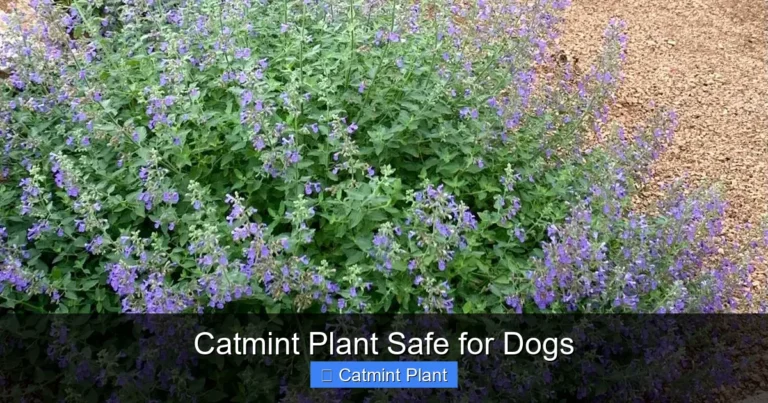
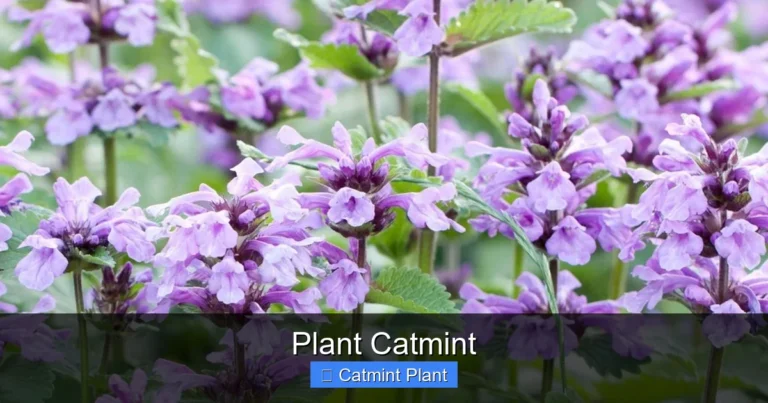
- Flower color: Catnip bears white‑lavender spikes; catmint shows lavender‑blue to pink blossoms that attract pollinators.
- Hardiness: Both are hardy to USDA zones 3‑9, but catmint tolerates heat and drought better.
- Uses: Catnip is harvested for cat toys and teas; catmint shines as a border plant, ground cover, or bee‑friendly perennial.
- Propagation: Both spread by seed and division; catmint is less aggressive, making it easier to manage in mixed beds.
Quick Answers to Common Questions
What is the main chemical that makes cats react to catnip?
Nepetalactone, specifically the cis‑isomer, triggers the euphoric response in most cats.
Can catmint be used to make tea for humans?
Catmint is rarely used for tea because its essential oil profile differs; catnip is the preferred herb for a calming brew.
Which plant is more drought‑tolerant?
Catmint handles dry conditions better once established, making it a better choice for xeriscaping.
Do both plants spread aggressively by seed?
Catnip self‑seeds heavily; catmint self‑seeds modestly and many cultivars are sterile.
How should I harvest leaves for maximum potency?
Cut stems just before flowering in the morning, dry in a dark airy place, and store in airtight jars.
📑 Table of Contents
Botanical Background
Scientific Names and Classification
Catnip’s botanical name is Nepeta cataria. It is a single species native to Europe and Asia but naturalized across North America. Catmint, on the other hand, is a common name for several hybrids, most often Nepeta × faassenii (a cross between N. racemosa and N. nepetella) and cultivars such as ‘Walker’s Low’ or ‘Six Hills Giant’. Knowing the scientific names clarifies the difference between catnip and catmint plants because the hybrids were bred for ornamental traits rather than feline appeal.
Chemical Compounds That Matter
The compound that drives cats crazy is nepetalactone. Nepeta cataria produces a high concentration of the isomer cis‑nepetalactone, which binds to receptors in a cat’s nasal tissue and triggers the classic roll‑around, purr‑fest behavior. Catmint hybrids contain lower levels of nepetalactone and a different ratio of isomers, so the effect on cats is mild or absent. This chemical distinction underpins the difference between catnip and catmint plants for pet owners.
Growth Habits and Garden Performance
Size, Shape, and Spread
Catnip grows upright to about 30‑36 inches tall and can spread 18‑24 inches wide. Its stems are somewhat leggy, especially if not trimmed. Catmint forms a neat mound 12‑18 inches high and 18‑24 inches wide, making it a tidy edging plant. The difference between catnip and catmint plants in habit means catmint fits better in formal borders, while catnip works well in a wild‑flower meadow or a dedicated cat‑garden corner.
Flowering Time and Color
Both bloom in late spring to early summer, but catnip’s flowers are small, white with pale lavender spots, arranged in loose spikes. Catmint produces denser spikes of lavender‑blue, pink, or white blossoms that last longer and attract bees, butterflies, and hummingbirds. If you want a pollinator magnet, the difference between catnip and catmint plants leans toward catmint.
Hardiness, Soil, and Water Needs
Both are hardy to USDA zones 3‑9. Catnip tolerates poorer, drier soils once established, but it prefers a bit of moisture for the best leaf production. Catmint is more drought‑tolerant and thrives in lean, well‑drained soil; too much fertility makes it floppy. The difference between catnip and catmint plants in water demand means catmint is a lower‑maintenance choice for xeriscaping.
Effect on Cats
Why Cats Love Catnip
When a cat sniffs catnip, nepetalactone binds to olfactory receptors, sending a signal to the brain’s amygdala and hypothalamus. The result is a 10‑15 minute euphoric episode: rolling, rubbing, vocalizing, and sometimes a brief “zoomies” burst. About 70‑80 % of adult cats respond; kittens and senior cats often show little interest. This strong reaction is the hallmark of the difference between catnip and catmint plants for pet owners.
Catmint’s Milder Influence
Catmint contains nepetalactone but at lower concentrations and with a different isomer profile. Most cats sniff catmint, maybe lick a leaf, then walk away. A few sensitive individuals may show a brief rub, but the intense “high” is rare. If you want a plant that looks great but won’t turn your living room into a cat playground, the difference between catnip and catmint plants points to catmint.
Practical Tips for Cat Owners
Plant catnip in a container you can move indoors for a controlled play session. Harvest leaves just before flowering for the highest nepetalactone content. Dry them in a dark, airy spot and store in an airtight jar. For catmint, use it as a border; you can still offer a few fresh leaves as a treat, but don’t expect a dramatic response. Understanding the difference between catnip and catmint plants helps you manage expectations and keep both your garden and your cat happy.
Culinary and Herbal Uses
Catnip Tea and Human Benefits
Humans have brewed catnip tea for centuries to ease insomnia, anxiety, and digestive upset. The same nepetalactone that excites cats acts as a mild sedative in people. A teaspoon of dried catnip steeped in hot water for 5‑10 minutes yields a soothing cup. The difference between catnip and catmint plants in herbal medicine is notable: catmint is rarely used internally because its essential oil profile differs.
Catmint in the Kitchen
Catmint’s leaves have a subtle minty‑lemon flavor that works in salads, fruit salsas, or as a garnish for summer drinks. Because the flavor is milder, you can use larger quantities without overwhelming a dish. Chefs sometimes sprinkle chopped catmint over grilled vegetables or blend it into herb butter. The difference between catnip and catmint plants in culinary value makes catmint the more versatile kitchen herb.
Harvesting and Storing
For both herbs, cut stems in the morning after dew evaporates. Hang small bundles upside‑down in a dark, ventilated area. Once crisp, strip leaves and store in glass jars away from light. Catnip loses potency faster; use within six months for best effect. Catmint retains flavor longer, up to a year. Knowing the difference between catnip and catmint plants in storage helps you plan your harvest schedule.
Propagation and Maintenance
Seed Starting
Sow catnip seeds indoors 6‑8 weeks before the last frost; they need light to germinate, so press them onto the surface of a seed‑starting mix. Catmint seeds behave similarly but germinate a bit slower. Transplant seedlings after danger of frost passes. The difference between catnip and catmint plants in germination speed is minor, but catmint seedlings are less prone to damping‑off.
Division and Cuttings
Both herbs divide easily in early spring or fall. Dig up a clump, separate into sections with roots, and replant at the same depth. Softwood cuttings taken in late spring root in a week under a humidity dome. Catmint’s tighter crown makes division cleaner; catnip’s woody base can be tougher to split. The difference between catnip and catmint plants in division effort is a practical consideration for gardeners who like to share plants.
Controlling Spread
Catnip self‑seeds aggressively; deadhead spent flowers if you want to limit volunteers. Catmint also self‑seeds but far less vigorously, and many cultivars are sterile. Mulching around the base suppresses unwanted seedlings for both. The difference between catnip and catmint plants in invasiveness means catnip may need more vigilance in a mixed border.
Design Ideas for Your Garden
Cat‑Friendly Corner
Create a dedicated cat‑garden by planting a clump of catnip in a large pot, surrounded by low‑growing catmint as a fragrant edging. Add a few cat‑safe grasses like Deschampsia for texture. Your cat can roll in the catnip while the catmint keeps the area tidy and attractive. This layout showcases the difference between catnip and catmint plants in a functional design.
Pollinator Border
Line a sunny path with catmint cultivars ‘Walker’s Low’ and ‘Blue Wonder’. Their long bloom period feeds bees and butterflies from June to September. Interplant with lavender, salvia, and echinacea for a layered look. Catnip can be tucked behind the border for occasional harvest without stealing the show. The difference between catnip and catmint plants shines when you match each to its strongest role.
Herb Spiral or Raised Bed
In an herb spiral, place catmint on the upper, drier tiers where its drought tolerance thrives. Reserve the lower, moister zone for catnip, which appreciates a bit more water. Both benefit from the spiral’s microclimates, and you’ll have fresh leaves for tea, cat toys, and culinary experiments all in one compact space. The difference between catnip and catmint plants guides placement for optimal health.
Common Problems and Solutions
Pests
Aphids and spider mites occasionally attack both herbs, especially in hot, dry weather. A strong spray of water or insecticidal soap clears them. Catmint’s aromatic oils repel many insects, giving it a slight edge. The difference between catnip and catmint plants in pest resistance is modest but worth noting for organic gardeners.
Diseases
Powdery mildew can appear on crowded, humid foliage. Space plants 18‑24 inches apart, water at the base, and avoid overhead irrigation. Both species respond well to a homemade milk spray (1 part milk to 9 parts water) applied weekly. The difference between catnip and catmint plants in disease susceptibility is minimal when cultural practices are sound.
Winter Care
In zones 3‑5, cut back dead stems after the first hard frost and mulch with straw or shredded leaves. Both herbs are herbaceous perennials; the crown survives underground. In milder zones, they may stay evergreen. The difference between catnip and catmint plants in winter hardiness is negligible; both bounce back reliably.
Conclusion
By now you should feel confident about the difference between catnip and catmint plants. Catnip (Nepeta cataria) is the go‑to herb for a cat‑induced frenzy and a calming tea for you. Catmint (mainly Nepeta × faassenii cultivars) offers a compact, long‑blooming, pollinator‑friendly presence with a gentle minty flavor for the kitchen. Choose catnip if your primary goal is feline enrichment; choose catmint if you want a low‑maintenance ornamental that still smells delightful. Whichever you plant, both bring a touch of minty magic to the garden and a little joy to the household.
Frequently Asked Questions
Is catnip safe for all cats?
Most adult cats enjoy catnip safely, but kittens under three months and some senior cats may show little or no response. Over‑exposure can cause mild gastrointestinal upset, so limit sessions to once a day.
Can I grow catnip and catmint together?
Yes, they share similar light and soil needs. Plant catmint as a border and keep catnip in a container to control its spread.
What USDA zones support these herbs?
Both are hardy in USDA zones 3 through 9, tolerating winter lows down to -40 °F with proper mulching.
How often should I water catmint?
Water deeply once a week during the first growing season; after establishment, catmint needs water only during prolonged drought.
Are there any culinary uses for catnip?
Catnip leaves can flavor herbal teas, soups, and sauces, but use sparingly because the flavor is strong and slightly bitter.
What is the best time to divide catmint?
Early spring or early fall, when the plant is not in full bloom, gives divisions the best chance to establish before extreme temperatures.