Is Catmint and Catnip the Same Plant
Catmint and catnip are different plants despite both belonging to the Nepeta genus. Catnip (Nepeta cataria) drives cats wild with nepetalactone, while catmint (Nepeta × faassenii) is primarily ornamental with milder effects. Both are easy-to-grow perennials that attract pollinators, but they serve different purposes in your garden.
If you have ever wandered down the herb aisle at a garden center, you have probably seen both catmint and catnip sitting side by side. The labels look similar. The leaves smell similar. The names sound almost identical. So you might wonder, is catmint and catnip the same plant? The short answer is no. They are close cousins, but they are not the same species. Understanding the differences can save you disappointment, especially if you are planting for a feline friend.
I learned this the hard way a few years ago. I bought a beautiful catmint plant, imagining my cat rolling around in bliss. She sniffed it, gave me a look of pure judgment, and walked away. That moment sent me down a research rabbit hole. What I discovered changed how I garden for both cats and pollinators. Let me share everything I have learned so you can make the right choice for your yard.
Key Takeaways
- Different species: Catnip is Nepeta cataria while catmint is typically Nepeta × faassenii or other Nepeta hybrids
- Cat reaction varies: Catnip triggers intense euphoria in 70-80% of cats; catmint produces mild interest at best
- Appearance differs: Catnip has heart-shaped, fuzzy gray-green leaves and white flowers; catmint has smaller, aromatic gray-green leaves with lavender-blue flower spikes
- Garden uses vary: Catnip is grown for cats and herbal tea; catmint is prized as a drought-tolerant ornamental perennial
- Both attract pollinators: Bees, butterflies, and beneficial insects love the flowers of both plants
- Easy to grow: Both thrive in full sun, well-drained soil, and are deer-resistant once established
- Catmint blooms longer: Catmint flowers from late spring through fall with deadheading; catnip blooms early to mid-summer
Quick Answers to Common Questions
Is catmint and catnip the same plant?
No, catmint and catnip are different plants. Catnip is Nepeta cataria, while catmint usually refers to Nepeta × faassenii or other ornamental Nepeta hybrids.
Will catmint attract cats like catnip does?
Catmint contains only trace amounts of nepetalactone, so most cats show little interest. Catnip has high concentrations that trigger euphoria in 70-80% of cats.
Can I grow catmint and catnip together?
Yes, they have the same growing requirements and make good companions. Just keep catnip contained since it spreads aggressively.
Which plant is better for a perennial border?
Catmint is far superior for borders. It forms tidy mounds, blooms for months, and doesn’t self-seed. Catnip gets rangy and spreads aggressively.
Can humans consume catmint?
Yes, catmint leaves are edible and make a pleasant minty tea, though they lack the sedative properties of catnip tea.
📑 Table of Contents
- Botanical Background: Meet the Nepeta Family
- Visual Differences: How to Tell Them Apart
- The Cat Factor: Why Cats Go Crazy (or Don’t)
- Growing Catnip: The Cat’s Favorite Herb
- Growing Catmint: The Gardener’s Dream Perennial
- Medicinal and Culinary Uses for Humans
- Pollinator Power: Both Plants Feed the Bees
- Choosing the Right Plant for Your Situation
- Common Problems and Solutions
- Propagation: Making More Plants
- Seasonal Care Calendar
- Conclusion
Botanical Background: Meet the Nepeta Family
Understanding the Genus Nepeta
Both catmint and catnip belong to the genus Nepeta, which is part of the mint family, Lamiaceae. This family includes over 250 species of aromatic herbs. The genus name comes from Nepete, an ancient Etruscan city where the plant grew abundantly. All Nepeta species share certain traits. They have square stems, opposite leaves, and tubular flowers that bees adore. They also contain volatile oils that give them their signature scent.
But here is where the paths diverge. Catnip is a specific species: Nepeta cataria. Catmint, on the other hand, is a common name applied to several different species and hybrids. The most popular garden catmint is Nepeta × faassenii, a sterile hybrid. Other species sold as catmint include Nepeta racemosa, Nepeta mussinii, and Nepeta grandiflora. When gardeners ask is catmint and catnip the same plant, they are usually comparing Nepeta cataria to Nepeta × faassenii.
Why the Confusion Exists
The confusion is totally understandable. Both plants have gray-green foliage. Both release a minty, slightly skunky aroma when crushed. Both produce spikes of small flowers in shades of white, pink, or lavender. Both are perennial herbs that spread slowly by rhizomes. And both drive some cats crazy, though to wildly different degrees. The common names do not help. In some regions, people call Nepeta cataria “catmint” too. Botanically speaking, catnip is a type of catmint, but not all catmint is catnip. Think of it like squares and rectangles. All catnip is catmint, but not all catmint is catnip.
Visual Differences: How to Tell Them Apart
Leaf Shape and Texture
The easiest way to distinguish them is by the leaves. Catnip (Nepeta cataria) has heart-shaped or triangular leaves with coarse, toothed edges. The leaves are relatively large, up to three inches long, and covered in fine white hairs that give them a soft, fuzzy, gray-green appearance. They feel almost velvety to the touch.

Visual guide about Is Catmint and Catnip the Same Plant
Image source: shuncy.com
Catmint (Nepeta × faassenii) has smaller, more delicate leaves. They are oval to lance-shaped, usually under two inches long, with finer serrations. The foliage is a cleaner gray-green, less fuzzy, and more aromatic when brushed. The overall plant has a neater, more compact habit. If you rub a leaf between your fingers, catnip smells strongly minty with a skunky undertone. Catmint smells sweeter, more like a blend of mint and citrus.
Flower Color and Bloom Time
Catnip produces loose spikes of small white flowers with tiny purple-pink spots on the lower lip. Blooming starts in late spring and continues through mid-summer. The flower spikes can look a bit scraggly, reaching two to three feet tall.
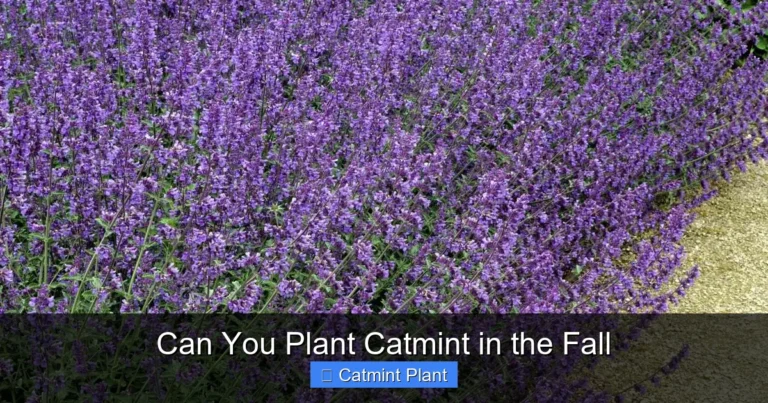
Catmint steals the show with dense spikes of lavender-blue to deep purple flowers. Popular cultivars like ‘Walker’s Low’ and ‘Six Hills Giant’ bloom heavily from late spring right through fall if you deadhead them. The flowers form a colorful haze above the foliage, making catmint a star in perennial borders. The bloom period is significantly longer, which is a big reason landscapers prefer catmint.
Growth Habit and Size
Catnip grows upright and somewhat rangy, reaching two to four feet tall and wide. It can flop over by mid-summer, especially in rich soil. It self-seeds aggressively, popping up all over the garden.
Catmint forms a tidy mound, typically one to two feet tall and two to three feet wide, depending on the cultivar. It stays compact and does not self-seed because most garden varieties are sterile hybrids. This makes catmint much better behaved in designed landscapes.
The Cat Factor: Why Cats Go Crazy (or Don’t)
The Science of Nepetalactone
The magic compound is nepetalactone, a volatile oil found in the leaves and stems of Nepeta species. It mimics feline pheromones, specifically the ones found in cat urine. When a susceptible cat smells nepetalactone, it binds to receptors in the nasal tissue, triggering a response in the brain’s olfactory bulb, amygdala, and hypothalamus. The result is the classic catnip response: rolling, rubbing, purring, drooling, kicking, and temporary euphoria lasting five to fifteen minutes.
Here is the crucial difference. Catnip (Nepeta cataria) contains high concentrations of nepetalactone, up to three percent of the dry weight of the leaves. Catmint (Nepeta × faassenii) contains trace amounts, often less than 0.1 percent. That is why catnip sends most cats to the moon while catmint might get a polite sniff and a yawn.
Genetics Determine the Response
Not all cats react to catnip. Sensitivity is hereditary, controlled by an autosomal dominant gene. About 70 to 80 percent of domestic cats carry the gene. Kittens under three months old and senior cats often show little interest. Big cats like lions, tigers, and leopards also respond to catnip. If your cat ignores catnip, they lack the gene. No amount of catmint will change that.
For the cats that do respond, catnip is a powerful enrichment tool. You can dry the leaves, stuff them into toys, or sprinkle them on scratching posts. Catmint simply will not work for this purpose. If you are planting specifically for your cat’s enjoyment, catnip is the only choice.
Is Catmint Safe for Cats?
Yes, catmint is perfectly safe. If your cat nibbles a few leaves, no harm done. They might get a mild stomach upset from eating too much plant matter, but the plant is non-toxic. Some cats enjoy lounging in a catmint patch just for the shade and texture. But do not expect the wild euphoria of catnip. Think of catmint as a nice salad garnish and catnip as the main course.
Growing Catnip: The Cat’s Favorite Herb
Ideal Growing Conditions
Catnip is a tough, adaptable perennial hardy in USDA zones 3 through 9. It prefers full sun, at least six hours daily, but tolerates light shade. Soil should be well-drained, slightly alkaline to neutral (pH 6.1 to 7.8). Catnip hates wet feet. Heavy clay or constantly soggy soil will rot the roots. Once established, it is remarkably drought-tolerant.
Plant catnip in spring after the last frost. Space plants eighteen to twenty-four inches apart. They will fill in quickly. Water regularly the first season to establish deep roots. After that, rainfall is usually enough. Catnip does not need fertilizer. Rich soil produces lush, floppy growth with lower oil concentration. Lean soil makes stronger catnip.
Harvesting and Drying for Maximum Potency
Timing matters. The highest nepetalactone levels occur just before flowering, when the plant puts energy into leaf production. Harvest in mid-morning after dew dries but before the heat of the day. Cut stems about six inches from the ground. Hang bundles upside down in a dark, well-ventilated area. Darkness preserves the volatile oils. Once crisp-dry, strip leaves from stems and store in airtight glass jars away from light.
Fresh catnip is more potent than dried, but dried stores for months. Offer your cat a pinch of dried leaves or a fresh sprig. Watch the magic happen. Remember to give breaks. Cats become temporarily immune to nepetalactone after exposure. Wait an hour or two before offering more.
Managing Catnip’s Aggressive Spread
Catnip spreads two ways: by underground rhizomes and by prolific self-seeding. In ideal conditions, it can become a garden thug. To contain it, grow catnip in a large pot sunk into the ground, or install a root barrier eighteen inches deep. Deadhead flowers immediately after blooming to prevent seeds. Pull unwanted seedlings early. Some gardeners plant catnip in a dedicated “cat corner” away from precious perennials.
Growing Catmint: The Gardener’s Dream Perennial
Why Landscapers Love Catmint
If catnip is the wild child, catmint is the polished professional. Nepeta × faassenii cultivars like ‘Walker’s Low’, ‘Cat’s Meow’, ‘Cat’s Pajamas’, and ‘Six Hills Giant’ are staples in perennial borders, cottage gardens, and xeric landscapes. They offer months of color, require minimal care, and play well with others.
Catmint thrives in the same conditions as catnip: full sun, well-drained soil, zones 3 to 8 (some cultivars to zone 9). But catmint handles heat and humidity better. It resists powdery mildew, a common issue for catnip in damp climates. Deer and rabbits avoid both plants due to the aromatic oils.
Designing with Catmint
Catmint’s mounding habit and long bloom make it incredibly versatile. Use it as a front-of-border edging plant. Plant it in drifts along a pathway where brushing against it releases fragrance. Pair it with roses. The lavender-blue flowers hide rose knees and complement pink, yellow, or white blooms. The classic combination is catmint underplanting ‘Knock Out’ roses.
Catmint also shines in rock gardens, hellstrips, and pollinator meadows. It tolerates the reflected heat from pavement. Combine it with salvia, coneflower, black-eyed Susan, and ornamental grasses for a low-water tapestry. The gray-green foliage provides a cooling visual anchor among hot-colored flowers.
Maintenance: The Chelsea Chop and Deadheading
Catmint asks for little but rewards attention. In late spring, when stems are twelve to eighteen inches tall, shear the plant back by half. This is called the Chelsea Chop, timed around the Chelsea Flower Show in late May. It delays flowering slightly but produces a bushier plant with more stems and more flowers. It also prevents the center from opening up and flopping.
After the first flush fades in mid-summer, shear the whole plant back by one-third to one-half. Water well. You will get a second, often heavier bloom lasting into fall. In late fall or early spring, cut dead foliage to the ground. Divide clumps every three to four years in spring to maintain vigor.
Medicinal and Culinary Uses for Humans
Catnip Tea: A Traditional Relaxant
Long before it was a cat toy, catnip was a human herbal remedy. Catnip tea, made from the dried leaves and flowers of Nepeta cataria, has been used for centuries as a mild sedative, digestive aid, and cold remedy. The nepetalactone acts differently on humans. It produces a gentle calming effect, similar to chamomile but with a minty flavor.
To make catnip tea, steep one to two teaspoons of dried herb in a cup of boiling water for ten minutes. Cover the cup to trap volatile oils. Drink before bed for relaxation or after meals for digestion. Pregnant women should avoid catnip tea as it can stimulate uterine contractions. Catmint tea is less common but can be made from Nepeta × faassenii leaves. It has a pleasant minty flavor but lacks the sedative compounds.
Culinary Experiments
Young catnip leaves can be added to salads, soups, and sauces for a minty kick. They pair well with spring vegetables like peas and asparagus. Some creative cooks use catnip in pesto or herb butter. Catmint leaves are more tender and less hairy, making them better for fresh eating. Try chopping catmint into fruit salad or muddling it into summer cocktails. The flavor is subtle, so use a generous handful.
Essential Oil and Insect Repellent
Nepetalactone is a proven insect repellent. Research shows it repels mosquitoes, flies, cockroaches, and termites more effectively than DEET in some tests. You can make a simple spray by steeping fresh catnip leaves in witch hazel or vodka for two weeks, then straining. Apply to skin or clothing. Catmint essential oil is used in natural bug sprays and aromatherapy blends for relaxation.
Pollinator Power: Both Plants Feed the Bees
A Buffet for Beneficial Insects
One thing catnip and catmint agree on: pollinators love them. The tubular flowers are perfectly shaped for long-tongued bees, bumblebees, honeybees, butterflies, and hummingbird moths. The bloom time fills a critical gap. Catnip flowers in early summer when many spring bulbs are done and summer perennials have not started. Catmint bridges early summer through fall.
Planting either species supports local ecology. If you have a vegetable garden, plant catnip or catmint nearby to draw pollinators to your squash, tomatoes, and cucumbers. The aromatic foliage may also deter some pests. Aphids, flea beetles, and squash bugs dislike the scent. It is not a magic shield, but it helps.
Creating a Pollinator Corridor
For maximum impact, plant in groups of three or more. Single plants are harder for insects to find. Mix catmint cultivars with different bloom times. ‘Walker’s Low’ starts early. ‘Six Hills Giant’ peaks mid-summer. ‘Cat’s Pajamas’ is compact and blooms non-stop. Add catnip in a sunny corner for early season nectar. Include a water source and bare soil for ground-nesting bees. Your yard becomes a habitat, not just a garden.
Choosing the Right Plant for Your Situation
Pick Catnip If:
- You want to entertain your cat
- You plan to harvest leaves for tea or drying
- You have a dedicated herb garden or wild area
- You don’t mind aggressive self-seeding
- You want early summer white flowers
- You are making natural insect repellent
Pick Catmint If:
- You want a long-blooming ornamental perennial
- You need a tidy, non-spreading border plant
- You are designing a pollinator garden
- You want lavender-blue flowers for months
- You have a formal or cottage garden style
- You need drought tolerance in hot climates
- Deer and rabbits are a problem
Can You Grow Both?
Absolutely. Many gardeners grow catnip in a pot or contained bed for the cat, and catmint in the borders for beauty. They have the same cultural needs, so they are easy to manage together. Just label them clearly. I keep my catnip in a large fabric pot on the patio. My catmint edges the rose bed. Everyone is happy. The cat gets her fix. The bees get nectar. I get gorgeous flowers.
Common Problems and Solutions
Powdery Mildew
Catnip is prone to powdery mildew in humid climates or crowded plantings. It appears as white dust on leaves. Improve air circulation by thinning stems. Water at the base, not overhead. Choose resistant catmint cultivars instead. ‘Walker’s Low’ and ‘Cat’s Meow’ show good resistance.
Floppy Growth
Both plants flop in rich soil or too much shade. The Chelsea Chop prevents this. Stake early if needed. Use peony rings or bamboo stakes with twine. Better yet, plant in lean soil and full sun from the start.
Root Rot
Wet, heavy clay kills Nepeta. Amend planting holes with coarse sand or grit. Plant on a slight mound. In wet climates, grow in raised beds or containers.
Cat Damage to Catnip
If neighborhood cats discover your catnip, they may flatten it. Protect young plants with a wire cage until established. Established plants usually recover. Consider it a compliment.
Propagation: Making More Plants
From Seed
Catnip grows easily from seed. Sow indoors six to eight weeks before last frost, or direct sow after frost. Barely cover seeds. They need light to germinate. Keep moist. Germination takes seven to twenty days. Catmint hybrids are sterile or do not come true from seed. Buy plants or propagate vegetatively.
Division
Divide both plants in early spring as new growth emerges. Dig the clump. Tease or cut into sections with roots and shoots. Replant immediately. Water well. Division every three to four years rejuvenates woody centers.
Stem Cuttings
Take four-inch cuttings in late spring or early summer. Remove lower leaves. Dip in rooting hormone. Stick in moist perlite or sand. Cover with a plastic bag. Roots form in two to three weeks. This works for both catnip and catmint.
Seasonal Care Calendar
Spring
- Cut back dead foliage to ground
- Divide crowded clumps
- Apply thin compost layer (optional)
- Plant new starts after frost
- Chelsea Chop catmint in late May
Summer
- Harvest catnip before flowering
- Deadhead catnip to prevent seeding
- Shear catmint after first bloom
- Water during extended drought
- Watch for powdery mildew
Fall
- Final catmint shear for fall bloom
- Stop fertilizing
- Mulch lightly in cold zones
- Collect catnip seeds if desired
Winter
- Leave dead stems for winter interest and insect habitat
- No watering needed
- Plan next year’s additions
Conclusion
So, is catmint and catnip the same plant? Definitely not. They are distinct species with different personalities, purposes, and superpowers. Catnip (Nepeta cataria) is the life of the party for cats, a useful herb for humans, and a pollinator magnet in early summer. Catmint (Nepeta × faassenii) is the reliable, long-blooming perennial that anchors garden designs from spring to frost.
My advice? Grow both if you have space. Put catnip in a pot where your cat can access it but it cannot take over. Plant catmint in your borders where you can enjoy months of lavender-blue flowers and the hum of happy bees. You will get the best of both worlds: a blissed-out cat and a magazine-worthy garden.
Next time you are at the nursery, you will know exactly what you are looking at. No more confusion. No more disappointed cats. Just the right plant for the right place. Happy gardening.
Frequently Asked Questions
What is the scientific difference between catmint and catnip?
Catnip is the species Nepeta cataria. Catmint is a common name for several ornamental species and hybrids, most commonly Nepeta × faassenii. They are different species within the same genus.
Why does my cat ignore catmint but love catnip?
Catnip contains high levels of nepetalactone, the compound that triggers the catnip response. Catmint has only trace amounts, so most cats find it uninteresting.
Does catmint come back every year?
Yes, catmint is a hardy perennial in USDA zones 3-8 (some cultivars to zone 9). It dies back in winter and returns reliably each spring.
How do I stop catnip from taking over my garden?
Grow catnip in containers, install root barriers, deadhead flowers before they set seed, and pull unwanted seedlings promptly. A dedicated catnip bed away from other plants works well.
When is the best time to harvest catnip for drying?
Harvest catnip just before flowering, in mid-morning after dew dries. This is when nepetalactone levels peak. Dry in darkness to preserve potency.
Are there any cats that don’t react to catnip?
Yes, about 20-30% of cats lack the genetic sensitivity to nepetalactone. Kittens under three months and senior cats also typically show no response.