Catmint Plant Vs Lavender
Catmint and lavender are both aromatic perennials, but catmint tolerates more shade and blooms longer, while lavender prefers full sun and well‑drained soil. Choosing the right one depends on your climate, garden design, and how you plan to use the herbs.
Key Takeaways
- Hardiness: Catmint survives colder zones (USDA 3‑8) whereas lavender thrives in zones 5‑9.
- Sunlight: Lavender needs at least 6‑8 hours of direct sun; catmint tolerates partial shade.
- Bloom period: Catmint flowers from late spring to fall; lavender peaks in early summer.
- Soil preference: Lavender demands gritty, alkaline soil; catmint adapts to a wider pH range.
- Wildlife appeal: Both attract bees, but catmint draws more butterflies and hummingbirds.
- Culinary use: Lavender is common in sweet dishes; catmint adds a mild minty flavor to teas and salads.
- Maintenance: Lavender requires annual pruning to avoid woody stems; catmint is more forgiving with light trimming.
Quick Answers to Common Questions
Which plant tolerates more shade, catmint or lavender?
Catmint tolerates partial shade, while lavender requires full sun for optimal growth.
Can I grow catmint and lavender in the same container?
Yes, use a large pot with well‑draining mix, place lavender toward the center for its deeper roots, and catmint around the edges.
Which herb is better for making essential oil?
Lavender produces a high‑quality essential oil used in aromatherapy; catmint oil is less common and milder.
How often should I prune lavender?
Prune lavender once a year after the first bloom, removing about one‑third of the green growth.
Is catmint safe for cats?
Ornamental catmint has a mild scent that most cats ignore; true catnip (Nepeta cataria) is the one that excites them.
📑 Table of Contents
- Introduction
- Botanical Background
- Growth Habits and Hardiness
- Sunlight, Soil, and Water Requirements
- Bloom Time, Color, and Fragrance
- Landscape Design and Companion Planting
- Culinary, Medicinal, and Household Uses
- Maintenance, Pruning, and Longevity
- Pest and Disease Resistance
- Choosing the Right Plant for Your Garden
- Conclusion
Introduction
When you walk through a sunny garden, the scent of herbs can guide you to two popular choices: catmint and lavender. Both plants bring color, fragrance, and pollinator activity, yet they have distinct personalities. Understanding the nuances of catmint plant vs lavender helps you pick the right herb for your space, climate, and culinary dreams. In this guide we explore growth habits, care needs, design ideas, and practical uses so you can decide with confidence.
Gardeners often ask which herb is easier, which smells stronger, and which works better in a border or container. The answer depends on several factors including hardiness zones, soil type, and sunlight exposure. By the end of this article you will know the strengths and limits of each plant, plus tips for planting them together for a harmonious display.
Botanical Background
What Is Catmint?
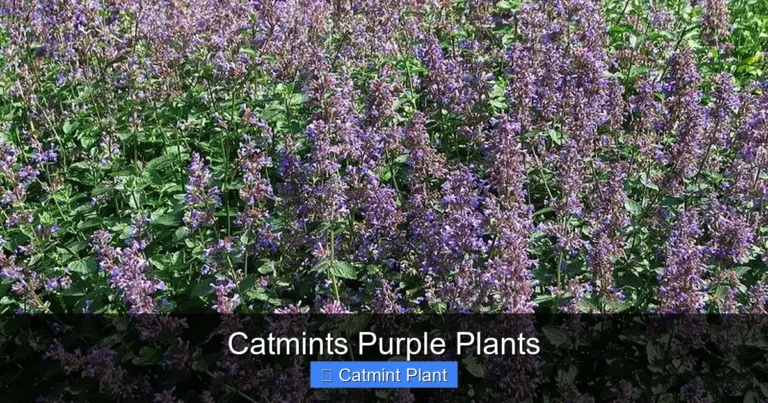
Catmint belongs to the genus Nepeta, a member of the mint family Lamiaceae. The most common garden species is Nepeta × faassenii, a hybrid that forms low mounds of gray‑green foliage topped with spikes of lavender‑blue flowers. Catmint is prized for its long bloom season, drought tolerance, and ability to attract beneficial insects. Unlike true catnip (Nepeta cataria), ornamental catmint has a milder scent that cats find less intoxicating.

Visual guide about Catmint Plant Vs Lavender
Image source: pithandvigor.com
What Is Lavender?
Lavender (Lavandula spp.) is a Mediterranean shrub also in the Lamiaceae family. The most widely grown species are English lavender (Lavandula angustifolia) and French lavender (Lavandula stoechas). Lavender forms woody stems with narrow, silvery leaves and dense spikes of purple, pink, or white flowers. Its essential oil is famous for calming aromatherapy, culinary flavoring, and natural pest repellent properties.
Growth Habits and Hardiness
USDA Zones and Temperature Tolerance
Catmint thrives in USDA zones 3 through 8, surviving winter temperatures down to -40 °F. Lavender prefers zones 5 to 9, with English lavender handling colder winters better than French varieties. If you live in a region with harsh winters, catmint is the safer bet. In milder climates both plants can coexist, but lavender may need winter protection such as mulch or a cold frame.
Size and Form
Typical catmint cultivars reach 12‑24 inches tall and spread 18‑30 inches wide, forming a soft mound. Lavender grows 18‑36 inches tall with a similar spread, but its woody base can become leggy without pruning. For compact borders, dwarf catmint varieties like ‘Walker’s Low’ stay under 12 inches, while dwarf lavender ‘Hidcote’ stays around 12‑18 inches.
Sunlight, Soil, and Water Requirements
Sun Exposure
Lavender demands full sun — at least six to eight hours of direct light daily — to produce strong essential oils and prevent fungal diseases. Catmint tolerates partial shade, especially in hot southern gardens where afternoon shade reduces leaf scorch. If your site receives dappled light, catmint will still bloom reliably.
Soil Preferences
Lavender thrives in lean, gritty, alkaline soil with excellent drainage. Heavy clay or rich loam leads to root rot. Amend planting holes with sand, gravel, or perlite, and consider raising beds. Catmint adapts to a broader pH range (6.0‑7.5) and tolerates moderately fertile soil, though it also prefers good drainage.
Watering Practices
Both herbs are drought‑tolerant once established. Water deeply but infrequently, allowing the top inch of soil to dry between irrigations. Overwatering lavender is a common cause of decline. Catmint can handle slightly more moisture, making it a good companion for plants that need regular watering.
Bloom Time, Color, and Fragrance
Flowering Calendar
Catmint begins flowering in late spring and continues sporadically until frost, especially if deadheaded. Lavender’s main flush occurs in early summer, with a possible lighter rebloom in late summer if spent spikes are removed. For continuous color, plant catmint alongside early‑blooming lavender varieties.
Color Palette
Catmint flowers range from soft lavender‑blue to deep violet, with some cultivars offering pink or white spikes. Lavender presents classic purple, but also pink (‘Rosea’), white (‘Alba’), and even deep blue (‘Hidcote Blue’). Mixing colors creates a layered effect in mixed borders.
Scent Profile
Lavender’s aroma is sweet, floral, and herbaceous, intensifying in heat. Catmint releases a mild, minty‑citrus scent when brushed, less potent than true catnip. If you want a strong fragrance for sachets or essential oil, lavender wins. For a subtle garden perfume that does not overwhelm, catmint is ideal.
Landscape Design and Companion Planting
Border and Edging Uses
Low‑growing catmint makes an excellent edging plant along pathways, softening hard lines with its billowy habit. Lavender’s upright form works well as a mid‑border accent or in formal herb knots. Planting them together creates a rhythm: catmint in front, lavender behind, both sharing similar water needs.
Container Gardening
Both herbs thrive in containers with well‑draining potting mix. Choose a pot at least 12 inches deep for lavender to accommodate its taproot. Catmint tolerates shallower pots. Pair them with trailing thyme or oregano for a Mediterranean container garden.
Pollinator Gardens
Bees, butterflies, and hummingbirds flock to both plants. Catmint’s long bloom period provides nectar when many other flowers have faded. Lavender’s high essential‑oil content attracts honeybees in droves. A mixed planting maximizes pollinator diversity throughout the season.
Culinary, Medicinal, and Household Uses
Cooking with Lavender
Culinary lavender (English varieties) adds a floral note to shortbread, honey, lemonade, and savory rubs for lamb. Use sparingly; a pinch of dried buds flavors a batch of cookies. Harvest buds just before full opening for the best flavor.
Cooking with Catmint
Catmint leaves impart a gentle minty taste to teas, salads, and fruit desserts. Fresh leaves can be muddled into iced water or blended into pesto for a twist. Because the flavor is mild, you can use larger quantities without dominating a dish.
Herbal Remedies
Lavender essential oil is widely studied for anxiety relief, sleep aid, and minor wound care. Catmint tea has traditional use for digestive upset and mild sedation. Both herbs are generally safe, but pregnant women should consult a healthcare provider before using concentrated extracts.
Home Fragrance and Crafts
Dried lavender stems make classic sachets, wreaths, and potpourri. Catmint stems dry well and add a soft green accent to herbal bundles. Combine both for a balanced aromatic bouquet that freshens drawers and closets.
Maintenance, Pruning, and Longevity
Pruning Lavender
Prune lavender annually after the first bloom, cutting back about one‑third of the green growth. Avoid cutting into woody stems, as they rarely regenerate. Spring pruning shapes the plant and encourages fresh flowering wood.
Pruning Catmint
Catmint benefits from a light shear after the first flush to promote a second bloom. In late fall, cut the plant back to 4‑6 inches to tidy the garden and reduce overwintering pests. The plant rebounds quickly in spring.
Division and Propagation
Divide catmint every three to four years in early spring to maintain vigor. Lavender propagates best from semi‑hardwood cuttings taken in summer; division is risky due to its woody base. Both can be grown from seed, but cultivars may not come true.
Pest and Disease Resistance
Common Issues
Lavender is susceptible to root rot in wet soils and to fungal diseases like Phytophthora. Good drainage and air circulation prevent most problems. Catmint rarely suffers serious pests; occasional aphids or spider mites appear in hot, dry weather and are easily managed with a strong water spray.
Deer and Rabbit Resistance
Both herbs are generally deer‑ and rabbit‑resistant due to their strong aromatics. In high‑pressure areas, lavender’s woody stems may be browsed less than catmint’s softer foliage. Planting them together can create a broader deterrent zone.
Choosing the Right Plant for Your Garden
Assess Your Site
Start by measuring sunlight hours, soil texture, and winter lows. If you have full sun, alkaline soil, and mild winters, lavender will thrive. If you face partial shade, heavier soil, or colder zones, catmint offers more reliability.
Define Your Goals
Do you want a strong fragrance for crafts? Choose lavender. Do you need a long‑blooming, low‑maintenance ground cover? Choose catmint. For a mixed herb border that supports pollinators all season, plant both.
Budget and Availability
Catmint cultivars are widely sold as inexpensive plugs. Lavender, especially named English varieties, can cost more per plant. Consider starting lavender from cuttings if you have a mature specimen.
Conclusion
Catmint and lavender each bring unique beauty, scent, and ecological value to the garden. By matching their needs to your site conditions — sunlight, soil, climate — you can enjoy years of colorful blooms, buzzing pollinators, and fresh herbs for kitchen and craft. Whether you plant a sweeping lavender field, a soft catmint carpet, or a harmonious blend of both, the result will be a fragrant sanctuary that delights the senses and supports wildlife. Happy planting!
Frequently Asked Questions
What are the main differences between catmint and lavender?
Catmint tolerates more shade, colder zones, and a wider soil pH range, while lavender needs full sun, alkaline gritty soil, and milder winters. Lavender has a stronger floral fragrance and woody stems; catmint offers a longer bloom season and softer foliage.
Can catmint survive winter in zone 3?
Yes, most catmint cultivars are hardy to USDA zone 3, surviving temperatures down to -40 °F with minimal protection.
Does lavender need fertilizer?
Lavender prefers lean soil and rarely needs fertilizer. A light application of compost in spring is sufficient; excess nitrogen reduces oil content and encourages weak growth.
How do I harvest lavender for culinary use?
Cut flower spikes just before the buds fully open, early in the morning after dew dries. Dry upside down in a dark, ventilated space, then strip buds for storage.
Will catmint attract bees and butterflies?
Absolutely. Catmint’s long flowering period provides nectar for bees, butterflies, and hummingbirds throughout the growing season.
Can I propagate lavender from seed?
Lavender can be grown from seed, but germination is slow and variable. Most gardeners prefer cuttings or purchased plants to ensure true‑to‑type characteristics.