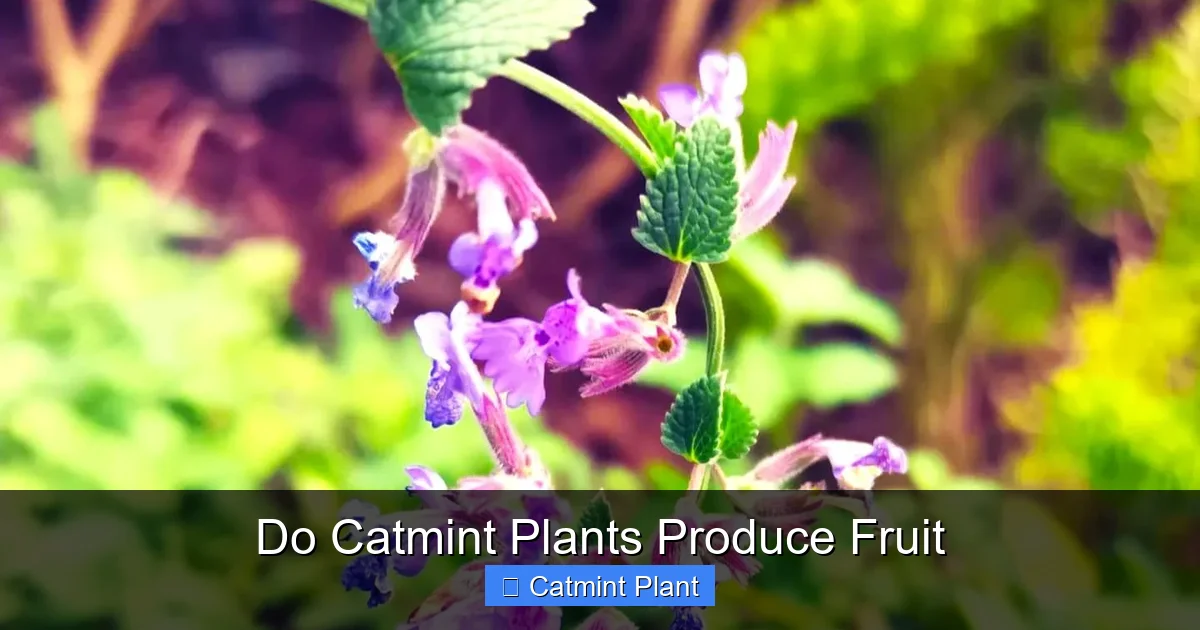
Do Catmint Plants Produce Fruit
Catmint plants produce fruit in the form of tiny nutlets after they finish blooming. The fruit is not showy but contains seeds you can collect for propagation.
Catmint is a popular herb that many gardeners love. It has soft gray leaves and spikes of purple flowers. You may wonder if catmint plants produce fruit. The answer is yes but the fruit is very small.
In this article we will explore the fruit of catmint. We will look at how the fruit forms what it looks like and how you can use the seeds. You will also get tips for growing strong catmint.
Many gardeners ask if catmint plants produce fruit and the answer is yes.
Key Takeaways
- Catmint plants produce fruit: They form small nutlets after flowering.
- Fruit type: The fruit are technically achenes, not berries.
- Seed viability: Seeds inside the nutlets are viable for sowing.
- Harvest time: Collect nutlets when they turn brown and dry.
- Propagation: Sow seeds in spring for new catmint plants.
- Garden use: Catmint fruit adds subtle texture but is mainly grown for foliage and flowers.
Quick Answers to Common Questions
Do catmint plants produce fruit?
Yes catmint plants produce fruit after flowering. The fruit are tiny nutlets that contain seeds.
When can I harvest catmint fruit?
Harvest the nutlets in late summer when they turn brown and dry.
Are catmint seeds easy to grow?
Catmint seeds germinate well when sown on the soil surface and kept moist.
Can I eat catmint fruit?
The fruit are not considered edible but the leaves are used in teas.
Does catmint need full sun to fruit?
Full sun encourages more flowers and more fruit but light shade works too.
📑 Table of Contents
What Is Catmint?
Botanical Background
Catmint belongs to the genus Nepeta. It is a member of the mint family. The plant is perennial and spreads by rhizomes. Many people grow it for its aromatic foliage. Catmint plants produce fruit after the flowering period.
Common Varieties
There are several popular varieties. Nepeta faassenii is a compact type. Nepeta racemosa grows taller. Nepeta subsessilis has larger leaves. All of these catmint plants produce fruit in a similar way.
Growth Habit
Catmint forms low mounds that can reach two feet wide. The stems are square like other mints. The leaves are gray green and release a minty scent when crushed. The plant blooms from late spring to early fall. During this time catmint plants produce fruit as the flowers fade.
In short catmint plants produce fruit after they bloom.
How Catmint Grows and Flowers
Sun and Soil Needs
Catmint loves full sun but tolerates light shade. It prefers well drained soil that is not too rich. Too much fertilizer can reduce flowering. When the plant is happy catmint plants produce fruit more reliably.
Watering Routine
Water young plants regularly until they establish. Mature catmint is drought tolerant. Overwatering can cause root rot. A steady moisture level helps catmint plants produce fruit each season.
Bloom Cycle
The bloom cycle starts in late spring. Flowers appear in whorls along the stems. Bees and butterflies visit the blooms. After pollination the flowers drop and catmint plants produce fruit in the form of tiny nutlets.
Overall catmint plants produce fruit each season when conditions are right.
Do Catmint Plants Produce Fruit?
Yes They Do
Many gardeners ask if catmint plants produce fruit. The short answer is that catmint plants produce fruit. The fruit are not showy but they are real. Each flower can develop a small nutlet.
Fruit Formation Timeline
Fruit formation begins after the petals fall. The ovary swells and becomes a dry achene. This process takes a few weeks. By late summer catmint plants produce fruit that are ready to harvest.
Why The Fruit Is Small
The fruit are small because the plant invests energy in foliage and flowers. The nutlets are only a few millimeters long. Even though they are tiny catmint plants produce fruit that contain viable seeds.
Thus catmint plants produce fruit that are tiny but viable.
What the Fruit Looks Like
Shape and Size
The fruit are oval and slightly flattened. They measure about two millimeters long. The surface is smooth and shiny when fresh. When you look closely you can see that catmint plants produce fruit that look like tiny beads.
Color Changes
Young fruit are green. As they mature they turn light brown. Fully ripe nutlets become dark brown. The color change signals that catmint plants produce fruit ready for collection.
Seed Inside
Each nutlet holds a single seed. The seed is dark and hard. It is protected by the fruit wall. Because catmint plants produce fruit with a hard coat the seeds store well.
Remember catmint plants produce fruit that hold a single seed each.
Harvesting and Using Catmint Seeds
When to Harvest
Harvest when the nutlets are brown and dry. This usually occurs in late August or early September. If you wait too long the nutlets may shatter. Timely harvest ensures catmint plants produce fruit that you can save.
How to Collect Nutlets
Cut the flower spikes and place them in a paper bag. Shake the bag gently to release the nutlets. You can also rub the spikes between your fingers. This simple method works because catmint plants produce fruit that detach easily.
Storing Seeds
Store the nutlets in a cool dry place. A paper envelope works well. Label the envelope with the date and variety. Proper storage keeps the seeds viable for several years. Remember that catmint plants produce fruit that store well.
Sowing Seeds
Sow seeds indoors six weeks before the last frost. Press them lightly into the soil surface. Keep the soil moist but not soggy. Seedlings appear in two to three weeks. Because catmint plants produce fruit with high germination rates you will get many new plants.
Finally catmint plants produce fruit that give you plenty of seeds for new plants.
Tips for Growing Healthy Catmint
Pruning for More Blooms
Trim the plant back after the first flush of flowers. This encourages a second bloom. Regular pruning also keeps the mound tidy. A well pruned plant often shows that catmint plants produce fruit more consistently.
Dividing Clumps
Divide clumps every three to four years in early spring. Replant the divisions at the same depth. Division refreshes the plant and prevents center die out. Fresh divisions tend to have stronger catmint plants produce fruit cycles.
Pest and Disease Watch
Catmint is generally pest free. Occasionally aphids may appear on new growth. A strong spray of water removes them. Good air circulation prevents fungal issues. Healthy plants are more likely to have catmint plants produce fruit each year.
Companion Planting
Plant catmint near roses to deter aphids. It also pairs well with lavender and salvia. The aromatic foliage confuses pests. Companion planting can boost overall garden health and help catmint plants produce fruit reliably.
In the end catmint plants produce fruit reliably with good care.
- Prune after first bloom for a second flower show.
- Divide every few years to keep vigor high.
- Watch for aphids and spray water if needed.
- Plant with roses for natural pest control.
- Seed harvest: catmint plants produce fruit that are easy to collect.
- Fruit timing: catmint plants produce fruit in late summer.
Conclusion
Catmint is a versatile herb that offers beauty fragrance and useful seeds. You now know that catmint plants produce fruit in the form of tiny nutlets. The fruit may be small but they hold viable seeds for propagation. With proper care you can enjoy abundant blooms and a steady supply of seeds. Try growing catmint in your garden and watch the life cycle unfold.
Remember to harvest the nutlets when they turn brown. Store them in a paper envelope for future sowing. Share the seeds with friends who love herbs. Happy gardening.
Remember that catmint plants produce fruit each year.
Frequently Asked Questions
What type of fruit do catmint plants produce?
Catmint plants produce fruit that are dry achenes commonly called nutlets. Each nutlet holds a single seed.
How long does it take for catmint fruit to mature?
Fruit mature about four to six weeks after the flowers fade. They turn brown when ready.
Can I propagate catmint from the fruit?
Yes you can sow the seeds from the nutlets to grow new catmint plants. Catmint plants produce fruit that give viable seeds.
Do all catmint varieties produce fruit?
Most common garden varieties produce fruit in the same way. The fruit size may vary slightly.
Is there any special treatment needed for catmint seeds?
No special stratification is needed. Lightly press seeds into moist soil and keep them warm. Catmint plants produce fruit that germinate easily.
Will cutting back catmint reduce fruit production?
Pruning after the first bloom can actually increase overall flowering and fruit set later in the season. Catmint plants produce fruit more abundantly with proper pruning.


