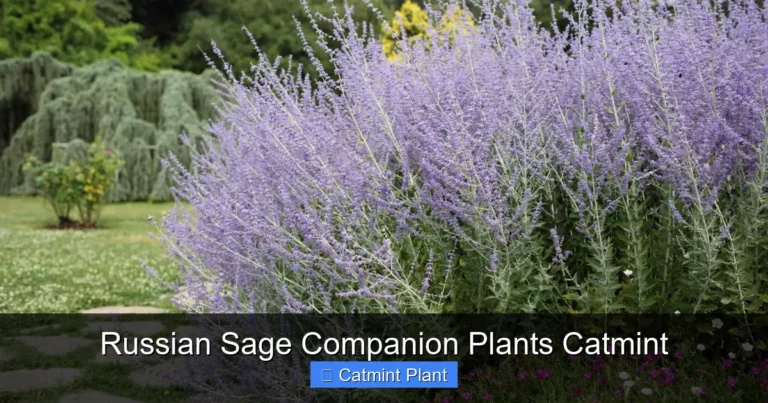
Do Catmint Plants Have Thorns
Catmint plants do not have thorns — they feature soft, fuzzy leaves and square stems typical of the mint family. These gentle perennials are completely safe for children, pets, and barefoot gardeners.
Key Takeaways
- No thorns at all: Catmint plants have zero thorns, spines, or prickles on any part of the plant.
- Soft texture: The leaves and stems feel fuzzy and velvety to the touch, not sharp.
- Mint family traits: Like all mint relatives, catmint has square stems and opposite leaves.
- Safe for everyone: Kids, cats, dogs, and barefoot gardeners can brush against catmint without worry.
- Easy to handle: Pruning and dividing catmint requires no gloves for protection against thorns.
- Don’t confuse with catnip: Catnip is a close cousin but also lacks thorns entirely.
- Great for sensory gardens: The soft foliage makes catmint perfect for touch-friendly garden spaces.
Quick Answers to Common Questions
Do catmint plants have thorns?
No, catmint plants are completely thornless. They have soft, fuzzy leaves and square stems with no spines or prickles anywhere.
Is catmint safe for children and pets?
Yes, catmint is non-toxic and safe for kids, cats, and dogs. The soft foliage poses no physical hazard.
Can catmint cause skin irritation?
Rarely. Most people handle catmint with no reaction. Those with very sensitive skin or specific plant allergies might experience mild irritation.
Does catmint spread aggressively?
Most ornamental catmint cultivars are sterile and don’t self-sow. They spread slowly by clump expansion, not runners or seeds.
What’s the difference between catmint and catnip?
Catnip (Nepeta cataria) is a specific species with white flowers and a wilder habit. Catmint usually refers to ornamental hybrids like Nepeta x faassenii with showy blue flowers. Both are thornless.
📑 Table of Contents
- Meet the Gentle Giant of the Herb Garden
- What Catmint Actually Feels Like
- Botanical Background: Why No Thorns?
- Catmint vs. Look-Alikes: Know Your Plants
- Practical Benefits of a Thornless Plant
- Growing Catmint: Simple Success
- Popular Catmint Varieties: All Thornless
- Designing with Catmint
- Common Questions About Catmint Safety
- Troubleshooting: When Catmint Looks Unhappy
- Harvesting and Using Catmint
- Catmint Through the Seasons
- Why Catmint Deserves a Spot in Every Garden
Meet the Gentle Giant of the Herb Garden
You’re planning a garden bed. Maybe you have kids who run barefoot through the yard. Maybe your dog loves to sniff every plant. Or maybe you just hate putting on heavy gloves every time you prune. You’ve heard catmint is tough, drought-tolerant, and blooms for months. But one question stops you: do catmint plants have thorns?
Short answer: no. Not a single one. Catmint plants are completely thorn-free from root to flower tip. You can run your fingers through the foliage, brush against it while weeding, or let your toddler touch the leaves without any worry. Let’s dig into why this plant is one of the gentlest perennials you can grow.
What Catmint Actually Feels Like
Soft, fuzzy, and inviting
Run your hand over a catmint plant and you’ll feel something like velvet. The leaves are covered in tiny, fine hairs that give them a soft, gray-green appearance. This fuzzy coating serves a purpose — it helps the plant conserve water in hot, dry conditions. But for gardeners, it means every touch is pleasant.
The stems feel slightly square and sturdy, but never sharp. They’re covered in the same fine hairs as the leaves. Even the flower spikes, which rise above the foliage in summer, feel soft rather than prickly. You can gather armfuls of stems for bouquets without a single scratch.
Why the confusion about thorns exists
Some gardeners confuse catmint with other plants. Russian sage has a similar silvery look but woody stems that can feel scratchy when dry. Lavender stems turn woody and rigid with age. Certain salvias have stiff, pointed bracts near the flowers. But catmint? It stays herbaceous and soft all season long.
The name “catmint” might also trigger thoughts of catnip, which some people imagine as a wild, weedy plant with rough texture. In reality, catnip (Nepeta cataria) is just as soft and thornless as its showier cousins.
Botanical Background: Why No Thorns?
Member of the mint family
Catmint belongs to the Lamiaceae family — the mint family. This huge plant family includes basil, rosemary, thyme, sage, and of course, mint. One hallmark of this family? No thorns. None of the thousands of mint family species produce true thorns.
Instead, mint family plants defend themselves with strong aromatics. The same essential oils that make catmint smell wonderful to us (and irresistible to cats) deter deer, rabbits, and many insects. Chemical warfare replaces physical armor.
Square stems, opposite leaves
If you roll a catmint stem between your fingers, you’ll feel four distinct edges. Square stems are a classic mint family trait. The leaves grow in opposite pairs along the stem, each pair rotated 90 degrees from the pair below. This arrangement maximizes light capture and creates the plant’s pleasing, mounded shape.
These structural features make catmint easy to identify even before it blooms. No thorns, no spines, no prickles — just clean, geometric growth.
Catmint vs. Look-Alikes: Know Your Plants
Russian sage (Perovskia atriplicifolia)
Russian sage shares catmint’s silvery foliage and lavender-blue flowers. But Russian sage develops woody, brittle stems at the base. Old stems can feel sharp when they snap. The plant also has a more open, airy habit compared to catmint’s dense mound. Both are thornless, but Russian sage feels less soft to the touch.
Lavender (Lavandula species)
Young lavender feels soft. But as lavender ages, the lower stems become woody and gnarled. Pruning old lavender often reveals stiff, pointed stubs. The leaves are narrower and less fuzzy than catmint. Lavender is thornless but not as consistently soft throughout its life.
Salvia (Salvia species)
Many salvias resemble catmint with their flower spikes and aromatic leaves. Some have sticky or glandular hairs that feel tacky rather than soft. A few species have stiff, pointed calyces (the green cup holding each flower) that can feel prickly when dry. Catmint calyces stay soft.
Catnip (Nepeta cataria)
Catnip is catmint’s wilder cousin. It has the same soft, fuzzy leaves, square stems, and zero thorns. The main differences: catnip grows taller (3-4 feet), spreads more aggressively, and has white flowers with purple spots instead of the showy blue-purple spikes of ornamental catmint. Both are completely safe to touch.
Practical Benefits of a Thornless Plant
Safe for children’s gardens
Designing a garden for kids? Catmint belongs at the top of your list. Children can brush past it, fall into it, or pick flowers without tears. The soft foliage invites sensory exploration. Plant it along pathways where little legs might stumble. Use it in a fairy garden where tiny hands will touch everything.
Teach kids to rub the leaves and smell their fingers. The minty, slightly citrusy scent delights most children. They learn that plants can be friends, not hazards.
Pet-friendly landscaping
Dogs and cats often investigate plants with their noses and bodies. A thorny plant can scratch sensitive noses, paws, or bellies. Catmint poses zero risk. In fact, many cats adore catmint almost as much as catnip. They’ll roll in it, rub against it, and nap in its shade. Dogs might sniff it and move on — the scent doesn’t attract them like it does cats.
If your pet has a habit of chewing plants, catmint is non-toxic. Large amounts might cause mild stomach upset, but casual nibbling is harmless. Compare that to thorny roses or spiky yucca, which can cause real injury.
Easy maintenance without heavy gloves
Pruning catmint is a bare-handed joy. Deadhead spent flowers by pinching them off. Shear the whole plant back by half after the first flush for a second bloom. Divide clumps in spring or fall. All of this requires no leather gloves, no long sleeves, no eye protection.
Contrast this with pruning roses, barberry, or pyracantha. Those tasks demand armor. Catmint asks only for your hands.
Perfect for high-traffic areas
Plant catmint along walkways, beside patios, or near mailboxes where people brush past daily. No one gets scratched. The plant tolerates occasional foot traffic — it springs back from being stepped on. Its low, mounding habit keeps it from blocking sightlines or encroaching on paths.
Growing Catmint: Simple Success
Sun and soil preferences
Catmint thrives in full sun — at least six hours daily. It tolerates light shade but blooms less and may flop. Soil should drain well. Catmint hates wet feet. Sandy, rocky, or lean soil is perfect. Rich, moist soil produces floppy growth and fewer flowers.
If your soil is heavy clay, amend with grit or plant in a raised bed. Catmint handles drought beautifully once established. Its deep taproot finds moisture far below the surface.
Watering wisely
Water new plants regularly for the first month. After that, catmint rarely needs supplemental water. In extreme heat waves, a deep soak every two weeks keeps it looking fresh. Overwatering causes root rot and weak stems. When in doubt, wait.
Feeding? Barely.
Catmint prefers poor soil. Fertilizer makes it leggy and reduces flowering. Skip the compost, skip the fertilizer. If growth looks pale or stunted in very poor soil, a light sprinkle of balanced organic fertilizer in early spring won’t hurt. But usually, neglect is the best care.
Pruning for performance
After the first heavy bloom (usually June), shear the entire plant back by one-third to one-half. Use hedge shears or large scissors. This looks drastic but triggers a fresh flush of foliage and a second bloom in late summer. In early spring, cut back any dead stems to the ground before new growth emerges.
Every three to four years, divide crowded clumps in spring. Dig up the whole plant, pull or cut into sections with roots attached, and replant. This rejuvenates the plant and gives you free plants for elsewhere.
Popular Catmint Varieties: All Thornless
Nepeta x faassenii ‘Walker’s Low’
Despite the name, ‘Walker’s Low’ grows 24-30 inches tall and wide. It won Perennial Plant of the Year in 2007. Lavender-blue flowers bloom from late spring to fall with shearing. The foliage stays neat and mound-shaped. This is the classic catmint for most gardens.
Nepeta ‘Cat’s Pajamas’
A newer, compact variety at just 12-14 inches tall. Perfect for the front of borders or containers. Flowers emerge earlier than most catmints, and the plant stays tight without flopping. Ideal for small spaces.
Nepeta ‘Cat’s Meow’
Slightly larger than ‘Cat’s Pajamas’ at 17-20 inches. Very floriferous with a uniform, rounded habit. Stands up to heat and humidity better than some older varieties.
Nepeta ‘Blue Wonder’
Compact at 12-15 inches with intense blue flowers. Blooms heavily in early summer, then sporadically. Great for edging or rock gardens.
Nepeta ‘Six Hills Giant’
One of the largest at 30-36 inches tall and wide. Looser habit, more wild-looking. Spectacular in mass plantings. Needs space to shine.
Nepeta subsessilis ‘Sweet Dreams’
Unique pink flowers instead of blue. Grows 18-24 inches. Prefers slightly more moisture than other catmints. Adds color variety to the catmint palette.
Designing with Catmint
Companion plants that love the same conditions
Catmint plays well with others. Pair it with:
- Ornamental grasses like fountain grass or blue fescue
- Coneflowers (Echinacea) for contrasting flower forms
- Black-eyed Susans (Rudbeckia) for gold-and-blue drama
- Salvias in complementary colors
- Yarrow (Achillea) for flat-topped flower clusters
- Sedums for late-season interest
- Lavender for a Mediterranean theme
- Roses — catmint hides bare rose canes beautifully
All these companions share catmint’s love of sun and drainage. None have thorns that would make maintenance difficult.
Edges, drifts, and containers
Use catmint as a soft edge along paths. Plant in drifts of three, five, or seven for naturalistic impact. The mounded habit creates pleasing repetition. In containers, choose compact varieties like ‘Cat’s Pajamas.’ Ensure pots have drainage holes and use gritty potting mix.
Catmint spills gently over container edges without becoming messy. It tolerates the faster drying of pots better than many perennials.
Wildlife value beyond cats
Bees adore catmint. The tubular flowers are perfectly shaped for honeybees, bumblebees, and native solitary bees. Butterflies visit frequently. Hummingbirds occasionally sip nectar. Beneficial insects like hoverflies and parasitic wasps hunt among the foliage.
Deer and rabbits avoid catmint due to its strong scent. This makes it a valuable “deer-resistant” plant — though no plant is truly deer-proof in starvation conditions.
Common Questions About Catmint Safety
Is catmint toxic to pets?
No. The ASPCA lists catmint as non-toxic to cats, dogs, and horses. Cats may get mildly euphoric from rolling in it or chewing leaves. Dogs generally ignore it. Large ingestion could cause temporary vomiting or diarrhea, but serious toxicity is not a concern.
Can catmint cause skin irritation?
Rarely. Some people with very sensitive skin or specific plant allergies might develop mild contact dermatitis from the fuzzy leaves or essential oils. This is uncommon. Most people handle catmint freely with no reaction. If you’re unsure, wear light gloves the first time.
Does catmint attract bees aggressively?
Catmint attracts bees, but they’re focused on nectar, not people. Bees foraging on catmint are not defensive. They sting only if stepped on or trapped. Plant catmint away from high-traffic play areas if bee stings are a major concern. But for most gardens, the pollinator activity is a benefit, not a hazard.
What about catmint seeds spreading everywhere?
Most modern catmint cultivars are sterile or nearly so. They don’t self-sow aggressively. The species Nepeta cataria (catnip) self-sows readily. Ornamental catmints like ‘Walker’s Low’ stay where you put them. Division is the main way they spread.
Troubleshooting: When Catmint Looks Unhappy
Floppy, sprawling stems
Too much shade, too much water, or too rich soil. Move to full sun, cut back watering, stop fertilizing. Shear hard after first bloom to encourage compact regrowth.
Yellowing leaves
Usually overwatering or poor drainage. Check soil moisture. Improve drainage if needed. Catmint prefers to dry out between waterings.
Woody, bare center
Older clumps develop woody centers with growth only at the edges. This signals division time. Dig and divide in spring, discarding the woody center.
Powdery mildew
Occasional in humid climates with poor air circulation. Space plants properly. Water at soil level, not overhead. Remove affected leaves. Serious cases may need fungicide, but cultural fixes usually work.
Harvesting and Using Catmint
For cat enjoyment
Cut stems just before flowers open for peak potency. Hang upside down in a dark, dry place. Once crisp, strip leaves and store in airtight containers. Offer to cats in toys or sprinkled on scratching posts.
For human herbal tea
Catmint makes a pleasant, mild mint tea. Use fresh or dried leaves. Steep 1-2 teaspoons per cup of boiling water for 5-10 minutes. The flavor is softer than peppermint, with subtle citrus notes. It’s traditionally used for relaxation and digestion.
For cut flowers
Cut stems when flowers are half-open. Strip lower leaves. Place in cool water immediately. Catmint lasts 5-7 days in a vase. The soft blue spikes add airy texture to bouquets.
Catmint Through the Seasons
Spring
New growth emerges as soft gray-green mounds. This is the time to divide if needed. Clean up any dead stems from winter. Apply a thin layer of compost if soil is very poor.
Early summer
First major bloom. Bees arrive in force. Enjoy the show. Deadhead individual spent spikes or wait for the big shear.
Mid-summer
Shear back after first flush. Plant looks chopped but recovers fast. Fresh foliage emerges within days. Second bloom begins in weeks.
Late summer to fall
Second bloom continues until frost. Foliage stays attractive. Stop deadheading in early fall to let plant prepare for winter.
Winter
In cold climates, foliage dies back to the ground. Leave dead stems for winter interest and crown protection. Cut back in early spring. In mild climates, catmint may stay semi-evergreen.
Why Catmint Deserves a Spot in Every Garden
Let’s recap. Catmint plants have thorns? Absolutely not. They offer soft, fuzzy foliage that invites touch. They bloom for months with almost no care. They feed pollinators, resist deer, tolerate drought, and survive neglect. They’re safe for kids, pets, and barefoot gardeners.
Few perennials give so much for so little. Whether you’re a new gardener wanting early success or an experienced one seeking low-maintenance beauty, catmint delivers. Plant it once. Enjoy it for years. Never worry about thorns.
Next time someone asks “do catmint plants have thorns,” you’ll know the answer. Better yet, hand them a stem and let them feel for themselves. The soft, fuzzy leaves tell the whole story.
Frequently Asked Questions
Do catmint plants have thorns or spines?
No, catmint plants have absolutely no thorns, spines, or prickles. All parts of the plant — leaves, stems, and flowers — are soft and safe to touch.
Is catmint safe for dogs and cats?
Yes, catmint is non-toxic to both dogs and cats according to the ASPCA. Cats may show playful interest similar to catnip, while dogs typically ignore it.
Can you touch catmint with bare hands?
Absolutely. Catmint’s fuzzy leaves and stems feel velvety and pleasant. No gloves are needed for planting, pruning, or harvesting.
Why does my catmint look different from catnip?
Ornamental catmint (usually Nepeta x faassenii) has showy blue-purple flower spikes and a tidy mound shape. Catnip (Nepeta cataria) has white spotted flowers and a looser, taller habit. Both are thornless.
Does catmint attract bees?
Yes, catmint is a magnet for bees, butterflies, and other pollinators. The tubular flowers provide abundant nectar throughout the growing season.
How do I keep catmint from getting leggy?
Plant in full sun with lean, well-drained soil. Avoid fertilizer. Shear back by half after the first bloom to encourage compact, bushy regrowth and a second flush of flowers.