Where to Buy Catmint Plants Near Me
Finding quality catmint plants is easier than you think. This guide covers local nurseries, big box stores, online retailers, and specialty growers so you can choose the best source for your garden. Learn when to buy, what to look for, and how to get healthy plants that thrive.
You have decided to add catmint to your garden. Great choice. This perennial brings months of lavender-blue blooms, aromatic foliage, and a magnet for pollinators. But first you need to find healthy plants. If you have ever searched where to buy catmint plants near me you know the results can be overwhelming. This guide breaks down every option so you can shop with confidence.
We will walk through local nurseries, big box stores, online shops, and specialty growers. You will learn what to look for, when to buy, and how to avoid common mistakes. By the end you will know exactly where to buy catmint plants near me for your specific needs.
Key Takeaways
- Local nurseries offer expert advice: Staff can help you pick the right variety for your zone and soil type.
- Big box stores provide convenience: Home Depot and Lowe’s carry popular varieties at competitive prices.
- Online retailers expand your options: You can find rare cultivars and have plants shipped to your door.
- Timing matters for success: Spring and early fall are the best planting windows for catmint.
- Inspect plants before buying: Look for healthy foliage, strong stems, and no signs of pests or disease.
- Consider mature size when choosing: Varieties range from compact edging plants to tall border specimens.
- Ask about guarantees and returns: Many retailers offer plant warranties for peace of mind.
Quick Answers to Common Questions
When is the best time to buy catmint plants?
Spring (April-June) and early fall (September-October) are ideal. Spring offers the widest selection. Fall gives plants a head start on root growth before winter.
Can I buy catmint plants online and have them shipped?
Yes. Many reputable online nurseries ship catmint nationwide. They time shipments to your planting zone and offer arrival guarantees. Order early for the best variety selection.
How do I know if a catmint plant is healthy at the nursery?
Look for gray-green foliage, firm stems, white roots, and no pests. Avoid plants with yellow leaves, black roots, weeds in the pot, or signs of overwatering like moss on the soil surface.
What is the difference between catmint and catnip?
Catmint (Nepeta x faassenii) is ornamental with tidy mounds and long bloom time. Catnip (Nepeta cataria) is weedy and grown for cats. Both attract pollinators but catmint is the garden choice.
Can I grow catmint in containers?
Yes. Choose compact varieties like ‘Junior Walker’ or ‘Cat’s Meow’. Use a gritty, well-draining potting mix. Ensure the pot has drainage holes. Water when the top inch of soil is dry.
📑 Table of Contents
- Understanding Catmint: What Makes It Special
- Local Nurseries and Garden Centers: Your Best Bet
- Big Box Stores: Convenience Meets Variety
- Online Retailers: Shopping from Home
- Specialty Growers and Mail-Order Catalogs
- Timing Your Purchase for Best Results
- What to Look for When Buying Catmint
- Saving Money on Catmint Plants
- Planting and Early Care for Success
- Common Mistakes to Avoid
- Regional Considerations Across the US
- Conclusion
Understanding Catmint: What Makes It Special
Catmint vs Catnip: Know the Difference
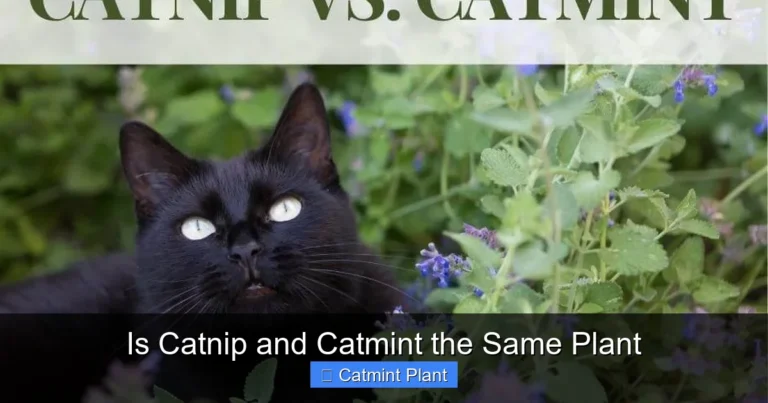
Many gardeners confuse catmint with catnip. They are related but distinct. Catnip (Nepeta cataria) drives cats wild but looks weedy. Catmint (Nepeta x faassenii and other hybrids) offers tidy mounds, long bloom time, and ornamental value. Cats may still roll in it but the show is for you.
Popular Varieties to Look For
When you search where to buy catmint plants near me you will see several cultivars. ‘Walker’s Low’ is the classic. It grows 24 to 30 inches tall and wide with deep lavender flowers. ‘Cat’s Meow’ stays compact at 18 inches. ‘Junior Walker’ is a dwarf version perfect for containers. ‘Blue Wonder’ offers intense color on a 12-inch mound. ‘Six Hills Giant’ reaches 36 inches for the back of the border.
Why Gardeners Love This Plant
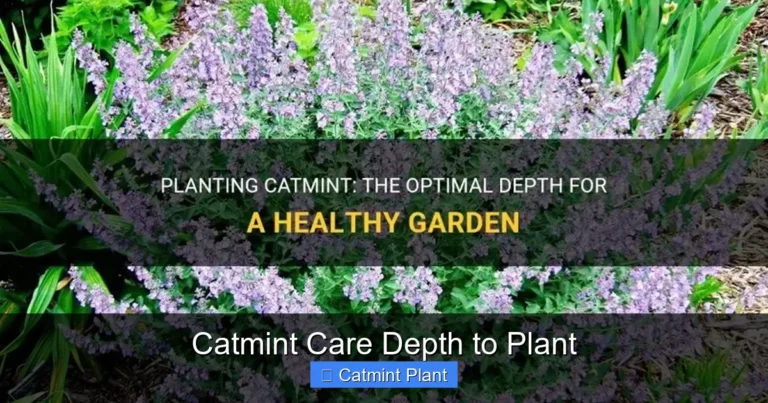
Catmint checks every box. Drought tolerant once established. Deer and rabbit resistant. Blooms from late spring to fall with a quick shear. Attracts bees, butterflies, and hummingbirds. The gray-green foliage looks good even out of bloom. It thrives in poor soil and full sun. Few perennials give this much return for so little effort.
Local Nurseries and Garden Centers: Your Best Bet
Why Independent Nurseries Shine
When you type where to buy catmint plants near me local nurseries should top your list. These businesses grow or source plants suited to your climate. Staff know which varieties survive your winters and handle your summer heat. They can tell you if a cultivar flops in humid summers or needs sharp drainage.
What to Expect When You Visit
Walk the aisles in spring. You will see catmint in quart, gallon, and two-gallon pots. Prices range from $8 to $25 depending on size and variety. Plants are usually hardened off and ready for your garden. Ask questions. The best nurseries welcome them.
Building a Relationship with Your Nursery
Visit early in the season for the best selection. Tell staff what you need. Sun or part shade? Dry slope or clay border? They will steer you right. Many nurseries offer loyalty programs or hold plants for regulars. Some even notify customers when rare varieties arrive.
Supporting Local Growers
Buying local keeps money in your community. It reduces shipping stress on plants. You avoid the carbon footprint of cross-country transport. And you get plants already adapted to your day length and temperature swings.
Big Box Stores: Convenience Meets Variety
Home Depot and Lowe’s Garden Centers
If you need plants this weekend, big box stores deliver. Both chains stock catmint from March through June. You will find ‘Walker’s Low’ and ‘Cat’s Meow’ most often. Prices run $10 to $18 for gallon pots. The plants come from regional growers so they are usually climate-appropriate.
Walmart and Regional Chains
Walmart’s garden center has expanded. They carry national brands like Proven Winners and local grower programs. Selection varies by store. Call ahead or check the app. Regional chains like Menards, Meijer, and Fred Meyer also stock catmint in season.
Pros and Cons of Big Box Shopping
Pros: Long hours, easy parking, consistent pricing, return policies. Cons: Staff may lack plant knowledge. Plants can sit on hot asphalt. Watering is inconsistent. Root-bound pots are common. Shop early in the week after a delivery for the freshest stock.
Reading the Labels
Big box plants come with detailed tags. Look for hardiness zone, mature size, spacing, and sun needs. Scan the QR code for care videos. Keep the tag for reference. It helps if you need to invoke the one-year guarantee most chains offer.
Online Retailers: Shopping from Home
Major Online Plant Shops
Search where to buy catmint plants near me and online options appear. White Flower Farm, Bluestone Perennials, and Spring Hill Nurseries ship nationwide. They offer wider variety than any local store. You can order ‘Purrsian Blue’, ‘Neptune’, ‘Felix’, and other cultivars you will never see locally.
How Shipping Works
Plants ship bare root or in pots. Bare root arrives dormant in spring or fall. Potted plants ship during the growing season. Reputable sellers time shipments to your zone. They use protective packaging and offer arrival guarantees. Track your box and open it immediately.
Comparing Prices and Value
Online prices look higher until you factor in variety and size. A $22 plant from a specialty nursery may be a two-year-old specimen in a two-gallon pot. The same money at a big box gets a first-year plant in a trade gallon. Do the math on cost per square foot of coverage.
Reading Reviews and Policies
Check reviews for plant quality, packaging, and customer service. Look for photos from real buyers. Read the guarantee. Most offer replacement or refund if plants arrive damaged or fail within a year. Some require photos. Know the process before you order.
Specialty Growers and Mail-Order Catalogs
Finding Niche Nurseries
For the serious collector, specialty growers are gold. Search where to buy catmint plants near me plus “specialty” or “rare perennials”. You will find nurseries like Digging Dog, Far Reaches Farm, and Plant Delights. They offer species catmint like Nepeta sibirica, Nepeta grandiflora, and the stunning Nepeta ‘Purple Haze’.
The Catalog Experience
Print catalogs still exist. White Flower Farm, Wayside Gardens, and Breck’s mail beautiful books. They arrive in winter when you are dreaming of spring. The descriptions are detailed. The photography inspires. You can order for spring or fall delivery.
Plant Societies and Sales
Join your local horticultural society or native plant group. They host plant sales with member-grown divisions. You get healthy, locally adapted plants at low prices. Plus expert advice from the gardener who grew them. Many societies have online stores too.
Botanical Garden Sales
Check your nearest botanical garden or arboretum. They often hold spring and fall plant sales. The plants come from their collections or trusted growers. Staff and volunteers help you choose. Proceeds support the garden. It is a win-win.
Timing Your Purchase for Best Results
Spring Buying: The Traditional Window
April through June is prime time. Nurseries are fully stocked. Plants have all season to establish. You see foliage and sometimes early blooms. This is the easiest time to find where to buy catmint plants near me with good selection.
Fall Buying: The Secret Advantage
September through October is arguably better. Roots grow in warm soil while tops slow down. Plants establish before winter. They explode in spring. Prices may be lower as nurseries clear inventory. Selection is thinner but the plants are often larger.
Avoid Summer and Winter Purchases
July and August stress new plantings. Heat and drought make establishment hard. If you must buy summer, provide shade and daily water. Winter purchases only work in frost-free zones or with greenhouse growing. Dormant bare root ships in winter for spring planting.
Pre-Ordering for Guaranteed Varieties
If you want a specific cultivar, pre-order in winter. Online retailers and specialty nurseries take orders January through March. You lock in price and availability. Plants ship at the perfect planting time for your zone. This is how you get the newest introductions.
What to Look for When Buying Catmint
Inspecting Foliage and Stems
Whether you shop local or open a box, check the plant. Leaves should be gray-green, not yellow or brown. Stems should be firm, not floppy. No spots, holes, or webbing. Gently brush the foliage. Clouds of whiteflies mean pass.
Checking the Root System
Pop the pot. Roots should be white or light tan, not black or mushy. They should hold the soil but not circle the pot tightly. A few roots out the bottom holes is fine. A solid mat means root-bound. Tease them apart at planting.
Evaluating Pot Size vs Plant Size
A large plant in a small pot is root-bound. A small plant in a large pot may be freshly potted up. Both need extra care. Ideal is a plant proportional to its pot with visible but not crowded roots. Quart pots for first-year plants. Gallon or larger for mature specimens.
Reading the Signs of Good Care
Weeds in the pot mean neglect. Moss or liverwort on the soil surface means overwatering. Dry, crusty soil means underwatering. Even moisture, clean pots, and upright plants signal a well-run operation. Trust your eyes.
Saving Money on Catmint Plants
Buying Smaller Pots
Quart pots cost half of gallons. Catmint grows fast. A quart plant in May reaches gallon size by July. You save money and the smaller plant often establishes faster. Less root disturbance. Less transplant shock. Win-win.
Dividing Established Plants
If you or a neighbor has catmint, divide it. Spring or fall. Dig the clump. Cut into sections with a sharp knife or spade. Each piece needs roots and shoots. Replant immediately. Free plants. Infinite supply. This is the ultimate answer to where to buy catmint plants near me.
Watching for Sales and Clearance
Nurseries mark down perennials in July. Big boxes clear garden centers in fall. Online retailers have end-of-season sales. Sign up for emails. Follow social media. The best deals go fast. A 50% off ‘Walker’s Low’ in September is a steal.
Group Orders and Plant Swaps
Coordinate with gardening friends. Meet minimum orders for free shipping. Split a flat of plugs. Host a plant swap. Bring divisions, seedlings, and extras. Trade for what you want. Community builds gardens.
Planting and Early Care for Success
Site Selection and Preparation
Catmint wants full sun. Six hours minimum. Eight is better. Well-drained soil is non-negotiable. Clay kills it. Amend with compost and grit. Raise the bed if drainage is slow. Space plants per the label. Good air flow prevents fungal issues.
Planting Technique
Dig a hole twice the pot width. Same depth. Loosen the root ball. Set the plant. Backfill with native soil mixed with compost. Firm gently. Water deeply. Mulch with gravel or shredded bark. Keep mulch off the crown.
First Season Care
Water weekly the first summer. Deep soakings beat daily sprinkles. Deadhead spent flowers for rebloom. Shear the whole plant by half after the first flush. It looks drastic. It works. You get a second show and a tidy mound.
Long-Term Maintenance
Established catmint needs little. Water in drought. Cut back to 4 inches in late winter. Divide every three to four years when the center dies out. Fertilize lightly or not at all. Rich soil makes floppy stems. Lean soil makes strong plants.
Common Mistakes to Avoid
Buying the Wrong Variety for Your Space
‘Six Hills Giant’ swallows a small border. ‘Junior Walker’ disappears in a meadow. Read the mature dimensions. Measure your space. Match the plant to the place. This saves years of frustration and pruning.
Planting in Wet or Shady Spots
Catmint rots in wet clay. It flops in shade. It mildews in humid shade. Full sun and sharp drainage are requirements, not suggestions. If your site fails, grow catmint in containers. Use gritty mix. Elevate the pot.
Overwatering and Overfertilizing
Too much water causes root rot. Too much fertilizer causes weak growth. Catmint thrives on neglect. Once established, water only in extreme drought. Skip the fertilizer. Compost once a year is plenty.
Ignoring Hardiness Zones
Most catmint is hardy zones 3-8. Some cultivars push zone 9. Check your zone. Check the plant tag. Microclimates matter. A south wall gains a zone. A low spot loses one. When in doubt, choose the hardier variety.
Regional Considerations Across the US
Northeast and Midwest
Cold winters, humid summers. ‘Walker’s Low’ and ‘Cat’s Meow’ perform reliably. Plant spring or early fall. Mulch after ground freezes. Watch for powdery mildew in July. Space for air flow.
Southeast
Heat and humidity challenge catmint. Choose ‘Blue Wonder’ or ‘Purrsian Blue’ for better disease resistance. Afternoon shade helps. Excellent drainage is critical. Raised beds or containers work well. Fall planting preferred.
Southwest and West
Dry heat suits catmint perfectly. All varieties thrive. Water to establish then taper off. Watch for spider mites in dusty conditions. Hose off foliage occasionally. Fall planting lets roots establish before summer.
Pacific Northwest
Wet winters risk rot. Plant on slopes or in raised beds. Add pumice to soil. ‘Walker’s Low’ and ‘Six Hills Giant’ handle the climate. Shear hard after bloom to prevent winter damage from wet foliage.
Conclusion
You now have a complete roadmap for finding catmint. Local nurseries give you expertise and adapted plants. Big box stores give you convenience and guarantees. Online retailers give you variety and doorstep delivery. Specialty growers give you rarities and collector plants. The best source depends on your priorities.
Remember the key principles. Buy healthy plants. Match the variety to your site. Plant at the right time. Give good drainage and full sun. Water to establish then step back. Divide every few years. Share with friends.
Next time you wonder where to buy catmint plants near me you will know exactly where to look. You will walk in or log on with a plan. You will choose plants that thrive. Your garden will hum with bees and glow with lavender-blue waves for months. Happy planting.
Frequently Asked Questions
Where can I find catmint plants for sale near me right now?
Check local independent nurseries first for the best selection and advice. Big box stores like Home Depot and Lowe’s carry catmint from March through June. Use Google Maps or search “catmint plants near me” for current availability.
What catmint variety is best for a small garden?
‘Junior Walker’ and ‘Cat’s Meow’ stay under 18 inches tall and wide. ‘Blue Wonder’ forms a tight 12-inch mound. These compact varieties fit small borders, rock gardens, and containers without overwhelming the space.
Do big box stores sell healthy catmint plants?
Yes, but quality varies. Shop early in the week after deliveries. Inspect roots and foliage carefully. Avoid plants sitting on hot asphalt. Most chains offer a one-year guarantee if the plant fails.
How much should I expect to pay for a catmint plant?
Quart pots cost $6-10. Gallon pots run $10-18. Two-gallon and larger specimens range $20-35. Online prices include shipping. Specialty varieties cost more. Fall clearance can offer 50% savings.
Can I buy catmint seeds instead of plants?
Yes, but named cultivars do not come true from seed. Seed-grown plants vary in height, color, and habit. For a specific variety like ‘Walker’s Low’, buy vegetatively propagated plants. Species catmint grows well from seed.
What if the catmint I buy dies after planting?
Most nurseries and online retailers offer guarantees. Keep your receipt and the plant tag. Take photos of the plant at planting and as it declines. Contact the seller within the guarantee period (usually one year) for a refund or replacement.