Are Catnip and Catmint the Same Plant
Catnip and catmint are not the same plant — they are close cousins in the Nepeta genus. Catnip (Nepeta cataria) drives cats wild with its potent nepetalactone, while catmint (Nepeta faassenii and other species) is milder and prized for its ornamental flowers and garden performance.
If you have ever wandered the perennial aisle at a garden center, you have probably seen both catnip and catmint sitting side by side. The labels look similar. The names sound almost identical. And if you are a cat owner, you might wonder: are catnip and catmint the same plant? The short answer is no. They are close relatives — kissing cousins, really — but they have distinct personalities, different effects on cats, and unique roles in the garden.
I remember the first time I bought “catmint” thinking it was just a fancy name for catnip. My cats sniffed it, shrugged, and walked away. Meanwhile, the neighbor’s catnip plant had every feline in a three-block radius rolling in ecstasy. That experience sent me down a rabbit hole of botanical research, trial-and-error gardening, and many conversations with nursery owners. What I learned changed how I design my herb garden and how I keep my cats entertained. Let me share everything you need to know.
Key Takeaways
- Different species: Catnip is Nepeta cataria; catmint typically refers to Nepeta faassenii or Nepeta racemosa
- Cat reaction varies: Catnip triggers intense euphoria in most cats; catmint produces a milder response
- Garden performance differs: Catmint blooms longer, stays tidier, and handles heat better than catnip
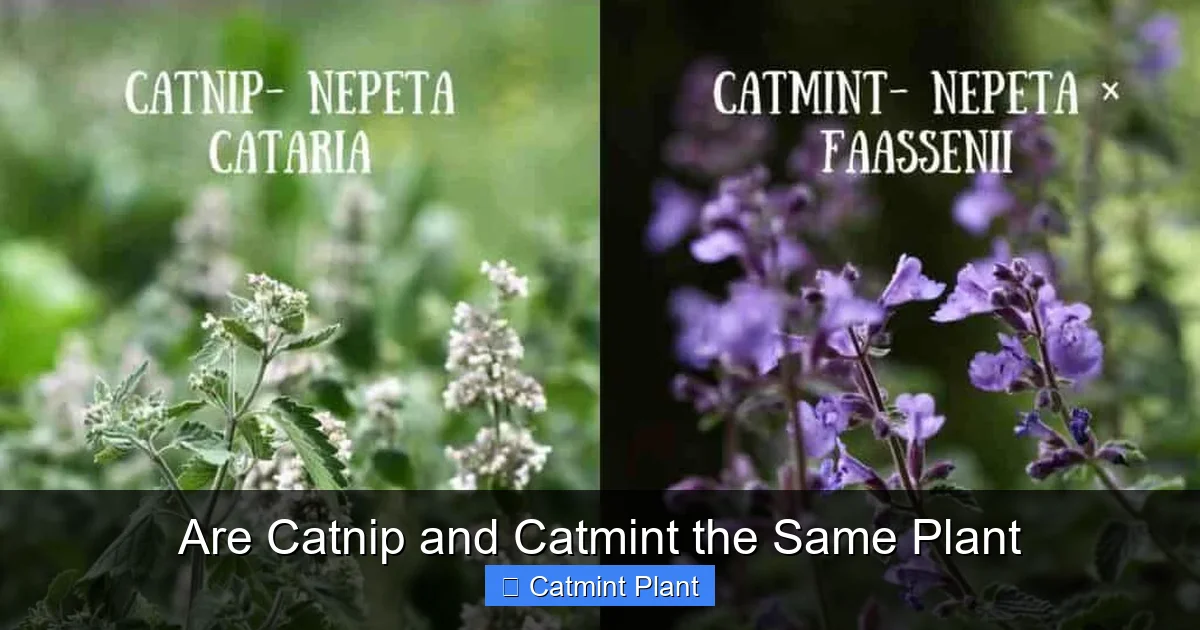
- Appearance matters: Catnip has fuzzy, gray-green leaves and white flowers; catmint shows silvery foliage with lavender-blue blooms
- Both are easy to grow: Both thrive in full sun, well-drained soil, and are drought-tolerant once established
- Uses differ: Catnip is grown for cats and herbal tea; catmint shines as a perennial border plant and pollinator magnet
- Hybrid options exist: Some modern catmint cultivars combine the best traits of both plants
Quick Answers to Common Questions
Are catnip and catmint the same plant?
No, catnip (Nepeta cataria) and catmint (typically Nepeta × faassenii or Nepeta racemosa) are different species within the same genus. They have distinct growth habits, flower colors, and effects on cats.
Which plant do cats prefer — catnip or catmint?
Cats strongly prefer catnip. It contains high levels of nepetalactone, which triggers euphoric behavior in 70-80% of cats. Catmint has much lower nepetalactone and rarely causes the same intense reaction.
Can I grow catnip and catmint together?
Yes, they grow well together with similar sun and soil needs. Plant catmint in tidy borders and catnip in a dedicated cat garden or container to control its spread.
Is catmint invasive like catnip?
No, most modern catmint cultivars are sterile or low-seeding and stay in tidy clumps. Catnip self-seeds aggressively and can spread via rhizomes.
Can humans use catmint like catnip for tea?
Yes, catmint leaves make a pleasant minty tea, though milder than catnip. Both are safe for human consumption in normal culinary amounts.
📑 Table of Contents
What Is Catnip? Understanding the Basics
The Botanical Identity
Catnip carries the scientific name Nepeta cataria. It belongs to the Lamiaceae family — the mint family — which explains its square stems, opposite leaves, and aromatic oils. The species name cataria literally means “of cats” in Latin. Linnaeus himself named it in 1753 after observing how cats reacted to it. This plant has been cultivated for centuries, not just for cats but for human herbal use too.
Physical Characteristics
Catnip grows as a loose, somewhat sprawling perennial reaching two to three feet tall. The stems are square and covered in fine hairs. The leaves are heart-shaped with scalloped edges, gray-green on top and whitish underneath due to dense fuzz. In summer, it produces spikes of small white flowers with pale purple spots. The whole plant has a distinct, musky, minty aroma that some people love and others find a bit skunky.
The Magic Compound: Nepetalactone
The star of the show is nepetalactone, a volatile oil found in the leaves, stems, and seedpods. This compound mimics feline pheromones. When cats smell it, the molecule binds to receptors in their nasal tissue, triggering a response in the brain’s olfactory bulb, amygdala, and hypothalamus. The result? Rolling, rubbing, drooling, vocalizing, and pure feline bliss. About 70 to 80 percent of cats respond to catnip. The trait is hereditary. Kittens under three months and senior cats often show little interest.
Traditional Human Uses
Before it was a cat toy, catnip was a human herb. European settlers brought it to North America for medicinal tea. Catnip tea acts as a mild sedative, helping with insomnia, anxiety, and digestive upset. It has antispasmodic properties and was used for colic, cramps, and fevers. Some people still grow it for tea today. The flavor is minty with earthy undertones — pleasant but not as sweet as spearmint or peppermint.
What Is Catmint? Getting to Know the Cousin
Multiple Species Under One Name
Here is where confusion starts. “Catmint” is a common name applied to several Nepeta species and hybrids. The most common garden catmint is Nepeta × faassenii, a hybrid between Nepeta racemosa and Nepeta nepetella. Other species sold as catmint include Nepeta racemosa (raceme catmint), Nepeta sibirica (Siberian catmint), and Nepeta grandiflora (giant catmint). They share the genus Nepeta but are distinct from Nepeta cataria.
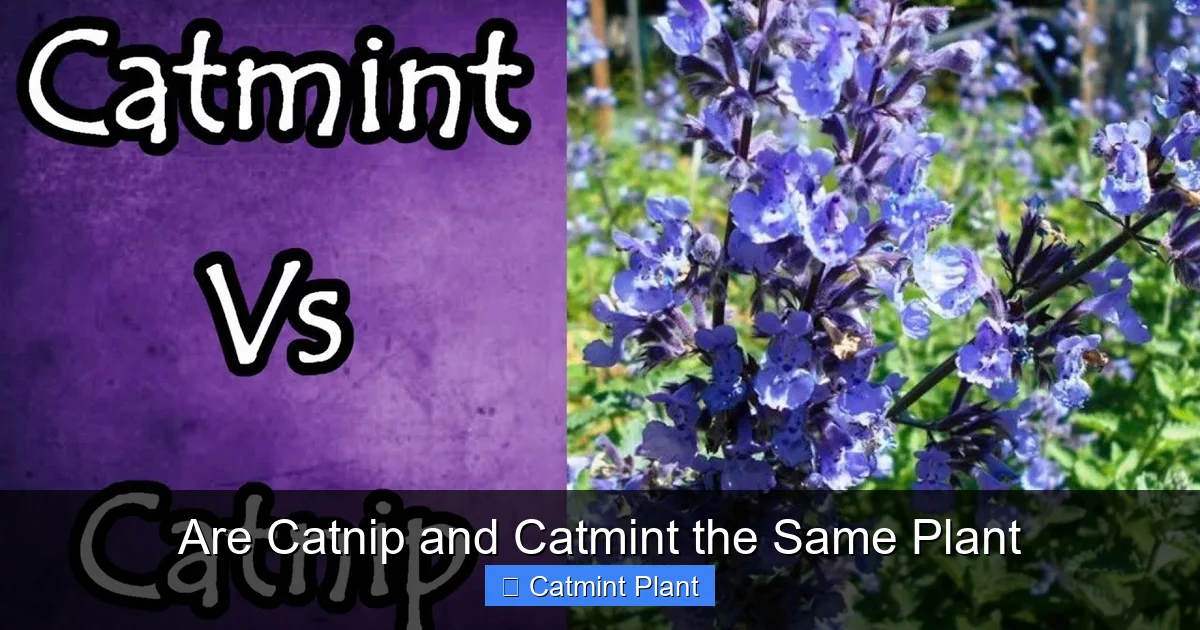
Visual guide about Are Catnip and Catmint the Same Plant
Image source: i.ytimg.com
Ornamental Superstars
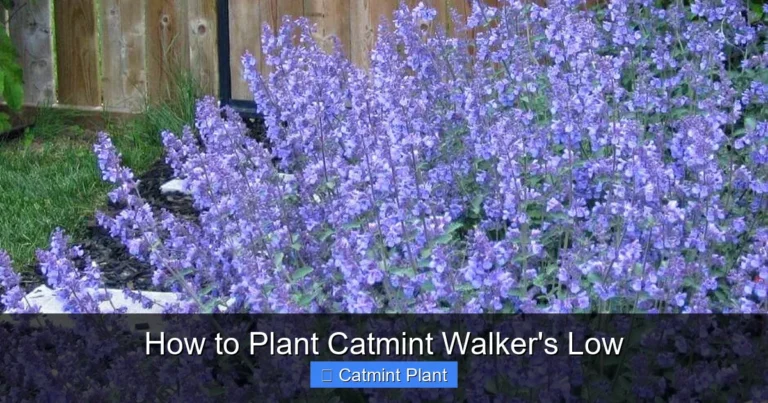
Catmints were bred for the garden, not the cat. They form neat, mounding clumps of aromatic, gray-green foliage. From late spring through fall, they produce abundant spikes of lavender-blue, purple, or white flowers. Popular cultivars like ‘Walker’s Low’, ‘Six Hills Giant’, ‘Cat’s Meow’, and ‘Purrsian Blue’ offer different heights, bloom times, and growth habits. ‘Walker’s Low’ — despite the name — reaches 24 to 30 inches and was named Perennial Plant of the Year in 2007.
Lower Nepetalactone Content
Catmints contain nepetalactone, but in much lower concentrations than catnip. Some species have different isomers of the compound that are less attractive to cats. The result? Your cat might sniff a catmint plant, maybe rub against it briefly, but you will rarely see the full-blown catnip frenzy. This makes catmint a better choice if you want a beautiful perennial that neighborhood cats won’t flatten.
Pollinator Magnets
If catnip is for cats, catmint is for bees, butterflies, and hummingbirds. The long bloom season and nectar-rich flowers make it a pollinator powerhouse. I have counted six different bee species on a single ‘Walker’s Low’ plant in July. It pairs beautifully with roses, salvias, coneflowers, and ornamental grasses. The silvery foliage provides contrast even when the plant is not in bloom.
The Key Differences Between Catnip and Catmint
Growth Habit and Form
Catnip grows upright and somewhat rangy. It can flop open in the center, especially after heavy rain or in rich soil. It self-seeds aggressively. You will find volunteers popping up in cracks, pathways, and neighboring beds. Catmint forms dense, tidy mounds. It stays where you put it. Most modern cultivars are sterile or nearly so, meaning no unwanted seedlings. Catmint also handles shear-and-come-back pruning beautifully — cut it back after the first flush, and it reblooms within weeks.
Foliage Texture and Color
Run your fingers over catnip leaves. They feel soft, fuzzy, almost velvety. The gray-green color comes from dense trichomes (plant hairs) that help reduce water loss. Catmint foliage is also aromatic and slightly fuzzy, but the leaves are smaller, more refined, and often have a stronger silvery cast. Some catmint cultivars like ‘Blue Wonder’ have particularly striking silver-blue foliage that shines in moonlight gardens.
Flower Power
Catnip flowers are small, white, and somewhat sparse. They appear in loose spikes from late spring to early summer, then the plant looks a bit tired. Catmint flowers are larger, more numerous, and come in shades of lavender, violet-blue, pink, or white depending on the cultivar. The bloom season stretches from May to September with deadheading. ‘Cat’s Meow’ and ‘Purrsian Blue’ are especially floriferous, covering the plant in color for months.
Hardiness and Climate Adaptation
Both plants are hardy in USDA zones 3 to 8, sometimes zone 9 with afternoon shade. But catmint generally handles heat and humidity better. In the Deep South, catnip often melts out in midsummer, succumbing to fungal issues in humid conditions. Catmint cultivars like ‘Six Hills Giant’ and ‘Walker’s Low’ power through Southern summers with good air circulation. In the North, both are reliable perennials that emerge early in spring.
Soil and Water Preferences
Catnip tolerates poor, dry, even rocky soil. It thrives on neglect. Too much fertility makes it leggy and reduces essential oil concentration. Catmint prefers well-drained soil but appreciates a bit more organic matter. Both are drought-tolerant once established, but catmint looks better with occasional deep watering during dry spells. Neither likes wet feet — winter wet is the surest way to kill either plant.
How Cats React to Each Plant
The Catnip Response: Full-Blown Frenzy
When a susceptible cat encounters catnip, the sequence is predictable. First, intense sniffing. Then rubbing — cheeks, chin, body — against the plant. Rolling follows, often accompanied by kicking with hind legs. Some cats drool, vocalize, or become temporarily hyperactive. Others enter a trance-like state of bliss. The episode lasts 10 to 15 minutes. Then the cat becomes immune to further effects for about an hour. It is completely harmless and non-addictive.
The Catmint Response: Mild Interest
With catmint, the reaction is subdued. A cat might sniff the foliage, rub against it once or twice, maybe chew a leaf. But the rolling, drooling, wild-eyed excitement? Rare. Some cats ignore catmint entirely. This varies by individual cat and by catmint species. Nepeta racemosa tends to elicit more response than Nepeta × faassenii hybrids. If you want to test your cat’s reaction, crush a leaf between your fingers to release the oils before offering it.
Why the Difference Matters
If you are growing a dedicated “cat garden” for your indoor cats to visit, catnip is the clear winner. Plant it in a protected spot or in containers you can bring inside. If you are designing a perennial border and want to avoid flattened plants and cat feces in your beds, catmint is the smarter choice. Neighborhood cats may still visit catmint, but they rarely destroy it. I plant catmint along my front walkway and catnip in a fenced backyard corner. Peace achieved.
Using Both Plants for Enrichment
You can harvest and dry both plants for cat toys. Catnip retains potency well when dried properly — hang stems upside down in a dark, airy space. Store dried leaves in airtight jars away from light. Catmint can be dried too, but the effect is milder. Some cat toy makers blend both. You can also make catnip spray by steeping fresh leaves in water and spritzing scratching posts or toys. Fresh catnip is more potent than dried, so consider growing a few pots indoors for winter enrichment.
Growing Catnip and Catmint in Your Garden
Starting from Seed
Catnip germinates easily from seed. Sow indoors 6 to 8 weeks before last frost, or direct-sow after danger of frost. Barely cover seeds — they need light to germinate. Keep moist at 65 to 70°F. Seedlings appear in 7 to 14 days. Catmint species can be grown from seed, but named cultivars like ‘Walker’s Low’ do not come true from seed. For specific catmint varieties, buy plants or propagate from cuttings.
Transplanting and Spacing
Space catnip plants 18 to 24 inches apart. They spread via underground rhizomes and self-seeding. Space catmint 18 to 30 inches depending on cultivar — check the tag. ‘Six Hills Giant’ needs 30 inches. ‘Purrsian Blue’ stays compact at 18 inches. Plant both in spring after soil warms, or in early fall at least six weeks before ground freezes. Water well until established.
Sun Requirements
Full sun — at least six hours direct — is best for both. In hot climates (zones 8 to 9), afternoon shade prevents scorching and extends bloom. Catnip gets leggy and floppy in shade. Catmint tolerates light shade better but flowers less. I have catmint thriving in a spot with four hours morning sun and dappled afternoon light. It blooms well and stays compact.
Soil Preparation
Neither plant demands rich soil. In fact, lean soil produces stronger essential oils and sturdier growth. Amend heavy clay with compost and coarse sand or grit to improve drainage. Raised beds work beautifully. Soil pH 6.0 to 7.5 is ideal. Avoid manure or high-nitrogen fertilizers — they promote soft, floppy growth that attracts aphids and reduces aromatic oils.
Watering Wisdom
Water deeply but infrequently to encourage deep roots. Once established, both plants handle drought well. Overwatering leads to root rot, especially in humid climates. Mulch with gravel or pine straw rather than moisture-retentive wood chips. In containers, use a gritty, fast-draining mix — cactus mix works well — and water when the top inch is dry.
Maintenance Through the Seasons
Spring: Cut back dead stems to the crown as new growth emerges. Apply a thin layer of compost around plants. Divide crowded clumps every 3 to 4 years.
Summer: Deadhead catmint after first flush to encourage rebloom. Shear catnip back by half after flowering to prevent seeding and promote fresh foliage. Watch for spider mites in hot, dry weather — blast with water.
Fall: Stop deadheading in early fall to allow seeds for birds (catnip) or winter interest (catmint). Leave stems standing for winter protection.
Winter: In cold zones, mulch crowns with straw after ground freezes. Container plants need protection — move to unheated garage or sink pots in ground.
Common Problems and Solutions
Powdery mildew: Appears as white dust on leaves in humid conditions. Improve air circulation. Avoid overhead watering. Treat with neem oil or potassium bicarbonate.
Root rot: Caused by poor drainage. Plant in raised beds or amend soil. Don’t overwater.
Cat damage: Cats rolling on young plants can crush them. Protect with wire cages until established. Or grow sacrificial catnip nearby.
Aphids: Cluster on new growth. Blast with water or spray insecticidal soap. Ladybugs usually handle them.
Flea beetles: Tiny holes in leaves. Use row covers early season. Diatomaceous earth helps.
Which One Should You Choose?
Choose Catnip If:
- You want to provide maximum feline enrichment
- You enjoy herbal teas and want a homegrown supply
- You have a dedicated herb garden or wild area where self-seeding is welcome
- You live in a cooler, drier climate where catnip thrives
- You don’t mind a somewhat untidy, naturalistic plant
- You want to attract beneficial insects like lacewings and parasitic wasps
Choose Catmint If:
- You want a long-blooming, tidy perennial for borders and beds
- You prioritize pollinator support — bees, butterflies, hummingbirds
- You need a plant that handles heat, humidity, and drought with grace
- You want to avoid neighborhood cats flattening your flower beds
- You prefer sterile cultivars that won’t self-seed aggressively
- You want silver foliage for contrast in garden design
- You need a plant for slopes, rock gardens, or hellstrips
Why Not Both?
Many gardeners — myself included — grow both. I plant catmint ‘Walker’s Low’ along my sunny driveway where it softens the hardscape and feeds pollinators for months. In the fenced vegetable garden, I let catnip naturalize in a corner. The cats have their zone. The bees have theirs. And I have a beautiful, functional garden that serves everyone. You can even interplant them — catmint’s dense habit can help support floppy catnip stems.
Top Cultivars to Consider
Catnip: Straight species Nepeta cataria is your best bet. There are few named cultivars. ‘Citriodora’ (lemon catnip) has a citrus scent but lower nepetalactone.
Catmint: ‘Walker’s Low’ (classic, reliable, 24-30″), ‘Six Hills Giant’ (tall, 36″, great for back of border), ‘Cat’s Meow’ (compact, 18-20″, prolific bloomer), ‘Purrsian Blue’ (tidy, 14-18″, intense blue flowers), ‘Blue Wonder’ (dwarf, 12″, silver-blue foliage), ‘Junior Walker’ (compact version of Walker’s Low, 18″), ‘Whispurr Pink’ (pink flowers, 24-28″).
Harvesting and Using Your Plants
When and How to Harvest Catnip
Harvest catnip just as flowers begin to open — this is when nepetalactone peaks. Cut stems in mid-morning after dew dries but before heat stresses the plant. Hang small bundles upside down in a dark, well-ventilated room. A closet with a fan works perfectly. Dry for 1 to 2 weeks until leaves crumble. Strip leaves and flowers from stems. Store in glass jars with tight lids. Label with date. Potency lasts 6 to 12 months.
Harvesting Catmint for Flowers
Catmint is grown for garden display, not harvest. But you can cut flower stems for bouquets — they last 5 to 7 days in water. Cut when half the flowers on a spike are open. For drying, harvest the same way as catnip. Dried catmint flowers retain color well for wreaths and arrangements. The foliage can be used in potpourri or sachets, though the scent is milder than catnip.
Creative Uses Beyond the Garden
Cat toys: Stuff dried catnip into fabric mice, socks, or cardboard tubes. Refresh monthly.
Herbal tea: Steep 1 teaspoon dried catnip in 8 oz boiling water for 5 minutes. Add honey. Drink before bed for relaxation.
Insect repellent: Nepetalactone repels mosquitoes, cockroaches, and flies. Make a spray by steeping fresh leaves in witch hazel.
Companion planting: Catnip deters aphids, squash bugs, and Colorado potato beetles. Plant near susceptible crops.
Catmint as edging: Low cultivars like ‘Blue Wonder’ make fragrant, tidy edging for paths and beds.
Conclusion
So, are catnip and catmint the same plant? Definitely not. They share a genus, a family resemblance, and a minty aroma. But catnip (Nepeta cataria) is the wild child — potent, sprawling, cat-magnetic, and seedy. Catmint (mostly Nepeta × faassenii and Nepeta racemosa) is the polished performer — tidy, long-blooming, pollinator-friendly, and garden-well-behaved.
Understanding the difference lets you make smarter choices for your garden and your cats. Want a feline amusement park? Plant catnip. Want a perennial border that blooms from June to September with zero fuss? Plant catmint. Want both? You now know how to site them so everyone — cats, bees, and you — wins.
Next time you are at the nursery, you will read those labels with confidence. And when someone asks you the difference, you can say: “They’re cousins. One’s for the cats. One’s for the garden. I grow both.”
Frequently Asked Questions
What is the scientific difference between catnip and catmint?
Catnip is specifically Nepeta cataria, while catmint refers to several other Nepeta species and hybrids — most commonly Nepeta × faassenii, Nepeta racemosa, and Nepeta sibirica. They are distinct species within the same genus.
Will catmint attract cats to my garden?
Catmint may attract mild curiosity from cats, but it rarely causes the rolling, drooling frenzy associated with catnip. Most cats sniff it briefly and move on. It is a good choice if you want to minimize cat traffic in flower beds.
Can I grow catnip indoors for my cat?
Yes, catnip grows well in containers indoors with at least 6 hours of direct sun or strong grow lights. Keep soil on the dry side, pinch back regularly to prevent legginess, and rotate pots for even growth.
Why does my catmint flop open in the middle?
Catmint flops from too much shade, rich soil, or lack of pruning. Plant in full sun, lean soil, and shear back by half after the first bloom flush to maintain a tight mound and encourage rebloom.
How long does dried catnip stay potent?
Properly dried and stored catnip retains potency for 6 to 12 months. Store in airtight glass jars away from light and heat. If your cat loses interest, it’s time to refresh your supply.
Are there any catmint varieties that cats react to strongly?
Nepeta racemosa (raceme catmint) tends to elicit stronger feline responses than Nepeta × faassenii hybrids. However, even racemosa is far less potent than true catnip (Nepeta cataria).