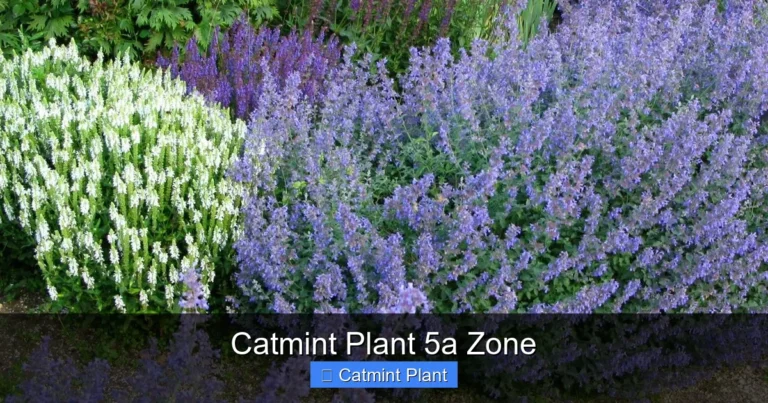
Plant Catmint
Catmint (Nepeta) is a hardy, drought-tolerant perennial that produces lavender-blue flowers from late spring through fall. This low-maintenance plant attracts pollinators, repels pests, and thrives in poor soil with minimal care. Perfect for borders, rock gardens, and cottage-style landscapes.
If you want a plant that gives you months of color without demanding constant attention, you should plant catmint. This tough perennial has become a favorite among gardeners for good reason. It blooms for months, handles neglect like a champ, and brings beneficial insects to your yard. I first discovered catmint when I moved into a house with a neglected garden bed. The previous owner had planted a few clumps years earlier, and they were still thriving despite zero care. That told me everything I needed to know about this plant’s resilience.
Catmint belongs to the mint family, but don’t let that scare you. Unlike its aggressive cousins, catmint stays in a neat clump and won’t take over your garden. The botanical name is Nepeta, and there are dozens of species and cultivars to choose from. Most gardeners grow Nepeta x faassenii hybrids, which offer the best combination of long bloom time, compact habit, and cold hardiness. When you plant catmint, you’re investing in a perennial that will return reliably for years with almost no effort on your part.
Key Takeaways
- Easy to grow: Catmint thrives in full sun and well-drained soil with minimal maintenance once established.
- Drought tolerant: Deep taproots allow catmint to survive dry spells without supplemental watering.
- Long bloom season: Flowers appear from late spring through fall with proper deadheading.
- Pollinator magnet: Bees, butterflies, and hummingbirds love the nectar-rich blooms.
- Deer and rabbit resistant: Aromatic foliage naturally deters browsing animals.
- Versatile uses: Works well in borders, containers, rock gardens, and as ground cover.
- Simple propagation: Divide clumps in spring or take cuttings in summer for free plants.
Quick Answers to Common Questions
When is the best time to plant catmint?
Spring and fall are ideal for planting catmint. Spring gives roots time to establish before summer heat. Fall works well in zones 5 and warmer, allowing root growth during cool months.
How much sun does catmint need?
Catmint needs at least 6 hours of direct sun daily for best flowering. Eight to ten hours produces the most blooms and sturdiest stems. In hot climates, some afternoon shade prevents leaf scorch.
Does catmint spread aggressively like mint?
No, catmint stays in a neat clump and does not spread by runners. It may self-seed lightly but rarely becomes invasive. Divide clumps every 3-4 years to maintain vigor.
Why is my catmint flopping open in the center?
Floppy stems usually result from too much shade, water, fertilizer, or overcrowding. Ensure full sun, lean soil, proper spacing, and shear back by half after the first bloom flush.
Can I grow catmint in containers?
Yes, catmint grows well in containers at least 12 inches wide with drainage holes. Use gritty potting mix, water when soil is dry, and fertilize once in spring. Repot every 2-3 years.
📑 Table of Contents
- Choosing the Right Catmint Variety
- When and Where to Plant Catmint
- How to Plant Catmint Step by Step
- Ongoing Care and Maintenance
- Common Problems and Solutions
- Design Ideas and Companion Planting
- Propagating Catmint for Free Plants
- Harvesting and Using Catmint
- Catmint vs. Catnip: What’s the Difference?
- Troubleshooting Common Issues
- Seasonal Care Calendar
- Conclusion
Choosing the Right Catmint Variety
Popular Cultivars for Home Gardens
Not all catmint varieties are created equal. Some grow tall and floppy while others stay neat and compact. ‘Walker’s Low’ is perhaps the most famous cultivar, named after a garden in England rather than its growth habit. Ironically, it reaches 24 to 30 inches tall and wide. It won Perennial Plant of the Year in 2007 for good reason. The lavender-blue flowers appear in May and continue sporadically until frost if you shear it back after the first flush.
‘Cat’s Meow’ and ‘Cat’s Pajamas’ are newer Proven Winners introductions that stay more compact at 18 to 20 inches. These work beautifully in smaller gardens or the front of borders. ‘Junior Walker’ is a dwarf version of the classic, topping out at 15 to 18 inches. It’s perfect for containers or edging pathways. If you want something different, look for ‘Blue Wonder’ with deeper blue flowers or ‘Snowflake’ for pure white blooms. ‘Six Hills Giant’ is one of the oldest and tallest cultivars, reaching 36 inches. It makes a statement but may need staking.
Species Worth Considering
Beyond the hybrids, several species offer unique characteristics. Nepeta sibirica blooms earlier than most with larger individual flowers on 18-inch plants. Nepeta subsessilis tolerates more moisture and partial shade, making it useful for difficult spots. Nepeta grandiflora ‘Dawn to Dusk’ has soft pink flowers instead of the usual blue. Nepeta racemosa ‘Little Titch’ forms a tight mound only 8 to 10 inches tall, ideal for rock gardens or trough plantings. When you plant catmint, consider your space and choose accordingly.
When and Where to Plant Catmint
Optimal Planting Times
Spring and fall are the best times to plant catmint. Spring planting gives roots time to establish before summer heat arrives. Fall planting works well in zones 5 and warmer, allowing roots to grow during cool months. Avoid planting during summer heat waves or when the ground is frozen. If you must plant in summer, choose a cloudy day and provide extra water until established. I’ve planted catmint in early November in zone 6 and had great success because the soil was still warm enough for root growth.

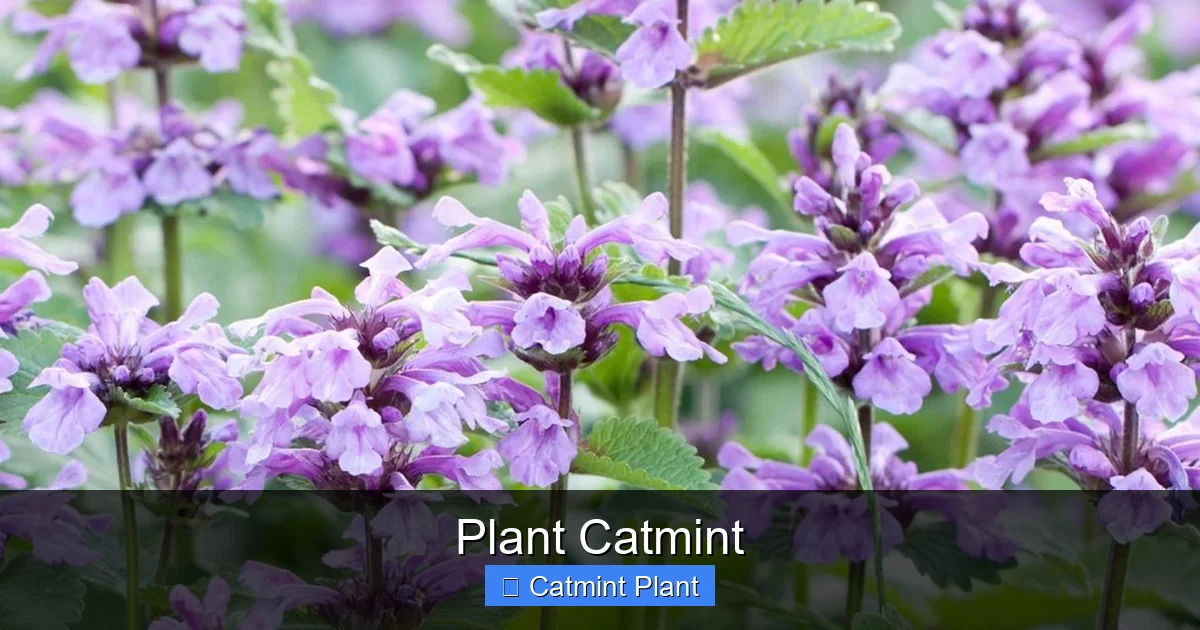
Visual guide about Plant Catmint
Image source: i0.wp.com
Sun and Soil Requirements
Catmint demands full sun for best flowering. Six hours of direct sun is the minimum, but eight to ten hours produces the most blooms and sturdiest stems. In hot southern climates, a bit of afternoon shade prevents leaf scorch. Soil must drain well. Catmint rots in wet clay, especially during winter. Sandy or gravelly soil is ideal. If your soil is heavy, amend with coarse sand, perlite, or fine gravel. Raised beds work beautifully. The pH preference is neutral to slightly alkaline, roughly 6.5 to 7.5. A soil test tells you exactly where you stand.
Spacing and Layout Tips
Space plants according to their mature width. For ‘Walker’s Low,’ allow 24 to 30 inches between centers. Dwarf varieties need 12 to 18 inches. Plant in odd-numbered groups of three, five, or seven for a natural look. Stagger rows rather than planting in straight lines. Catmint pairs beautifully with roses, hiding their bare knees while complementing their blooms. It also works well with ornamental grasses, coneflowers, black-eyed Susans, and Russian sage. The silvery foliage creates a cooling effect next to hot-colored flowers.
How to Plant Catmint Step by Step
Preparing the Planting Hole
Dig a hole twice as wide as the root ball but no deeper. You want the plant to sit at the same level it grew in the pot. Loosen the soil at the bottom and sides of the hole so roots can penetrate easily. If your soil is poor, mix in a handful of compost. Don’t overdo it. Rich soil produces floppy growth and fewer flowers. Catmint prefers lean conditions. Remove the plant from its container and gently tease apart any circling roots. If the root ball is dense, make three or four vertical cuts with a knife to encourage outward growth.
Planting and Initial Care
Place the plant in the hole and backfill with native soil. Firm gently to eliminate air pockets. Water thoroughly to settle the soil around roots. Apply a thin layer of mulch, keeping it away from the crown. Gravel mulch looks great and reflects heat back to the plant. Wood mulch works too but keep it shallow. Water new plants weekly during the first growing season unless rain provides an inch. Once established, catmint rarely needs supplemental water. I stop watering mine entirely after the first summer.
Container Planting Instructions
Catmint grows well in pots if you choose the right container and soil. Select a pot at least 12 inches wide with drainage holes. Use a gritty potting mix designed for succulents or make your own with two parts potting soil, one part coarse sand, and one part perlite. Plant at the same depth as in the nursery pot. Water well and place in full sun. Container plants need more frequent watering than in-ground plants. Check daily in hot weather. Fertilize once in spring with a slow-release balanced fertilizer. Repot every two to three years in spring.
Ongoing Care and Maintenance
Watering Established Plants
Established catmint is remarkably drought tolerant. The deep taproot accesses moisture far below the surface. In most regions, rainfall alone sustains mature plants. During extreme drought, a deep soaking every three to four weeks keeps them looking fresh. Overwatering causes more problems than underwatering. Wet soil leads to root rot, fungal diseases, and floppy stems. If leaves yellow and drop, you’re likely watering too much. Let the soil dry completely between waterings. I haven’t watered my established catmint in five years, even during weeks of 95-degree heat.
Fertilizing: Less Is More
Catmint thrives in poor soil. Fertilizer promotes weak, leggy growth that flops open in the center. If your soil is extremely sandy or you see pale foliage, apply a light scattering of compost in spring. That’s it. No chemical fertilizers needed. No monthly feeding. The plant fixes its own nitrogen through partnerships with soil microbes. Too much nitrogen reduces essential oil production, which diminishes fragrance and pest resistance. When you plant catmint, resist the urge to pamper it. Tough love produces the best results.
Deadheading for Continuous Blooms
Deadheading extends the bloom season dramatically. After the first heavy flush fades in early summer, shear the entire plant back by half. Use hedge shears for speed or hand pruners for precision. This looks brutal but stimulates fresh growth and a second bloom cycle within weeks. Repeat in late summer if desired. In fall, leave the final flowers for winter interest and bird food. Some gardeners shear twice, others once. Experiment to find what works in your climate. The plants recover quickly and look better for it.
Dividing Mature Clumps
Every three to four years, catmint centers die out, leaving a donut-shaped ring. This signals division time. Early spring is ideal, just as new growth emerges. Dig the entire clump and shake off excess soil. Use a sharp spade or knife to cut into sections, each with healthy roots and shoots. Discard the woody center. Replant divisions immediately at the same depth. Water well. Divisions bloom the same year. Fall division works in mild climates but risks winter loss in cold zones. I divide mine every spring and give extras to neighbors.
Common Problems and Solutions
Floppy Stems and Open Centers
The most common complaint about catmint is floppy stems that splay outward, leaving a bare center. This usually results from too much shade, too much water, too much fertilizer, or overcrowding. Full sun produces the strongest stems. Lean soil keeps growth compact. Proper spacing allows air circulation. Shearing after the first bloom prevents the plant from becoming top-heavy. If your catmint flops despite good conditions, try a peony ring or grow-through support installed early in spring. The foliage quickly hides it.
Pest and Disease Issues
Catmint has few serious pests. Aphids occasionally cluster on new growth. Blast them off with a hose or spray insecticidal soap. Spider mites appear in hot, dry weather. Increase humidity with occasional overhead watering. Whiteflies may visit but rarely cause damage. The main disease is root rot from poor drainage. Prevention is simple: plant in well-drained soil. Powdery mildew occurs in humid climates with poor air circulation. Space plants properly and avoid overhead watering. Remove affected leaves promptly. Deer and rabbits avoid catmint due to its strong scent.
Winter Care and Hardiness
Most catmint varieties are hardy to zone 3 or 4. In cold zones, leave dead foliage standing through winter. It insulates the crown and provides habitat for beneficial insects. Cut back to 3 inches in early spring before new growth starts. In zones 7 and warmer, catmint may stay semi-evergreen. A light trim in late winter keeps it tidy. Avoid heavy mulch over the crown, which traps moisture and causes rot. Gravel mulch is safer than organic mulch in wet winter climates. If you plant catmint in containers, move pots to an unheated garage or bury them in the ground for winter protection.
Design Ideas and Companion Planting
Garden Styles That Suit Catmint
Catmint fits almost any garden style. In cottage gardens, its loose habit blends with roses, delphiniums, and foxgloves. In Mediterranean gardens, it pairs with lavender, rosemary, and thyme. Modern landscapes use mass plantings of a single cultivar for bold drifts of color. Rock gardens showcase dwarf varieties spilling over stones. Pollinator gardens rely on catmint as a backbone plant. Herb gardens benefit from its pest-repelling properties. Even formal gardens can use sheared catmint as a low hedge or edging. The versatility is remarkable.
Best Companion Plants
Roses and catmint are classic partners. The catmint hides rose canes and blooms simultaneously. Both want full sun and good drainage. Ornamental grasses like blue fescue, feather reed grass, or little bluestem provide textural contrast. Coneflowers, black-eyed Susans, and bee balm extend the color palette. Salvias, both annual and perennial, echo the flower shape. Yarrow, sedum, and Russian sage share the same tough constitution. Spring bulbs like alliums and tulips bloom before catmint fills in. The combinations are endless.
Using Catmint as Ground Cover
Low-growing varieties make excellent ground cover on slopes or difficult banks. ‘Little Titch,’ ‘Blue Wonder,’ and ‘Walkers Low’ (sheared regularly) form dense mats that suppress weeds. Space plants 12 to 18 inches apart for quick coverage. The roots stabilize soil on slopes. Once established, maintenance is near zero. Shear once a year after flowering to keep it neat. Avoid foot traffic areas. Catmint stems break easily when stepped on. For high-traffic paths, use stepping stones with catmint between them.
Propagating Catmint for Free Plants
Division Method
Division is the fastest way to multiply catmint. Spring division yields blooming-size plants immediately. Dig the parent plant when new growth is 2 to 3 inches tall. Cut into sections with a sharp spade or knife. Each division needs roots and several shoots. Replant at the same depth, water well, and mulch lightly. Divisions establish quickly and often bloom the first year. This is also the perfect time to share with friends. A single mature plant yields six to ten divisions. I’ve turned one $12 plant into dozens over the years.
Stem Cuttings
Summer cuttings root easily. Take 4 to 6 inch cuttings from non-flowering stems in June or July. Remove lower leaves, leaving two or three pairs at the top. Dip the cut end in rooting hormone (optional but helpful). Insert into moist perlite, vermiculite, or sandy potting mix. Cover with a plastic bag to maintain humidity. Place in bright indirect light. Roots form in two to three weeks. Transplant to individual pots and grow on until fall. Overwinter in a cold frame or unheated garage. Plant out the following spring.
Growing from Seed
Catmint grows readily from seed but hybrids don’t come true. Species types like Nepeta racemosa or Nepeta mussinii produce variable but lovely seedlings. Start seeds indoors 6 to 8 weeks before last frost. Surface sow on moist seed starting mix. Light aids germination. Keep at 65 to 70 degrees. Seedlings emerge in 10 to 20 days. Transplant to cells when true leaves appear. Harden off and plant out after frost danger passes. Direct sowing works in prepared beds after soil warms. Thin seedlings to 12 inches apart.
Harvesting and Using Catmint
For Cats and Herbal Uses
Catmint contains nepetalactone, the compound that sends cats into euphoria. Not all cats respond. Sensitivity is genetic. About 50 to 70 percent of cats react. If yours does, harvest stems just before flowering when oils peak. Dry upside down in small bundles in a dark, airy space. Store dried leaves in airtight containers. Sew into toys or sprinkle on scratching posts. Humans can use catmint tea for mild relaxation. It’s a gentle nervine, not a sedative. Pregnant women should avoid medicinal use. Always research before consuming any herb.
Cut Flowers and Dried Arrangements
Catmint makes charming cut flowers for small arrangements. Harvest when half the flowers on a stem are open. Strip lower leaves and place in water immediately. Vase life is five to seven days. Change water daily. For drying, harvest at peak bloom. Hang small bundles upside down in a dark, dry, well-ventilated area. Dried catmint retains color well for months. Use in wreaths, potpourri, or everlasting bouquets. The fragrance persists but fades over time. I keep a dried bundle in my garden shed to repel mice.
Catmint vs. Catnip: What’s the Difference?
Botanical Distinctions
People often confuse catmint and catnip. Both belong to the genus Nepeta. Catnip is Nepeta cataria. Catmint usually refers to ornamental hybrids like Nepeta x faassenii. Catnip has gray-green, heart-shaped leaves with coarse teeth. The flowers are white with purple spots, less showy. Catmint has smaller, more refined leaves and showier lavender-blue flower spikes. Catnip grows 3 to 4 feet tall and reseeds aggressively. Catmint stays in a clump and rarely self-sows. If you want to attract cats, plant catnip. If you want garden beauty, plant catmint.
Cat Response Comparison
Catnip produces a much stronger reaction in cats. The nepetalactone concentration is significantly higher. Catmint affects some cats but the response is milder. My neighbor’s cat rolls in my catmint but goes crazy for catnip. If you have indoor cats, grow catnip in pots on a sunny windowsill. Keep ornamental catmint in the garden where neighborhood cats can enjoy it without destroying your beds. Both plants repel mosquitoes and other insects when crushed leaves are rubbed on skin. The essential oil works as a natural insect repellent.
Troubleshooting Common Issues
Yellowing Leaves
Yellow leaves usually indicate overwatering or poor drainage. Check soil moisture at root level. If soggy, improve drainage or reduce watering. Nutrient deficiency rarely causes yellowing in catmint since it thrives in lean soil. If the entire plant yellows in spring, it may be emerging from dormancy. Give it time. Persistent yellowing with stunted growth suggests root rot. Dig up, trim rotted roots, and replant in better-drained soil. Container plants yellow when rootbound or nutrient-depleted. Repot with fresh gritty mix.
No Flowers or Few Flowers
Insufficient sun is the number one reason catmint doesn’t bloom. It needs at least six hours of direct sun. Too much nitrogen fertilizer produces leaves at the expense of flowers. Stop fertilizing. Overcrowding reduces air circulation and light penetration. Divide or thin plants. Improper pruning timing removes flower buds. Don’t shear in late spring before the first bloom. Wait until after the first flush fades. Young plants may not bloom heavily their first year. Patience pays off.
Center Die-Out
Woody, dead centers are natural as catmint ages. The plant grows outward from the center, leaving old woody stems behind. This is your cue to divide. Spring division rejuvenates the plant completely. If you don’t want to divide, shear the entire plant to 3 inches in early spring. This forces fresh growth from the base. But division is better long-term. It gives you more plants and prevents the cycle from repeating. Mark your calendar to divide every three years.
Seasonal Care Calendar
Spring Tasks
Early spring: Cut back dead foliage to 3 inches before new growth appears. Divide overcrowded clumps. Apply a thin layer of compost if soil is very poor. Mid-spring: Watch for aphids on new growth. Blast off with water if needed. Late spring: Enjoy the first bloom flush. Deadhead spent flowers if you want a tidier look, though not required.
Summer Tasks
Early summer: After first bloom fades, shear plant back by half for second flush. Water only during extreme drought. Mid-summer: Monitor for spider mites in hot, dry weather. Take cuttings for propagation if desired. Late summer: Second bloom appears. Deadhead again if you want a third flush in fall.
Fall and Winter Tasks
Fall: Leave final flowers for winter interest and birds. Stop watering. Early winter: In cold zones, leave foliage standing for crown protection. In warm zones, light trim if needed. Late winter: In mild climates, cut back to 3 inches before spring growth. Plan next year’s divisions or new plantings.
Conclusion
When you plant catmint, you gain a reliable garden performer that asks little and gives much. Months of lavender-blue flowers. Clouds of pollinators. Aromatic foliage that deer ignore. A plant that thrives on neglect and comes back stronger each year. Whether you choose a compact variety for a container or a tall cultivar for the back of the border, catmint delivers. Start with one plant this spring. Watch it grow. Shear it back after the first bloom. Marvel at the second flush. Divide it in three years and share the wealth. Your garden, your pollinators, and maybe even your cat will thank you.
The best gardens include plants that work hard without demanding constant attention. Catmint defines that category. It bridges the gap between spring bulbs and fall asters. It softens hard edges. It fills awkward spaces. It turns a hot, dry slope into a river of blue. Few perennials offer so much for so little. If you haven’t planted catmint yet, this is your year. Pick a sunny spot. Prepare the soil. Plant it. Water it in. Then step back and let it do its thing. You’ll wonder how you ever gardened without it.
Frequently Asked Questions
Is catmint the same as catnip?
No, catmint (Nepeta x faassenii) and catnip (Nepeta cataria) are different species. Catnip has a stronger effect on cats and reseeds aggressively. Catmint is grown for ornamental value with showier flowers and a clumping habit.
How often should I water established catmint?
Established catmint rarely needs supplemental water. In most regions, rainfall is sufficient. During extreme drought, a deep soaking every 3-4 weeks keeps plants looking fresh. Overwatering causes root rot and floppy growth.
When should I cut back catmint for winter?
In cold zones, leave dead foliage standing through winter to protect the crown. Cut back to 3 inches in early spring before new growth emerges. In warm zones, a light trim in late winter keeps plants tidy.
Why isn’t my catmint blooming?
Insufficient sun is the most common cause. Catmint needs at least 6 hours of direct sun. Excess nitrogen fertilizer, overcrowding, or improper pruning timing can also reduce flowering.
Can I divide catmint in the fall?
Fall division works in mild climates (zones 7+) but risks winter loss in cold zones. Spring division is safer and gives plants the full growing season to establish. Divide every 3-4 years when centers become woody.
Does catmint attract bees and butterflies?
Yes, catmint is a pollinator magnet. Bees, butterflies, and hummingbirds visit the nectar-rich flowers throughout the long bloom season. It’s an excellent choice for pollinator gardens and wildlife habitats.