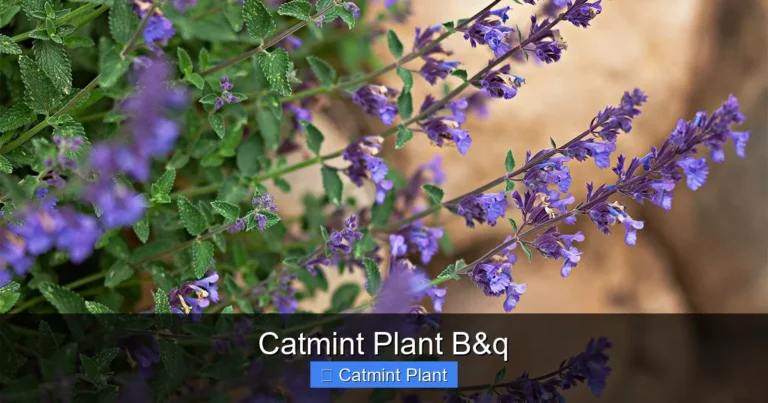
Types of Catmint Plants
Catmint (Nepeta) offers gardeners a versatile, drought-tolerant perennial with aromatic foliage and beautiful lavender-blue flowers. From compact border plants to tall statement pieces, there’s a perfect catmint variety for every garden style and growing condition.
If you’ve ever walked through a sunny garden in early summer and noticed clouds of lavender-blue flowers buzzing with bees, chances are you were looking at catmint. This beloved perennial has earned its place in gardens worldwide, and for good reason. It’s tough, beautiful, and asks for very little in return. But here’s the thing – when gardeners talk about catmint, they’re usually referring to several different plants that all go by the same common name.
Understanding the different types of catmint plants can transform your garden planning. Some varieties make perfect edging plants along a pathway. Others create stunning back-of-border statements. A few work beautifully in rock gardens or containers. And yes, some will send your neighborhood cats into a frenzy while others leave them completely indifferent. Let’s dive into the wonderful world of Nepeta and find the perfect catmint for your space.
Key Takeaways
- Catmint belongs to the Nepeta genus: This mint family member includes over 250 species, though only a dozen or so are commonly grown in gardens.
- Nepeta x faassenii is the most popular hybrid: This sterile hybrid gives you long bloom times without aggressive self-seeding.
- Size varies dramatically between varieties: You’ll find catmint plants ranging from 6-inch ground covers to 4-foot tall specimens.
- All catmint attracts pollinators: Bees, butterflies, and hummingbirds flock to the nectar-rich tubular flowers.
- Cats love most but not all varieties: While Nepeta cataria drives cats wild, some ornamental varieties have less effect on felines.
- Drought tolerance improves with age: Established catmint develops deep taproots that make it incredibly water-wise.
- Shearing after first bloom encourages rebloom: A mid-summer haircut keeps plants tidy and promotes a second flush of flowers.
Quick Answers to Common Questions
What is the difference between catmint and catnip?
Catnip (Nepeta cataria) is one specific species of catmint that contains high levels of nepetalactone, which causes euphoric reactions in cats. Most ornamental catmints are different species or hybrids with much less of this compound, making them less attractive to cats but more valuable as garden plants.
Which catmint variety is best for small gardens?
‘Little Titch’ and ‘Blue Wonder’ are excellent for small spaces, reaching only 8-15 inches tall. ‘Junior Walker’ at 15-18 inches is another compact option. The Prelude series stays just 10-12 inches and works beautifully in containers.
Does catmint come back every year?
Yes, catmint is a hardy perennial that returns reliably in USDA zones 3-8, depending on the variety. Most common types are hardy to zone 4 (-30°F). The plants die back to the ground in winter and re-emerge from the crown in spring.
How do I keep catmint from flopping over?
Flopping is usually caused by too much shade, rich soil, overwatering, or lack of pruning. Perform the “Chelsea chop” in late May (shear plants by 1/3 to 1/2), ensure full sun and lean soil, and shear again after the first bloom flush to maintain compact growth.
Can catmint grow in shade?
Most catmint needs full sun (6+ hours). However, Nepeta subsessilis (Japanese catmint) and its cultivars like ‘Candy Cat’ and ‘Blue Dragon’ tolerate partial shade and prefer moister soil than other catmints.
📑 Table of Contents
- Understanding the Catmint Family
- The Most Popular Catmint Varieties for Home Gardens
- Choosing the Right Catmint for Your Garden Conditions
- Designing with Catmint: Companion Plants and Garden Uses
- Planting and Care Guide for Healthy Catmint
- Common Problems and Solutions
- Propagating Catmint: Making More Plants
- Seasonal Care Calendar
- Specialty Catmint Collections Worth Exploring
- Catmint in Herbal and Wildlife Gardens
- Frequently Overlooked Catmint Relatives
- Creating a Catmint Collection
- Catmint for Specific Garden Challenges
- Buying Guide: What to Look For
- Conclusion: Finding Your Perfect Catmint
Understanding the Catmint Family
Before we explore specific varieties, it helps to know what we’re actually talking about. Catmint belongs to the genus Nepeta, which is part of the mint family (Lamiaceae). This family includes over 250 species native to Europe, Asia, and Africa. The name comes from Nepete, an ancient Etruscan city where the plant grew abundantly.
Catmint vs Catnip: What’s the Difference?
This is the most common point of confusion. Catnip (Nepeta cataria) is actually just one species of catmint. It’s the one that drives cats crazy thanks to a compound called nepetalactone. But most ornamental catmints sold in nurseries are different species or hybrids that contain much less of this compound. Your cats might show mild interest, but they won’t destroy the plants.
Why Gardeners Love Catmint
The appeal goes way beyond feline entertainment. Catmint offers an incredible combination of traits that make it a designer’s dream. The aromatic gray-green foliage looks good from spring through frost. The flowers bloom for months, not weeks. Deer and rabbits typically avoid it. Once established, it laughs at drought. And it plays well with almost any garden style – cottage, Mediterranean, modern, or prairie.
The Most Popular Catmint Varieties for Home Gardens
While hundreds of Nepeta species exist in the wild, gardeners typically work with a handful of reliable performers. These are the types of catmint plants you’ll actually find at nurseries and in catalogs.
Nepeta x faassenii – The Garden Workhorse
This hybrid between Nepeta racemosa and Nepeta nepetella is the superstar of the catmint world. Named after Dutch nurseryman J.H. Faassen, it’s sterile – meaning no unwanted seedlings popping up everywhere. The plants form neat mounds of aromatic gray-green leaves topped with lavender-blue flower spikes from late spring through fall.
Several outstanding cultivars have been selected from this hybrid:
‘Walker’s Low’ – The Perennial Plant of the Year
Don’t let the name fool you. ‘Walker’s Low’ refers to the garden where it was discovered, not its height. This variety reaches 24-30 inches tall and wide, making it a substantial presence in the border. It was named Perennial Plant of the Year in 2007, and for good reason. The flowers are a deeper violet-blue than the species, and the plant maintains a tidy habit without flopping.
‘Junior Walker’ – The Compact Version
If you love ‘Walker’s Low’ but need something smaller, ‘Junior Walker’ tops out at 15-18 inches. It has the same intense flower color and long bloom season in a package that fits front-of-border spots or containers perfectly.
‘Blue Wonder’ – Intense Color in a Small Package
This compact selection reaches just 12-15 inches tall but packs a punch with deep blue flowers. It’s one of the earliest to bloom and one of the latest to quit, often flowering from May through October with a brief rest during the hottest weeks.
Nepeta racemosa – The Species Behind Many Hybrids
Also called raceme catmint or dwarf catmint, this species is native to the Caucasus and northern Iran. It’s lower growing than the faassenii hybrids, typically 8-12 inches tall, with a spreading habit that makes it useful as a ground cover. The flowers are a soft lavender-blue.
‘Little Titch’ – The Ultimate Edging Plant
At just 8-10 inches tall and 12-15 inches wide, ‘Little Titch’ is perfect for lining pathways or spilling over rock walls. The flowers are a clear, soft blue, and the foliage stays remarkably neat all season.
‘Snowflake’ – A Rare White Selection
Most catmint flowers are in the blue-purple range, but ‘Snowflake’ offers pure white blooms on the same low, spreading habit. It’s stunning when planted alongside the blue varieties for contrast.
Nepeta sibirica – Siberian Catmint
This species brings a different look to the garden. Native to Siberia, China, and Korea, it grows more upright – 24-36 inches tall – with larger leaves and flower spikes that are more widely spaced along the stem. The flowers are a lovely violet-blue.
‘Souvenir d’Andre Chaudron’ – The Variegated Beauty
This cultivar features green leaves edged in creamy white, adding interest even when the plant isn’t in bloom. It reaches about 18-24 inches tall and prefers a bit more moisture than other catmints.
Nepeta subsessilis – Japanese Catmint
Here’s a catmint that breaks the rules. While most Nepeta demand full sun and dry soil, Japanese catmint hails from moist mountain meadows in Japan. It tolerates – even prefers – partial shade and consistent moisture. The flowers are larger than most catmints, a beautiful deep blue, and the plant reaches 24-36 inches tall.
‘Candy Cat’ – A Pink Surprise
Most catmint flowers are blue or purple, but ‘Candy Cat’ offers soft pink blooms on a compact 18-24 inch plant. It’s a sport of ‘Blue Dragon’ and retains that variety’s tolerance for more moisture and shade.
Nepeta grandiflora – Large-Flowered Catmint
As the name suggests, this species produces larger individual flowers than most catmints. Native to the Caucasus and Iran, it forms clumps 24-30 inches tall with a more open, airy habit. The flowers are a rich violet-blue.
‘Dawn to Dusk’ – Extended Bloom Season
This selection lives up to its name with an exceptionally long flowering period. The pale pink flowers age to a soft lavender, creating a two-tone effect on the same spike.
Nepeta cataria – True Catnip
We can’t talk about types of catmint plants without mentioning the original. This is the species that gives the genus its reputation with cats. It’s a rather weedy-looking plant – 24-36 inches tall with gray-green, downy leaves and small white flowers spotted with purple. It self-seeds aggressively and isn’t particularly ornamental.
However, it has its place. If you want to grow catnip for your feline friends, for herbal tea, or to attract beneficial insects to a wild area of your garden, this is the one. Just don’t plant it in your prized perennial border unless you’re prepared to manage the seedlings.
Choosing the Right Catmint for Your Garden Conditions
One of the joys of catmint is its adaptability, but different types of catmint plants have different preferences. Matching the variety to your conditions ensures success with minimal effort.
Full Sun, Dry Soil – The Classic Catmint Spot
Most catmint varieties thrive in full sun (at least 6 hours direct) and well-drained, even poor soil. This is where Nepeta x faassenii cultivars like ‘Walker’s Low,’ ‘Junior Walker,’ and ‘Blue Wonder’ shine. They also do beautifully in Nepeta racemosa selections like ‘Little Titch.’ Once established, these plants need supplemental water only during extreme drought.
Partial Shade, Moister Soil – Look to Japanese Catmint
If your garden has dappled shade or soil that stays consistently moist, Nepeta subsessilis and its cultivars are your best bet. ‘Candy Cat’ and ‘Blue Dragon’ will tolerate conditions that would rot other catmints. They still need decent drainage – no standing water – but they appreciate regular moisture.
Hot, Humid Climates – Seek Heat-Tolerant Selections
In the Deep South and other humid regions, catmint can struggle with fungal diseases. Look for varieties bred for heat tolerance. ‘Junior Walker’ and ‘Blue Wonder’ show good resistance to the crown rot that plagues catmint in humidity. Plant them where they get good air circulation, and consider raised beds to improve drainage.
Cold Climates – Hardiness Matters
Most catmint varieties are hardy to USDA zone 4 (-30°F), with some like Nepeta sibirica hardy to zone 3. In zones 3-4, provide winter protection with a light mulch after the ground freezes. Avoid heavy mulch that holds moisture against the crown. ‘Walker’s Low’ and ‘Little Titch’ are exceptionally reliable in cold climates.
Designing with Catmint: Companion Plants and Garden Uses
The versatility of different types of catmint plants makes them invaluable design tools. Their soft, billowy texture and cool flower colors bridge gaps between bolder plants.
Classic Rose Companions
Catmint and roses are a match made in garden heaven. The mounding habit of catmint hides the bare legs of rose bushes, while the blue flowers complement almost any rose color. ‘Walker’s Low’ is tall enough to work with shrub roses, while ‘Little Titch’ fits beneath hybrid teas. The aromatic foliage may also help deter some rose pests.
Mediterranean Garden Stars
In gravel gardens and xeriscapes, catmint feels right at home. Pair it with lavender, rosemary, sage, and ornamental grasses for a drought-tolerant tapestry. The silver foliage of ‘Walker’s Low’ echoes lavender’s gray leaves, while the blue flowers repeat the color theme.
Pollinator Garden Essentials
Few plants attract more diverse pollinators than catmint. Native bees, honeybees, bumblebees, butterflies, and hummingbirds all visit the nectar-rich flowers. Plant catmint in drifts of 3-5 plants to create a visible target for passing pollinators. Combine with coneflowers, bee balm, and salvias for a season-long buffet.
Container Gardening with Catmint
Compact varieties like ‘Junior Walker,’ ‘Blue Wonder,’ and ‘Little Titch’ thrive in containers. Use a well-draining potting mix with added perlite or grit. Containers need more frequent watering than in-ground plants, but let the soil dry between waterings. In cold climates, move pots to an unheated garage for winter or sink them in the ground.
Edging and Pathway Plantings
Low-growing types of catmint plants like ‘Little Titch’ and ‘Blue Wonder’ create beautiful soft edges along paths. They spill gracefully over hardscaping without becoming a tripping hazard. The aromatic foliage releases scent when brushed, adding a sensory dimension to garden walks.
Planting and Care Guide for Healthy Catmint
Success with catmint comes down to a few key practices. Get these right, and your plants will perform for years.
When and How to Plant
Spring and early fall are ideal planting times. In spring, wait until the soil has warmed and frost danger has passed. In fall, plant at least 6 weeks before your first hard freeze so roots can establish. Space plants according to their mature width – typically 18-24 inches for most varieties, 12-15 inches for compact types.
Dig a hole twice as wide as the pot but no deeper. Catmint crowns should sit at soil level, not buried. Backfill with native soil – no need to amend unless your soil is extremely heavy clay or pure sand. Water well after planting, then mulch lightly with gravel or shredded bark, keeping mulch away from the crown.
Watering: The Establishment Phase
New plants need regular water for their first growing season. Water deeply once or twice a week depending on rainfall and temperature. The goal is to encourage deep root growth. Once established (usually by the second summer), catmint is remarkably drought tolerant. In fact, overwatering causes more problems than underwatering.
Fertilizing: Less is More
Catmint prefers lean soil. Rich soil or excessive fertilizer produces floppy, weak growth with fewer flowers. A light application of compost in early spring is plenty. Avoid high-nitrogen fertilizers entirely. If your plant looks pale or stunted, a balanced organic fertilizer at half strength won’t hurt, but it’s rarely needed.
The Chelsea Chop: Timing Your Pruning
This is the secret to compact, floriferous catmint. In late May or early June (around the time of the Chelsea Flower Show in England), shear the plants back by one-third to one-half. This delays flowering by a few weeks but produces sturdier stems that won’t flop, and often extends the total bloom season.
Deadheading for Continuous Bloom
After the first major flush fades (usually mid-summer), shear the whole plant back by about half. This removes spent flowers and stimulates fresh growth and a second heavy bloom in late summer to fall. It also keeps the plant looking tidy rather than developing a hollow center with age.
Dividing: Renewing Older Plants
After 3-4 years, catmint clumps can become woody in the center with reduced flowering. In early spring, dig up the entire clump and divide it into sections with healthy roots and shoots. Replant the vigorous outer sections, discard the woody center. This rejuvenates the plant and gives you free plants to share.
Common Problems and Solutions
Catmint is famously trouble-free, but a few issues can arise, especially when conditions aren’t ideal.
Floppy, Leggy Growth
This is the most common complaint. Causes include too much shade, rich soil, overwatering, or lack of pruning. Solution: Move to full sun, stop fertilizing, reduce watering, and implement the Chelsea chop and mid-summer shearing routine.
Crown Rot and Root Rot
Heavy, wet soil – especially in winter – kills catmint. Symptoms include wilting despite moist soil, yellowing leaves, and plant death. Prevention: Ensure excellent drainage. Plant in raised beds or on slopes if your soil is clay. Use gravel mulch instead of organic mulch in wet climates.
Powdery Mildew
In humid conditions with poor air circulation, a white powdery coating may appear on leaves. It’s rarely fatal but unsightly. Prevention: Space plants properly, avoid overhead watering, and choose resistant varieties like ‘Junior Walker.’ Treatment: Remove affected leaves, improve air flow, and apply neem oil or potassium bicarbonate spray if severe.
Cat Damage
While most ornamental catmints don’t drive cats wild, some felines still enjoy rolling on them. Young plants can be flattened. Protection: Place chicken wire cages over new plants until established, or insert twiggy branches into the soil around plants as a deterrent.
Aggressive Self-Seeding
Species catmint (Nepeta cataria) and some species types can seed prolifically. The faassenii hybrids are sterile and won’t self-seed. If you have seeding types, deadhead faithfully before seeds mature, or simply pull unwanted seedlings in spring – they’re easy to recognize by their distinctive scent.
Propagating Catmint: Making More Plants
Once you find a catmint variety you love, you’ll want more. Fortunately, propagation is straightforward.
Division – The Easiest Method
As mentioned earlier, spring division yields instant, mature plants. Each division should have several shoots and a good root system. Water well after replanting and provide light shade for a week if the weather is hot.
Softwood Cuttings – For Exact Clones
In late spring to early summer, take 4-6 inch cuttings from non-flowering shoots. Remove lower leaves, dip in rooting hormone (optional but helpful), and insert into a mix of perlite and peat moss. Keep humid and in bright indirect light. Roots form in 3-4 weeks.
Seed – For Species Types
Species catmint grows easily from seed. Sow indoors 6-8 weeks before last frost, or direct sow in spring. Barely cover seeds – they need light to germinate. Keep moist at 65-70°F. Germination takes 10-20 days. Note: Hybrid cultivars won’t come true from seed.
Seasonal Care Calendar
Here’s a quick reference for catmint care through the year:
Early Spring (March-April)
- Cut back last year’s dead growth to 2-3 inches above ground
- Apply light compost around plants
- Divide overcrowded clumps
- Plant new purchases
Late Spring (May-June)
- Perform Chelsea chop (shear by 1/3 to 1/2)
- Watch for first flower buds
- Water new plantings regularly
Mid Summer (July-August)
- Shear back after first flush fades
- Water during extended drought
- Monitor for powdery mildew in humid weather
Fall (September-October)
- Enjoy second bloom flush
- Plant or divide in early fall (6+ weeks before freeze)
- Stop fertilizing
Winter (November-February)
- Leave dead foliage for winter protection
- Apply light mulch after ground freezes in cold zones
- Plan next year’s catmint additions
Specialty Catmint Collections Worth Exploring
Beyond the common varieties, several breeding programs have introduced exciting new types of catmint plants with unique traits.
The Prelude Series
Bred for compact habit and early flowering, the Prelude series includes ‘Prelude Blue,’ ‘Prelude Pink,’ and ‘Prelude Purple.’ These reach just 10-12 inches tall and wide, bloom heavily from late spring, and rebloom reliably without shearing. Perfect for containers and small spaces.
The Neptune Series
Selected for exceptional heat and humidity tolerance, ‘Neptune’ catmints maintain clean foliage through southern summers. ‘Neptune Blue’ and ‘Neptune Pink’ reach 12-14 inches and bloom continuously without the mid-summer rest period common in other varieties.
Dropmore Hybrid Catmint
Nepeta x faassenii ‘Dropmore’ is an older hybrid from Canada’s Dropmore Research Station. It’s exceptionally cold hardy (zone 3) with a more upright habit than most faassenii types – 30-36 inches tall. The flowers are a soft lavender-blue.
Select Seedlings from Notable Gardens
Some of the best catmint varieties originated as chance seedlings in famous gardens. ‘Six Hills Giant’ from the Six Hills Nursery in England reaches 36 inches with large violet-blue flowers. ‘Dawn to Dusk’ from Beth Chatto’s garden offers the lovely pink-to-lavender aging flowers mentioned earlier.
Catmint in Herbal and Wildlife Gardens
While we’ve focused on ornamental uses, catmint has a rich history beyond the flower border.
Traditional Herbal Uses
Nepeta cataria (catnip) has been used for centuries as a mild sedative tea for humans – quite the opposite of its effect on cats! The tea was traditionally used for anxiety, insomnia, digestive upset, and colds. The leaves can be harvested throughout the growing season and dried for winter use.
Other Nepeta species have similar but milder properties. However, pregnant women should avoid catnip tea as it can stimulate uterine contractions. Always research thoroughly before using any plant medicinally.
Beneficial Insect Magnet
Beyond the obvious pollinators, catmint attracts predatory insects that help control garden pests. Parasitic wasps, hoverflies, and tachinid flies all visit the flowers. Their larvae prey on aphids, caterpillars, and other pests. Planting catmint near vegetable gardens creates a natural pest management system.
Deer and Rabbit Resistance
The aromatic oils that attract cats and bees repel browsing mammals. In areas with heavy deer pressure, catmint is one of the few perennials that remains untouched. This makes it invaluable for gardeners in suburban and rural areas where deer damage is a constant battle.
Frequently Overlooked Catmint Relatives
The genus Nepeta has some fascinating cousins worth knowing about, especially if you love the catmint look but want something different.
Nepeta govaniana – Yellow Catmint
Yes, yellow catmint exists! Native to the Himalayas, this species produces pale yellow flowers on 24-36 inch plants. It prefers cooler summers and more moisture than blue catmints. The foliage is greener, less gray. It’s a conversation starter in any garden.
Nepeta kubanica – Caucasian Catmint
From the Caucasus Mountains, this species forms tight mounds 12-18 inches tall with deep violet-blue flowers. It’s exceptionally cold hardy and drought tolerant once established. The foliage is notably silver.
Nepeta nervosa – Veined Catmint
This species stands out for its prominently veined leaves and dense flower spikes. It’s more heat tolerant than many catmints and blooms heavily the first year from seed, making it useful as an annual in cold climates.
Creating a Catmint Collection
Once you start exploring types of catmint plants, you might want to create a dedicated collection. Here’s how to design one that provides interest from spring through fall.
Succession of Bloom
Choose varieties with staggered bloom times. Start with early bloomers like ‘Little Titch’ and ‘Blue Wonder’ (May). Follow with main-season ‘Walker’s Low’ and ‘Six Hills Giant’ (June-July). Finish with rebloomers like ‘Junior Walker’ and the Prelude series that flower into October.
Height Gradation
Plant tall varieties (36 inches) at the back, medium (24-30 inches) in the middle, and low growers (8-12 inches) at the front. This creates a layered effect and ensures all plants get adequate light.
Color Variations
While blue-purple dominates, include ‘Snowflake’ (white), ‘Candy Cat’ (pink), ‘Dawn to Dusk’ (pink-lavender), and ‘Prelude Yellow’ if you can find it. The color range creates a more sophisticated planting than a single hue.
Foliage Contrast
Mix the typical gray-green foliage with ‘Souvenir d’Andre Chaudron’ (variegated) and the greener leaves of Nepeta subsessilis varieties. The textural contrast adds depth even when flowers are scarce.
Catmint for Specific Garden Challenges
Every garden has problem spots. Catmint solves many of them.
Hell Strips and Roadside Plantings
The area between sidewalk and street – often compacted, salty, hot, and dry – is perfect for tough catmint varieties. ‘Walker’s Low’ and ‘Blue Wonder’ handle road salt, reflected heat, and neglect better than almost any other perennial.
Slopes and Erosion Control
Catmint’s spreading habit and fibrous root system stabilize slopes beautifully. Plant ‘Little Titch’ or ‘Blue Wonder’ on 12-inch centers for quick coverage. The foliage slows rainfall impact while roots hold soil.
Under Black Walnut Trees
Juglone toxicity from black walnuts kills many plants, but catmint is juglone-tolerant. It’s one of the few flowering perennials that thrives in the dry shade under these trees.
Septic Fields and Drain Fields
Shallow-rooted, drought-tolerant perennials are recommended for planting over septic systems. Catmint fits the bill perfectly – no deep taproots to invade pipes, and it handles the dry, nutrient-poor conditions.
Buying Guide: What to Look For
When shopping for catmint, whether at a local nursery or online, keep these tips in mind.
Read the Label Carefully
Make sure you’re buying the variety you want. ‘Walker’s Low’ and ‘Junior Walker’ look similar in small pots but perform very differently in the garden. Check the mature height and spread on the tag.
Inspect the Roots
Gently slip the plant from its pot. Healthy roots are white or light tan, firm, and fill the pot without being a solid mass. Avoid plants with dark, mushy roots or those where the root ball falls apart completely (recently potted up).
Check for Pests and Disease
Look under leaves for aphids, spider mites, or whiteflies. Avoid plants with yellowing lower leaves, powdery mildew, or signs of crown rot at the soil line.
Consider Mail Order Specialists
Local nurseries typically carry 3-5 catmint varieties. Specialty perennial nurseries offer 20+. If you want unusual types of catmint plants like Nepeta govaniana or the latest introductions, mail order expands your options dramatically.
Timing Your Purchase
Spring offers the best selection. Fall purchases should go in the ground at least 6 weeks before frost. Avoid buying in the heat of summer unless you can provide consistent care during establishment.
Conclusion: Finding Your Perfect Catmint
After exploring the diverse world of catmint, one thing becomes clear – there’s truly a Nepeta for every garden situation. Whether you need a 6-inch edger for a formal path, a 3-foot backdrop for roses, a pink-flowered surprise for a pastel border, or a tough survivor for that brutal hell strip, the types of catmint plants available today have you covered.
The key is matching the variety to your conditions and design goals. Start with the reliable Nepeta x faassenii hybrids if you’re new to catmint – ‘Walker’s Low’ for impact, ‘Junior Walker’ for small spaces, ‘Blue Wonder’ for intense color. Then branch out. Try Japanese catmint in that tricky part-shade spot. Experiment with ‘Snowflake’ for moon garden magic. Plant catnip in a corner for the neighborhood cats (and your herbal tea).
Remember the simple care routine: full sun, lean soil, the Chelsea chop in late spring, a hard shear after first bloom, division every few years. That’s it. In return, you get months of pollinator-friendly flowers, aromatic foliage that deer ignore, and a plant that makes you look like a gardening genius with minimal effort.
Your garden is waiting. Which catmint will you plant first?
Frequently Asked Questions
Is catmint invasive?
Most ornamental catmint hybrids like Nepeta x faassenii are sterile and don’t self-seed. However, species types like Nepeta cataria (catnip) and Nepeta racemosa can self-seed aggressively in favorable conditions. Deadheading prevents unwanted spread.
When should I cut back catmint for winter?
Leave the dead foliage standing through winter to protect the crown. Cut back to 2-3 inches above ground in early spring before new growth emerges. The old stems provide insulation and mark the plant’s location.
Why is my catmint not flowering?
Insufficient sun is the most common cause – catmint needs at least 6 hours of direct sun. Over-fertilizing with nitrogen promotes leafy growth at the expense of flowers. Plants may also need division if they’ve become woody in the center after 3-4 years.
Can I grow catmint in pots?
Yes, compact varieties like ‘Junior Walker,’ ‘Blue Wonder,’ and ‘Little Titch’ thrive in containers. Use well-draining potting mix with added perlite, ensure the pot has drainage holes, and water when the top inch of soil feels dry. Protect pots in winter in cold climates.
Do all cats react to catmint?
No, the response to nepetalactone is genetic. About 30-50% of cats show no reaction at all. Kittens under 3-6 months typically don’t respond. The reaction is also temporary – cats become immune to the effects for 1-2 hours after exposure.
What plants pair well with catmint?
Catmint pairs beautifully with roses, lavender, salvias, coneflowers, ornamental grasses, yarrow, and Russian sage. Its soft blue flowers and gray foliage complement almost any color scheme, and its mounding habit hides the bare bases of taller plants.