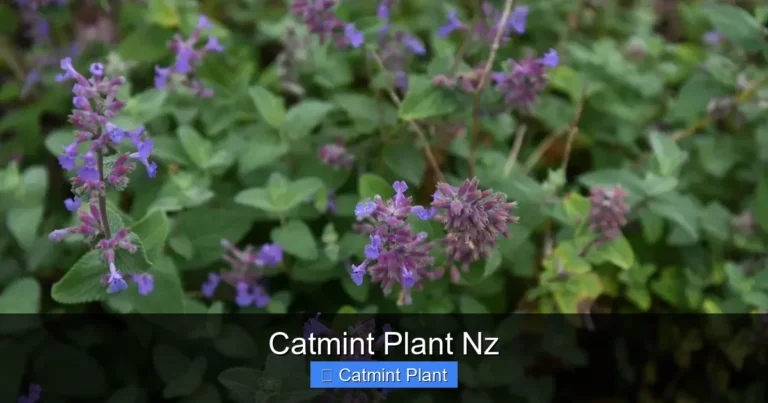
Uses for Catmint Plant
Catmint (Nepeta) is a versatile perennial herb that offers numerous benefits for gardeners, cooks, and natural health enthusiasts. From attracting pollinators and repelling pests to brewing calming teas and flavoring culinary dishes, this low-maintenance plant deserves a spot in every garden. Learn how to grow, harvest, and use catmint for maximum benefit throughout the seasons.
If you’ve ever walked past a garden border buzzing with bees and butterflies, chances are you’ve encountered catmint without even realizing it. This unassuming perennial herb, with its soft gray-green foliage and spikes of lavender-blue flowers, has been a garden favorite for centuries. But catmint offers so much more than just pretty blooms. The uses for catmint plant extend far beyond ornamental value, making it one of the most practical and rewarding herbs you can grow.
Whether you’re a seasoned gardener looking to boost pollinator activity, a home cook searching for new herbal flavors, or someone interested in natural remedies for stress and sleep, catmint delivers on all fronts. Best of all, it asks very little in return. This tough, drought-tolerant plant thrives in conditions that would kill fussier herbs, returning year after year with minimal care. Let’s explore the many ways this remarkable plant can enhance your garden, kitchen, and wellness routine.
Key Takeaways
- Catmint attracts beneficial pollinators: Bees, butterflies, and hummingbirds love the nectar-rich flowers, making it a pollinator garden essential.
- Natural pest deterrent: The strong aromatic oils repel mosquitoes, aphids, squash bugs, and even deer and rabbits from nearby plants.
- Calming herbal tea: Catmint tea promotes relaxation, aids digestion, and helps with sleep issues without the sedative effects of catnip on humans.
- Culinary versatility: Young leaves add a minty, slightly citrusy flavor to salads, soups, sauces, and herb butters.
- Easy to grow and maintain: Drought-tolerant, deer-resistant, and thriving in poor soil, catmint returns reliably year after year.
- Multiple harvests per season: Cut back after first bloom for a second flush of flowers and fresh foliage in late summer.
- Safe for pets (mostly): Unlike catnip, catmint doesn’t typically cause euphoric reactions in cats, though some may show mild interest.
Quick Answers to Common Questions
Is catmint the same as catnip?
No, catmint (Nepeta faassenii and related ornamental species) and catnip (Nepeta cataria) are different plants. Catnip contains high levels of nepetalactone that causes euphoric reactions in cats. Catmint has only trace amounts and is grown primarily for ornamental value, pollinator support, and herbal uses.
Can I eat catmint from my garden?
Yes, catmint leaves and flowers are edible. Use young, tender leaves for the best flavor — they have a mild minty taste with citrus notes. Avoid plants treated with pesticides not labeled for edibles. Rinse well before using. The flowers make pretty, edible garnishes for salads and desserts.
Does catmint come back every year?
Yes, catmint is a hardy perennial in USDA zones 3-8 (some varieties to zone 9). It dies back to the ground in winter and returns reliably each spring. With proper care — full sun, well-drained soil, and occasional division — plants live for many years.
How do I keep catmint from flopping over?
Flopping usually results from too much shade, overly rich soil, or lack of pruning. Ensure at least 6 hours of sun, avoid fertilizing, and perform the “Chelsea Chop” — cut plants back by half in late May. This creates bushier, stronger stems that stay upright.
Is catmint safe for pets?
Catmint is generally safe for dogs and cats. Unlike catnip, it doesn’t cause intense behavioral changes in cats — some may show mild interest, others ignore it entirely. Dogs typically show no interest. As with any plant, prevent excessive consumption which could cause mild digestive upset.
📑 Table of Contents
- Understanding Catmint: Not Just Catnip’s Cousin
- Garden Benefits: Why Every Yard Needs Catmint
- Harvesting and Preserving Catmint for Year-Round Use
- Culinary Adventures: Cooking with Catmint
- Wellness and Herbal Remedies: Traditional and Modern Uses
- Creative and Practical Household Uses
- Growing Catmint Successfully: Tips for Thriving Plants
- Seasonal Care Calendar
- Catmint in Different Garden Styles
- Conclusion: A Plant That Gives Back Tenfold
Understanding Catmint: Not Just Catnip’s Cousin
What Exactly Is Catmint?
Catmint belongs to the genus Nepeta, which includes roughly 250 species of perennial herbs in the mint family, Lamiaceae. While often confused with catnip (Nepeta cataria), catmint typically refers to ornamental species like Nepeta faassenii, Nepeta racemosa, and Nepeta x faassenii ‘Walker’s Low’ — the latter being a Perennial Plant of the Year winner. These varieties are bred for garden performance rather than feline appeal.
The key difference lies in the chemical composition. Catnip contains high levels of nepetalactone, the compound that sends cats into euphoric frenzies. Catmint contains only trace amounts, so your garden won’t become a neighborhood cat hangout. Instead, you get a well-behaved, long-blooming perennial that forms neat mounds of aromatic foliage topped with months of flowers.
Popular Catmint Varieties for Different Uses
Choosing the right variety depends on your primary goals. ‘Walker’s Low’ grows 24-30 inches tall and wide, making it perfect for middle-border planting and mass displays. ‘Junior Walker’ offers the same performance in a compact 18-inch package ideal for containers and small spaces. ‘Six Hills Giant’ reaches 3-4 feet tall, creating a dramatic backdrop. For ground cover, ‘Blue Wonder’ stays under 12 inches while spreading gently.
All varieties share the same basic characteristics: square stems, opposite gray-green leaves with scalloped edges, and tubular two-lipped flowers in shades of lavender, blue, pink, or white. The foliage releases a pleasant minty fragrance when brushed against, adding sensory appeal to pathways and seating areas.
Garden Benefits: Why Every Yard Needs Catmint
Pollinator Magnet Extraordinaire
One of the most celebrated uses for catmint plant is its ability to attract pollinators. The nectar-rich flowers bloom from late spring through fall, providing a consistent food source when many other plants have finished flowering. Honeybees, bumblebees, native solitary bees, butterflies, and hummingbirds all flock to catmint in droves.
Plant catmint near vegetable gardens to boost pollination rates for tomatoes, squash, cucumbers, and fruit trees. A single established clump can support dozens of pollinators simultaneously. For maximum impact, plant in groups of three or more. The massed flowers create a visual beacon that pollinators spot from a distance.
Natural Pest Control Without Chemicals
The strong essential oils that give catmint its fragrance also repel many common garden pests. Aphids, flea beetles, squash bugs, cucumber beetles, and Japanese beetles tend to avoid areas where catmint grows. Plant it as a border around vegetable beds or interplant among susceptible crops like roses, tomatoes, and brassicas.
Deer and rabbits also dislike the aromatic foliage, making catmint an excellent choice for unfenced gardens in wildlife-heavy areas. While no plant is completely deer-proof, catmint ranks among the most resistant perennials available. The fuzzy, pungent leaves simply don’t appeal to browsing animals.
Companion Planting Superstar
Catmint plays well with others in the garden. Its shallow root system doesn’t compete aggressively with deep-rooted neighbors. Pair it with roses — the catmint hides bare rose canes while deterring aphids and attracting beneficial insects that prey on rose pests. Combine with lavender, salvia, and Russian sage for a Mediterranean-style planting that thrives in hot, dry conditions.
In herb gardens, catmint grows harmoniously alongside thyme, oregano, and sage. Avoid planting near delicate seedlings that might be overwhelmed by its spreading habit. Give each plant 18-24 inches of space to accommodate mature width.
Erosion Control and Difficult Sites
Because catmint tolerates poor soil, drought, and neglect once established, it excels in challenging locations. Use it on slopes for erosion control — the fibrous root system holds soil effectively. Plant along driveways, mailboxes, and street-side beds where reflected heat and road salt kill less tolerant plants. It even handles juglone toxicity from black walnut trees, a rare trait among garden perennials.
Harvesting and Preserving Catmint for Year-Round Use
When and How to Harvest
Timing your harvest ensures the best flavor and potency. For culinary and medicinal uses, harvest leaves just before flowering begins, when essential oil concentrations peak. Choose a dry morning after dew has evaporated but before the sun gets hot. Cut stems 4-6 inches from the ground, leaving enough foliage for the plant to recover.
For flower harvests, snip spikes when about half the buds have opened. These make lovely fresh bouquets and dry beautifully for everlasting arrangements. Regular harvesting encourages bushier growth and often triggers a second bloom period in late summer.
Drying Methods for Long-Term Storage
Air drying works best for preserving catmint’s delicate oils. Bundle 5-8 stems together with rubber bands (which tighten as stems shrink) and hang upside down in a dark, well-ventilated space. A spare room, attic, or closet works well. Avoid direct sunlight, which degrades color and potency. Drying takes 1-2 weeks depending on humidity.
Once crisp-dry, strip leaves and flowers from stems. Store in airtight glass jars away from light and heat. Properly dried catmint retains quality for 12-18 months. Label jars with harvest date and variety for future reference.
Freezing for Fresh Flavor
Freezing preserves the bright, fresh flavor better than drying. Rinse harvested stems, pat dry thoroughly, and strip leaves. Spread in a single layer on a baking sheet and freeze until solid, then transfer to freezer bags. Alternatively, chop fresh leaves and pack into ice cube trays with water or olive oil. Pop out cubes as needed for soups, sauces, and teas.
Culinary Adventures: Cooking with Catmint
Flavor Profile and Best Uses
Catmint offers a complex flavor — minty but not aggressively so, with subtle citrus and floral notes and a slightly bitter finish. Think of it as a milder, more sophisticated cousin to spearmint. The young, tender leaves taste best; older foliage becomes tough and more bitter. Flowers are edible too, adding color and a hint of sweetness to dishes.
Because the flavor is delicate, add catmint at the end of cooking or use raw. Heat diminates the aromatic oils quickly. It pairs beautifully with lemon, garlic, yogurt, lamb, peas, new potatoes, and summer vegetables like zucchini and tomatoes.
Simple Recipes to Try
Catmint Yogurt Sauce: Combine 1 cup Greek yogurt, 2 tablespoons finely chopped fresh catmint, 1 minced garlic clove, juice of half a lemon, salt, and pepper. Chill 30 minutes for flavors to meld. Serve with grilled lamb, roasted vegetables, or as a dip for pita and crudités.
Spring Pea and Catmint Soup: Sauté 1 diced onion in butter until soft. Add 4 cups peas (fresh or frozen), 2 cups vegetable broth, and simmer 10 minutes. Blend until smooth, stir in 1/4 cup chopped catmint, season with salt and pepper. Serve hot or chilled with a dollop of crème fraîche.
Catmint Herb Butter: Soften 1/2 cup butter. Mix in 2 tablespoons chopped catmint, 1 tablespoon lemon zest, 1 minced garlic clove, salt, and pepper. Roll into a log on parchment paper, chill until firm. Slice rounds to top grilled steak, fish, corn on the cob, or warm crusty bread.
Catmint Pesto Variation: Replace half the basil in your favorite pesto recipe with catmint leaves. The result is lighter and more aromatic — fantastic on pasta, grilled chicken, or spread on sandwiches.
Beverages Beyond Tea
Muddle fresh catmint leaves in iced tea, lemonade, or sparkling water for a refreshing summer drink. Add to gin and tonics or mojitos for an herbal twist. Infuse simple syrup with catmint (simmer 1 cup sugar, 1 cup water, 1/2 cup leaves for 5 minutes, strain) to sweeten cocktails, fruit salads, or baked goods.
Wellness and Herbal Remedies: Traditional and Modern Uses
Calming Tea for Stress and Sleep
One of the most popular uses for catmint plant is brewing a relaxing herbal tea. Catmint contains compounds that act as mild nervines — herbs that soothe the nervous system without causing drowsiness. A cup before bed can ease the transition to sleep. During the day, it takes the edge off anxiety without impairing focus.
To prepare: steep 1-2 teaspoons dried catmint (or 1 tablespoon fresh) in 8 ounces of just-boiled water for 5-10 minutes. Cover while steeping to retain volatile oils. Sweeten with honey if desired. Drink 1-3 cups daily. Many people find catmint tea gentler than chamomile or valerian, with no morning grogginess.
Digestive Support
Traditional herbalists have long used catmint for digestive complaints. The antispasmodic properties help relieve gas, bloating, and mild cramping. A warm cup after meals aids digestion, especially after rich or heavy foods. For children with nervous stomachs or colic, a very weak tea (1/4 teaspoon per cup) is a traditional remedy — though always consult a pediatrician first.
Fever and Cold Support
Catmint acts as a gentle diaphoretic, meaning it promotes sweating. This can help break low-grade fevers naturally during colds and flu. Combined with elderflower and yarrow, it forms a classic herbal fever formula. The antimicrobial and anti-inflammatory properties may also help fight respiratory infections.
For congestion, try a steam inhalation: place a handful of fresh or dried catmint in a bowl, pour boiling water over it, drape a towel over your head, and inhale the aromatic steam for 5-10 minutes. This opens sinuses and soothes irritated membranes.
Topical Applications
Catmint’s antimicrobial and astringent properties make it useful for minor skin issues. A strong tea cooled to room temperature can be used as a wash for minor cuts, scrapes, and insect bites. Some herbalists infuse catmint in oil or witch hazel for a soothing after-sun spray or scalp rinse for itchy, flaky conditions.
To make an infused oil: pack a jar with wilted fresh catmint (let fresh herbs wilt 12 hours to reduce moisture), cover with olive or jojoba oil, and let sit in a warm spot for 2-4 weeks, shaking daily. Strain and use in salves, lotions, or directly on skin.
Safety and Precautions
While generally safe, catmint should be avoided during pregnancy as it may stimulate uterine contractions. People taking sedative medications should use caution due to potential additive effects. Those with mint family allergies should test a small amount first. As with any herb, moderation is key — excessive consumption may cause headaches or digestive upset in sensitive individuals.
Creative and Practical Household Uses
Natural Insect Repellent
The same compounds that repel garden pests work on mosquitoes and flies too. Crush fresh leaves and rub on exposed skin for temporary protection. For a longer-lasting spray, steep 1 cup fresh catmint leaves in 2 cups boiling water for 30 minutes, strain, add 1/2 cup witch hazel or vodka as preservative, and bottle in a spray container. Reapply every 1-2 hours outdoors.
Dried catmint sachets tucked into drawers and closets deter moths and silverfish. Refresh by crushing the sachet occasionally to release more oils. Place sachets in stored woolens, seasonal clothing, and linen closets.
Cat Enrichment (Without the Crazy)
While catmint doesn’t induce the wild response of catnip, many cats still enjoy rubbing against the plants, chewing leaves, or napping nearby. Plant a patch specifically for your feline friends — they’ll appreciate the sensory stimulation without the hyperactivity. It’s also safer for indoor cats than many houseplants.
If your cat shows no interest, don’t worry. Response is genetic — about 30% of cats lack the receptor for nepetalactone. Those cats simply ignore both catnip and catmint.
Floral Arrangements and Crafts
Catmint stems add airy, romantic texture to bouquets. The flowers dry exceptionally well, retaining their color for months. Harvest for drying when flowers are fully open but before they start to fade. Hang small bundles upside down in a dark, dry space.
Use dried catmint in wreaths, potpourri, and herbal sachets. Combine with lavender, rose buds, and chamomile for a classic sleep pillow blend. The stems also work well in pressed flower projects — the individual florets press flat and retain their purple-blue hue beautifully.
Natural Dye Experiments
For fiber artists, catmint yields subtle green-yellow dyes on wool and silk with alum mordant. Different parts produce different shades — leaves give greener tones, flowers more yellow. While not a primary dye plant, it’s a fun addition to an eco-printing or natural dye garden. Experiment with iron and copper modifiers to shift colors toward olive and brown.
Growing Catmint Successfully: Tips for Thriving Plants
Site Selection and Soil Preparation
Catmint thrives in full sun — at least 6 hours of direct light daily. It tolerates light shade but flowers less and may flop. Soil should drain well; wet feet cause root rot. If your soil is heavy clay, amend with compost and coarse sand, or plant in raised beds. Catmint actually prefers lean soil — rich soil produces lush foliage but fewer flowers and weaker stems.
Test drainage by digging a 12-inch hole, filling with water, and timing how long it takes to drain. If it’s more than a few hours, improve drainage or choose a different spot. A slightly alkaline to neutral pH (6.5-7.5) is ideal, but catmint adapts to a wide range.
Planting and Establishment
Spring and early fall are the best planting times. Space plants 18-24 inches apart depending on variety. Water regularly for the first 4-6 weeks until roots establish. After that, catmint is remarkably drought-tolerant. Mulch with gravel or coarse bark to keep crowns dry — organic mulches that retain moisture can cause crown rot in humid climates.
For container growing, choose a pot at least 12 inches wide with drainage holes. Use a gritty potting mix — 2 parts potting soil, 1 part perlite or coarse sand. Container plants need more frequent watering and occasional feeding with a balanced organic fertilizer at half strength.
Maintenance for Maximum Blooms
The secret to months of flowers is the “Chelsea Chop” — cutting plants back by half in late May or early June (around the time of the Chelsea Flower Show in England). This delays flowering by a few weeks but produces bushier plants with more stems and ultimately more blooms. It also prevents the center from dying out.
After the first flush finishes in midsummer, shear the entire plant back to 6-8 inches. Water well and apply a light compost top-dressing. You’ll be rewarded with fresh foliage and a second bloom period lasting into fall. In late fall or early spring, cut dead stems to the ground before new growth emerges.
Division and Propagation
Every 3-4 years, divide clumps in early spring to maintain vigor. Dig the entire plant, pull or cut into sections with healthy roots and shoots, and replant immediately. Water well. This rejuvenates older plants and gives you free plants to share or expand your garden.
Catmint also roots easily from softwood cuttings taken in late spring. Snip 4-6 inch non-flowering stems, remove lower leaves, dip in rooting hormone, and plant in moist perlite. Cover with a plastic bag to maintain humidity. Roots form in 2-3 weeks.
Troubleshooting Common Issues
Catmint is remarkably trouble-free, but a few issues can arise. Powdery mildew appears as white dust on leaves in humid conditions with poor air circulation. Prevent by spacing properly, watering at soil level, and choosing resistant varieties like ‘Walker’s Low’. If it appears, remove affected leaves and spray with a milk solution (1 part milk to 9 parts water) weekly.
Root rot from overwatering or poor drainage shows as wilting despite moist soil, yellowing leaves, and blackened roots. Improve drainage immediately and reduce watering. Severely affected plants rarely recover.
Flopping stems usually indicate too much shade, rich soil, or lack of the Chelsea Chop. Stake early if needed, but correcting cultural conditions works better long-term.
Seasonal Care Calendar
Spring: Awakening and Preparation
As new growth emerges, remove any winter mulch from crowns to prevent rot. Apply a thin layer of compost around plants — no heavy fertilizing needed. This is the ideal time to divide established clumps. If you didn’t cut back in fall, do it now before new growth gets tall.
Summer: Peak Performance
Enjoy the first bloom flush starting in late spring. Deadhead spent flower spikes to encourage rebloom, or shear the whole plant after the first wave for a tidier second flush. Water during extended droughts, especially in the first year. Harvest leaves regularly for kitchen and apothecary use.
Fall: Second Act and Cleanup
The post-shear bloom often peaks in September-October, providing crucial late-season nectar for pollinators. Stop harvesting leaves 6 weeks before your first frost to let plants harden off. Leave stems standing through winter — they protect crowns and provide habitat for beneficial insects.
Winter: Dormancy and Planning
In cold climates (zones 3-4), a light mulch of straw or evergreen boughs applied after the ground freezes helps prevent frost heaving. Use this downtime to plan next year’s garden — consider new varieties, companion plantings, or expanding your catmint patch.
Catmint in Different Garden Styles
Cottage Garden Classic
No cottage garden is complete without catmint’s soft mounds spilling over paths and mingling with roses, foxgloves, delphiniums, and hardy geraniums. Its informal habit fits the relaxed aesthetic perfectly. Let it self-sow gently for a naturalized look, or deadhead to control spread.
Modern and Minimalist Designs
For contemporary gardens, use catmint in mass plantings of a single variety. ‘Walker’s Low’ or ‘Junior Walker’ planted in drifts of 7-9 creates strong architectural lines. The repetitive form and consistent color provide calm visual rhythm. Pair with ornamental grasses like Calamagrostis ‘Karl Foerster’ for textural contrast.
Mediterranean and Xeriscape Gardens
Catmint’s drought tolerance makes it a star in water-wise landscapes. Combine with lavender, rosemary, thyme, sage, and Perovskia (Russian sage) for a silver-and-blue palette that thrives on neglect. Mulch with gravel to reflect heat and keep crowns dry.
Pollinator and Wildlife Gardens
Design a season-long pollinator buffet by pairing catmint with early bloomers (salvia, nepeta ‘Blue Wonder’), mid-season stars (coneflower, bee balm, butterfly weed), and late-season anchors (sedum, aster, goldenrod). Catmint bridges the June gap when spring bulbs finish and summer perennials haven’t peaked.
Container and Small-Space Gardens
Compact varieties like ‘Junior Walker’, ‘Blue Wonder’, and ‘Kit Kat’ thrive in containers on patios, balconies, and rooftops. Use large pots (minimum 12 inches) with excellent drainage. Group containers for visual impact and easier watering. Underplant with trailing annuals like calibrachoa or sweet alyssum.
Conclusion: A Plant That Gives Back Tenfold
After exploring the many uses for catmint plant, it’s clear this humble perennial earns its keep many times over. Few plants offer such a complete package: months of pollinator-friendly flowers, natural pest protection, culinary versatility, gentle wellness support, and near-zero maintenance requirements. Whether you have acres of gardens or a single patio pot, there’s a catmint variety and a use case that fits your life.
Start small if you’re new to this herb — one plant in a sunny spot, harvested for tea and watched for pollinator visits. As you experience its charms firsthand, you’ll likely find yourself making room for more. The bees will thank you. Your dinner guests will ask about that intriguing flavor in the sauce. And on stressful evenings, a warm mug of catmint tea might become your favorite ritual.
Gardening is ultimately about relationship — with plants, with the ecosystem, with the seasons. Catmint invites that relationship with open arms (or rather, open flowers). It asks for so little and gives so generously. In a world of high-maintenance everything, that’s a rare and precious gift. Plant some catmint this season. Your garden, your kitchen, and your nervous system will all be better for it.
Frequently Asked Questions
What are the main uses for catmint plant in the garden?
Catmint serves multiple garden purposes: it attracts bees, butterflies, and hummingbirds with its nectar-rich flowers; repels pests like aphids, squash bugs, and deer with its aromatic oils; works as a companion plant for roses and vegetables; controls erosion on slopes; and thrives in difficult sites like hellstrips and under black walnut trees.
How do I make catmint tea and what are its benefits?
Steep 1-2 teaspoons dried catmint (or 1 tablespoon fresh) in 8 ounces of just-boiled water for 5-10 minutes, covered. Catmint tea promotes relaxation, aids sleep, soothes digestion, and may help with mild fevers and congestion. It’s gentler than many sedative herbs with no morning grogginess.
Can catmint be used in cooking like other culinary herbs?
Yes, catmint adds a mild minty-citrus flavor to dishes. Use young leaves in yogurt sauces, herb butters, pestos, soups, salads, and beverages. Add at the end of cooking as heat diminishes the delicate oils. Flowers are also edible and make attractive garnishes.
When is the best time to harvest catmint for drying?
Harvest leaves just before flowering begins, when essential oils peak. Choose a dry morning after dew evaporates. For flowers, cut when half the buds are open. Dry bundles upside down in a dark, ventilated space for 1-2 weeks, then store in airtight jars away from light.
How do I propagate catmint to get more plants?
Divide established clumps every 3-4 years in early spring, ensuring each section has healthy roots and shoots. Alternatively, take 4-6 inch softwood cuttings in late spring, remove lower leaves, dip in rooting hormone, and root in moist perlite under humidity. Both methods yield plants identical to the parent.
What growing conditions does catmint need to thrive?
Catmint needs full sun (6+ hours), well-drained soil (lean soil preferred over rich), and minimal water once established. It tolerates drought, poor soil, heat, and cold (zones 3-8). Avoid wet feet and heavy mulch around crowns. Shear after first bloom for a second flush and to maintain compact form.