
How to Plant Catmint and Lambs Ear
Catmint and lambs ear are drought-tolerant perennials that thrive in full sun and well-drained soil. Plant them in spring or fall, space 18-24 inches apart, and water deeply until established for years of silvery foliage and purple blooms.
If you want a garden that looks great from spring through fall without demanding constant attention, you cannot go wrong with catmint and lambs ear. These two perennials are garden workhorses. They bring texture, color, and pollinator appeal while asking very little in return. I have grown both in my own beds for years, and they never disappoint.
This guide walks you through everything you need to know about how to plant catmint and lambs ear successfully. We will cover site selection, soil preparation, planting steps, ongoing care, and design ideas. Whether you are a beginner or a seasoned gardener looking to add reliable performers, you will find practical tips you can use right away.
Key Takeaways
- Plant in full sun: Both catmint and lambs ear need at least six hours of direct sunlight daily for best growth and flowering.
- Well-drained soil is essential: These plants hate wet feet; amend heavy clay with compost or grit to improve drainage.
- Space plants 18 to 24 inches apart: Proper spacing allows air circulation and prevents fungal issues.
- Water deeply but infrequently: Once established, both plants are highly drought tolerant and prefer dry conditions.
- Cut back after first bloom: Shearing catmint encourages a second flush of flowers and keeps plants tidy.
- Divide every three to four years: Division rejuvenates crowded clumps and gives you free plants for other garden spots.
- Pair with complementary plants: Combine with salvia, coneflower, or ornamental grasses for a long-season display.
Quick Answers to Common Questions
When is the best time to plant catmint and lambs ear?
Spring and fall are ideal. Spring gives roots a full season to establish. Fall works in zones 6 and warmer if planted six weeks before frost.
How far apart should I space catmint and lambs ear?
Space catmint 18 to 24 inches apart. Space lambs ear 12 to 18 inches apart. Stagger them for a natural look when planting together.
Do catmint and lambs ear need fertilizer?
No. They prefer lean soil. Too much fertilizer causes floppy growth. A light compost side-dressing in spring is plenty for poor soils.
Why is my catmint flopping open in the middle?
Flopping usually means too much shade, water, or fertilizer. Move to full sun, reduce watering, stop fertilizing, and shear after the first bloom.
Should I cut off lambs ear flower spikes?
It is personal preference. Removing them keeps the foliage carpet dense and improves air flow in humid climates. Leaving them feeds pollinators.
📑 Table of Contents
Getting to Know Catmint and Lambs Ear
What Is Catmint?
Catmint (Nepeta) is a member of the mint family, but it does not spread aggressively like culinary mint. It forms neat mounds of aromatic, gray-green foliage topped with spikes of lavender-blue flowers. The most popular variety, ‘Walker’s Low,’ was named Perennial Plant of the Year in 2007. It blooms from late spring into early fall if you shear it back after the first flush.
Bees, butterflies, and hummingbirds love catmint. Deer and rabbits usually leave it alone thanks to its scented leaves. It is hardy in USDA zones 3 through 8, making it a versatile choice for many climates.
What Is Lambs Ear?
Lambs ear (Stachys byzantina) is grown primarily for its incredible foliage. The leaves are thick, soft, and covered in silvery-white hairs that feel like velvet. Children love to pet them. In early summer, the plant sends up tall spikes of small purple-pink flowers, though many gardeners remove these to keep the focus on the foliage.
Lambs ear is a ground-hugging spreader that forms a dense mat. It excels at suppressing weeds. Like catmint, it is deer resistant and drought tolerant once established. It thrives in zones 4 through 9.
Why Plant Them Together?
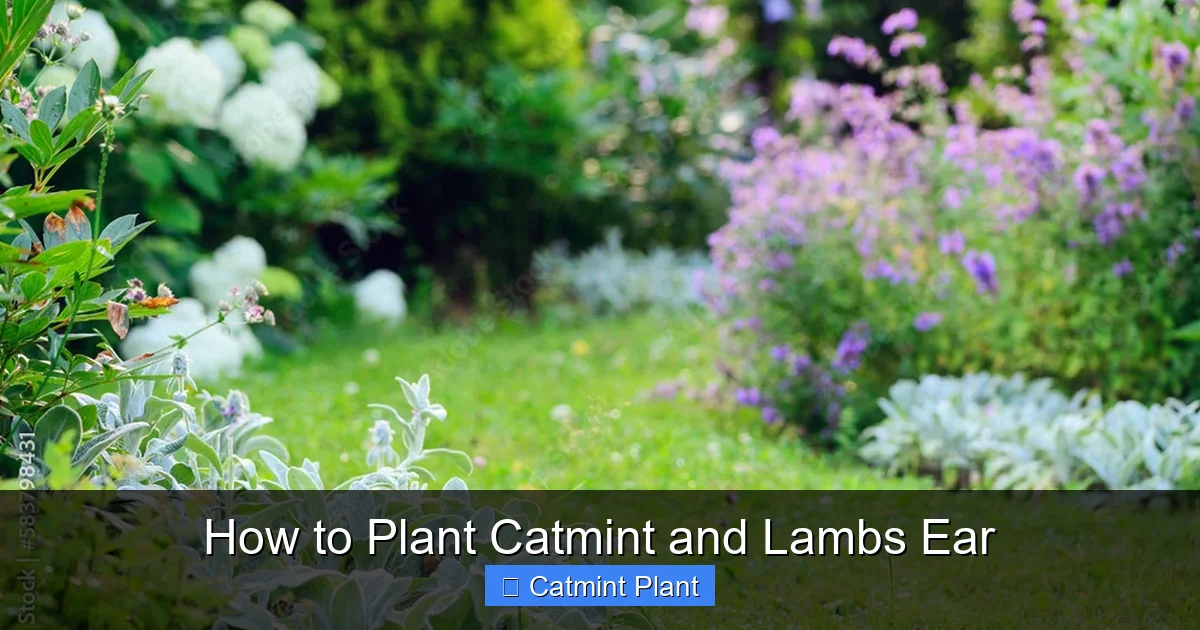
Catmint and lambs ear make natural partners. Both prefer the same conditions: full sun, lean soil, and sharp drainage. Their forms contrast beautifully. Catmint grows upright and airy, while lambs ear stays low and spreading. The cool purple flowers of catmint pop against the silvery carpet of lambs ear. Together, they create a long-season tapestry of texture and color.
Choosing the Perfect Spot for Your Plants
Sun Requirements
Full sun is non-negotiable for both plants. They need at least six hours of direct sunlight each day. Eight hours is even better. In hot southern climates, a touch of afternoon shade can prevent leaf scorch on lambs ear, but too much shade leads to floppy growth and fewer flowers on catmint.
Visual guide about How to Plant Catmint and Lambs Ear
Image source: as1.ftcdn.net
If your garden has only partial sun, you might still succeed with catmint. It tolerates light shade better than lambs ear. But for the classic pairing, choose your sunniest bed.
Drainage Is Everything
The number one killer of catmint and lambs ear is wet soil, especially in winter. These plants come from Mediterranean and Central Asian regions with dry summers and well-drained soils. Heavy clay that stays soggy will rot their crowns.
Before planting, do a simple drainage test. Dig a hole 12 inches deep and fill it with water. Let it drain, then fill it again. If the second fill takes more than a few hours to drain, you have a drainage problem. You will need to amend the soil or build raised beds.
Soil Fertility Preferences
Here is a surprise: catmint and lambs ear prefer poor to average soil. Rich, heavily fertilized soil produces lush, weak growth that flops over and attracts pests. Lean soil encourages compact habits and stronger essential oils, which boost deer resistance and fragrance.
If your soil is very sandy or very clayey, amend with compost. But skip the manure and high-nitrogen fertilizers. A light handful of balanced organic fertilizer at planting time is plenty.
Air Circulation Matters
Good air flow reduces fungal diseases like powdery mildew and leaf spot. Space plants according to their mature width. Avoid crowding them against walls, fences, or dense shrubs. A gentle breeze through the foliage keeps leaves dry and healthy.
Preparing Your Soil for Success
Testing and Amending
Start with a soil test if you have never tested your bed. Your local extension office offers affordable kits. The results will tell you pH and nutrient levels. Catmint and lambs ear prefer a pH between 6.0 and 7.5, slightly acidic to neutral.
If your soil is heavy clay, mix in coarse sand, fine gravel, or expanded shale along with compost. Aim for a 50-50 mix of native soil and amendments in the planting hole. For sandy soil, add compost to improve moisture retention. In both cases, work amendments 12 to 18 inches deep.
Creating Raised Beds or Mounds
If drainage cannot be improved easily, build raised beds or planting mounds. A mound 8 to 12 inches high and 3 feet wide gives roots the drainage they need. Use a mix of topsoil, compost, and grit. This technique is especially helpful in regions with wet winters.
Weed Removal
Clear the planting area of all weeds, especially perennial weeds like bindweed or Bermuda grass. These will be nearly impossible to remove once your catmint and lambs ear fill in. Hand-pull or use a fork to remove roots. Avoid tilling, which can bring weed seeds to the surface.
Mulch Preparation
Have your mulch ready before you plant. Gravel, pea stone, or crushed shells are ideal mulches for these Mediterranean natives. They reflect heat, improve drainage at the crown, and look attractive. Organic mulches like shredded bark work too, but keep them pulled back from the plant crowns to prevent rot.
Step-by-Step Planting Guide
When to Plant
Spring and fall are the best times for how to plant catmint and lambs ear. Spring planting gives roots a full season to establish before winter. Fall planting works well in zones 6 and warmer, where the ground stays workable. Avoid planting in summer heat or when the ground is frozen.
If you buy plants in summer, keep them in pots in a shaded spot and water daily until planting time. Fall-planted perennials should go in at least six weeks before your average first frost date.
Spacing Guidelines
Space catmint plants 18 to 24 inches apart. ‘Walker’s Low’ reaches about 24 inches wide. Compact varieties like ‘Junior Walker’ or ‘Cat’s Pajamas’ can go 15 inches apart. Lambs ear spreads 12 to 18 inches, so space starter plants 12 inches apart for a quick ground cover, or 18 inches if you are patient.
When planting them together, stagger the plants. Place catmint toward the back or center of the bed, with lambs ear as a front-edge carpet. This mimics their natural growth habits and looks more organic than straight rows.
Planting Depth and Technique
- Water your potted plants thoroughly an hour before planting. This reduces transplant shock.
- Dig a hole twice as wide as the pot and just as deep.
- Gently remove the plant from its pot. If roots are circling, tease them apart with your fingers.
- Place the plant in the hole. The top of the root ball should sit level with the surrounding soil. Planting too deep buries the crown and invites rot.
- Backfill with your amended soil. Firm gently with your hands to eliminate air pockets.
- Water deeply to settle the soil around the roots.
- Apply a 1-inch layer of gravel mulch, keeping it away from the crown.
Planting from Seed
You can grow both plants from seed, but it takes patience. Catmint seeds need light to germinate. Press them onto the surface of moist seed-starting mix. Do not cover. Keep at 65 to 70 degrees Fahrenheit. Germination takes 7 to 14 days. Transplant seedlings after they have two sets of true leaves.
Lambs ear seeds also need light. Start indoors 8 to 10 weeks before last frost. They germinate in 14 to 21 days. Seed-grown lambs ear may not be as uniformly silver as named cultivars like ‘Helen von Stein’ or ‘Big Ears,’ which are propagated by division.
Container Planting
Both plants thrive in containers if drainage is excellent. Use a pot at least 12 inches wide with multiple drainage holes. Fill with a gritty mix: two parts potting soil, one part perlite or coarse sand. Water when the top inch of soil feels dry. Fertilize once in spring with a slow-release balanced fertilizer. In cold zones, move pots to an unheated garage for winter.
Caring for Your New Plants
Watering During Establishment
The first growing season is critical. Water deeply once or twice a week, depending on rainfall. Deep watering encourages roots to chase moisture downward, building drought resilience. Check soil moisture by sticking your finger 2 inches deep. If it feels dry, water.
By the second year, you can cut back to watering only during extended dry spells. Established catmint and lambs ear often survive on rainfall alone. Overwatering is far more dangerous than underwatering for these plants.
Fertilizing: Less Is More
Skip the fertilizer after the first year. If your soil is extremely poor, a light side-dressing of compost in early spring is fine. Too much nitrogen produces soft, floppy growth that collapses in rain and attracts aphids. Lean conditions keep plants compact and aromatic.
Deadheading and Shearing Catmint
After the first heavy bloom in early summer, catmint looks tired. Shear the whole plant back by one-third to one-half using hedge shears or scissors. This looks drastic, but within two weeks you will see fresh foliage and a second wave of flowers.
If you skip shearing, the plant gets leggy and the center opens up. You can also deadhead individual spent spikes, but shearing is faster and rejuvenates the whole plant. Stop shearing by early August so the plant can harden off before frost.
Managing Lambs Ear Flowers
Lambs ear flower spikes can reach 18 inches. Some gardeners love them for vertical interest and bee forage. Others find them gangly and remove them to keep the foliage carpet dense. There is no right answer. If you remove them, cut at the base as soon as they appear.
In humid climates, removing flower spikes improves air flow and reduces fungal issues. In dry climates, leaving them is fine. The flowers attract pollinators and add a different texture.
Dividing and Transplanting
Every three to four years, catmint centers become woody and flower production drops. Lambs ear develops dead patches in the middle. Spring is the best time to divide.
Dig up the whole clump. Use a sharp spade or knife to cut into sections, each with roots and shoots. Discard the woody center. Replant the vigorous outer pieces at the same depth. Water well. Division gives you free plants to expand your bed or share with friends.
Winter Care
In cold zones, leave the dead foliage in place over winter. It insulates the crown. Cut back catmint to 3 inches in early spring before new growth emerges. Rake out dead lambs ear leaves gently with your fingers or a soft rake. Do not pull hard, or you will uproot the shallow rhizomes.
In wet winter climates, a cloche or cold frame over lambs ear can prevent crown rot. Ensure ventilation on warm days.
Design Ideas and Companion Planting
Cottage Garden Style
Pair catmint and lambs ear with old-fashioned favorites. Pink shrub roses, purple coneflower (Echinacea), and white Shasta daisies create a romantic, billowy look. Add lady’s mantle (Alchemilla) at the front for chartreuse flowers that catch dew. The silvery lambs ear ties the palette together.
Mediterranean Gravel Garden
This is their native habitat. Plant in a bed of pea gravel with lavender, rosemary, thyme, and ornamental oregano. Use large rocks as accents. The gravel mulch keeps crowns dry and reflects heat. This design needs almost zero water once established.
Modern Minimalist
Plant massed blocks of catmint and lambs ear in geometric beds edged with steel. Repeat the same two plants for a calm the eye. Add a single specimen grass like feather reed grass (Calamagrostis ‘Karl Foerster’) for vertical punctuation. The limited palette reads as intentional and sophisticated.
Pollinator Paradise
Catmint is a magnet for bees, butterflies, and hummingbirds. Extend the season by adding early bloomers like catmint’s cousin, catnip (Nepeta cataria), and late bloomers like sedum ‘Autumn Joy’ and asters. Include a shallow water dish with stones for landing pads. Avoid pesticides entirely.
Edging and Pathways
Lambs ear makes a superb edging plant along paths. Its soft leaves invite touch. Plant it where it will spill slightly over the edge. Catmint works well as a taller edging behind it. Both tolerate light foot traffic once established, though lambs ear can get crushed if walked on regularly.
Container Combinations
In a large trough, plant catmint in the center, surrounded by lambs ear spilling over the edges. Add a trailing annual like white bacopa or silver dichondra for extra length. This combination looks great on a sunny patio and needs minimal care.
Troubleshooting Common Problems
Floppy Catmint
If your catmint flops open in the center, it usually means too much shade, too much water, or too much fertilizer. Move it to full sun, cut back watering, and stop fertilizing. Shearing after the first bloom also prevents flopping by keeping growth dense.
Yellowing Lambs Ear Leaves
Yellow leaves usually signal overwatering or poor drainage. Check the soil. If it stays wet, improve drainage or move the plant. In humid summers, lower leaves may yellow naturally as the plant goes semi-dormant. Remove them to improve air flow.
Powdery Mildew
This white fungal coating appears in humid, crowded conditions. Space plants properly. Water at the base, not overhead. Remove affected leaves. A spray of 1 part milk to 9 parts water applied weekly can suppress mildew organically.
Crown Rot
Plants wilt and die suddenly, often in spring after wet winters. The crown turns brown and mushy. Prevention is the only cure: sharp drainage, gravel mulch, and no winter wet. If you lose a plant, do not replant the same spot without fixing drainage.
Aphids on New Growth
Aphids sometimes cluster on tender catmint shoots in spring. Blast them off with a strong jet of water. Ladybugs and lacewings usually arrive soon after to clean up. Avoid insecticides, which kill beneficial insects too.
Rabbits Eating Lambs Ear
While generally rabbit resistant, hungry rabbits may nibble lambs ear in early spring when other food is scarce. A temporary fence or repellent spray protects young plants. Once established, the fuzzy texture usually deters them.
Seasonal Care Calendar
Early Spring (March to April)
- Cut back dead catmint stems to 3 inches.
- Gently rake dead leaves from lambs ear.
- Apply a thin layer of compost around plants if soil is poor.
- Divide crowded clumps.
Late Spring (May to June)
- Watch for first catmint bloom.
- Remove lambs ear flower spikes if desired.
- Water new plantings deeply during dry spells.
- Mulch with gravel if not done at planting.
Summer (July to August)
- Shear catmint after first bloom flush.
- Water only during extreme drought.
- Remove any diseased foliage promptly.
- Enjoy the pollinator show.
Fall (September to October)
- Stop shearing catmint by early August.
- Plant new divisions or nursery plants.
- Reduce watering as temperatures cool.
- Leave foliage standing for winter protection.
Winter (November to February)
- No care needed in most zones.
- In wet climates, check for crown rot after thaws.
- Plan next year’s additions.
- Order seeds or plants for spring.
Conclusion
Learning how to plant catmint and lambs ear opens the door to a garden that is beautiful, resilient, and alive with pollinators. These two perennials ask so little: sun, drainage, and a bit of space. In return, they give you months of flowers, touchable foliage, and a planting combination that looks designed by a pro.
Start with a small patch if you are new to them. Watch how they perform through the seasons. You will likely find yourself digging up more lawn to make room for them. Their carefree nature and classic good looks make them staples in gardens across the country.
Remember the key points. Choose full sun. Fix drainage before you plant. Space them well. Water deeply at first, then step back. Shear catmint for a second bloom. Divide every few years. And most importantly, enjoy the process. Gardening with catmint and lambs ear is gardening at its most rewarding.
Whether you tuck them along a pathway, mass them on a slope, or feature them in a gravel garden, these plants will not disappoint. They are the friends who show up early, stay late, and never ask for much. Plant them once, and they will grace your garden for years to come.
Frequently Asked Questions
Can catmint and lambs ear grow in shade?
Both plants need full sun (at least six hours) for best growth. Catmint tolerates light shade but blooms less. Lambs ear becomes sparse and prone to rot in shade.
Are catmint and lambs ear deer resistant?
Yes. Their aromatic, fuzzy foliage deters deer and rabbits. No plant is completely deer-proof, but these are rarely browsed except in extreme hunger.
How often should I water established catmint and lambs ear?
Established plants are drought tolerant. Water only during extended dry spells of two weeks or more. Overwatering causes more problems than underwatering.
Can I grow catmint and lambs ear in containers?
Yes. Use pots at least 12 inches wide with excellent drainage. A gritty mix (two parts potting soil, one part perlite) works best. Water when the top inch is dry.
Why are my lambs ear leaves turning yellow and mushy?
This indicates crown rot from poor drainage or overwatering. Improve drainage immediately. Remove affected leaves. In wet climates, use gravel mulch and avoid organic mulch near crowns.
How do I propagate catmint and lambs ear?
Divide established clumps in early spring every three to four years. Catmint can also be grown from seed or softwood cuttings in early summer. Lambs ear cultivars must be divided to stay true to type.


