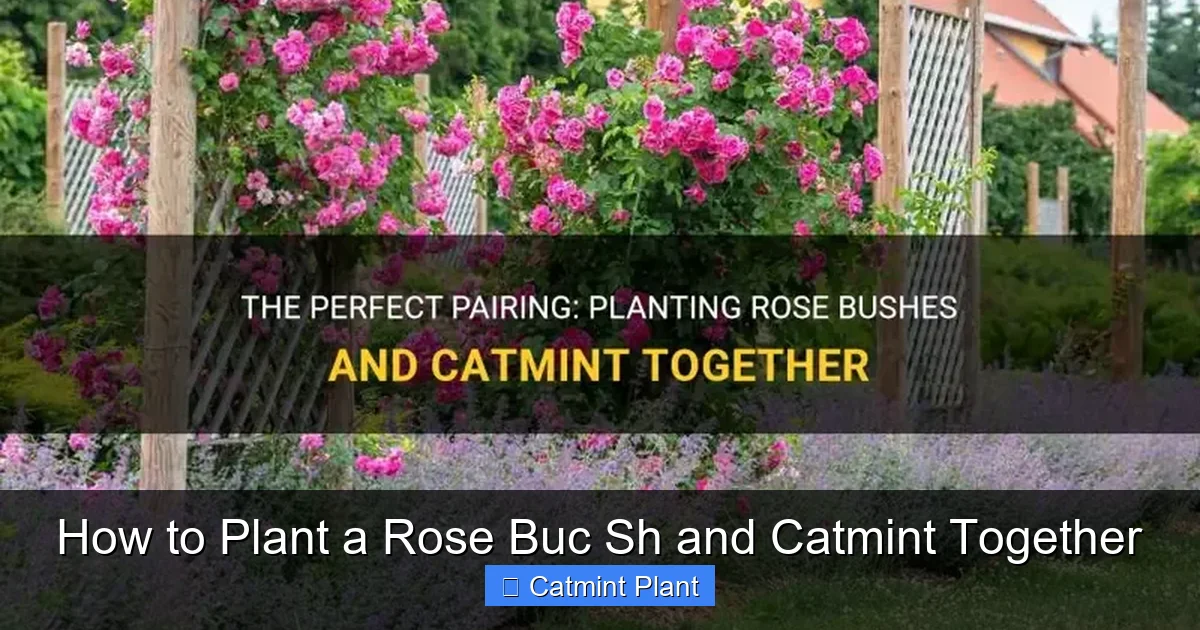
How to Plant a Rose Buc Sh and Catmint Together
Planting rose bush and catmint together creates a beautiful, low-maintenance garden pairing that benefits both plants. Catmint repels pests, attracts pollinators, and hides bare rose canes while thriving in similar conditions. This guide covers everything from site selection and soil prep to spacing, watering, and seasonal care for a thriving companion planting combination.
Key Takeaways
- Perfect companions: Catmint repels aphids and Japanese beetles while attracting beneficial pollinators to your roses
- Similar needs: Both plants love full sun, well-draining soil, and moderate water once established
- Space properly: Plant catmint 18-24 inches from rose base to prevent crowding and ensure good airflow
- Prune for performance: Cut catmint back after first bloom for a second flush that coincides with rose season
- Mulch matters: Apply 2-3 inches of organic mulch around both plants, keeping it away from stems
- Fertilize wisely: Feed roses in spring; catmint needs little to no fertilizer for best flowering
- Design impact: Catmint’s soft purple-blue spikes beautifully contrast rose blooms and hide thorny lower canes
Quick Answers to Common Questions
How far apart should I plant catmint from my rose bush?
Plant catmint 18-24 inches from the base of the rose bush, measured center to center. This prevents crowding and ensures good airflow for both plants.
Does catmint really repel rose pests?
Yes, catmint’s aromatic oils help repel aphids, Japanese beetles, and other common rose pests while attracting beneficial insects like hoverflies and parasitic wasps.
When should I cut back catmint for a second bloom?
Shear catmint back by half to two-thirds immediately after its first heavy bloom fades, usually early July. This triggers fresh growth and flowers within 2-3 weeks.
Can I fertilize catmint the same way as roses?
No. Catmint needs little to no fertilizer. Too much nitrogen causes floppy growth and fewer flowers. A shovelful of compost in spring is plenty for catmint.
What catmint variety is best for small rose bushes?
‘Cat’s Pajamas’, ‘Cat’s Meow’, or ‘Junior Walker’ are compact varieties (15-20 inches) that won’t overwhelm miniature or compact roses like Drift series.
📑 Table of Contents
- Why Rose Bush and Catmint Make Perfect Garden Partners
- Choosing the Right Varieties for Your Garden
- Site Selection and Soil Preparation
- Step-by-Step Planting Process
- Ongoing Care Through the Seasons
- Design Ideas and Companion Planting
- Troubleshooting Common Problems
- Seasonal Calendar for Rose and Catmint Care
- Conclusion
Why Rose Bush and Catmint Make Perfect Garden Partners
If you have ever walked through a cottage garden in June, you have likely seen this classic combination. Rose bush and catmint together create one of those magical plant partnerships that just works. The roses bring drama, fragrance, and romantic blooms. The catmint brings soft clouds of lavender-blue flowers, aromatic foliage, and a relaxed habit that softens the stiff architecture of rose canes.
But this pairing is not just about good looks. These two plants genuinely help each other thrive. Catmint acts like a living mulch, shading the soil around rose roots and keeping them cool. Its strong scent confuses and repels common rose pests like aphids and Japanese beetles. Meanwhile, the catmint flowers bring in bees, hoverflies, and parasitic wasps that patrol your roses for trouble. It is a textbook example of companion planting at its finest.
I first tried this combination five years ago in my own zone 6 garden. I had a ‘Knock Out’ rose that looked a bit lonely and leggy at the base. I tucked three ‘Walker’s Low’ catmint plants around it, spacing them about twenty inches from the crown. By midsummer, the bare canes disappeared behind a frothy haze of blue. The rose stayed healthier than ever, and the catmint bloomed its heart out twice. Since then, I have repeated this pairing in every sunny bed I manage.
Choosing the Right Varieties for Your Garden
Best Rose Types for Catmint Companions
Almost any rose bush works with catmint, but some pairings shine brighter. Shrub roses and landscape roses like the ‘Knock Out’ series, ‘Drift’ series, and ‘Oso Easy’ varieties are ideal. Their rounded, bushy habits match catmint’s mounding form. Floribunda roses also work well, with their clusters of blooms echoing catmint’s flower spikes.
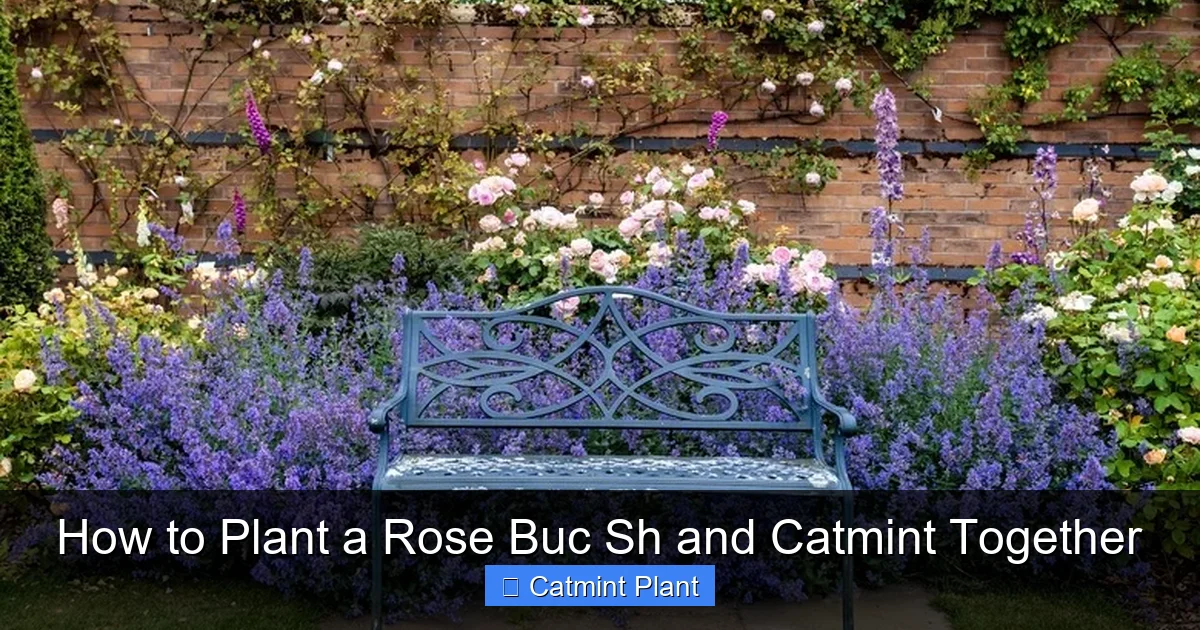
Visual guide about How to Plant a Rose Buc Sh and Catmint Together
Image source: housedigest.com
Climbing roses and hybrid teas can work too, but they need more space. If you pair catmint with a climber, plant the catmint at the base where it can hide the often-bare lower canes. For hybrid teas, give extra breathing room since these roses are more prone to fungal issues and need maximum airflow.
Top Catmint Cultivars for Rose Beds
Not all catmint is created equal. Nepeta x faassenii ‘Walker’s Low’ is the gold standard. It grows twenty-four to thirty inches tall and wide, blooms from late spring through fall with deadheading, and holds its shape beautifully. It won the Perennial Plant of the Year award for good reason.
‘Cat’s Meow’ and ‘Cat’s Pajamas’ are newer Proven Winners introductions that stay more compact at eighteen to twenty inches. These are perfect if your rose bush is on the smaller side or if you garden in a tighter space. ‘Junior Walker’ is a dwarf version of the classic, topping out at fifteen to eighteen inches.
For something different, try Nepeta ‘Six Hills Giant’. It reaches thirty-six inches tall and makes a bold statement behind larger shrub roses. ‘Blue Wonder’ offers intense violet-blue flowers on a tidy eighteen-inch mound. Avoid plain species Nepeta cataria (true catnip) in ornamental beds. It looks weedy, reseeds aggressively, and lacks the ornamental flower power of the hybrids.
Matching Heights and Habits
Think about the visual balance. A tall ‘Six Hills Giant’ catmint will swallow a petite ‘Drift’ rose. A dwarf ‘Junior Walker’ will get lost under a vigorous ‘Knock Out’. Aim for the catmint to reach about half to two-thirds the height of your mature rose bush. This creates a pleasing layered effect where both plants remain visible.
Also consider spread. Catmint expands steadily each year. A single ‘Walker’s Low’ plant can reach three feet across by year three. Plan for this maturity size when spacing, not the nursery pot size. You can always divide catmint in spring if it oversteps, but starting with proper spacing saves work later.
Site Selection and Soil Preparation
Sun Requirements for Both Plants
Full sun is non-negotiable for this duo. Both rose bush and catmint need at least six hours of direct sunlight daily, and eight is even better. Morning sun is especially valuable because it dries dew off foliage quickly, reducing fungal disease pressure on your roses. Catmint grown in shade gets floppy, flowers poorly, and loses its compact habit.
If your garden has a spot with hot afternoon sun and reflected heat off a wall or patio, that is prime real estate for this combination. Catmint thrives in heat that makes other perennials wilt. Roses appreciate the warmth too, provided their roots stay cool and moist.
Soil Conditions and Amendments
Well-draining soil is the single most important factor. Neither plant tolerates wet feet. Heavy clay spells trouble. If you have clay, amend generously with compost, aged manure, or leaf mold before planting. Aim for a fifty-fifty mix of native soil and organic matter in the planting hole.
Roses prefer slightly acidic to neutral soil, pH 6.0 to 7.0. Catmint is adaptable but also performs best in this range. A simple soil test from your extension service tells you exactly where you stand. If pH is too low, add garden lime. If too high, incorporate elemental sulfur or peat moss.
Before planting, work in a balanced slow-release fertilizer formulated for roses. Something like a 10-10-10 or 12-6-10 at half the recommended rate gives both plants a gentle start. Avoid high-nitrogen fertilizers. They push lush green growth at the expense of flowers and make roses more susceptible to aphids.
Drainage Test and Fixes
Do a quick drainage test. Dig a hole twelve inches deep and wide. Fill with water. Let it drain. Fill again. If the second fill takes more than four hours to drain, you have a drainage problem. Solutions include raised beds, mounding the planting area six to twelve inches above grade, or installing a French drain nearby.
I once planted a rose-catmint combo in a low spot that stayed soggy after rain. The catmint survived but looked miserable. The rose developed root rot and died by August. Lesson learned. Now I always test drainage first, even in beds that look fine on the surface.
Step-by-Step Planting Process
Timing Your Planting
Spring and fall are both excellent planting times. Spring planting gives roots all season to establish before winter. Fall planting takes advantage of cooler temperatures and reliable rainfall. In zones 7 and warmer, fall is actually preferable. In zones 5 and colder, spring is safer to ensure root establishment before ground freeze.
If you buy container-grown plants in summer, you can plant them any time if you commit to diligent watering. But expect some transplant shock. Provide temporary shade cloth for the first week if temperatures soar above eighty-five degrees.
Spacing Guidelines
This is where many gardeners go wrong. They see a small catmint in a four-inch pot and plant it six inches from the rose. Fast forward two years, and the catmint is smothering the rose crown. Plant catmint eighteen to twenty-four inches from the base of the rose bush, measured from the center of the catmint to the center of the rose crown.
For a standard shrub rose three to four feet wide at maturity, three catmint plants spaced evenly around the perimeter creates a beautiful skirt. For larger roses, use five plants. For miniature roses, one or two catmint plants suffice.
Space multiple catmint plants eighteen to twenty-four inches apart from each other as well. They will knit together into a continuous mound within two seasons.
Planting Hole Preparation
Dig the rose hole first. Make it twice as wide as the root ball and just as deep. For bare-root roses, create a cone of amended soil in the center and spread roots over it. The graft union (the knobby swollen area where the rose variety joins the rootstock) should sit one to two inches below soil level in cold climates (zones 6 and below), at soil level in warm climates.
Backfill halfway, water gently to settle soil, then finish backfilling. Water again deeply. Form a shallow basin around the planting hole to hold water.
For each catmint, dig a hole the same depth as the pot and twice as wide. Gently loosen circling roots. Plant at the same depth it grew in the container. Backfill, firm gently, and water well.
Initial Watering and Mulching
Water both plants deeply after planting. This means running a hose at a slow trickle at the base of each plant for ten to fifteen minutes, or using a soaker hose for thirty minutes. You want moisture to penetrate eighteen inches deep.
Apply two to three inches of organic mulch in a ring around both plants. Shredded bark, pine straw, composted leaves, or cocoa hulls all work well. Critical: keep mulch three inches away from rose canes and catmint crowns. Mulch touching stems invites rot, pests, and disease.
Ongoing Care Through the Seasons
Watering Strategies
New plantings need consistent moisture for the first growing season. Water deeply twice a week if rain does not provide an inch. Use a rain gauge. Once established, both plants are surprisingly drought-tolerant. Catmint especially prefers to dry out between waterings.
Water at the base of plants, not overhead. Wet rose foliage invites black spot and powdery mildew. Soaker hoses or drip irrigation are ideal. If you must use a sprinkler, run it early morning so leaves dry quickly.
Established roses need about an inch of water weekly during active growth. Established catmint needs half that. In extreme heat, both appreciate a deep soak every seven to ten days rather than frequent shallow watering.
Fertilizing Schedule
Roses are heavy feeders. Catmint is not. This difference requires a targeted approach. In early spring, when rose buds begin to swell, apply a granular rose fertilizer around the drip line of the rose bush only. Scratch it in lightly and water well.
Repeat rose feeding after the first major bloom flush, usually late June. Stop fertilizing roses by mid-August so new growth hardens off before frost.
Catmint needs little to no fertilizer. Too much nitrogen makes it floppy and reduces flowering. If your soil is decent, a shovelful of compost around catmint crowns in spring is plenty. Skip fertilizer entirely if catmint looks vigorous.
Pruning and Deadheading
Rose pruning depends on type. Shrub and landscape roses: cut back by one-third to one-half in early spring, removing dead, damaged, and crossing canes. Hybrid teas: harder pruning to twelve to eighteen inches. Climbers: minimal pruning, just remove dead wood and shape after first bloom.
Catmint pruning is simple and rewarding. After the first heavy bloom fades (usually early July), shear the entire plant back by half to two-thirds. Use hedge shears or a string trimmer. This looks brutal but triggers a fresh flush of foliage and flowers within two to three weeks that carries through fall.
Deadhead roses regularly during bloom season. Cut spent blooms back to the first five-leaflet leaf facing outward. This encourages repeat flowering and keeps plants tidy.
Managing Pests and Diseases
The catmint partnership reduces pest pressure, but vigilance still matters. Check roses weekly for aphids on new growth. Blast them off with a strong water jet or spray insecticidal soap early morning. Japanese beetles appear in July. Hand-pick into soapy water morning or evening when they are sluggish.
For fungal diseases, prevention beats cure. Ensure good spacing and airflow. Water at soil level. Remove and trash (do not compost) any leaves showing black spot, powdery mildew, or rust. A preventive spray of neem oil or potassium bicarbonate every two weeks from spring through summer keeps most issues at bay.
Catmint is remarkably pest-free. Its aromatic oils repel most insects. Occasionally spider mites appear in hot, dry weather. A strong water spray controls them. Deer and rabbits avoid catmint entirely, which is a bonus if they browse your roses.
Design Ideas and Companion Planting
Creating a Cottage Garden Vignette
The rose bush and catmint duo is the backbone of a classic cottage garden. Build around it with complementary plants. In front of the catmint, plant low growers like hardy geranium ‘Rozanne’, lady’s mantle (Alchemilla mollis), or dianthus. Behind the rose, add tall spires like delphinium, foxglove, or salvia ‘May Night’.
Interplant spring bulbs between catmint crowns. Daffodils, alliums, and species tulips bloom before catmint fills in, then their foliage hides behind the catmint as it dies back. Allium ‘Globemaster’ or ‘Purple Sensation’ echo catmint’s purple tones beautifully.
Color Combination Strategies
Catmint’s lavender-blue flowers harmonize with almost any rose color. With pink roses, you get a soft romantic palette. With red roses, the blue provides striking contrast. Yellow roses plus catmint create a cheerful complementary scheme. White roses and catmint feel crisp and elegant.
For a monochromatic purple garden, pair lavender or purple roses like ‘Ebb Tide’, ‘Midnight Blue’, or ‘Angel Face’ with catmint. Add lavender plants, salvia, and Russian sage for a cohesive cool-toned border.
Using Catmint as Edging and Groundcover
Catmint excels as a flowering edging along paths or bed borders. Plant a row of ‘Walker’s Low’ eighteen inches apart along a walkway, with roses spaced every six feet behind them. The catmint softens the hardscape and creates a unified rhythm.
On slopes, catmint’s spreading habit helps stabilize soil. Plant it in drifts of five or more between rose bushes on a bank. The effect is a tapestry of blue and rose colors that requires minimal maintenance once established.
Container Combinations
Yes, you can grow this duo in pots. Choose a large container, at least twenty-four inches wide and deep. Use a high-quality potting mix with added compost. Plant a compact rose like ‘Drift’ or ‘Oso Easy’ in the center. Surround with three ‘Cat’s Pajamas’ or ‘Junior Walker’ catmint plants.
Container care differs: water daily in summer, fertilize roses monthly with liquid feed at half strength, and shear catmint after first bloom. In zones 6 and below, move pots to an unheated garage for winter or sink them in the ground.
Troubleshooting Common Problems
Catmint Flopping Open in Center
This happens with age, rich soil, or insufficient sun. The fix: shear hard after first bloom. Divide congested clumps in early spring every three to four years. Dig the whole plant, cut into fist-sized sections with a sharp spade, and replant the healthiest pieces. Discard the woody center.
If flopping persists, your soil may be too fertile. Stop fertilizing catmint entirely. You can also try the “Chelsea chop” in late May: cut stems back by one-third before flowering. This produces shorter, sturdier stems.
Rose Black Spot Despite Good Care
Black spot loves humidity. If you have persistent issues, switch to disease-resistant rose varieties. Many modern shrub roses have excellent resistance. Mulch well to prevent soil splash. Consider a preventive copper or sulfur spray early in the season. Remove every infected leaf promptly.
Catmint helps by improving airflow at the base, but it cannot overcome a susceptible variety in a humid climate. Sometimes the best solution is replacing the rose with a resistant cultivar.
Catmint Spreading Too Aggressively
Catmint spreads by reseeding and slow rhizome expansion. Deadhead faithfully after first bloom to prevent seeds. Install a root barrier (plastic edging sunk six inches deep) if it invades neighboring plants. Divide every few years to keep clumps in bounds.
Sterile cultivars like ‘Walker’s Low’, ‘Cat’s Meow’, and ‘Junior Walker’ produce few viable seeds. They spread only by clump expansion, making them easier to manage.
Winter Damage and Protection
In zones 5 and below, roses need winter protection. After the ground freezes, mound twelve inches of soil or compost over the rose crown. Wrap canes with burlap or use rose cones. Catmint is hardy to zone 3 or 4 and needs no special care. Its dead foliage actually protects the crown. Cut catmint back in early spring, not fall.
In spring, remove rose protection gradually over two weeks as temperatures moderate. Watch for rodent damage at the base. Hardware cloth cylinders prevent vole and rabbit chewing.
Seasonal Calendar for Rose and Catmint Care
Early Spring (March-April)
- Remove winter protection from roses gradually
- Prune roses according to type
- Cut catmint back to four to six inches above ground
- Apply compost around both plants
- Fertilize roses with granular rose food
- Check and repair irrigation
- Apply fresh mulch, keeping away from crowns
Late Spring (May-June)
- Monitor for aphids on rose new growth
- Deadhead roses regularly
- Watch for first catmint bloom
- Water deeply during dry spells
- Apply preventive fungicide if humidity is high
- Enjoy the first glorious flush of flowers
Midsummer (July-August)
- Shear catmint back by half after first bloom fades
- Fertilize roses after first flush (not after mid-August)
- Hand-pick Japanese beetles daily
- Water deeply every seven to ten days
- Remove any diseased rose leaves promptly
- Deadhead roses for repeat bloom
Fall (September-October)
- Stop fertilizing roses
- Reduce watering as temperatures cool
- Leave catmint foliage standing for winter protection
- Clean up fallen rose leaves to reduce disease carryover
- Plant new roses or catmint if desired (fall planting window)
- Apply winter mulch after ground freezes in cold zones
Winter (November-February)
- Check rose protection after storms
- Brush heavy snow off rose canes to prevent breakage
- Plan next year’s garden additions
- Order bare-root roses for early spring planting
- Sharpen and clean pruning tools
Conclusion
Planting rose bush and catmint together is one of those gardening decisions that pays dividends for years. You get two beautiful plants that genuinely help each other, a longer season of bloom, fewer pest problems, and a classic garden look that never goes out of style.
The keys to success are simple: choose the right varieties for your space, give them full sun and excellent drainage, space them properly from day one, and follow the seasonal care rhythm. Shear the catmint after its first bloom. Feed the roses but not the catmint. Mulch well but keep it off the crowns.
My own rose-catmint borders have become the most commented-on areas of my garden. Visitors ask what the blue plant is. They notice how healthy the roses look. They want to replicate it. And the best part? It is not difficult. It just takes understanding what each plant needs and letting them work together.
Whether you are planting your first rose or refreshing an established bed, adding catmint is a decision you will not regret. Start with one rose and three catmint plants this spring. By midsummer, you will see why this partnership has endured in gardens for generations. Your roses will thank you. Your catmint will thrive. And you will have a garden combination that looks like it came from a magazine but grows like a dream.
Frequently Asked Questions
Will catmint choke out my rose bush?
Not if spaced properly. Plant catmint 18-24 inches from the rose crown and divide catmint every 3-4 years to prevent overcrowding. Good spacing ensures both plants thrive.
Can I plant catmint around climbing roses?
Yes, catmint is excellent at the base of climbers. It hides bare lower canes and softens the structure. Just ensure 24-inch spacing from the main canes for airflow.
Does catmint attract cats to my rose garden?
Ornamental catmint (Nepeta x faassenii) is far less attractive to cats than true catnip (Nepeta cataria). Most cats ignore it, but some may roll in it occasionally.
Should I deadhead catmint?
Yes, deadheading or shearing after the first bloom prevents seeding and triggers a strong second flush. It also keeps plants tidy and prevents unwanted spread.
Can rose bush and catmint grow in partial shade?
Both need full sun (6+ hours). In partial shade, roses bloom poorly and get disease-prone; catmint becomes leggy and flowers sparsely. Choose a sunny site.
How do I divide overgrown catmint?
In early spring, dig the entire clump. Cut into fist-sized sections with a sharp spade, keeping roots and shoots together. Replant healthy pieces and discard woody centers.