Catmint Plant Nepeta ‘cat’s Pajamas
The Catmint Plant Nepeta ‘cat’s Pajamas’ is a dwarf, floriferous perennial that delivers months of lavender-blue blooms on a tidy, compact mound. This award-winning variety stays under 14 inches tall, making it perfect for front borders, containers, and small-space gardens. It thrives in full sun, tolerates drought once established, and attracts bees, butterflies, and hummingbirds while resisting deer and rabbits.
If you have ever walked past a garden in midsummer and noticed a low mound of gray-green foliage covered in lavender-blue flowers buzzing with bees, chances are you were looking at catmint. But not all catmints are created equal. Some get floppy. Some spread too wide. Some bloom for just a few weeks and then call it quits. The Catmint Plant Nepeta ‘cat’s Pajamas’ changes all of that. This little powerhouse stays neat, blooms for months, and fits into spaces where traditional catmint would simply overwhelm everything around it.
I first discovered this variety a few years ago when I was redesigning a narrow border along my front walkway. I needed something that would not flop onto the path, something that could handle the reflected heat from the concrete, and something that would look good from May through October. The Catmint Plant Nepeta ‘cat’s Pajamas’ checked every box. Since then, I have recommended it to countless gardening friends, tucked it into client gardens, and even grown it in containers on my patio. It has become one of those plants I simply will not garden without.
Key Takeaways
- Compact Size: Grows only 12-14 inches tall and 18-20 inches wide, ideal for small gardens and container planting.
- Long Bloom Season: Flowers from early summer through fall with lavender-blue spikes that rebloom after shearing.
- Pollinator Magnet: Attracts bees, butterflies, and hummingbirds with nectar-rich blooms throughout the growing season.
- Low Maintenance: Drought-tolerant once established, deer and rabbit resistant, and requires minimal fertilization.
- Versatile Design Uses: Works beautifully in borders, rock gardens, cottage gardens, and as edging along pathways.
- Easy Propagation: Can be divided in spring or fall, or grown from softwood cuttings in early summer.
- Award-Winning Performance: Recognized for superior garden performance, floriferousness, and compact habit.
Quick Answers to Common Questions
How tall does Catmint Plant Nepeta ‘cat’s Pajamas’ grow?
It grows 12-14 inches tall and 18-20 inches wide, making it one of the most compact catmint varieties available.
When should I shear Catmint Plant Nepeta ‘cat’s Pajamas’ for rebloom?
Shear by half after the first flush fades in late June or early July. Repeat after each flush for continuous bloom.
Is Catmint Plant Nepeta ‘cat’s Pajamas’ deer resistant?
Yes, the aromatic foliage makes it highly resistant to deer and rabbit browsing.
Can Catmint Plant Nepeta ‘cat’s Pajamas’ grow in part shade?
It needs full sun (6+ hours) for best bloom and compact habit. Part shade causes leggy growth and fewer flowers.
How often should I divide Catmint Plant Nepeta ‘cat’s Pajamas’?
Divide every 3-4 years in early spring to maintain vigor and prevent woody centers.
📑 Table of Contents
- What Makes Catmint Plant Nepeta ‘cat’s Pajamas’ Special
- Ideal Growing Conditions for Catmint Plant Nepeta ‘cat’s Pajamas’
- Planting and Establishment
- Seasonal Care and Maintenance
- Design Ideas and Companion Plants
- Propagation Methods
- Common Problems and Solutions
- Catmint Plant Nepeta ‘cat’s Pajamas’ vs. Other Popular Catmints
- Frequently Asked Questions About Catmint Plant Nepeta ‘cat’s Pajamas’
- Conclusion: Why Every Sunny Garden Needs Catmint Plant Nepeta ‘cat’s Pajamas’
What Makes Catmint Plant Nepeta ‘cat’s Pajamas’ Special
A Breeding Breakthrough
The Catmint Plant Nepeta ‘cat’s Pajamas’ comes from the breeding work of Kevin Hurd at Walters Gardens in Michigan. It was introduced as part of the Proven Winners lineup, which means it underwent extensive trialing before hitting the market. The goal was simple: create a catmint that stays compact without sacrificing flower power. Most catmints, including the popular ‘Walker’s Low,’ reach two to three feet tall and wide. They tend to flop open in the center after heavy rain or at peak bloom. This variety solves that problem with a naturally dense, mounded habit that holds its shape all season.
The name ‘cat’s Pajamas’ is a playful nod to the 1920s slang phrase meaning “the best” or “outstanding.” And honestly, the name fits. This plant really is the cat’s pajamas of the catmint world. It forms a tight mound of aromatic, gray-green foliage that stays attractive even when not in bloom. The leaves release a pleasant minty fragrance when brushed against, which is part of what makes it deer and rabbit resistant.
Flower Power That Keeps Going
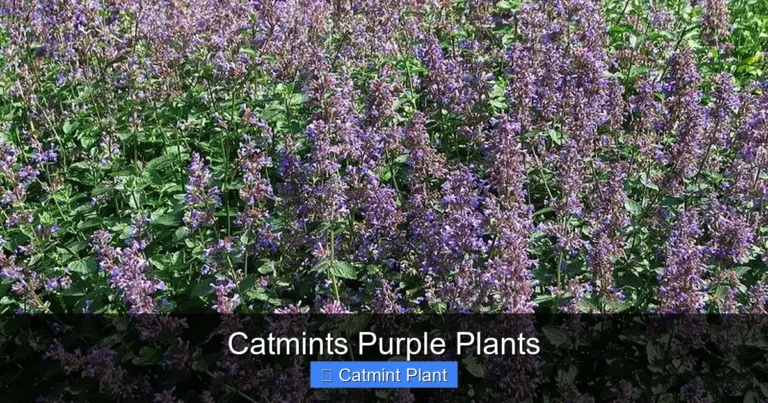
What really sets the Catmint Plant Nepeta ‘cat’s Pajamas’ apart is its bloom time. It starts flowering in early summer, often by late May or early June in most zones. The flowers appear on dense spikes that rise just above the foliage, creating a solid dome of color. Each spike carries dozens of tiny, tubular lavender-blue flowers. But here is the kicker: if you shear it back after the first flush fades, it rebounds quickly and blooms again. And again. In my Zone 6 garden, I get three distinct flushes of bloom before frost. That is months of color from a single plant.
The flower color is a soft, cool lavender-blue that pairs beautifully with almost anything. It looks stunning next to yellow coreopsis, pink coneflowers, white Shasta daisies, or ornamental grasses. Because the color is not intensely saturated, it acts as a wonderful bridge between stronger colors in the garden. It also shines in monochromatic blue and purple schemes alongside salvias, veronicas, and lavender.
Ideal Growing Conditions for Catmint Plant Nepeta ‘cat’s Pajamas’
Sun Requirements
Full sun is non-negotiable for the Catmint Plant Nepeta ‘cat’s Pajamas.’ It needs at least six hours of direct sunlight daily to bloom heavily and stay compact. In partial shade, the stems stretch, the plant gets leggy, and flower production drops dramatically. I learned this the hard way when I tried tucking one into a spot that only got morning sun. It survived, but it flopped and bloomed sparsely. Moved to full sun the next spring, it became the star of the bed.

Visual guide about Catmint Plant Nepeta ‘cat’s Pajamas
Image source: provenwinners.com
In very hot climates (Zones 8-9), a touch of afternoon shade can help prevent stress during the peak of summer. But even then, aim for as much sun as possible. The more sun, the more flowers, the tighter the habit, and the stronger the fragrance.
Soil Preferences
Good drainage is the number one soil requirement for the Catmint Plant Nepeta ‘cat’s Pajamas.’ It hates wet feet, especially in winter. Heavy clay soil that stays soggy will rot the crown. If you have clay, amend it generously with compost, grit, or expanded shale before planting. Raised beds and slopes are ideal. The plant thrives in average to lean soil. Rich, heavily fertilized soil actually produces weak, floppy growth with fewer flowers. This is a plant that prefers a little tough love.
Soil pH is not a major concern. The Catmint Plant Nepeta ‘cat’s Pajamas’ tolerates a wide range from slightly acidic to slightly alkaline (roughly 6.0 to 7.5). I have grown it successfully in both my native slightly acidic soil and in a raised bed amended with lime for lavender. It adapted beautifully to both.
Water Needs
Water regularly during the first growing season to establish a deep root system. Once established, the Catmint Plant Nepeta ‘cat’s Pajamas’ is remarkably drought tolerant. Its taproot system allows it to access moisture deep in the soil. In my garden, established plants sail through three-week dry spells without supplemental water. They may slow down flowering slightly during extreme drought, but they bounce back quickly once rain returns.
Overwatering is a bigger risk than underwatering. Avoid irrigation systems that keep the soil constantly moist. Water deeply but infrequently, allowing the soil to dry between waterings. In containers, check soil moisture more frequently since pots dry out faster. Water when the top inch of soil feels dry.
Hardiness and Climate Adaptability
The Catmint Plant Nepeta ‘cat’s Pajamas’ is hardy in USDA Zones 3 through 8. That is a huge range, covering most of the continental United States. In Zone 3, it benefits from a light winter mulch after the ground freezes. In Zones 7 and 8, it may stay semi-evergreen through mild winters. I garden in Zone 6b, where it dies back to the ground each winter and returns reliably each spring.
Heat and humidity tolerance is good but not limitless. In the Deep South, the combination of high heat and high humidity can sometimes trigger fungal issues like powdery mildew. Good air circulation helps prevent this. Space plants at least 18 inches apart and avoid overhead watering. In the desert Southwest, it performs beautifully with some afternoon shade and regular water during establishment.
Planting and Establishment
When to Plant
Spring and fall are both excellent times to plant the Catmint Plant Nepeta ‘cat’s Pajamas.’ Spring planting gives the roots all summer to establish before winter. Fall planting allows roots to grow in cool soil while the top growth slows down. I prefer fall planting in my climate because the plants hit the ground running the following spring. If you plant in summer, be prepared to water diligently during heat waves.
Container-grown plants from nurseries can be planted any time the ground is not frozen. Bare-root plants, sometimes available from mail-order nurseries in early spring, should be planted as soon as they arrive. Soak bare roots in water for an hour before planting.
Spacing and Layout
Space Catmint Plant Nepeta ‘cat’s Pajamas’ plants 18 to 20 inches apart on center. This allows each plant to develop its natural mounded shape without crowding. For a solid mass planting or edging, you can space them slightly closer at 15 inches. They will knit together into a continuous drift of color.
When designing with this plant, think about its mature width of 18-20 inches. It makes a fantastic edging plant along paths and driveways because it stays low and neat. It also works beautifully at the front of a mixed border, where its soft texture contrasts with taller, bolder perennials behind it. In rock gardens, tuck it between stones where its roots can run cool and deep.
Planting Technique
Dig a hole twice as wide as the root ball but no deeper. The top of the root ball should sit level with the surrounding soil. Backfill with native soil mixed with a handful of compost. Do not add fertilizer to the planting hole. Water thoroughly after planting to settle the soil around the roots. Apply a two-inch layer of mulch (shredded bark, pine straw, or gravel) keeping it a few inches away from the crown to prevent rot.
If planting in containers, choose a pot at least 12 inches wide with drainage holes. Use a high-quality potting mix amended with perlite or coarse sand for extra drainage. The Catmint Plant Nepeta ‘cat’s Pajamas’ makes a stunning container specimen on its own or combined with other sun-loving, drought-tolerant plants like sedum, thyme, or dwarf ornamental grasses.
Seasonal Care and Maintenance
Spring Cleanup
In early spring, cut back the dead stems from the previous year to about two inches above the ground. New growth will emerge from the base. This is also the perfect time to divide established clumps if they have become woody in the center or if you want more plants. Division every three to four years keeps the Catmint Plant Nepeta ‘cat’s Pajamas’ vigorous and floriferous.
Apply a thin layer of compost around the base in spring if your soil is poor. Avoid heavy fertilization. A single application of slow-release organic fertilizer in early spring is plenty. Too much nitrogen produces lush foliage at the expense of flowers.
Summer Shearing for Rebloom
The secret to months of bloom from the Catmint Plant Nepeta ‘cat’s Pajamas’ is the midseason shear. When the first flush of flowers starts to fade (usually late June or early July), shear the entire plant back by about half. Use hedge shears or sharp pruners. It looks drastic, but within two weeks, fresh foliage and new flower buds will appear. You will get a second heavy bloom in late summer.
If you want a third flush, shear again after the second bloom fades. In long-season climates, you can sometimes get three or even four bloom cycles. Each shear also keeps the plant compact and prevents the center from opening up. If you skip the shear, the plant will still bloom sporadically, but the show will be much less impressive.
Fall and Winter Care
Leave the foliage standing through winter. The dried stems and seed heads provide some winter interest and protect the crown. In very cold zones (3-4), apply a light mulch of straw or evergreen boughs after the ground freezes. Remove the mulch in early spring. Do not cut back in fall. The foliage helps insulate the crown and provides habitat for beneficial insects.
In zones where the Catmint Plant Nepeta ‘cat’s Pajamas’ stays semi-evergreen (7-8), you can tidy up any ratty foliage in late winter before new growth begins. But generally, a single spring cutback is all that’s needed.
Design Ideas and Companion Plants
Front Border Superstar
The Catmint Plant Nepeta ‘cat’s Pajamas’ is arguably the best front-of-border perennial for sunny gardens. Its low, mounded habit creates a soft edge that hides the bare legs of taller plants behind it. Plant it in drifts of three, five, or seven for maximum impact. The lavender-blue flowers create a cooling visual effect that makes the garden feel larger and more cohesive.
Pair it with tall, spiky perennials like Russian sage, purple coneflower, or black-eyed Susan for contrast in form. The rounded mounds of catmint against the vertical spikes create a dynamic rhythm. Or combine it with other mounded perennials like dwarf catmint ‘Junior Walker,’ coreopsis ‘Moonbeam,’ or hardy geranium ‘Rozanne’ for a tapestry of texture and color at the front of the bed.
Pollinator Garden Essential
If you are planting for pollinators, the Catmint Plant Nepeta ‘cat’s Pajamas’ is non-negotiable. The nectar-rich flowers attract a stunning diversity of bees, from tiny sweat bees to large bumblebees. Butterflies, especially skippers and swallowtails, visit constantly. Hummingbirds zip between the flower spikes. Because it blooms for so long, it provides a reliable food source when other plants are between flushes.
Plant it alongside other pollinator favorites like bee balm, butterfly weed, agastache, and salvia. Create a “pollinator buffet” by ensuring something is always in bloom from spring through fall. The Catmint Plant Nepeta ‘cat’s Pajamas’ carries the midsummer load beautifully.
Rock Garden and Gravel Garden Star
The Catmint Plant Nepeta ‘cat’s Pajamas’ thrives in the sharp drainage of rock gardens and gravel gardens. Its aromatic foliage and long bloom season make it a standout among the succulents and alpines. Plant it where it can spill slightly over a rock edge or cascade down a slope. The gray-green foliage looks right at home among stones.
Combine it with sedums, thymes, dwarf dianthus, and small ornamental grasses like blue fescue. The contrast of textures — fine grass blades, succulent leaves, and soft catmint foliage — creates a rich tapestry that looks good even when nothing is blooming.
Container Combinations
In containers, the Catmint Plant Nepeta ‘cat’s Pajamas’ plays the “filler” role beautifully. Its mounded habit fills the pot without overwhelming thriller plants. Try it in a large container with a tall grass like ‘Karl Foerster’ feather reed grass as the thriller, catmint as the filler, and creeping thyme or sedum as the spiller. The combination is drought-tolerant, long-blooming, and stunning.
For a simpler look, plant three Catmint Plant Nepeta ‘cat’s Pajamas’ in a 16-inch pot for a solid dome of color. Underplant with spring bulbs like species tulips or crocus for early season interest before the catmint fills in. The catmint foliage will hide the dying bulb foliage perfectly.
Edging and Pathway Planting
Few plants make better edging than the Catmint Plant Nepeta ‘cat’s Pajamas.’ It stays low enough not to block sightlines, tolerates the heat reflected from pavement, and softens hard edges beautifully. Plant it along a stone path, a gravel driveway, or the edge of a patio. When you brush against it, the minty fragrance releases — a delightful sensory experience for anyone walking by.
Space plants 15 inches apart for a continuous hedge effect. Shear once or twice a season to keep the edge crisp. The gray-green foliage provides structure even in winter when the plant is dormant.
Propagation Methods
Division
Division is the easiest and most reliable way to propagate the Catmint Plant Nepeta ‘cat’s Pajamas.’ Do it in early spring just as new growth emerges, or in early fall at least six weeks before the ground freezes. Dig up the entire clump. Use a sharp spade or knife to cut it into sections, each with several shoots and a good root system. Replant immediately at the same depth. Water well. Divisions typically bloom the same year.
I divide my Catmint Plant Nepeta ‘cat’s Pajamas’ every three years in spring. It keeps the plants vigorous and gives me free plants to expand the drift or share with friends. The centers of old clumps can become woody and less productive. Division rejuvenates them completely.
Softwood Cuttings
Take softwood cuttings in late spring or early summer when the stems are flexible but not too tender. Cut 4-6 inch pieces just below a leaf node. Remove the lower leaves. Dip the cut end in rooting hormone (optional but helpful). Stick in a moist mix of perlite and peat or a commercial seed-starting mix. Cover with a clear plastic bag or dome to maintain humidity. Place in bright, indirect light. Roots form in 3-4 weeks.
Once rooted, pot up into individual containers and grow on for a few weeks before planting out. Cuttings produce genetic clones of the parent plant, so you get the exact same compact habit and flower color. This is how nurseries propagate the Catmint Plant Nepeta ‘cat’s Pajamas’ commercially.
Seed (Not Recommended for Cultivars)
While catmint species grow easily from seed, named cultivars like the Catmint Plant Nepeta ‘cat’s Pajamas’ do not come true from seed. Seedlings will be variable in height, habit, and flower color. If you want the specific traits of this cultivar — the compact size, the heavy rebloom, the exact lavender-blue color — you must propagate vegetatively by division or cuttings.
Common Problems and Solutions
Flopping and Open Centers
If your Catmint Plant Nepeta ‘cat’s Pajamas’ flops open in the center, the cause is usually too much shade, too much fertilizer, too much water, or lack of shearing. Move it to full sun. Stop fertilizing. Water less frequently. Shear it back hard after the first bloom. Division every few years also prevents the center from becoming woody and unproductive.
In my experience, the Catmint Plant Nepeta ‘cat’s Pajamas’ is much less prone to flopping than older varieties. But it can still happen in less-than-ideal conditions. The fix is almost always cultural — more sun, less coddling.
Powdery Mildew
Powdery mildew appears as a white, powdery coating on leaves. It thrives in humid conditions with poor air circulation. The Catmint Plant Nepeta ‘cat’s Pajamas’ has good resistance, but it is not immune. Prevent it by spacing plants properly, avoiding overhead watering, and ensuring good air flow. If it appears, remove affected leaves and treat with a fungicide labeled for powdery mildew on ornamentals. A homemade spray of 1 tablespoon baking soda plus 1 teaspoon horticultural oil per gallon of water can help if applied early.
Root Rot
Root rot is the killer of catmint. It happens in poorly drained soil, especially over winter. The plant simply disappears. Prevention is everything: plant in well-drained soil, avoid low spots where water collects, and don’t overwater. If you have heavy clay, plant in raised beds or mounds. In containers, ensure excellent drainage and don’t let pots sit in saucers of water.
Pests: Generally Pest-Free
One of the joys of the Catmint Plant Nepeta ‘cat’s Pajamas’ is its pest resistance. Deer and rabbits avoid it due to the aromatic foliage. Insect pests rarely cause significant damage. You might see occasional aphids on new growth in spring. Blast them off with a strong jet of water or treat with insecticidal soap if needed. Spider mites can appear in hot, dry weather. Regular overhead watering (early in the day so foliage dries) discourages them.
Catmint Plant Nepeta ‘cat’s Pajamas’ vs. Other Popular Catmints
Versus ‘Walker’s Low’
‘Walker’s Low’ is the classic catmint, named Perennial Plant of the Year in 2007. It is fantastic — but big. It reaches 24-30 inches tall and wide. It flops. It needs space. The Catmint Plant Nepeta ‘cat’s Pajamas’ is half the size, stays upright, and blooms longer with shearing. If you have room for a large, billowing mound, ‘Walker’s Low’ is glorious. If you need a neat, compact plant for the front of the border or a container, ‘cat’s Pajamas’ wins.
Versus ‘Junior Walker’
‘Junior Walker’ was bred as a compact version of ‘Walker’s Low.’ It reaches 15-18 inches tall. It is a great plant. But the Catmint Plant Nepeta ‘cat’s Pajamas’ is even more compact (12-14 inches), more floriferous, and has a tighter, more refined mound. The flower color is also a slightly cleaner lavender-blue. Both are excellent. ‘cat’s Pajamas’ just edges it out for the smallest spaces.
Versus ‘Cat’s Meow’
‘Cat’s Meow’ is another Walters Gardens introduction, slightly larger than ‘cat’s Pajamas’ at 17-20 inches tall. It has a more spreading habit. ‘cat’s Pajamas’ is the more compact, mounded of the two. Think of ‘Cat’s Meow’ as the middle ground between ‘Junior Walker’ and ‘cat’s Pajamas.’ All three are superb. Choose based on the space you have.
Versus Species Nepeta racemosa and N. x faassenii
The species and older hybrids tend to be looser, floppier, and shorter-blooming. They often have a single flush in early summer and then look ragged. The Catmint Plant Nepeta ‘cat’s Pajamas’ represents modern breeding at its best: selected for compact habit, extended bloom, disease resistance, and garden performance. It is simply a better garden plant for most situations.
Frequently Asked Questions About Catmint Plant Nepeta ‘cat’s Pajamas’
Does Catmint Plant Nepeta ‘cat’s Pajamas’ attract cats like catnip?
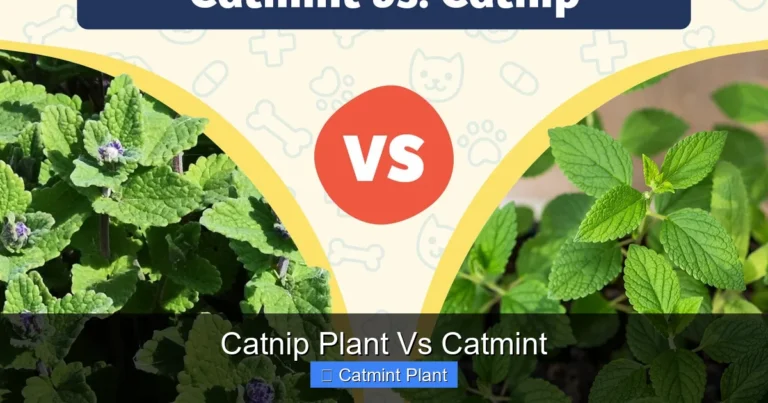
Catmint (Nepeta) and catnip (Nepeta cataria) are cousins, but they affect cats differently. Catnip contains high levels of nepetalactone, the compound that sends cats into euphoria. The Catmint Plant Nepeta ‘cat’s Pajamas’ contains much less. Some cats may show mild interest — rubbing against it or chewing a leaf — but most ignore it. It will not attract neighborhood cats to your garden the way catnip does.
Can I grow Catmint Plant Nepeta ‘cat’s Pajamas’ indoors?
Not successfully as a houseplant. The Catmint Plant Nepeta ‘cat’s Pajamas’ needs full sun, seasonal temperature changes, and a winter dormancy period. It will not thrive indoors. If you want a similar look inside, try a trailing plectranthus or a compact lavender in a very sunny window, but even those are challenging.
Why is my Catmint Plant Nepeta ‘cat’s Pajamas’ not blooming?
The most common reasons: not enough sun (needs 6+ hours), too much fertilizer (especially nitrogen), too young (first-year plants may bloom lightly), or it needs shearing to trigger rebloom. Check your conditions. Move it to a sunnier spot if needed. Stop fertilizing. Shear after the first flush.
Is Catmint Plant Nepeta ‘cat’s Pajamas’ invasive?
No. Unlike some mint family members, catmint does not run by rhizomes. The Catmint Plant Nepeta ‘cat’s Pajamas’ is a clump-former. It slowly expands at the edges but stays put. It may self-seed lightly in ideal conditions, but seedlings are easy to remove and do not come true to the cultivar anyway. It is well-behaved in the garden.
Can I divide Catmint Plant Nepeta ‘cat’s Pajamas’ in summer?
You can, but spring or fall is much better. Summer division stresses the plant during heat and active growth. If you must divide in summer, do it on a cool, cloudy day. Cut the foliage back by half. Water religiously for weeks. Expect a setback. Spring division as new growth emerges is ideal — the plant recovers fast and blooms on schedule.
How long does Catmint Plant Nepeta ‘cat’s Pajamas’ live?
With division every 3-4 years, the Catmint Plant Nepeta ‘cat’s Pajamas’ can live indefinitely. Individual undivided clumps may decline after 5-6 years as the center becomes woody. Division resets the clock. I have clumps in my garden that have been divided and redistributed for over a decade. They are essentially immortal with basic care.
Conclusion: Why Every Sunny Garden Needs Catmint Plant Nepeta ‘cat’s Pajamas’
After years of growing, recommending, and designing with the Catmint Plant Nepeta ‘cat’s Pajamas,’ I am convinced it belongs in almost every sunny garden. It solves so many common gardening problems. Need a low edging plant that won’t flop onto the path? This is it. Want months of pollinator-friendly flowers with minimal work? This is it. Have a hot, dry spot where little else thrives? This is it. Gardening in a small space or containers? This is it.
The combination of compact habit, incredibly long bloom season, drought tolerance, pest resistance, and pollinator appeal is rare in a single perennial. Most plants give you two or three of those traits. The Catmint Plant Nepeta ‘cat’s Pajamas’ delivers all of them. And it does it with a soft, romantic beauty that elevates everything around it.
If you have not tried it yet, find a spot this spring. Plant three in a drift at the front of a sunny border. Water them in. Shear them after the first bloom. Then stand back and watch the show. The bees will find it. The butterflies will find it. Your neighbors will ask what it is. And you will wonder how you ever gardened without the Catmint Plant Nepeta ‘cat’s Pajamas.’ It really is the cat’s pajamas.
Frequently Asked Questions
What is the difference between catmint and catnip?
Catmint (Nepeta x faassenii and hybrids) and catnip (Nepeta cataria) are different species. Catnip contains high levels of nepetalactone that strongly attracts cats. Catmint has much less and is grown primarily for ornamental flowers and foliage. Most cats ignore catmint or show only mild interest.
Does Catmint Plant Nepeta ‘cat’s Pajamas’ spread aggressively?
No, it is a well-behaved clump-forming perennial. It does not run by rhizomes like true mints. It slowly expands at the edges but stays contained. Light self-seeding may occur but seedlings are easily removed and won’t match the parent cultivar.
Can I grow Catmint Plant Nepeta ‘cat’s Pajamas’ in a container?
Yes, it thrives in containers. Use a pot at least 12 inches wide with drainage holes and a well-draining potting mix. Water when the top inch of soil is dry. It makes an excellent “filler” in mixed containers or a standalone specimen.
Why is my catmint flopping open in the middle?
Flopping usually indicates too much shade, over-fertilizing, overwatering, or lack of midseason shearing. Ensure full sun, avoid fertilizer, water deeply but infrequently, and shear back by half after the first bloom flush to maintain a tight mound.
When is the best time to plant Catmint Plant Nepeta ‘cat’s Pajamas’?
Spring and fall are ideal. Spring gives roots all season to establish. Fall planting allows root growth in cool soil for a strong start next spring. Summer planting works with diligent watering during heat.
How do I prepare Catmint Plant Nepeta ‘cat’s Pajamas’ for winter?
Leave foliage standing through winter for crown protection and winter interest. In Zones 3-4, apply light mulch after ground freezes. Cut back to 2 inches in early spring before new growth emerges. No other winter care needed.