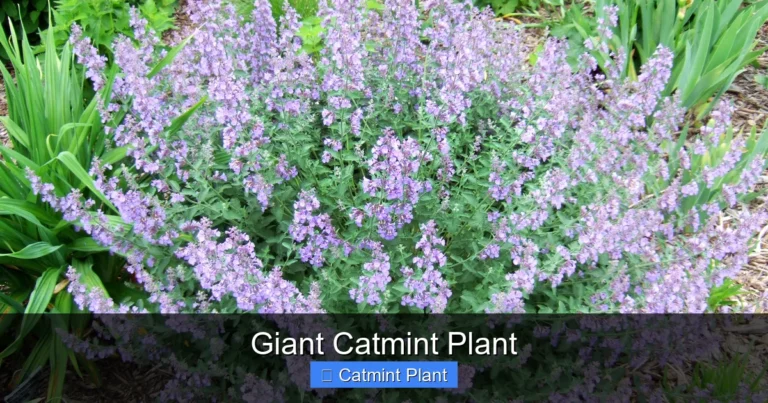
Catnip Catmint Plant
The catnip catmint plant is a versatile perennial herb that delights cats and gardeners alike with its aromatic foliage and pretty blooms. Easy to grow and packed with benefits, this mint family member deserves a spot in every garden.
If you have ever watched a cat roll around in pure bliss after sniffing a certain green herb, you have witnessed the magic of the catnip catmint plant. This remarkable perennial has captivated felines for centuries. It also charms gardeners with its easy-going nature and pretty flowers. Whether you want to treat your kitty, brew a calming tea, or simply add a tough, beautiful plant to your beds, this herb delivers on all fronts.
In this complete guide, we will explore everything you need to know about the catnip catmint plant. We will cover its fascinating history and the science behind the cat craze. You will learn exactly how to grow it, harvest it, and store it for maximum potency. We will also tackle common problems and share creative ways to use your bounty. Let us dig in and discover why this humble herb deserves a starring role in your garden.
Key Takeaways
- Catnip catmint plant basics: This hardy perennial (Nepeta cataria) grows 2-3 feet tall with gray-green leaves and white or lavender flowers that attract pollinators.
- Cat attraction science: The compound nepetalactone triggers euphoric responses in 70-80% of cats, creating playful behavior that lasts 10-15 minutes.
- Easy growing requirements: Catnip catmint plant thrives in full sun, well-drained soil, and needs minimal water once established, making it perfect for beginners.
- Multiple harvest methods: Cut stems before flowering for peak potency, then air dry or dehydrate leaves for long-term storage in airtight containers.
- Beyond cat entertainment: This herb makes soothing tea, repels mosquitoes naturally, and adds ornamental value with its long blooming season.
- Container growing works well: Restrict spreading roots by planting catnip catmint plant in pots, which also protects it from enthusiastic neighborhood cats.
- Simple propagation options: Grow from seeds, divisions, or cuttings in spring or fall for endless free plants to share or expand your patch.
Quick Answers to Common Questions
What is the difference between catnip and catmint?
Catnip (Nepeta cataria) has high nepetalactone content that strongly affects cats. Catmint refers to ornamental Nepeta hybrids bred for flowers, with much lower cat appeal.
When is the best time to harvest catnip catmint plant?
Harvest just before flowering on a dry, sunny morning for peak essential oil content and potency.
How do I dry catnip catmint plant properly?
Hang small bundles upside down in a dark, well-ventilated area for 1-2 weeks, or use a dehydrator at 95-115°F for faster results.
Can catnip catmint plant grow in shade?
It tolerates partial shade but produces fewer flowers and less potent oils; full sun (6+ hours) is best for vigorous growth.
Is catnip catmint plant invasive?
It spreads aggressively via underground runners and self-seeding; contain it with barriers, containers, or regular runner removal.
📑 Table of Contents
- What Is Catnip Catmint Plant?
- History and Origins of Catnip Catmint Plant
- Growing Catnip Catmint Plant in Your Garden
- Benefits and Uses of Catnip Catmint Plant
- Harvesting and Storing Catnip Catmint Plant
- Common Problems and Solutions
- Propagating Catnip Catmint Plant for More Plants
- Creative Projects with Your Catnip Catmint Plant Harvest
- Catnip Catmint Plant Through the Seasons
- Frequently Asked Questions About Catnip Catmint Plant
- Conclusion
What Is Catnip Catmint Plant?
The catnip catmint plant goes by the botanical name Nepeta cataria. It belongs to the Lamiaceae family, better known as the mint family. This kinship explains its square stems, opposite leaves, and spreading habit. It is a herbaceous perennial, meaning it dies back to the ground in winter and returns each spring. In ideal conditions, it reaches two to three feet tall and wide.
Botanical Profile and Identification
Identifying the catnip catmint plant is straightforward once you know the key features. The stems are distinctly square, a hallmark of the mint family. The leaves are heart-shaped or triangular with scalloped edges. They have a soft, fuzzy texture and a gray-green color. When crushed, they release a strong, minty, slightly skunky aroma that is unmistakable.
From late spring through fall, the plant produces spikes of small, tubular flowers. These blooms are typically white with pale purple or pink spots. They are a magnet for bees, butterflies, and other beneficial insects. The plant forms a loose, bushy mound that adds a soft, cottage-garden feel to any landscape.
Catnip vs. Catmint: Clearing the Confusion
Gardeners often use the terms “catnip” and “catmint” interchangeably, but there is a subtle distinction. Catnip specifically refers to Nepeta cataria. It is the species with the highest concentration of nepetalactone, the compound that drives cats wild. Catmint usually refers to ornamental Nepeta species and hybrids, such as Nepeta x faassenii (often sold as ‘Walker’s Low’ or ‘Six Hills Giant’).
Ornamental catmints are bred for showier flowers, longer bloom times, and a tidier, non-spreading habit. They contain nepetalactone but in much lower amounts. Cats may show mild interest, but they rarely go crazy for them. If your goal is feline entertainment, stick with true Nepeta cataria. If you want a perennial border star, ornamental catmint is the better choice.
The Science of the Cat “High”
Why do cats love the catnip catmint plant so much? The answer lies in a volatile oil called nepetalactone. It is found in the leaves, stems, and seedpods. When a cat sniffs the plant, the oil molecules bind to olfactory receptors in the nose. This stimulates sensory neurons that project to the brain, specifically the olfactory bulb, amygdala, and hypothalamus.
The hypothalamus regulates emotions and behaviors. The result is a temporary, harmless “high” that mimics feline pheromones. Typical reactions include sniffing, licking, chewing, head shaking, chin rubbing, rolling, and kicking. Some cats become hyperactive; others get very mellow. The episode usually lasts ten to fifteen minutes. Afterward, the cat becomes immune to the effects for about one to two hours.
Sensitivity is hereditary. About 70 to 80 percent of cats respond to catnip. Kittens under three months old and senior cats often show little interest. Big cats like lions, tigers, and leopards react similarly. It is a completely safe, non-addictive, and natural enrichment tool for your pet.
History and Origins of Catnip Catmint Plant
The catnip catmint plant has a long and storied past. It is native to Europe, Asia, and the Middle East. It naturalized in North America after early colonists brought it over for medicinal and culinary uses. Today, it grows wild along roadsides, in fields, and near old homesteads across the continent.
Ancient Medicinal Uses
Long before it was a cat toy, the catnip catmint plant was a staple in herbal medicine cabinets. The ancient Romans used it to promote digestion and treat respiratory ailments. In medieval Europe, it was a common remedy for colds, fevers, and nervous disorders. Herbalists valued it as a mild sedative and antispasmodic.
Native American tribes adopted the plant after its introduction. The Mohegan used a tea made from the leaves for infant colic. The Cherokee used it as a tonic for colds and as a poultice for hives. It was listed in the United States Pharmacopeia from 1840 to 1890 as a treatment for various conditions.
Folklore and Superstition
Folklore surrounds the catnip catmint plant. Some believed that chewing the root would make a gentle person fierce and quarrelsome. Hangmen supposedly chewed it to steel their nerves. Conversely, it was also planted around homes to attract good spirits and repel rats. The connection to cats was noted early on; the species name cataria means “of cats” in Latin.
Journey to Modern Gardens
By the 18th century, the catnip catmint plant was a standard kitchen garden herb in England and America. Thomas Jefferson listed it in his garden book. It fell out of favor as a human medicine with the rise of pharmaceuticals but remained popular for cats. The recent resurgence in herbalism and pollinator gardening has brought it back into the spotlight for human use, too.
Growing Catnip Catmint Plant in Your Garden
One of the best things about the catnip catmint plant is how easy it is to grow. It asks for little and gives a lot. Even novice gardeners can succeed with this forgiving herb. Here is your step-by-step guide to a thriving patch.
Choosing the Right Location
The catnip catmint plant loves the sun. Choose a spot that receives at least six hours of direct sunlight daily. It tolerates partial shade, especially in hot southern climates, but flowering and oil production decrease in lower light. Good air circulation helps prevent fungal diseases like powdery mildew.
Consider the plant’s spreading nature. Like all mints, it sends out underground runners (rhizomes). It can become aggressive in ideal conditions. Plant it where you can mow around it, or install a root barrier. A bottomless bucket sunk into the ground works well. Alternatively, grow it in a container to keep it completely contained.
Soil Preparation and Requirements
The catnip catmint plant is not fussy about soil. It prefers well-drained, moderately fertile soil with a pH between 6.0 and 7.5. It thrives in sandy or loamy soils. Heavy clay is tolerated if drainage is improved with compost or grit. Avoid overly rich soil; too much nitrogen produces lush foliage with lower essential oil content.
Before planting, loosen the soil to a depth of twelve inches. Mix in a few inches of compost or aged manure. This improves drainage and provides a slow-release nutrient source. No additional fertilizer is usually needed. In fact, fertilizing often reduces the potency of the herb.
Starting from Seed
Growing catnip catmint plant from seed is economical and rewarding. Seeds need light to germinate, so do not bury them. Start indoors six to eight weeks before your last frost date. Use a seed-starting mix. Press seeds gently onto the surface. Mist lightly and cover with a humidity dome or plastic wrap. Keep at 65-70°F. Germination takes seven to twenty-one days.
Once seedlings have two sets of true leaves, thin to the strongest plant per cell. Harden them off over a week before transplanting outdoors after all danger of frost has passed. Space plants eighteen to twenty-four inches apart. You can also direct sow outdoors after the last frost. Thin seedlings to the same spacing.
Planting Transplants and Divisions
Buying started plants or getting divisions from a friend is the fastest route to harvest. Plant in spring or early fall. Dig a hole twice the width of the root ball. Place the plant so the crown sits level with the soil surface. Backfill, firm gently, and water deeply. Mulch with straw or shredded leaves to conserve moisture and suppress weeds.
Dividing established clumps every three to four years rejuvenates the plant and controls spread. Do this in early spring as new growth emerges. Dig up the clump. Use a sharp spade or knife to cut it into sections, each with roots and shoots. Replant immediately at the same depth. Water well.
Container Growing Success
Containers are an excellent option for the catnip catmint plant. They prevent unwanted spread and let you move the plant to follow the sun. Choose a pot at least twelve inches wide and deep. Ensure it has drainage holes. Use a high-quality potting mix blended with perlite or coarse sand for drainage.
Container plants dry out faster than in-ground ones. Check soil moisture daily in hot weather. Water when the top inch feels dry. Feed sparingly with a balanced liquid fertilizer at half strength once a month during the growing season. Repot every two years or divide to refresh the soil.
Watering and Ongoing Care
Once established, the catnip catmint plant is quite drought-tolerant. Water deeply but infrequently to encourage deep roots. Aim for about one inch of water per week, including rainfall. Let the soil dry out between waterings. Overwatering leads to root rot and diluted oils.
Pinch back growing tips in early summer to encourage bushier growth and more flower spikes. Deadhead spent flowers to promote a second flush of blooms. In late fall, after a hard frost kills the top growth, cut stems back to a few inches above ground. Apply a light mulch for winter protection in cold zones.
Benefits and Uses of Catnip Catmint Plant
The catnip catmint plant is a multi-tasker. It serves cats, humans, and the garden ecosystem. Let us explore the many ways to put your harvest to work.
Feline Enrichment and Fun
This is the most famous use. Dried leaves and flowers can be stuffed into toys, sprinkled on scratching posts, or offered in a small pile on the floor. Fresh leaves are even more potent. Rub a leaf on a new bed or carrier to encourage exploration. It provides mental stimulation, exercise, and stress relief for indoor cats.
You can make a simple “catnip sock” by stuffing a clean sock with dried herb and tying a knot. Refresh toys by storing them in a jar with loose catnip. The scent permeates the fabric. Remember to give your cat breaks; constant exposure reduces sensitivity.
Herbal Tea for Humans
Catnip tea is a traditional remedy for relaxation and digestion. It has a mild, minty flavor with earthy notes. It contains no caffeine. To brew, steep one to two teaspoons of dried leaves (or a large handful of fresh) in a cup of boiling water for ten minutes. Cover the cup to trap volatile oils. Strain and sweeten with honey if desired.
It is often used to ease anxiety, promote sleep, and soothe upset stomachs. It can help with tension headaches and menstrual cramps due to its antispasmodic properties. Pregnant women should avoid medicinal doses as it can stimulate uterine contractions. Always consult a healthcare provider before using herbs medicinally.
Natural Insect Repellent
Research shows that nepetalactone is a potent mosquito repellent. Some studies found it ten times more effective than DEET by weight. You can make a simple spray by steeping fresh leaves in witch hazel or vodka for two weeks. Strain and transfer to a spray bottle. Apply to skin and clothing before heading outdoors.
Planting catnip catmint plant around patios and decks helps deter mosquitoes, aphids, squash bugs, and Colorado potato beetles. It attracts beneficial insects like lacewings and parasitic wasps that prey on garden pests. It is a valuable companion plant for vegetables like tomatoes, peppers, and eggplants.
Culinary Applications
While not a mainstream culinary herb, the catnip catmint plant is edible. Young leaves and shoot tips can be chopped into salads, soups, sauces, and stews. They add a minty, slightly bitter complexity. Use sparingly at first. The flowers make a pretty, edible garnish for desserts and drinks. You can also infuse vinegar or oil with the leaves for dressings.
Ornamental and Ecological Value
Do not overlook the beauty of the catnip catmint plant. Its long bloom season provides nectar when many other flowers have faded. The soft gray foliage contrasts nicely with dark green plants. It works well in herb gardens, cottage borders, and wildflower meadows. It supports biodiversity by feeding pollinators and hosting beneficial insects.
Harvesting and Storing Catnip Catmint Plant
Proper harvesting and storage preserve the precious oils that make the catnip catmint plant so effective. Timing and technique matter greatly.
When to Harvest for Peak Potency
The essential oil content is highest just before the plant flowers. This is usually late spring to early summer, depending on your climate. Aim for a dry, sunny morning after the dew has evaporated but before the heat of the day. The oils are most concentrated then. You can harvest again in late summer if the plant reblooms after deadheading.
How to Harvest Correctly
Use clean, sharp scissors or pruners. Cut stems about four to six inches above the ground. Leave enough foliage for the plant to recover. Never remove more than one-third of the plant at a time. Gather stems into small bundles. Secure with rubber bands (they shrink as stems dry).
Drying Methods
Air Drying: Hang bundles upside down in a dark, dry, well-ventilated area. An attic, closet, or garage works well. Avoid direct sunlight, which degrades oils. Drying takes one to two weeks. Leaves should crumble easily when fully dry.
Dehydrator: Spread leaves in a single layer on trays. Set temperature to 95-115°F (35-46°C). Check every hour. This method is faster and preserves color better. It usually takes four to twelve hours.
Oven Drying: Use the lowest setting (ideally under 180°F / 82°C). Spread leaves on parchment-lined trays. Prop the door open slightly for airflow. Watch closely to prevent burning. This is the least preferred method as heat damages delicate compounds.
Storing for Long-Term Freshness
Once bone dry, strip leaves and flowers from stems. Discard any woody bits. Store in airtight glass jars away from light and heat. Amber jars are ideal. Label with the date. Properly stored, dried catnip catmint plant retains potency for one to two years. For maximum freshness, keep a small jar in the freezer and refill from a larger master jar.
Making Catnip Sprays and Oils
For a concentrated cat attractant, make an infused oil. Pack a jar with wilted fresh leaves (wilt for a few hours to reduce moisture). Cover with a carrier oil like olive or almond oil. Seal and place in a sunny window for two weeks, shaking daily. Strain through cheesecloth. Use a few drops to refresh old toys.
A hydrosol (floral water) can be made by simmering fresh leaves in water and collecting the steam condensate. This is gentler for spraying directly on cat bedding. Always test a small area first.
Common Problems and Solutions
The catnip catmint plant is tough, but it faces a few issues. Knowing them helps you act fast.
Pests: Cats Themselves
The biggest “pest” is often neighborhood cats. They can flatten a young plant in minutes. Protect new plantings with a cylinder of chicken wire or hardware cloth until established. Once the plant is large and woody at the base, it withstands feline attention better. Container growing on a high shelf is the ultimate defense.
Fungal Diseases
Powdery mildew appears as white dust on leaves in humid, crowded conditions. Prevent it with full sun, proper spacing, and watering at the base (not overhead). Treat with a homemade spray of one tablespoon baking soda plus one teaspoon horticultural oil per gallon of water. Remove severely affected leaves.
Root rot happens in soggy soil. Ensure excellent drainage. If a plant wilts despite wet soil, dig it up. Trim black, mushy roots. Replant in a raised bed or container with fresh, gritty mix.
Insect Pests
Aphids, spider mites, and whiteflies occasionally appear. Blast them off with a strong jet of water. Insecticidal soap or neem oil works for heavier infestations. Encourage ladybugs and lacewings by avoiding broad-spectrum pesticides. The catnip catmint plant itself repels many pests, so outbreaks are usually minor.
Leggy Growth and Poor Flowering
This signals too much shade or too much nitrogen. Move to a sunnier spot. Stop fertilizing. Pinch back hard in early summer to force branching. Divide congested clumps in spring to restore vigor.
Aggressive Spreading
If runners pop up where you don’t want them, dig them out promptly. Install deep edging (twelve to eighteen inches) around the bed. Grow in a large pot sunk into the ground. Regular harvesting of stems also reduces energy for root spread.
Propagating Catnip Catmint Plant for More Plants
Once you have one healthy catnip catmint plant, you never need to buy another. Propagation is simple and free.
Division: The Easiest Method
As mentioned, divide in early spring or early fall. Water the plant well the day before. Dig up the whole clump. Shake off excess soil. Pull or cut apart into sections with healthy roots and shoots. Replant immediately. Water deeply. Mulch. This is the fastest way to get mature plants.
Stem Cuttings: Fast and Reliable
Take cuttings in late spring or early summer from non-flowering shoots. Cut four to six inch tips just below a node. Strip lower leaves. Dip the cut end in rooting hormone (optional but helpful). Insert into moist perlite, vermiculite, or a sand/peat mix. Cover with a plastic bag to create humidity. Place in bright, indirect light. Roots form in two to three weeks. Transplant to pots.
Seed Saving: For the Patient Gardener
Let some flower spikes go to seed in late summer. The seeds are tiny nutlets inside the calyx. When the calyxes turn brown and dry, snip the spikes. Place in a paper bag. Shake to release seeds. Store in a cool, dry envelope. Seeds remain viable for three to four years. Remember, seedlings may vary slightly from the parent.
Layering: Nature’s Way
Low stems that touch the ground often root on their own. You can encourage this by pinning a stem down with a U-shaped wire or a rock. Cover the contact point with soil. Keep moist. In a few weeks, roots form. Sever the new plant from the mother and transplant.
Creative Projects with Your Catnip Catmint Plant Harvest
Beyond the basics, your bounty opens the door to fun DIY projects.
Homemade Cat Toys
Sew simple mice, fish, or balls from felt or cotton fabric. Stuff firmly with dried catnip catmint plant. Add a crinkle material (like a clean potato chip bag liner) for extra appeal. These make wonderful gifts for cat-loving friends. You can also felt wool roving around a core of catnip for a completely natural toy.
Catnip Bubbles
Make a strong tea by steeping a cup of fresh leaves in two cups of boiling water for thirty minutes. Strain and cool. Mix with a gentle bubble solution (one part tea, one part commercial bubble juice, a dash of glycerin). Blow bubbles for your cat to chase. The scent is released when they pop.
Herbal Sachets and Dream Pillows
Fill small muslin bags with dried catnip catmint plant, lavender, and chamomile. Tuck into drawers, closets, or under your pillow. The scent is calming for humans and deters moths. A larger “dream pillow” by your bed promotes restful sleep.
Natural Cleaning Products
Infuse white vinegar with catnip catmint plant leaves for two weeks. Strain. Dilute with water (1:1) for an all-purpose cleaner. The antimicrobial properties add cleaning power. The scent fades quickly for humans but lingers for pests.
Catnip Catmint Plant Through the Seasons
Understanding the annual cycle helps you care for your plant year-round.
Spring: Awakening and Planting
New shoots emerge from the crown. This is the time to divide, plant new starts, and apply a thin layer of compost. Pinch back tips when plants are six inches tall for bushier growth. Watch for slugs on tender new leaves.
Summer: Peak Growth and Harvest
The plant flowers vigorously. Bees swarm the blooms. This is your main harvest window. Cut stems before flowers fully open. Deadhead to encourage a second flush. Water during dry spells. Enjoy the show and the scent.
Fall: Second Harvest and Prep
If you deadheaded, you may get a fall bloom. Harvest again. Stop fertilizing. Let the plant harden off. Collect seeds if desired. Cut back dead foliage after hard frost. Mulch the crown in zones 3-4.
Winter: Dormancy
The catnip catmint plant rests. In mild climates, it may stay semi-evergreen. In cold zones, it dies to the ground. Roots survive underground. No care needed. Plan next year’s garden. Dream of spring.
Frequently Asked Questions About Catnip Catmint Plant
Here are answers to the most common questions gardeners and cat owners ask.
Is catnip catmint plant safe for kittens?
Kittens under three months old usually do not react to catnip. It is not harmful if they ingest a small amount, but it is best to wait until they are older to offer it. Their nervous systems are still developing.
Can dogs eat catnip catmint plant?
Yes, catnip is non-toxic to dogs. It often has a mild calming effect on them, opposite to the stimulation cats feel. Some holistic vets recommend it for dog anxiety. Always introduce new herbs slowly.
Why is my catnip catmint plant not attracting my cat?
First, ensure it is true Nepeta cataria, not ornamental catmint. Second, about 20-30% of cats lack the “catnip gene.” Third, old, poorly stored, or improperly dried herb loses potency. Try fresh leaves. Finally, your cat may just be taking a break; sensitivity resets after an hour or two.
Does catnip catmint plant come back every year?
Yes, it is a hardy perennial in USDA zones 3-9. It dies back in winter and returns from the roots in spring. In very hot, humid climates (zones 10+), it may act as a short-lived perennial or annual.
How do I stop catnip catmint plant from taking over my garden?
Plant it in a container, use a root barrier, or plant it in a dedicated bed surrounded by lawn you mow regularly. Dig out runners promptly. Deadhead flowers before they set seed to prevent volunteers.
Can I grow catnip catmint plant indoors?
Yes, but it needs very bright light (a south-facing window or grow lights) to stay compact and potent. It tends to get leggy indoors. Pinch back often. Watch for spider mites in dry indoor air. It is often easier to grow outdoors and bring cuttings in.
Conclusion
The catnip catmint plant is truly a garden champion. It asks for so little—sun, drainage, a little space—and gives back in abundance. It brings joy to cats, health benefits to humans, beauty to the landscape, and life to the ecosystem. Whether you grow a single pot on a balcony or a sprawling patch in the backyard, you are participating in a tradition that spans centuries and continents.
We have covered its botany, its chemistry, its history, and its cultivation. You now know how to plant, water, harvest, dry, store, and propagate. You have ideas for teas, toys, sprays, and sachets. You are equipped to troubleshoot problems and manage its enthusiasm.
So go ahead. Plant some catnip catmint plant this season. Watch the bees dance on the flowers. Brew a cup of calm tea. Toss a stuffed mouse to your cat and watch the magic happen. This humble herb connects us to nature, to our pets, and to generations of gardeners before us. Happy growing!
Frequently Asked Questions
How long does catnip catmint plant take to grow from seed?
Seeds germinate in 7-21 days. Plants reach harvestable size in 8-10 weeks. First-year plants may be smaller but will still produce usable leaves.
Can I give my cat fresh catnip catmint plant leaves?
Yes, fresh leaves are more potent than dried. Offer a few leaves directly or rub them on toys. Supervise to prevent overeating, which may cause mild stomach upset.
Does catnip catmint plant repel mosquitoes?
Research shows nepetalactone in catnip is a highly effective mosquito repellent, often outperforming DEET in laboratory tests. Plant it near seating areas or make a spray.
Why does my catnip catmint plant have yellow leaves?
Yellow leaves usually indicate overwatering, poor drainage, or nutrient deficiency. Ensure soil drains well, water only when dry, and avoid heavy fertilization.
Can I divide catnip catmint plant in summer?
Spring or fall is ideal for division. Summer division is possible if you keep the divisions well-watered and shaded for two weeks while they establish new roots.
What companion plants grow well with catnip catmint plant?
Catnip benefits tomatoes, peppers, eggplants, squash, and beets by repelling aphids, flea beetles, and squash bugs. It also pairs well with roses and hyssop.