Companion Plant for Catmint
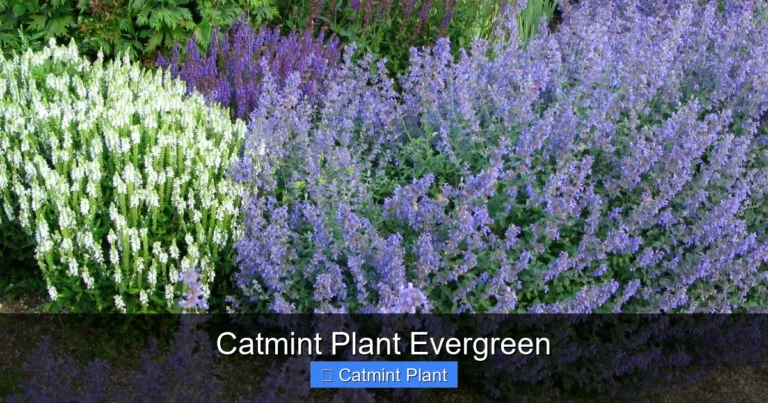
Catmint thrives alongside roses, lavender, and salvia thanks to shared sunlight and soil needs. Smart pairings deter pests naturally while attracting pollinators for a healthier, more vibrant garden ecosystem.
If you have ever grown catmint, you know it is a garden superstar. This perennial blooms for months. It laughs at drought. Deer and rabbits walk right past it. Bees and butterflies cannot get enough of those lavender-blue flower spikes. But here is a secret: catmint gets even better when you give it the right neighbors. Picking the perfect companion plant for catmint transforms a pretty border into a powerhouse planting. The right partners share the same tough conditions. They cover each other’s weak spots. They bring in more beneficial insects. Today we will walk through everything you need to know about choosing, planting, and enjoying the best companions for your catmint.
We will look at classic pairings like roses and lavender. We will explore unexpected combos with ornamental grasses and late-season bloomers. You will learn design tricks for small spaces and containers. We will even cover the few plants you should keep far away from your catmint. By the end, you will have a planting plan that looks gorgeous from spring through frost and asks very little of you in return. Let us dig in.
Key Takeaways
- Catmint loves full sun and well-drained soil: Choose companions with identical growing requirements for effortless success.
- Roses make classic partners: Catmint hides bare rose canes and repels aphids with its aromatic foliage.
- Mediterranean herbs thrive together: Lavender, rosemary, and sage share catmint’s drought tolerance and deer resistance.
- Pollinator magnets multiply: Pair catmint with coneflowers, bee balm, or salvia to create a buzzing wildlife haven.
- Avoid heavy feeders and shade lovers: Plants needing rich, moist soil will struggle beside low-maintenance catmint.
- Succession planting extends blooms: Combine early, mid, and late-season bloomers for continuous color.
- Container combos work beautifully: Use catmint as a spiller with upright thriller plants for stunning pots.
Quick Answers to Common Questions
What is the single best companion plant for catmint?
Roses are widely considered the top companion plant for catmint because catmint hides bare rose canes, repels aphids with its scent, and shares the same sun and drainage needs.
Can I plant catmint with lavender?
Yes, lavender and catmint are ideal partners. Both thrive in full sun, lean soil, and dry conditions, and their silvery foliage and purple blooms create a beautiful, harmonious display.
Will catmint choke out other plants?
Catmint spreads by self-seeding and can form a wide mound, but it is not an aggressive rhizomatous spreader like mint. Give it eighteen inches of space and divide every few years to keep it polite.
What should I not plant near catmint?
Avoid moisture-loving plants like hostas and astilbes, heavy feeders like dahlias, aggressive spreaders like bee balm, and any plant that casts deep shade.
Does catmint help vegetables in the garden?
Absolutely. Catmint repels aphids, squash bugs, and cabbage moths while attracting pollinators, making it a valuable companion plant for catmint near tomatoes, squash, and brassicas.
📑 Table of Contents
- Why Companion Planting Matters for Catmint
- Top Perennial Companions for Catmint
- Best Annual and Biennial Companions
- Ornamental Grasses for Texture and Movement
- Edible and Herb Companions
- Design Strategies for Companion Planting
- Plants to Avoid Near Catmint
- Seasonal Care for Catmint and Companions
- Troubleshooting Common Issues
- Regional Considerations
- Propagation to Expand Your Plantings
- Creating a Catmint-Centered Garden Plan
- Conclusion
Why Companion Planting Matters for Catmint
Shared Cultural Needs Make Care Easy
Catmint, known botanically as Nepeta, hails from dry, sunny hillsides across Europe and Asia. It wants full sun. It demands sharp drainage. It thrives on neglect once established. When you pick a companion plant for catmint that shares these preferences, you water once and feed rarely. Every plant in the bed is happy. No plant gets too much water or too much shade. This is the foundation of low-maintenance gardening.
Pest Management Without Chemicals
Catmint releases volatile oils that confuse and repel many common garden pests. Aphids hate it. Flea beetles avoid it. Squash bugs steer clear. When you tuck catmint near susceptible plants, you create a living shield. Roses, peonies, and vegetable crops all benefit from this aromatic protection. It is nature’s pest control, free and fragrance included.
Pollinator Power Multiplied
A single catmint plant hums with bees from June to September. Add a companion plant for catmint that blooms at the same time, and pollinator traffic skyrockets. Better pollination means more fruit on your tomatoes, more seeds on your coneflowers, more life everywhere. The garden becomes a corridor, not just a collection of isolated plants.
Visual Harmony Through Texture and Form
Catmint forms a soft, billowing mound of gray-green foliage. Its flowers are airy spikes. This texture begs for contrast. Upright spires, bold leaves, or fine grasses all play off that relaxed shape. Thoughtful companions turn a pleasant plant into a designed scene. The garden looks intentional, not accidental.
Top Perennial Companions for Catmint
Roses: The Timeless Duo
Ask any seasoned gardener for the number one companion plant for catmint, and they will say roses. The pairing is legendary. Roses often have bare, thorny legs at the base. Catmint’s mounding habit covers those knobby canes perfectly. The soft gray foliage and lavender flowers look stunning against deep red, pink, or white rose blooms. Both want full sun and good drainage. Catmint’s scent masks the rose’s fragrance from aphids, reducing infestations naturally. Plant catmint in a drift along the front of a rose border. Space plants eighteen inches apart. Let them knit together into a living mulch that suppresses weeds and conserves moisture.
Lavender: Mediterranean Soulmates
Lavender and catmint are cut from the same cloth. Both are Mediterranean natives. Both demand sun, heat, and lean soil. Both despise wet feet. Both bring silver foliage and purple flowers. Plant them together and you double the visual impact with half the work. The color harmony is instant. The scent combination is intoxicating on a warm evening. Bees move seamlessly from one to the other. For a classic look, alternate ‘Hidcote’ lavender with ‘Walker’s Low’ catmint along a sunny path. Shear both after the first flush to encourage a tidy second bloom.
Salvia: Vertical Accents
Salvia adds the vertical punctuation that catmint lacks. Where catmint spreads, salvia spikes. Where catmint is cool-toned, salvia offers reds, purples, and blues. ‘May Night’ salvia is a bulletproof partner. It blooms in sync with catmint. The deep indigo spikes rise above the catmint haze. Hummingbirds fight over the salvia while bees work the catmint. Other great salvias include ‘Caradonna’ with its dark stems, ‘East Friesland’ for compact habit, and the annual ‘Black and Blue’ for tropical flair. Deadhead both for months of color.
Coneflowers: Prairie Partners
Echinacea brings bold, daisy-like flowers and strong upright stems. The central cones feed goldfinches in winter. Catmint fills the gaps at their feet. Both are native to open, sunny habitats. Both handle drought like champions. Purple coneflower is the classic choice, but ‘Cheyenne Spirit’ mixes oranges, reds, and yellows for a hotter palette. ‘Green Jewel’ adds lime-green petals for something unexpected. Plant coneflowers eighteen inches apart. Fill between with catmint. The coneflowers rise through the catmint mound like islands in a purple sea.
Yarrow: Flat-Topped Contrast
Achillea offers flat corymbs of tiny flowers in yellow, white, pink, or red. The ferny foliage contrasts beautifully with catmint’s simple leaves. Yarrow spreads slowly by rhizomes. Catmint spreads by self-seeding. Together they knit a weed-proof mat. ‘Moonshine’ yarrow with its sulfur-yellow heads is a standout beside blue catmint. ‘Paprika’ brings spicy red that fades to pink. Both yarrow and catmint make excellent cut flowers. Harvest freely for bouquets.
Russian Sage: Airy Architecture
Perovskia atriplicifolia, or Russian sage, is essentially a giant, see-through catmint. It shares the same mint family genetics. The silvery stems and lavender-blue flowers create a hazy cloud up to four feet tall. Catmint makes the perfect skirt at its base. The combination reads as one cohesive planting rather than two separate plants. ‘Denim ‘n Lace’ is a compact variety that won’t flop. Pair it with ‘Junior Walker’ catmint for a scaled-down version of this classic duo.
Best Annual and Biennial Companions
Verbena bonariensis: See-Through Height
This South American native sends up tall, wiry stems topped with tiny purple clusters. It floats above catmint like a purple mist. Butterflies adore it. It self-sows gently, appearing in new spots each year. The open habit means it never shades the catmint below. Plant a few behind a catmint drift. Let them dance in the breeze. They add height without bulk.
Cosmos: Feathery Fillers
Cosmos bipinnatus brings ferny foliage and large daisy flowers in pink, white, and crimson. It grows fast from direct-sown seed. It blooms all summer with deadheading. The airy texture echoes catmint’s softness. ‘Sensation Mix’ gives a cottage garden look. ‘Double Click’ offers frilly double blooms. Scatter seeds between catmint plants in spring. Thin to twelve inches. Enjoy armloads of cut flowers.
Zinnias: Bold Color Pops
Zinnias deliver saturated color that catmint’s pastel spikes cannot. ‘Benary’s Giant’ series offers huge blooms on strong stems. ‘Queen Lime’ series brings sophisticated antique shades. Both attract butterflies nonstop. Plant zinnias in clumps of three or five within the catmint. The catmint hides the zinnia’s sometimes bare lower stems. Zinnias need a bit more water, so spot-water them rather than the whole bed.
Annual Salvias: Nonstop Bloom
Salvia farinacea ‘Victoria Blue’ mimics perennial salvia but blooms harder and longer. Salvia coccinea ‘Lady in Red’ adds scarlet spikes that hummingbirds fight over. Both are heat lovers. Both ignore drought. Tuck them into gaps where catmint thins out after its first flush. They keep the color going until frost.
Ornamental Grasses for Texture and Movement
Blue Fescue: Cool-Toned Edging
Festuca glauca forms tight, spiky mounds of intense blue foliage. It stays under a foot tall. It never flops. It echoes catmint’s gray-blue palette in a completely different form. Plant blue fescue as a repeating edge along a border front. Catmint spills behind it. The contrast of spiky and billowing is pure design magic. ‘Elijah Blue’ is the most reliable cultivar.
Feather Reed Grass: Vertical Structure
Calamagrostis ‘Karl Foerster’ is the gold standard for upright grass. Wheat-colored plumes rise five feet in early summer. They stand rigid all winter. Catmint at the base softens the grass’s stiff posture. The grass provides a backdrop that makes the catmint’s color pop. This combo works in formal and naturalistic gardens alike. Cut grass back in late winter before new growth starts.
Mexican Feather Grass: Kinetic Energy
Nassella tenuissima flows like water. The finest texture in the grass world. It catches every breeze. It self-sows moderately. Plant it in drifts through catmint. The two move together in the wind. It creates a meadow feel even in a small bed. Note: check local invasiveness lists before planting. In some regions it spreads too eagerly.
Little Bluestem: Native Prairie Spirit
Schizachyrium scoparium brings blue-green summer foliage that turns copper-orange in fall. Fluffy white seed heads catch low light. It hosts skipper butterfly larvae. It thrives in the same lean, dry soil as catmint. ‘The Blues’ and ‘Standing Ovation’ are improved selections with stronger color and upright habit. Use it to transition from a formal catmint border to a wilder area.
Edible and Herb Companions
Thyme: Living Mulch
Creeping thyme forms a dense, fragrant carpet. It tolerates foot traffic. It blooms pink in early summer. Plant it between stepping stones or at the very front of a catmint border. The thyme suppresses weeds. The catmint towers above. Both release scent when brushed. Harvest thyme for kitchen use all season. ‘Elfin’ is extra tight. ‘Red Creeping’ has deeper flowers.
Oregano and Marjoram: Spicy Neighbors
Origanum species share catmint’s love of sun and drainage. Greek oregano spreads steadily. Golden oregano adds chartreuse foliage. Sweet marjoram is tender but self-sows. All attract beneficial insects. All deter pests. Plant them in a dedicated herb corner with catmint as the anchor. Harvest regularly to keep them bushy.
Sage: Broad-Leaved Contrast
Culinary sage (Salvia officinalis) offers broad, pebbly, gray-green leaves. ‘Berggarten’ has huge leaves. ‘Purpurea’ brings purple new growth. ‘Tricolor’ splashes white, green, and pink. The leaf shape contrasts sharply with catmint’s small, pointed leaves. Sage spikes of blue flowers echo catmint’s bloom. Both are deer-proof. Both hate wet soil. Perfect partners.
Rosemary: Architectural Herb
In zones 7 and warmer, rosemary becomes a shrub. Upright varieties like ‘Tuscan Blue’ hit four feet. Prostrate types spill over walls. The needle-like foliage is dark green and resinous. Blue flowers appear in winter and spring. Catmint covers the rosemary’s woody base. The combination feeds pollinators almost year-round in mild climates. In colder zones, grow rosemary in a pot and plunge it into the catmint bed for summer.
Vegetable Garden Allies
Catmint earns its keep in the food garden. Plant it near tomatoes to repel aphids and whiteflies. Border squash and cucumbers to deter squash bugs and cucumber beetles. Edge brassica beds to confuse cabbage moths. The flowers bring pollinators to beans, peas, and fruit trees. Just remember: catmint spreads. Give it a contained spot or plan to divide it every few years. A companion plant for catmint in the vegetable patch is a worker, not a decoration.
Design Strategies for Companion Planting
Drifts and Repetition
Nature does not plant in onesies. Neither should you. Buy at least three of each companion plant for catmint. Five or seven is better. Plant them in loose drifts. Let the drifts intermingle. Repeat the same drift two or three times down a border. This creates rhythm. The eye moves smoothly. The garden feels cohesive, not chaotic. Odd numbers look more natural than even numbers.
Height Layering
Think in three tiers. Tall: Russian sage, verbena, feather reed grass. Middle: coneflowers, salvia, roses, yarrow. Low: catmint, thyme, blue fescue, oregano. Arrange tall at the back (or center of island beds). Middle in front. Low at the edge. This ensures every plant gets sun. Every plant is visible. The layers create depth. A flat bed looks boring. A layered bed looks lush.
Color Echoes and Contrasts
Catmint’s blue-lavender-blue is a cool neutral. It goes with everything. For harmony, pair with pink, purple, white, and silver. Roses, coneflowers, phlox, lavender. For excitement, pair with hot colors. Yellow yarrow. Orange butterfly weed. Red salvia. Crimson zinnias. The cool catmint tempers the heat. The hot colors wake up the blue. Try both approaches in different beds. See which sings to you.
Succession of Bloom
Catmint peaks in early summer. Shear it hard after the first flush. It reblooms in late summer. But there will be a gap. Fill it with companions that peak at different times. Early: alliums, salvia, yarrow. Mid: coneflowers, roses, lavender. Late: Russian sage, sedum, goldenrod, asters. Winter: grass plumes, coneflower seed heads, sage foliage. Plan for twelve months of interest, not just June.
Container Combinations
Catmint shines in pots. Use the thriller-filler-spiller formula. Thriller: upright grass, salvia, or dwarf conifer. Filler: catmint. Spiller: creeping thyme, calibrachoa, or sweet potato vine. Pot must have drainage. Use gritty potting mix. Water when top inch is dry. Fertilize lightly. Overwinter pots in unheated garage in cold zones. Repot every spring. A companion plant for catmint in a container needs the same tough love.
Plants to Avoid Near Catmint
Moisture Lovers
Hostas, astilbes, ferns, and ligularias need consistent moisture. Catmint rots in wet soil. Planting them together dooms one or both. Keep shade plants in shade beds. Keep catmint in sun beds. Simple.
Heavy Feeders
Roses are an exception because they tolerate lean soil if mulched. But delphiniums, dahlias, and cannas want rich, fertile soil and regular feeding. Catmint gets floppy and flower-shy with too much nitrogen. Fertilize the heavy feeders individually. Do not broadcast feed the whole bed.
Aggressive Spreaders
Mint (true Mentha), bee balm (Monarda), and obedient plant (Physostegia) run by rhizomes. Catmint self-seeds. Together they become a thug fest. You will spend your life pulling runners. Keep aggressive spreaders contained. Or give them their own bed far from catmint.
Deep Shade Castors
Large shrubs and trees that cast dense shade will weaken catmint. It needs six plus hours of direct sun. Dappled shade all day is not enough. Morning sun only is not enough. Site catmint where the sun hits hard.
Seasonal Care for Catmint and Companions
Spring Awakening
Cut back all dead top growth in early spring. Do not wait for new growth to appear. You will damage tender shoots. Rake out debris. Apply a thin layer of compost around crowns. Do not mulch heavily. Gravel or chicken grit is better than bark. It reflects heat. It improves drainage. It deters slugs. Divide crowded clumps now. Replant divisions immediately. Water once to settle.
Summer Maintenance
Deadhead spent flowers weekly. This keeps bloom coming. Shear catmint by half after the first big flush. It looks brutal. It works. New growth appears in days. Flowers return in weeks. Water deeply but infrequently during drought. Once every two weeks is plenty for established plants. Watch for spider mites in hot, dry weather. Blast with hose if seen. Avoid pesticides. They kill the beneficials you worked hard to attract.
Fall Cleanup
Leave seed heads on coneflowers, grasses, and sedum. Birds need them. Insects overwinter in hollow stems. Cut back only diseased or floppy foliage. Catmint can be left standing. Its gray foliage looks good frosted. If you prefer tidy, cut catmint to six inches. Mulch new plantings with straw after ground freezes. Established plants need no winter protection.
Winter Planning
Walk the garden on a bright winter day. Note gaps. Note combos that worked. Note plants that failed. Sketch next year’s drifts. Order bare-root roses and perennials early. Start annual seeds indoors in late winter. Dream. Plan. The best gardens are built in January.
Troubleshooting Common Issues
Catmint Flopping Open
Center die-out happens with age. The fix: divide in spring. Dig the clump. Chop into fist-sized pieces. Replant the vigorous outer sections. Discard the woody center. Space new divisions eighteen inches apart. They will fill in fast. Also, avoid rich soil and overwatering. Both cause weak, floppy growth.
Companions Outcompeting Catmint
If a neighbor shades or crowds catmint, act fast. Prune the offender. Transplant the catmint to a sunnier spot. Or remove the aggressive plant. Catmint cannot compete with thugs. It needs its space and its sun.
Poor Bloom on Companions
Check sun hours. Six minimum. Check drainage. Dig a hole. Fill with water. It should drain in an hour. Check soil fertility. Too much nitrogen grows leaves, not flowers. Stop fertilizing. Top dress with compost only. Deadhead religiously. Some perennials need age. Peonies take three years. Baptisia takes two. Patience pays.
Pest Outbreaks
Aphids on roses? Blast with water. Release ladybugs. Spray neem oil at dusk. Japanese beetles on roses? Hand pick into soapy water. Milky spore for grubs long-term. Slugs on hostas (if you ignored advice and planted them nearby)? Beer traps. Copper tape. Diatomaceous earth. Healthy diverse plantings resist pests best. The companion plant for catmint strategy is your first line of defense.
Regional Considerations
Hot Humid South
Catmint can melt in zone 8-9 humidity. Choose ‘Six Hills Giant’ or ‘Walker’s Low’ for better tolerance. Plant in raised beds with extra grit. Space widely for airflow. Avoid overhead watering. Companions: heat-loving salvias, lantana, black-eyed Susan, ornamental grasses. Skip lavender. It often rots.
Cold North
Zone 3-4 gardeners need hardy catmint. ‘Dropmore’ and ‘Blue Wonder’ are tough. Mulch heavily after freeze. Companions: hardy roses, Siberian iris, daylilies, monarda, rudbeckia, Karl Foerster grass. Russian sage may die back but returns. Plant in spring, not fall, for best establishment.
Arid West
Catmint is a dream here. Native companions shine. Penstemon, agastache, eriogonum, salvia, artemisia. Use gravel mulch. Water deeply monthly in summer. No irrigation needed once established. Watch for root rot in winter wet. Plant on berms.
Pacific Northwest
Wet winters challenge catmint. Sharp drainage is non-negotiable. Plant on slopes. Add pumice. Companions: hebes, cistus, lavender (in grit), sedums, grasses. Avoid heavy clay. Raised beds are your friend. Summer drought is easy. Winter wet is the killer.
Propagation to Expand Your Plantings
Division
Best done in early spring. Dig the whole clump. Use a sharp spade or knife. Cut into sections with roots and shoots. Replant immediately. Water well. Divide every three to four years to maintain vigor. Share extras with friends. Gardeners love free plants.
Stem Cuttings
Take four-inch cuttings in early summer. Strip lower leaves. Dip in rooting hormone. Stick in moist sand-perlite mix. Cover with plastic bag. Place in bright shade. Roots in three weeks. Pot up. Grow on. Plant out in fall. This works for catmint, lavender, rosemary, sage, salvia.
Seed
Catmint self-sows. Seedlings appear near mother plant. Transplant when small. Or collect seed heads in fall. Store dry and cool. Sow indoors in late winter. Barely cover. Light aids germination. Transplant seedlings after frost. Note: cultivars do not come true from seed. You get variable offspring. Fun for experimenters.
Layering
Low stems often root where they touch soil. Pin a stem down with a rock. Wait a month. Check for roots. Cut from mother. Dig and move. Easiest propagation ever. Works for catmint, thyme, prostrate rosemary.
Creating a Catmint-Centered Garden Plan
Sun Border Recipe
Back row: ‘Karl Foerster’ grass, ‘Denim ‘n Lace’ Russian sage, ‘David’ phlox. Middle row: ‘May Night’ salvia, ‘Cheyenne Spirit’ coneflower, ‘Moonshine’ yarrow, ‘Knock Out’ roses. Front row: ‘Walker’s Low’ catmint, ‘Hidcote’ lavender, ‘Elijah Blue’ fescue, ‘Elfin’ thyme. Edge: creeping thyme in paving gaps. All zones 5-9. Full sun. Lean soil. Low water. High pollinator value. Year-round interest.
Cottage Garden Recipe
Mix catmint with old-fashioned favorites. ‘Madame Hardy’ damask rose. ‘Festiva Maxima’ peony. ‘Caesar’s Brother’ Siberian iris. ‘Alba’ foxglove (biennial). ‘Blue Bedder’ salvia (annual). ‘Sensation’ cosmos (annual). ‘Munstead’ lavender. ‘Goldsturm’ rudbeckia. ‘Autumn Joy’ sedum. Let them self-sow. Edit ruthlessly. Enjoy the chaos.
Mediterranean Gravel Garden Recipe
Mulch entire bed with two inches pea gravel. Plant: ‘Tuscan Blue’ rosemary, ‘Berggarten’ sage, ‘Hidcote’ lavender, ‘Walker’s Low’ catmint, ‘Elijah Blue’ fescue, ‘Moonshine’ yarrow, ‘Pink Beauty’ cistus, ‘Miss Willmott’s Ghost’ eryngium. No irrigation after year one. Incredible scent. Incredible texture. Very low work.
Pollinator Pocket Recipe
Small space? Ten by ten feet. Center: ‘Blue Fortune’ agastache. Ring: ‘Walker’s Low’ catmint (three plants). Next ring: ‘Raspberry Wine’ monarda (three). Outer ring: ‘Butterfly Blue’ scabiosa (five). Corners: ‘Profusion’ zinnias (four). Edge: ‘Elfin’ thyme. Blooms May to frost. Bees, butterflies, hummingbirds daily. Cut flowers weekly.
Conclusion
Choosing the right companion plant for catmint is one of the smartest moves you can make in a sunny garden. You get pest resistance, pollinator support, visual harmony, and easier maintenance all at once. The best partners share catmint’s love of sun, drainage, and lean soil. Roses, lavender, salvia, coneflowers, yarrow, Russian sage, ornamental grasses, and Mediterranean herbs all step up beautifully. Annuals like verbena, cosmos, and zinnias fill gaps and extend the show. Even vegetables benefit from catmint’s protective presence.
Avoid the temptation to force incompatible plants into the same bed. Moisture lovers, heavy feeders, aggressive spreaders, and shade casters will only bring frustration. Stick to the tough, sun-loving tribe. Design with drifts, layers, color echoes, and bloom succession in mind. Care for the planting with a light hand: shear after first bloom, water deeply but rarely, leave winter structure for wildlife. Propagate your favorites to expand the magic.
Whether you plant a grand border, a gravel garden, a cottage jumble, or a single large pot, catmint and its companions will reward you with months of color, fragrance, and life. The garden becomes a place you want to be, not a list of chores you have to do. That is the real harvest. So grab a trowel, pick your partners, and start planting. Your catmint is waiting for its new best friends.
Frequently Asked Questions
How far apart should I plant catmint from its companions?
Space catmint eighteen to twenty-four inches from companion plants to allow good air circulation and prevent overcrowding. Larger companions like roses or Russian sage need a bit more room, while low creepers like thyme can be tucked closer.
Can catmint grow in partial shade?
Catmint tolerates light afternoon shade in hot climates but blooms best and stays compact with at least six hours of direct sun. In too much shade, it becomes leggy, flowers poorly, and is more prone to powdery mildew.
When should I cut back catmint for a second bloom?
Shear catmint back by half immediately after the first heavy flush fades, usually in early July. Water well afterward. Fresh foliage and flowers will return in two to three weeks for a strong late-summer show.
Is catmint deer and rabbit resistant?
Yes, the strong aromatic oils in catmint foliage make it highly unpalatable to deer and rabbits. It is one of the most reliable critter-proof perennials for unfenced gardens.
Can I grow catmint in containers with other plants?
Catmint thrives in containers with gritty, well-drained potting mix. Pair it with other drought-tolerant sun lovers like salvia, sedum, or ornamental grasses. Ensure the pot has drainage holes and water only when the top inch of soil is dry.
Does catmint attract cats like catnip does?
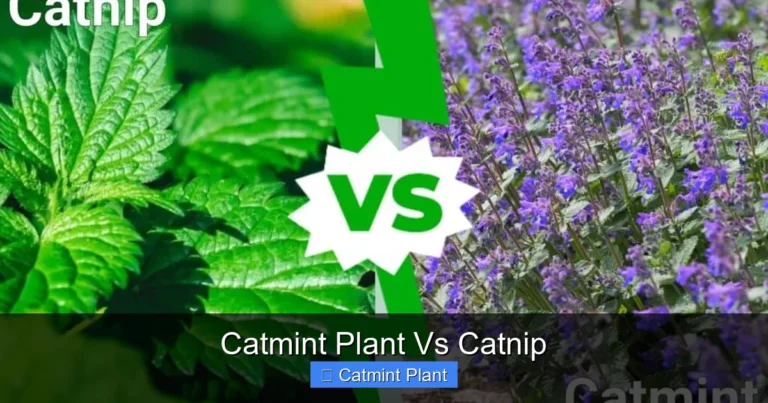
Catmint (Nepeta x faassenii) contains nepetalactone but in lower concentrations than true catnip (Nepeta cataria). Some cats show mild interest, rolling or chewing, but most ignore ornamental catmint varieties completely.