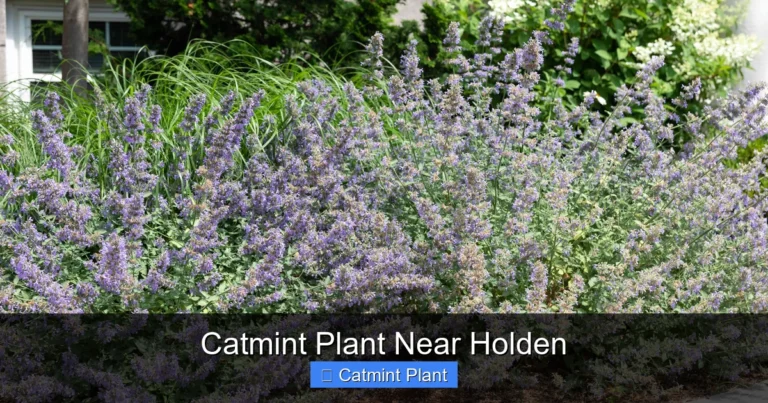
Outsidepride Blue Nepeta Catmint Herb Plant Flower Seed
Outsidepride Blue Nepeta Catmint Herb Plant Flower Seed gives you a hardy, aromatic herb that attracts pollinators and thrives in sun. It grows quickly, needs little water, and adds color to borders and containers.
Key Takeaways
- Easy to start: The seed germinates in 7‑14 days with minimal effort.
- Drought tolerant: Once established, the plant survives dry spells.
- Pollinator magnet: Bees and butterflies love the blue‑purple spikes.
- Versatile uses: Leaves flavor teas, salads, and herbal remedies.
- Low maintenance: Little pruning, no heavy feeding required.
- Long bloom season: Flowers appear from early summer to frost.
- Great for containers: Compact habit fits pots and window boxes.
Quick Answers to Common Questions
How long does it take for the seeds to germinate?
Seeds typically sprout in 7 to 14 days when kept at 65‑70 °F with light.
Can I grow this catmint in a container?
Yes, it thrives in pots 12 inches or larger with good drainage.
Does the plant attract cats?
Cats may be interested, but the plant is primarily a pollinator magnet.
When should I prune for a second bloom?
Shear back by one‑third after the first flush fades, usually midsummer.
Is fertilizer necessary?
No, a light compost top‑dressing in spring is sufficient.
📑 Table of Contents
Introduction
If you want a garden that smells wonderful and looks beautiful, you might think about catmint. Many gardeners choose Outsidepride Blue Nepeta Catmint Herb Plant Flower Seed because it is reliable and pretty. This seed packet gives you a plant that grows fast and asks for very little care. In this guide we will walk through everything you need to know. You will learn how to sow, how to nurture, and how to enjoy the harvest.
Catmint is a member of the mint family. It has soft gray‑green leaves and spikes of tiny blue flowers. The scent is sweet and a little minty. Cats love it, but bees and butterflies love it even more. The Outsidepride Blue Nepeta Catmint Herb Plant Flower Seed variety is known for its strong stems and long bloom time. It works well in sunny borders, rock gardens, and even large pots on a patio.
We will cover the basics first, then move on to planting steps, ongoing care, design ideas, and finally how to use the leaves and flowers. By the end you will feel confident growing this herb from seed to full bloom.
What Is Catmint?
Botanical background
Catmint belongs to the genus Nepeta. There are many species, but Nepeta × faassenii is the most common garden type. The Outsidepride Blue Nepeta Catmint Herb Plant Flower Seed is a selected cultivar of this hybrid. It was bred for a compact habit and intense blue color.
Growth habit
The plant forms a mound about 12 to 18 inches tall. It spreads 18 to 24 inches wide. Stems are square, a classic mint trait. Leaves are aromatic when crushed. Flowers appear in whorls along the stem. Each flower is tubular and a vivid blue‑purple.
Hardiness
Catmint thrives in USDA zones 3 through 8. It tolerates cold winters and hot summers. The Outsidepride Blue Nepeta Catmint Herb Plant Flower Seed performs well in both northern and southern gardens. It prefers full sun but can handle light shade.
Why Choose Outsidepride Blue Nepeta Catmint Herb Plant Flower Seed?
High germination rate
The seed packet is tested for a germination rate above 85 percent. That means most seeds will sprout. You get a strong start without wasting money.
Uniform plants
Because the seed comes from a single cultivar, the seedlings look alike. You get even height, even bloom time, and consistent fragrance.
Low input requirements
Once established, the plant needs little water and no fertilizer. It resists most pests and diseases. Deer and rabbits usually leave it alone.
Pollinator support
The blue spikes attract honeybees, bumblebees, and butterflies. Planting Outsidepride Blue Nepeta Catmint Herb Plant Flower Seed helps local pollinator populations.
Versatile garden uses
Use it as a border edge, a filler in perennial beds, or a thriller in container arrangements. Its soft texture contrasts nicely with bold foliage plants.
Planting Guide
When to sow
Sow seeds indoors 6 to 8 weeks before the last frost date. In warm climates you can direct‑sow after the soil warms to 60 °F. The Outsidepride Blue Nepeta Catmint Herb Plant Flower Seed germinates best at 65‑70 °F.
Seed preparation
No stratification is needed. Simply press the tiny seeds onto the surface of a moist seed‑starting mix. Do not cover them; they need light to germinate.
Containers and soil
Use shallow trays or cell packs. A light, well‑draining mix works best. Keep the mix evenly moist but not soggy. A clear dome helps retain humidity.
Light requirements
Place trays under grow lights or on a sunny windowsill. Provide 12‑14 hours of light daily. Seedlings will emerge in 7‑14 days.
Transplanting
When seedlings have two sets of true leaves, harden them off. Move them outdoors for a few hours each day, increasing time over a week. Then plant them in the garden 18 inches apart.
Direct sowing tips
If you direct‑sow, prepare a fine seedbed. Scatter seeds thinly, press lightly, and water gently. Thin seedlings to the strongest one every 12 inches.
Care and Maintenance
Watering
Water new transplants regularly until roots establish. After that, water deeply once a week during dry spells. The Outsidepride Blue Nepeta Catmint Herb Plant Flower Seed plant is drought tolerant once mature.
Mulching
Apply a 2‑inch layer of shredded bark or straw. Mulch conserves moisture and suppresses weeds. Keep mulch away from the crown to prevent rot.
Fertilizing
Catmint does not need heavy feeding. A light application of compost in early spring is enough. Avoid high‑nitrogen fertilizers; they promote leafy growth at the expense of flowers.
Pruning
Shear the plant back by one‑third after the first flush of blooms. This encourages a second bloom period. In late fall, cut stems to the ground.
Pest and disease management
Watch for aphids on new growth. A strong spray of water or insecticidal soap controls them. Powdery mildew can appear in humid conditions; improve air flow and avoid overhead watering.
Dividing
Every 3‑4 years, dig up the clump in early spring. Separate into smaller sections and replant. This rejuvenates the plant and prevents center die‑out.
Design Ideas
Border planting
Plant Outsidepride Blue Nepeta Catmint Herb Plant Flower Seed along the front of a sunny border. Its low mound creates a soft edge. Pair with lavender, salvia, or ornamental grasses for contrast.
Rock garden
The plant thrives in well‑drained, gritty soil. Tuck it among stones and alpine plants. The blue spikes add color to a mostly green scene.
Container combos
Use a 12‑inch pot with good drainage. Mix with trailing petunias or calibrachoa. The catmint stays upright while the trailers spill over.
Pollinator garden
Group several plants in a sunny corner. Add coneflower, bee balm, and milkweed. The result is a buzzing haven from June to October.
Herb garden integration
Place catmint near rosemary, thyme, and sage. The aromatic foliage blends well. Harvest leaves for tea while the flowers feed bees.
Harvesting and Uses
When to harvest leaves
Pick leaves just before the plant flowers for the strongest flavor. Snip stems in the morning after dew dries. Use fresh or dry for later.
Drying method
Bundle small stems and hang upside down in a dark, airy space. Leaves crumble easily when fully dry. Store in airtight jars away from light.
Culinary uses
Add fresh leaves to salads, fruit cups, or iced tea. The flavor is mild mint with a hint of citrus. Dried leaves make a soothing herbal tea.
Medicinal notes
Traditional herbalists use catmint for calm digestion and mild sleep aid. Consult a healthcare professional before using medicinally.
Craft uses
Dried flower spikes retain color. Use them in potpourri, sachets, or wreaths. The scent lasts for months.
Conclusion
Growing Outsidepride Blue Nepeta Catmint Herb Plant Flower Seed is a rewarding project for any gardener. The seed germinates quickly, the plant asks for little, and the payoff is months of blue blooms and sweet fragrance. Whether you want a pollinator haven, a low‑maintenance border, or a fresh herb for tea, this catmint fits the bill. Follow the planting guide, give it a bit of water and sun, and enjoy the show. Happy gardening!
Frequently Asked Questions
What soil type is best for Outsidepride Blue Nepeta Catmint Herb Plant Flower Seed?
Well‑drained, sandy or loamy soil with a neutral pH works best. Avoid heavy clay that stays wet.
How much sun does the plant need?
Full sun (at least 6 hours) produces the most flowers. Light shade is tolerated but reduces bloom.
Can I sow the seeds directly in the garden?
Yes, direct sow after the soil warms to 60 °F. Thin seedlings to 12‑inch spacing.
How do I prevent powdery mildew?
Space plants for air flow, water at the base, and avoid overhead irrigation.
When is the best time to divide mature clumps?
Early spring, just as new growth appears, is the ideal division time.
Are the leaves safe for pets?
Catmint is non‑toxic to dogs and cats, but large amounts may cause mild stomach upset.