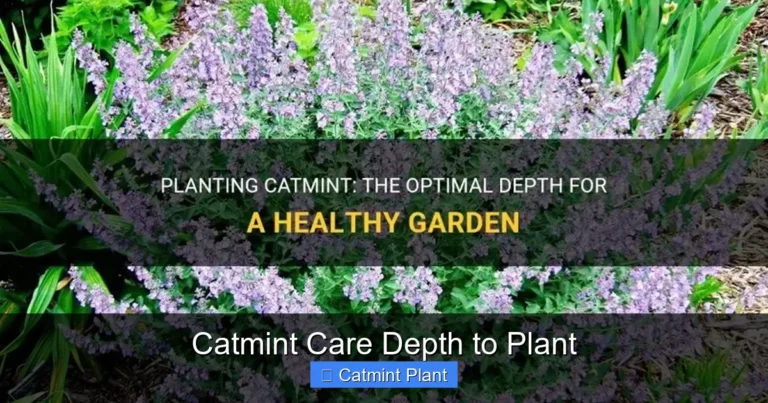
Native Plant Alternative to Catmint
Looking for a native plant alternative to catmint? This guide explores top North American natives like anise hyssop, bee balm, and mountain mint that offer similar beauty, pollinator appeal, and drought tolerance while supporting local ecosystems better than non-native catmint.
If you love catmint but want to garden more ecologically, you are in the right place. Catmint (Nepeta species) has earned its spot in countless gardens. It blooms for months. It handles drought like a champ. Bees adore it. And deer usually leave it alone. But here is the thing. Catmint comes from Europe and Asia. Our native insects did not evolve with it. Some use it. Many cannot.
Switching to a native plant alternative to catmint gives you similar beauty with a much bigger ecological payoff. Native plants feed specialist bees. They host caterpillars. They support entire food webs. And the best part? You do not sacrifice garden performance. Many natives match or beat catmint for bloom time, toughness, and good looks.
This guide walks you through the best native plant alternative to catmint options. You will learn which species fit your conditions. You will get planting and care tips. And you will see how to design stunning, wildlife-rich plantings that bloom all season. Let us dig in.
Key Takeaways
- Native plants support local wildlife: Native alternatives to catmint provide essential nectar, pollen, and habitat for native bees, butterflies, and birds that evolved alongside them.
- Anise hyssop leads the pack: Agastache foeniculum offers similar aromatic foliage, long bloom time, and pollinator magnetism as catmint but with superior ecological value.
- Mountain mint is a powerhouse: Pycnanthemum species attract more pollinator diversity per square foot than almost any other native perennial.
- Bee balm adds vibrant color: Monarda species bring bold reds, pinks, and purples with the same mint-family fragrance and pollinator appeal as catmint.
- Lower maintenance long-term: Once established, native catmint alternatives need less water, fertilizer, and pest management than non-natives.
- Season-long bloom is possible: By combining several native species, you can achieve continuous flowers from spring through frost.
- Deer resistance varies: Many native mint-family plants share catmint’s aromatic deer resistance, but protection may be needed for young plants.
Quick Answers to Common Questions
What is the best native plant alternative to catmint for pollinators?
Mountain mint (Pycnanthemum species) attracts the highest diversity and abundance of pollinators of any native perennial, outperforming even catmint in research trials.
Which native catmint alternative has the longest bloom time?
Anise hyssop (Agastache foeniculum) blooms from June through September, offering four months of continuous flowers that rival or exceed catmint’s bloom period.
Are native catmint alternatives deer resistant?
Yes, most native mint-family alternatives like anise hyssop, mountain mint, bee balm, and wild bergamot have aromatic foliage that deer typically avoid, though no plant is completely deer-proof.
Can I grow native catmint alternatives in containers?
Absolutely. Anise hyssop, bee balm, and mountain mint perform well in large containers (18+ inches) with well-draining potting mix and regular watering during establishment.
Do native catmint alternatives spread aggressively?
Some do. Mountain mint, bee balm, and wild bergamot spread by rhizomes. Anise hyssop self-sows. Choose clump-formers like coneflower, blazing star, and penstemon for contained spaces.
📑 Table of Contents
- Why Choose a Native Plant Alternative to Catmint?
- Top Native Plant Alternative to Catmint Options
- How to Choose the Right Native Alternative for Your Garden
- Planting and Care Tips for Native Catmint Alternatives
- Designing with Native Catmint Alternatives
- Common Challenges and Solutions
- Regional Native Plant Alternative to Catmint Recommendations
- Conclusion
Why Choose a Native Plant Alternative to Catmint?
The Ecological Case for Natives
Catmint is a generalist nectar source. Honeybees love it. Bumblebees love it. But many native bees are specialists. They only collect pollen from specific plant families. Some only visit one genus. When we fill gardens with non-natives, these specialists starve.
A native plant alternative to catmint changes that equation. Plants like anise hyssop, mountain mint, and bee balm coevolved with our native bees. They offer the right pollen chemistry. The right flower shape. The right bloom timing. Research shows native plant gardens support three to four times more bee species than non-native gardens. They also support more caterpillars. More caterpillars mean more birds. Ninety-six percent of terrestrial birds feed insects to their young. Your plant choices ripple through the whole food web.
Performance Benefits of Native Alternatives
Ecology aside, native plant alternative to catmint options often outperform catmint in tough conditions. They evolved in your climate. They handle your soil. They know your rainfall patterns. Deep roots make them incredibly drought tolerant once established. Many thrive in lean soil without fertilizer. And they have built-in resistance to local pests and diseases.
Catmint can flop in rich soil or humid summers. Some native alternatives stay upright without staking. Catmint may need division every few years. Many natives are longer-lived perennials. And several native mint-family plants share catmint’s aromatic oils that deter deer and rabbits.
What Makes a Good Catmint Substitute?
When evaluating a native plant alternative to catmint, look for these traits. Long bloom period. Ideally eight to twelve weeks or more. Aromatic foliage. This signals deer resistance and adds sensory appeal. Pollinator magnetism. You want buzzing life. Drought tolerance. Low water needs after establishment. Adaptability. Handles a range of soils and light conditions. And good garden manners. Clump-forming, not aggressive spreaders.
The plants below check most or all of these boxes. Some even surpass catmint in specific ways. Mountain mint attracts more pollinator diversity. Anise hyssop blooms longer in heat. Bee balm offers colors catmint never does.
Top Native Plant Alternative to Catmint Options
Anise Hyssop (Agastache foeniculum)
If you pick just one native plant alternative to catmint, make it anise hyssop. This prairie native delivers everything catmint does and more. Lavender-blue flower spikes bloom from June to September. That is four solid months. The foliage smells like licorice when brushed. Deer hate it. Bees, butterflies, and hummingbirds fight over it.
Anise hyssop grows two to four feet tall. It forms tidy clumps. It self-sows modestly but never becomes a thug. Full sun is best. It tolerates part shade. Well-drained soil is essential. Wet winter soil kills it. Once established, it laughs at drought. Cultivars like ‘Blue Fortune’ and ‘Golden Jubilee’ offer compact habits and chartreuse foliage respectively. But the straight species is a pollinator powerhouse.
Mountain Mint (Pycnanthemum species)
Mountain mint might be the single best native plant alternative to catmint for pure pollinator volume. Several species exist. Pycnanthemum muticum (clustered mountain mint) and Pycnanthemum tenuifolium (slender mountain mint) are garden favorites. Both produce dense heads of tiny white flowers subtended by silvery bracts. The effect is a frothy, luminous cloud from July through September.
The foliage emits a strong minty aroma when crushed. Deer avoid it. But the pollinator action is unreal. Studies at Penn State and Mt. Cuba Center found mountain mint attracted the highest diversity and abundance of pollinators of any perennial tested. We are talking native bees, wasps, flies, butterflies, beetles. All at once. All day long.
Clustered mountain mint spreads by rhizomes. Give it room or contain it. Slender mountain mint is more clump-forming. Both handle full sun to part shade. They tolerate moist to dry soil. They are tough as nails.
Bee Balm (Monarda species)
Bee balm brings something catmint never does. Bold, shaggy flowers in red, pink, purple, and lavender. Monarda didyma (scarlet bee balm) and Monarda fistulosa (wild bergamot) are the main species. Hybrids expand the palette. All have that signature mint-family square stems and aromatic foliage.
Bloom time is June to August. Deadheading extends it. Hummingbirds adore the tubular flowers. So do long-tongued bees. Butterflies perch on the flower heads. The foliage smells like oregano and thyme. Deer typically leave it alone.
Powdery mildew is the main issue. Choose resistant cultivars. ‘Jacob Cline’, ‘Raspberry Wine’, and ‘Purple Rooster’ show good resistance. Give plants good air circulation. Full sun helps. Moist, rich soil produces the best show. But established plants handle dry spells.
Purple Coneflower (Echinacea purpurea)
Coneflower is not a mint. But it fills a similar garden niche. Long bloom. Drought tough. Pollinator favorite. And it adds a completely different flower form. The iconic daisy flowers with raised cones bloom from June to frost. Deadheading promotes rebloom. Goldfinches eat the seeds in fall and winter.
Native bees and butterflies work the flowers constantly. The straight species is best for wildlife. Many fancy double cultivars offer little nectar or pollen. Plant in full sun. Well-drained soil is a must. Wet clay kills coneflowers in winter. They develop deep taproots. Once established, they are virtually indestructible.
Blazing Star (Liatris species)
Blazing star adds vertical drama. Tall spikes of purple flowers open from top to bottom. This is unusual. Most spikes bloom bottom to top. The effect is a long-lasting flower spike that stays attractive for weeks. Liatris spicata (dense blazing star) and Liatris pycnostachya (prairie blazing star) are common garden species.
Butterflies flock to blazing star. It is a monarch favorite during fall migration. Native bees gather pollen. The flowers make excellent cuts. Plants grow from corms. They need full sun and well-drained soil. They tolerate poor soil beautifully. Rich soil causes flopping. Once established, they are extremely drought tolerant.
Penstemon (Beardtongue Species)
Penstemons offer tubular flowers that hummingbirds and long-tongued bees adore. Many species exist. Penstemon digitalis (foxglove beardtongue) is a standout. White flowers with pink hints bloom in early summer. This bridges the gap between spring bulbs and summer perennials. ‘Husker Red’ adds maroon foliage.
Penstemon strictus (Rocky Mountain penstemon) brings intense blue-purple flowers. Penstemon cobaea (foxglove penstemon) has large, showy blooms. All need excellent drainage. They thrive in lean, even rocky soil. Fertilizer and rich soil shorten their lives. Full sun is best. They are relatively short-lived perennials but often self-sow.
Wild Bergamot (Monarda fistulosa)
Distinct from the showier Monarda didyma, wild bergamot is a prairie native with lavender-pink flowers. It is tougher. More drought tolerant. Less prone to mildew. And it spreads more aggressively by rhizomes. Great for meadow plantings. Less ideal for tidy borders.
The flowers are edible. The leaves make a delicious tea reminiscent of Earl Grey. This is the “bergamot” in Earl Grey tea. Native bees cover the flowers. Butterflies too. It blooms mid-summer. Full sun to part shade. Almost any well-drained soil. A fantastic native plant alternative to catmint for naturalistic designs.
How to Choose the Right Native Alternative for Your Garden
Match Plants to Your Light Conditions
Most native plant alternative to catmint options want full sun. That means six plus hours of direct sun. Anise hyssop, mountain mint, coneflower, blazing star, and penstemon all perform best in full sun. They will grow in part shade but bloom less and may flop.
Bee balm and wild bergamot tolerate more shade. They handle four to six hours of sun. Morning sun with afternoon shade works well. In hot southern climates, some afternoon shade benefits most of these plants. Observe your site through the seasons. Tree canopies change. Buildings cast shifting shadows.
Assess Your Soil Type and Drainage
Drainage is the make-or-break factor for many natives. Anise hyssop, coneflower, blazing star, and penstemon demand sharp drainage. They rot in heavy clay that stays wet. Amend clay with coarse sand and compost. Or plant in raised beds. Or choose species adapted to clay.
Mountain mint and bee balm handle heavier soil better. They tolerate seasonal moisture. But even they dislike standing water. Test your drainage. Dig a hole twelve inches deep. Fill with water. It should drain in a few hours. If it takes days, you have drainage issues. Address them before planting.
Consider Your Hardiness Zone
Most native plant alternative to catmint options are hardy in zones 3-8. Some extend to zone 9. Anise hyssop is zones 4-8. Mountain mint species vary but most cover 4-8. Bee balm is zones 4-9. Coneflower is zones 3-8. Blazing star is zones 3-8. Penstemon species vary widely. Check specific species for your zone.
Heat tolerance matters too. In zones 8-9, look for southern ecotypes. Plants sourced from local populations handle your heat and humidity better. Local native plant nurseries often carry regionally adapted stock. This is worth seeking out.
Think About Garden Style and Space
Formal border? Choose clump-formers. Anise hyssop, coneflower, blazing star, and penstemon stay in neat clumps. Meadow or naturalistic planting? Rhizomatous spreaders work beautifully. Mountain mint, bee balm, and wild bergamot knit together into a living matrix.
Small space? Look for compact cultivars. ‘Little Adder’ anise hyssop stays eighteen inches. ‘Petite Delight’ bee balm tops at fifteen inches. ‘Kobold’ blazing star reaches two feet. Container gardening? Anise hyssop, bee balm, and mountain mint all perform well in large pots. Ensure excellent drainage.
Plan for Succession of Bloom
Catmint blooms early summer to frost with a mid-summer pause. No single native matches that exact arc. But a combination delivers continuous flowers. Penstemon and wild bergamot start in late spring. Anise hyssop and bee balm peak early to mid-summer. Mountain mint and coneflower carry mid to late summer. Blazing star and late coneflower blooms extend into fall.
Plant at least three species with staggered bloom. This ensures constant pollinator support. It also keeps your garden colorful all season. Group plants in drifts of three to five for visual impact and pollinator efficiency.
Planting and Care Tips for Native Catmint Alternatives
When and How to Plant
Spring and fall are ideal planting times. Spring gives roots time to establish before summer heat. Fall planting works well in zones 6 and warmer. Roots grow until soil freezes. Avoid summer planting unless you can water diligently.
Prepare the planting hole twice as wide as the pot. Same depth. Loosen the root ball gently. If roots circle the bottom, tease them out. Place the plant. Backfill with native soil. Do not amend the hole with rich compost. This creates a “bathtub effect” where roots refuse to leave the amended zone. Water thoroughly. Mulch with two inches of shredded leaves or bark. Keep mulch off the crown.
Watering for Establishment
Even drought-tough natives need regular water their first season. Water deeply twice a week for the first month. Then once a week for the rest of the season. Adjust for rain. Deep, infrequent watering encourages deep roots. Frequent shallow watering creates dependent, shallow-rooted plants.
By year two, most established plants need water only during extended drought. Signs of drought stress include wilting that doesn’t recover by morning, leaf curling, and dropped flower buds. Water at the base. Avoid wetting foliage. This reduces disease pressure.
Fertilizing: Less Is More
Native plants evolved in lean soils. Fertilizer often does more harm than good. It promotes lush, weak growth. It reduces drought tolerance. It increases disease susceptibility. And it can shorten plant lifespan.
Skip fertilizer entirely for most native plant alternative to catmint options. If your soil is extremely poor, a light top-dressing of compost in spring is plenty. Never use high-nitrogen fertilizer. This is especially true for penstemon, blazing star, and coneflower. They prefer lean conditions.
Deadheading and Pruning
Deadheading extends bloom on many species. Snip spent flowers back to a leaf node. Anise hyssop, bee balm, and coneflower respond well. Mountain mint and blazing star have less rebloom potential. But deadheading prevents unwanted self-sowing.
Leave some seed heads for birds. Goldfinches love coneflower and anise hyssop seeds. In late winter, cut back dead stems to a few inches. This is also the time to divide clumps if needed. Most natives only need division every four to five years. Or when the center dies out.
Managing Spread
Some native plant alternative to catmint options spread enthusiastically. Mountain mint, bee balm, and wild bergamot spread by rhizomes. This is great for filling space. Less great for small beds. Strategies include: planting in bottomless pots sunk in the ground, using deep edging, dividing aggressively every spring, or choosing clump-forming species instead.
Anise hyssop self-sows. Deadhead before seeds mature if you want to limit volunteers. Or let them fill gaps. Volunteers are easy to pull or transplant. Penstemon and coneflower may self-sow modestly. Blazing star rarely self-sows in gardens.
Deer and Rabbit Resistance
Aromatic foliage provides natural deterrence. Anise hyssop, mountain mint, bee balm, and wild bergamot all have strong scents that deer and rabbits usually avoid. But “resistant” is not “proof.” Hungry animals eat anything. Young plants are most vulnerable.
Protect new plantings with cages or repellent sprays for the first month. Once established, the aromatic oils are stronger. Interplanting with highly resistant species creates a protective barrier. Note that in high-pressure areas, even resistant plants may get browsed.
Designing with Native Catmint Alternatives
Creating Pollinator Meadows
Replace lawn with a pollinator meadow using native plant alternative to catmint species. Start small. A ten-by-ten-foot patch supports hundreds of insects. Remove grass by smothering with cardboard and mulch. Or sod cut. Plant plugs twelve to eighteen inches apart. Mix grasses like little bluestem or prairie dropseed for structure.
Choose a matrix of three to five species. Mountain mint, anise hyssop, coneflower, and wild bergamot make a classic prairie mix. Add spring bulbs for early color. Camassia, allium, and native iris work well. Mow once a year in late winter. That is it. No fertilizer. No irrigation after year one.
Mixed Border Combinations
Integrate native plant alternative to catmint options into traditional borders. Pair anise hyssop with ornamental grasses. Panicum virgatum ‘Northwind’ or Schizachyrium scoparium ‘Standing Ovation’ provide vertical accents. Add late-season stars like Symphyotrichum (aster) and Solidago (goldenrod) for fall color.
Bee balm combines beautifully with Phlox paniculata, Echinacea, and Rudbeckia. The color echoes create cohesion. Use mountain mint as a “see-through” plant. Its airy texture lets you glimpse plants behind it. This adds depth to borders.
Container Gardens for Small Spaces
No yard? No problem. Many native plant alternative to catmint options thrive in containers. Use pots at least eighteen inches wide and deep. Fill with a mix of fifty percent high-quality potting soil, twenty-five percent coarse sand, and twenty-five percent compost. Ensure drainage holes.
Anise hyssop ‘Blue Fortune’ is a container star. Compact bee balm cultivars work well. Mountain mint needs a large pot but looks stunning. Water containers more frequently than in-ground plants. Fertilize lightly once in spring with slow-release organic fertilizer. Overwinter pots in an unheated garage in cold zones.
Rain Garden and Bioswale Plants
Some native plant alternative to catmint options handle periodic flooding. Bee balm, wild bergamot, and mountain mint tolerate wet feet for short periods. They are excellent for rain garden edges. Not the bottom. The bottom needs true wetland plants.
Plant these on the upper slopes of a rain garden. They slow water. Their deep roots create channels for infiltration. They filter pollutants. And they look beautiful doing it. Combine with native sedges, rushes, and cardinal flower for a functional, gorgeous rain garden.
Cutting Gardens and Bouquets
Many native plant alternative to catmint species make excellent cut flowers. Anise hyssop spikes last seven to ten days. Bee balm adds wild texture. Blazing star is a florist favorite. Coneflower petals drop but cones persist in dried arrangements. Mountain mint foliage and flowers add fragrance and filler.
Harvest in the morning. Use clean, sharp snips. Place stems immediately in cool water. Remove lower foliage. Change water daily. Recut stems every few days. Native flowers often have shorter vase life than bred cut flowers. But their charm and scent make up for it.
Common Challenges and Solutions
Powdery Mildew on Bee Balm
This is the number one issue with Monarda. White powdery coating on leaves. It looks bad. It weakens plants. Prevention is key. Choose resistant cultivars. ‘Jacob Cline’, ‘Raspberry Wine’, ‘Purple Rooster’, ‘Claire Grace’, and ‘Marshall’s Delight’ show good resistance. Space plants for air flow. Water at the base. Morning sun dries foliage fast.
If mildew appears, remove affected leaves. Do not compost. Spray with potassium bicarbonate or neem oil. A homemade spray of one tablespoon baking soda, one teaspoon horticultural oil, and one gallon water helps. Apply weekly. Cut badly infected plants to the ground. They often resprout clean.
Flopping Stems
Rich soil, too much water, or too much shade causes flopping. This is common with anise hyssop, coneflower, and blazing star. Solutions: plant in leaner soil. Water less. Ensure full sun. Pinch back stems by one-third in late May. This creates bushier, shorter plants. Or stake early. Use peony rings or bamboo stakes with twine. Install at planting time.
Short Lifespan of Some Species
Penstemon and some coneflower cultivars are short-lived perennials. They may decline after three to five years. This is natural. Not a failure. Allow self-sowing. Or divide and replant vigorous sections. Or simply replant new specimens. Keep a rotation going.
Anise hyssop, mountain mint, bee balm, and blazing star are longer-lived. They persist for many years with minimal care. Divide bee balm every three to four years to maintain vigor. Discard the woody center. Replant the outer sections.
Winter Wet Rot
This kills anise hyssop, penstemon, blazing star, and coneflower. They need dry crowns in winter. Heavy clay holds water. Solutions: plant in raised beds. Amend soil with coarse sand and compost. Mulch with gravel instead of organic mulch. Gravel drains instantly. It also reflects heat. Plant on slopes or berms. Avoid low spots.
Aggressive Spreading
Mountain mint, bee balm, and wild bergamot can overwhelm neighbors. In small gardens, this is a problem. Solutions: install root barriers. Eighteen-inch deep HDPE plastic barrier works. Plant in bottomless nursery pots sunk to the rim. Divide ruthlessly every spring. Share divisions with friends. Or choose clump-forming alternatives.
Lack of Pollinators Initially
New native plantings sometimes sit quietly. Pollinators need to find them. Be patient. It can take a season or two. Plant in groups. Three to five of each species. This creates a visible target. Add a water source. A shallow dish with stones. Avoid pesticides entirely. Even organic ones harm beneficial insects.
Register your garden with the Million Pollinator Garden Challenge. Connect with local native plant societies. They often have garden tours. Seeing mature native plantings inspires and educates.
Regional Native Plant Alternative to Catmint Recommendations
Northeast and Midwest
Anise hyssop (Agastache foeniculum) is native to the upper Midwest and Great Plains but naturalized throughout the Northeast. It performs beautifully in both regions. Mountain mint species (Pycnanthemum muticum, P. tenuifolium, P. virginianum) are widely native. Bee balm (Monarda didyma, M. fistulosa) covers the region. Coneflower (Echinacea purpurea) is native to the Midwest but thrives in the Northeast. Blazing star (Liatris spicata, L. pycnostachya) and penstemon (Penstemon digitalis, P. hirsutus) round out the palette.
Southeast
Heat and humidity challenge some northern natives. Look for southern ecotypes. Anise hyssop struggles in deep South humidity. Try Agastache nepetoides (yellow giant hyssop) instead. Native to the Southeast. Mountain mint species thrive. Pycnanthemum incanum (hoary mountain mint) is a southern star. Bee balm does well. Monarda didyma is native to the Appalachians. Monarda punctata (spotted bee balm) loves hot, sandy sites.
Coneflower works. Echinacea purpurea and E. pallida are native. Blazing star: Liatris spicata, L. pycnostachya, L. elegans. Penstemon: Penstemon digitalis, P. laevigatus, P. smallii. Add Salvia coccinea (tropical sage) for hummingbirds. It reseeds annually in the South. Perennial in zone 9+.
Great Plains and Prairie States
This is the heartland for many native plant alternative to catmint species. Anise hyssop is at home. Mountain mint species abound. Bee balm: Monarda fistulosa is the prairie species. Coneflower: Echinacea angustifolia, E. pallida, E. purpurea. Blazing star: Liatris punctata (dotted blazing star) is incredibly drought tough. Penstemon: Penstemon grandiflorus, P. cobaea, P. digitalis.
Add Ratibida columnifera (Mexican hat) and Coreopsis species. These extend the bloom season. They handle the extreme temperature swings. They thrive in lean, alkaline soils. They are the definition of low maintenance.
Mountain West and Intermountain
High elevation. Intense sun. Alkaline soils. Low humidity. Anise hyssop works in cooler mountain valleys. Mountain mint: Pycnanthemum virginianum handles altitude. Bee balm: Monarda fistulosa var. menthifolia is the western variety. Coneflower: Echinacea angustifolia is the plains species. Blazing star: Liatris punctata again shines.
Penstemon is the superstar genus here. Dozens of native species. Penstemon strictus, P. barbatus, P. eatonii, P. palmeri. They love the conditions. They bloom in spectacular colors. Red, pink, blue, purple, white. Hummingbird magnets. Extremely drought tolerant once established.
Pacific Northwest
Wet winters. Dry summers. Acidic soils. Anise hyssop needs sharp drainage. Mountain mint: Pycnanthemum virginianum works. Bee balm: Monarda didyma and M. fistulosa perform well. Coneflower handles the wet winters if drainage is good. Blazing star: Liatris spicata tolerates more moisture.
Penstemon: Penstemon serrulatus, P. cardwellii, P. davidsonii are western natives. Add Agastache rupestris (sunset hyssop) for orange flowers and licorice scent. It handles winter wet better than A. foeniculum. Eriophyllum lanatum (Oregon sunshine) adds yellow blooms and silver foliage.
California and Southwest
Mediterranean climate. Wet winters, bone-dry summers. Many eastern natives struggle. Look to western Agastache species. Agastache urticifolia (nettleleaf giant hyssop), A. cana (hummingbird mint), A. rupestris. These are the true native plant alternative to catmint for this region.
Monarda: Monarda fistulosa var. menthifolia in mountains. Monarda pectinata (plains bee balm) in deserts. Penstemon is king. Hundreds of species. Penstemon spectabilis, P. centranthifolius, P. eatonii, P. palmeri. Salvia: Salvia clevelandii, S. apiana, S. mellifera. These sages are aromatic, drought-tough, and pollinator favorites.
Conclusion
Choosing a native plant alternative to catmint is one of the highest-impact gardening decisions you can make. You get the long bloom, the drought tolerance, the deer resistance, and the beauty. Plus you get a living landscape humming with native bees, butterflies, and birds. You become part of the solution to pollinator decline. One garden at a time.
Start small. Pick one or two species that match your conditions. Plant them well. Water them in. Watch what happens. The first bee on your anise hyssop. The goldfinch on your coneflower. The hummingbird at your bee balm. These moments connect you to something ancient and essential.
Native plants are not a compromise. They are an upgrade. They belong here. They know this place. And they invite the life that belongs here too. Your garden can be a refuge. A waystation. A tiny piece of the wild, stitched back into the fabric of the land. All it takes is planting the right plants. The native plant alternative to catmint you choose today will feed generations of wildlife tomorrow.
So go ahead. Swap that catmint for anise hyssop. Plant a drift of mountain mint. Let bee balm paint your summer red and purple. Watch your garden come alive. You will not miss the catmint. I promise.
Frequently Asked Questions
Will native plant alternatives to catmint survive in clay soil?
Some native alternatives tolerate clay better than others. Bee balm, wild bergamot, and mountain mint handle heavier soils, while anise hyssop, coneflower, blazing star, and penstemon require sharp drainage. Amend clay with coarse sand and compost, or plant in raised beds for the drainage-sensitive species.
How long does it take for native catmint alternatives to establish?
Most native perennials follow the “sleep, creep, leap” pattern. They focus on root growth the first year (sleep), expand modestly the second year (creep), and reach full size and bloom potential the third year (leap). Regular watering the first season is critical for long-term drought tolerance.
Can I plant native catmint alternatives in part shade?
Bee balm and wild bergamot tolerate part shade (4-6 hours sun) well. Anise hyssop, mountain mint, coneflower, blazing star, and penstemon prefer full sun (6+ hours) but will grow in part shade with reduced flowering and potential flopping. Morning sun with afternoon shade is ideal in hot climates.
Do I need to fertilize native catmint alternatives?
No. Native plants evolved in lean soils and typically perform worse with fertilizer. Excess nitrogen promotes weak, floppy growth, reduces drought tolerance, and increases disease susceptibility. A light top-dressing of compost in spring is sufficient for even the poorest soils.
When should I cut back native catmint alternatives?
Leave stems standing through winter for wildlife habitat and winter interest. Cut back to a few inches above ground in late winter or early spring before new growth emerges. This timing also allows you to divide plants if needed. Deadhead during the growing season to extend bloom on species like anise hyssop, bee balm, and coneflower.
Where can I buy native plant alternatives to catmint?
Seek out native plant nurseries, not big-box stores. Local native plant societies often hold sales. Online native plant nurseries like Prairie Moon Nursery, Prairie Nursery, and Izel Plants ship healthy plugs and pots. Verify the species is native to your ecoregion for best adaptation and ecological value.