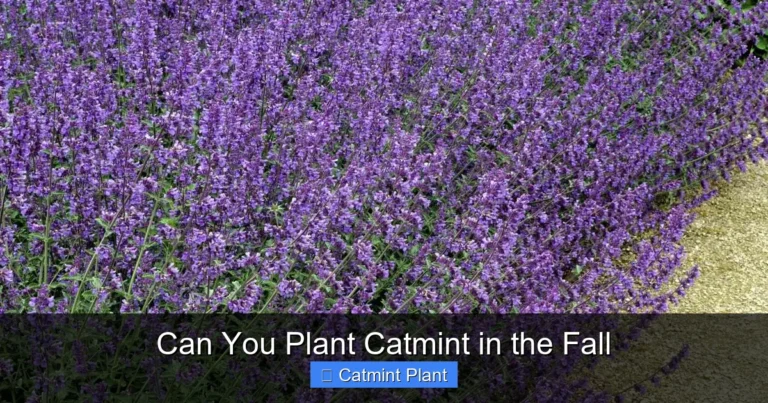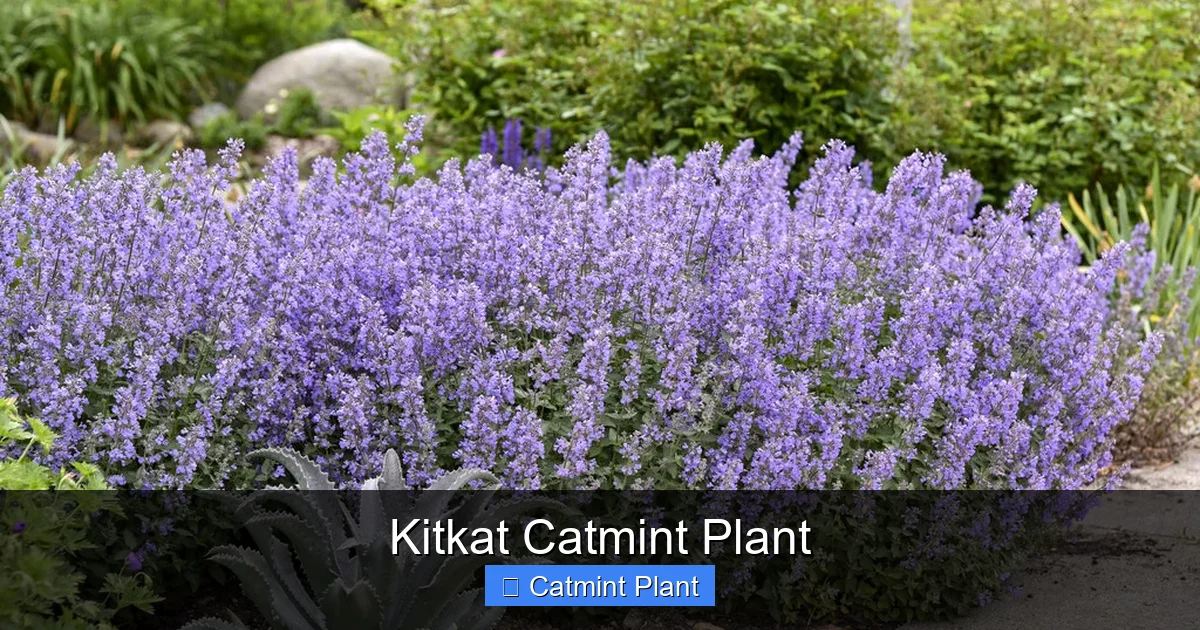
Kitkat Catmint Plant
The Kitkat Catmint Plant is a dwarf, compact variety of Nepeta that brings long-lasting blooms and aromatic foliage to any garden space. Perfect for borders, containers, and small gardens, this low-maintenance perennial attracts pollinators while delighting feline friends with its irresistible scent.
If you have been searching for a perennial that checks every box — compact size, long bloom time, drought tolerance, and that magical ability to make cats go crazy — the Kitkat Catmint Plant might just be your new garden obsession. This charming dwarf variety of catmint packs all the punch of its larger cousins into a neat, tidy package that fits practically anywhere. Whether you are edging a sunny pathway, filling a mixed container, or creating a pollinator pocket garden, this little powerhouse delivers months of color with barely any fuss.
I first discovered the Kitkat Catmint Plant a few years ago when I was redesigning my front border and needed something that would not flop over onto the sidewalk by midsummer. Most catmints I had grown got leggy and sprawling by July, but this one stayed tight and bloomed its heart out until frost. The bees could not get enough of it, and my neighbor’s cat became a regular visitor, rolling blissfully in the fragrant foliage. Since then, I have recommended it to countless gardening friends, and the feedback is always the same: why did I not plant this sooner?
Key Takeaways
- Compact Growth Habit: The Kitkat Catmint Plant reaches only 12-18 inches tall and wide, making it ideal for small gardens, borders, and container planting.
- Extended Bloom Season: Enjoy lavender-blue flowers from late spring through early fall with proper deadheading, providing months of color.
- Drought Tolerant Once Established: This hardy perennial thrives in dry conditions after its first growing season, requiring minimal supplemental watering.
- Pollinator Magnet: Bees, butterflies, and beneficial insects flock to the nectar-rich blooms, supporting garden biodiversity.
- Cat-Attracting Properties: Like all catmints, the Kitkat variety contains nepetalactone that triggers euphoric responses in most cats.
- Deer and Rabbit Resistant: The aromatic foliage naturally deters browsing animals, protecting your garden investment.
- Low Maintenance Care: Minimal pruning, fertilizing, and pest management make this an excellent choice for busy gardeners.
Quick Answers to Common Questions
How tall does the Kitkat Catmint Plant grow?
The Kitkat Catmint Plant typically reaches 12 to 18 inches in both height and spread, maintaining a compact, mounded form without flopping.
Does the Kitkat Catmint Plant come back every year?
Yes, the Kitkat Catmint Plant is a hardy perennial in USDA zones 4-9, returning reliably each spring with proper drainage and winter protection in colder zones.
When should I cut back my Kitkat Catmint Plant?
Cut back dead stems to 3-4 inches in early spring before new growth emerges. Shear by half after each bloom flush to encourage reblooming.
Is the Kitkat Catmint Plant the same as catnip?
No, the Kitkat Catmint Plant is an ornamental hybrid (Nepeta x faassenii ‘Kit Cat’) bred for compact growth and showy flowers, while catnip (Nepeta cataria) is a larger, weedy species grown primarily for cats.
Can I grow Kitkat Catmint Plant in a pot?
Absolutely. The Kitkat Catmint Plant thrives in containers with excellent drainage, gritty soil, and full sun. Use a pot at least 12 inches wide and water only when the top inch of soil is dry.
📑 Table of Contents
- Getting to Know the Kitkat Catmint Plant
- Ideal Growing Conditions for Kitkat Catmint Plant
- Planting and Establishing Your Kitkat Catmint Plant
- Ongoing Care and Maintenance
- Designing with Kitkat Catmint Plant in the Garden
- The Cat Connection: Why Felines Love Kitkat Catmint Plant
- Seasonal Care Calendar
- Troubleshooting Common Issues
- Conclusion
Getting to Know the Kitkat Catmint Plant
Botanical Background and Origins
The Kitkat Catmint Plant belongs to the genus Nepeta, a group of aromatic perennials in the mint family, Lamiaceae. While the species Nepeta cataria is the classic catnip that drives felines wild, the Kitkat variety is a cultivated hybrid — typically classified as Nepeta x faassenii ‘Kit Cat’ or sometimes sold under the name ‘Kitkat’. This dwarf selection was bred specifically for its compact, mounding habit and profuse flowering, making it a standout among the many catmint cultivars available today.
Unlike common catnip, which can look a bit weedy and aggressive in the garden, ornamental catmints like the Kitkat Catmint Plant are bred for beauty first. They offer tidy growth, showy flower spikes, and aromatic gray-green foliage that looks attractive even when not in bloom. The breeding work behind this variety focused on creating a plant that stays under 18 inches tall while pumping out flowers from late spring through fall — a tall order for such a small plant, but one it delivers on reliably.
Physical Characteristics and Growth Habit
The Kitkat Catmint Plant forms a neat, rounded mound of finely textured, aromatic foliage. The leaves are small, oval to heart-shaped, and covered in fine hairs that give them a soft, gray-green appearance. When brushed or crushed, they release a pleasant, minty-lemony fragrance that humans find refreshing and cats find irresistible. The plant typically reaches 12 to 18 inches in both height and spread, maintaining its compact shape without the need for constant pinching or pruning.
From late spring through early summer, the Kitkat Catmint Plant sends up dense spikes of tiny, two-lipped flowers in a lovely shade of lavender-blue. These blooms are held just above the foliage, creating a soft haze of color that catches the light beautifully. With regular deadheading — simply snipping off spent flower spikes — the plant will often rebloom multiple times, extending the show well into autumn. In mild climates, you might even see sporadic flowers during warm winter spells.
How It Differs from Other Catmint Varieties
You might be wondering how the Kitkat Catmint Plant stacks up against popular varieties like ‘Walker’s Low’, ‘Six Hills Giant’, or ‘Cat’s Pajamas’. The main difference is size. ‘Walker’s Low’ — despite its misleading name — grows 24 to 30 inches tall and wide. ‘Six Hills Giant’ can reach 3 feet or more. Even ‘Cat’s Pajamas’, a newer compact introduction, typically hits 14 to 18 inches but with a slightly more upright habit. The Kitkat Catmint Plant is one of the truly dwarf options, staying consistently low and spreading slowly, making it perfect for the front of the border, rock gardens, or containers where larger catmints would overwhelm their neighbors.
Another distinction is flower density. Because of its compact habit, the Kitkat Catmint Plant produces a higher concentration of flower spikes per square inch of foliage. This creates an incredibly floriferous display — a solid dome of lavender-blue when in full bloom. The flowers are also slightly smaller than those of larger varieties, but there are so many of them that the overall effect is more intense, not less.
Ideal Growing Conditions for Kitkat Catmint Plant
Sunlight Requirements
Like most Mediterranean-origin perennials, the Kitkat Catmint Plant thrives in full sun. It needs at least six hours of direct sunlight daily to produce its best growth and most abundant flowers. In hotter climates — think zones 8 and 9 — it will appreciate a bit of afternoon shade to prevent the foliage from scorching during the most intense heat. However, too much shade leads to leggy growth, fewer flowers, and increased susceptibility to fungal diseases. If you have a spot that gets morning sun and dappled afternoon light, that works beautifully. Just avoid deep shade; this plant wants to bake a little.

Visual guide about Kitkat Catmint Plant
Image source: plants.chaletnursery.com
Soil Preferences and Drainage
The Kitkat Catmint Plant is not fussy about soil fertility — in fact, it prefers lean, well-drained soil over rich, moist conditions. Heavy clay soils that stay wet in winter are a recipe for root rot. If your garden has clay, amend the planting area generously with coarse sand, fine gravel, or expanded shale to improve drainage. A slightly alkaline to neutral pH (6.5 to 7.5) is ideal, but the plant tolerates a range from 6.0 to 8.0 without complaint. Avoid planting in low spots where water collects after rain. Raised beds, slopes, and well-drained garden beds are all excellent choices.
Hardiness Zones and Climate Adaptability
The Kitkat Catmint Plant is reliably hardy in USDA zones 4 through 9, covering a vast swath of North America. In zone 4, it benefits from a light winter mulch of straw or shredded leaves after the ground freezes, especially during its first year. In zones 8 and 9, the main challenge is not cold but heat and humidity. Ensure excellent air circulation and avoid overhead watering to prevent fungal issues in humid southern summers. In zone 3, it can be grown as an annual or overwintered in a protected microclimate with heavy mulch. Gardeners in zone 10 may struggle with the lack of winter chill needed for proper dormancy, but it is worth trying in a container that can be moved to a cooler spot.
Watering Needs Through the Seasons
During its first growing season, water the Kitkat Catmint Plant regularly to establish a deep root system. Aim for about an inch of water per week, either from rainfall or supplemental irrigation. Once established — typically by the end of its first summer — this plant becomes remarkably drought tolerant. Its deep taproot and aromatic oils help it conserve moisture. In subsequent years, you will rarely need to water except during extended dry spells. Overwatering is actually more dangerous than underwatering; soggy soil leads to root rot and floppy growth. When in doubt, let the soil dry out between waterings.
Planting and Establishing Your Kitkat Catmint Plant
When to Plant
The best time to plant the Kitkat Catmint Plant is in spring, after the danger of hard frost has passed but before the heat of summer sets in. This gives the roots time to establish before they face temperature extremes. In mild climates (zones 7-9), fall planting is also excellent — the soil is still warm, encouraging root growth, while cooler air temperatures reduce stress on the foliage. Avoid planting during the hottest weeks of summer unless you can provide consistent moisture and temporary shade. If you must plant in summer, choose a cloudy day or plant in the evening, and water deeply immediately after planting.
Spacing and Layout Considerations
Space Kitkat Catmint Plants 12 to 18 inches apart, depending on how quickly you want them to fill in. For a solid mass or edging, plant on 12-inch centers. For a more open, specimen look in a mixed border, 18 inches gives each plant room to show its natural mounded form. When planting in containers, choose a pot at least 12 inches in diameter for a single plant, or 18 inches for a trio. Remember that while this variety is compact, it still needs air circulation around its base to stay healthy. Crowding leads to damp conditions that invite powdery mildew and crown rot.
Step-by-Step Planting Guide
Start by digging a hole twice as wide as the root ball but no deeper. The Kitkat Catmint Plant should sit at the same soil level it was in its nursery pot — planting too deep buries the crown and invites rot. If your soil is heavy, mix in coarse sand or grit at a ratio of about one part amendment to two parts native soil. Do not add compost or fertilizer to the planting hole; this plant performs best in lean conditions. Gently loosen any circling roots, place the plant in the hole, backfill with your amended soil, and firm gently with your hands. Water thoroughly to settle the soil and eliminate air pockets. Apply a thin layer of gravel mulch or shredded bark, keeping it away from the crown.
First-Year Care for Strong Establishment
The first year is all about roots. Water deeply once or twice a week during dry spells, allowing the soil to dry slightly between waterings. Do not fertilize — really, do not. Rich soil produces weak, floppy growth and fewer flowers. If you must feed, a single application of slow-release, low-nitrogen fertilizer in early spring is plenty. Pinch back the growing tips once or twice in late spring to encourage bushier branching. Remove any flower spikes that appear before midsummer to direct energy into root and foliage development. By late summer, let it bloom freely. Come winter, leave the foliage standing — it protects the crown and provides winter interest. Cut back to 3-4 inches in early spring before new growth emerges.
Ongoing Care and Maintenance
Pruning and Deadheading for Continuous Blooms
The secret to months of flowers on your Kitkat Catmint Plant is strategic deadheading. As the first flush of blooms begins to fade in early summer, shear the entire plant back by about one-third to one-half. This sounds drastic, but it triggers a fresh wave of growth and a second heavy bloom cycle in just a few weeks. Use clean hedge shears or hand pruners, cutting just above a set of leaves. Do this again after the second flush if you want a third round in early fall. In between major shears, snip off individual spent spikes to keep things tidy. The plant responds to this treatment with vigor, not stress.
Fertilizing: Less Is More
I cannot stress this enough: the Kitkat Catmint Plant does not want to be coddled with fertilizer. Excess nitrogen produces lush, soft growth that flops, attracts aphids, and reduces essential oil concentration — meaning less fragrance for you and less excitement for cats. If your soil is extremely poor (pure sand or construction fill), a light top-dressing of compost in early spring is acceptable. Otherwise, skip it entirely. The plant evolved in nutrient-poor, rocky soils of the Mediterranean and Central Asia. Lean conditions make it stronger, more aromatic, and more floriferous. Trust its genetics.
Managing Pests and Diseases
The Kitkat Catmint Plant is remarkably pest-resistant, thanks to its high essential oil content. Deer and rabbits avoid it. Most insects leave it alone. However, a few issues can arise. Aphids occasionally cluster on tender new growth in spring — blast them off with a strong jet of water or spray with insecticidal soap if needed. Spider mites can appear in hot, dry, dusty conditions; regular overhead watering (in the morning only) discourages them. Powdery mildew may show up as a white coating on leaves in humid weather with poor air circulation. Prevent it by spacing plants properly, watering at the base, and removing affected foliage promptly. Crown rot is the biggest killer, and it is almost always caused by wet winter soil. Excellent drainage is your best defense.
Dividing and Propagating
Every three to four years, your Kitkat Catmint Plant may develop a woody, bare center with all the growth on the outer edges. This is your cue to divide. Early spring, just as new growth emerges, is the ideal time. Dig up the entire clump, shake off excess soil, and use a sharp knife or spade to cut it into sections, each with healthy roots and several shoots. Discard the woody center. Replant divisions immediately at the same depth, water well, and treat as new plants. You can also propagate from softwood cuttings taken in late spring or early summer. Snip 4-inch stems, strip lower leaves, dip in rooting hormone, and place in a gritty potting mix. Keep humid and shaded until roots form in 3-4 weeks.
Designing with Kitkat Catmint Plant in the Garden
Perfect Companion Plants
The lavender-blue flowers and gray-green foliage of the Kitkat Catmint Plant play well with a huge palette of companions. For a classic cottage garden look, pair it with roses — the catmint hides bare rose canes and its fragrance may help deter aphids. Pink or white shrub roses like ‘Knock Out’ or ‘The Fairy’ are stunning against the blue haze. Other sun-loving perennials that bloom simultaneously include salvia ‘May Night’, coreopsis ‘Moonbeam’, echinacea ‘Magnus’, and rudbeckia ‘Goldsturm’. The warm yellows and pinks create a vibrant contrast. For a cooler palette, combine with white flowering plants like shasta daisy, white phlox, or gaura ‘Whirling Butterflies’.
Grasses add texture and movement. Try planting the Kitkat Catmint Plant alongside blue fescue (Festuca glauca) for a monochromatic blue-gray theme, or with Mexican feather grass (Stipa tenuissima) for airy contrast. In a Mediterranean-style bed, pair with lavender, rosemary, thyme, and sage — all sharing similar cultural needs. The catmint’s long bloom season bridges the gap between spring bulbs and summer perennials, making it a valuable “bridge plant” in mixed borders.
Container Gardening Success
The Kitkat Catmint Plant is a superstar in containers. Its compact size means it will not outgrow its pot in a single season, and its drought tolerance forgives the occasional missed watering. Choose a container with excellent drainage holes — terra cotta is ideal because it wicks moisture away from the roots. Use a gritty, well-draining potting mix: two parts quality potting soil, one part coarse sand or perlite, one part fine gravel. Do not use moisture-retentive crystals or water-holding gels. Plant at the same depth as in the nursery pot. Water thoroughly after planting, then let the top inch of soil dry before watering again. Feed once in spring with a slow-release, balanced fertilizer at half the recommended rate. In winter, move pots to a protected spot (unheated garage, against a south-facing wall) in zones 5 and colder.
Edging, Borders, and Mass Plantings
Few plants make a better front-of-border edging than the Kitkat Catmint Plant. Its uniform height creates a clean line that defines garden beds without blocking views of taller plants behind. Plant in a gentle curve rather than a straight row for a more natural look. For mass plantings, space on 12-inch centers in a staggered grid pattern — this creates a solid carpet of color that suppresses weeds and looks spectacular in bloom. A drift of 7, 9, or 11 plants (odd numbers look more natural) can anchor a sunny corner or flow along a pathway. The foliage stays attractive all season, so the edge looks tidy even when not in flower.
Rock Gardens and Slopes
The Kitkat Catmint Plant feels right at home in rock gardens and on sunny slopes. Its deep roots help stabilize soil on banks, and its preference for sharp drainage matches the conditions perfectly. Tuck it between rocks, letting it spill softly over edges. Combine with other alpine and rock garden favorites: sedums, sempervivums, dianthus, aubrieta, and dwarf conifers. The gray-green foliage echoes the tones of stone, while the lavender-blue flowers add a pop of color. On slopes, plant in horizontal bands across the grade to slow water runoff and create visual rhythm.
The Cat Connection: Why Felines Love Kitkat Catmint Plant
Understanding the Catmint Effect
If you have cats, you already know the drill: they sniff, they rub, they roll, they drool, they zone out. The Kitkat Catmint Plant contains nepetalactone, a volatile oil that mimics feline pheromones and triggers a temporary euphoric response in about 70-80% of cats. The reaction typically lasts 10-15 minutes, followed by a refractory period of an hour or two during which the cat is immune to the effect. It is completely harmless, non-addictive, and actually provides enrichment for indoor cats. Kittens under 3-6 months and some senior cats may not respond — sensitivity is genetic.
Protecting Your Plants from Over-Enthusiastic Cats
While it is delightful to watch cats enjoy your Kitkat Catmint Plant, a determined feline can flatten a young plant in minutes. If you are growing it for ornamental purposes and have outdoor cats (yours or neighbors’), protection is wise. A simple cylinder of chicken wire or hardware cloth placed around the plant until it is well-established works wonders. Once the plant is mature and woody at the base, it can withstand some rolling. Alternatively, grow a sacrificial plant in a less visible spot for the cats, and protect your prize specimens. Some gardeners plant catmint in hanging baskets or elevated containers to keep it out of reach — though athletic cats may still find a way.
Harvesting and Drying for Cat Toys
You can harvest stems of your Kitkat Catmint Plant to dry for homemade cat toys. Cut stems just as flowers begin to open — this is when essential oil content peaks. Hang small bundles upside down in a dark, dry, well-ventilated area for 1-2 weeks. Once crisp, strip leaves and flowers from stems, discarding woody parts. Store in airtight jars away from light. Stuff dried herb into fabric pouches, socks, or paper bags for instant cat entertainment. The potency lasts 6-12 months if stored properly. Your cats will thank you, and you will save a fortune on store-bought catnip toys.
Seasonal Care Calendar
Spring: Wake-Up and Clean-Up
In early spring, as soon as you see new green growth at the base, cut back last year’s dead stems to 3-4 inches above ground. Do not cut into the woody crown. Rake away any winter mulch and debris. This is also the time to divide if the clump is overcrowded or has a dead center. Apply a thin layer of compost around (not on) the crown if your soil is very poor. Otherwise, just let it be. Watch for the first flush of growth — it happens fast once temperatures warm.
Summer: Peak Performance
Late spring to early summer brings the first big bloom. Enjoy it! When flowers fade (usually late June to early July), shear the plant back by half. Water deeply after shearing to support regrowth. In hot, dry spells, water established plants every 2-3 weeks if no rain. Watch for aphids on new growth. Deadhead spent spikes between major shears to keep things tidy. Second bloom typically arrives 3-4 weeks after the first shear. Repeat the shear-after-bloom cycle for a potential third flush in late summer.
Fall: Preparing for Dormancy
After the final bloom fades in early fall, stop deadheading. Let the last flowers go to seed — they provide winter interest and food for birds. Do not fertilize. Do not cut back. The standing foliage protects the crown from freeze-thaw cycles and adds structure to the winter garden. In zones 4-5, apply a light mulch of straw or shredded leaves after the ground freezes, especially for first-year plants. In warmer zones, no mulch is needed.
Winter: Rest and Planning
The Kitkat Catmint Plant is dormant now. In mild climates, you may see a few green leaves at the base all winter. In cold climates, it dies back completely. Either way, leave it alone. This is a good time to browse catalogs and plan where to add more next spring. If you are in zone 4 or colder and have container-grown plants, ensure they are in a protected spot. Check occasionally that the soil has not dried out completely — a light watering once a month during warm, dry winters prevents desiccation.
Troubleshooting Common Issues
Leggy, Floppy Growth
If your Kitkat Catmint Plant looks like it is trying to escape its spot — long, weak stems flopping outward — the cause is almost always too much shade, too much water, or too much fertilizer. Move it to a sunnier spot (or thin overhanging branches), cut back on irrigation, and stop feeding. A hard shear in early summer will force compact regrowth. Next year, it will be stronger.
Yellowing Leaves
Yellow leaves usually signal overwatering or poor drainage. Check the soil — if it stays soggy, you have a drainage problem. If the plant is in a low spot, consider moving it to a raised bed or container. Yellowing can also indicate nutrient deficiency in extremely poor soil, but this is rare. A soil test will tell you for sure.
Center Die-Out
A bare, woody center with growth only on the edges means the plant is overdue for division. This typically happens every 3-4 years. Dig and divide in early spring as described earlier. The rejuvenated divisions will grow vigorously and fill in quickly.
No Flowers
If your Kitkat Catmint Plant produces lots of foliage but few flowers, it is likely getting too much nitrogen (from lawn fertilizer runoff, perhaps) or not enough sun. It could also be too young — first-year plants sometimes hold back. Ensure at least 6 hours of direct sun, stop fertilizing, and be patient.
Conclusion
The Kitkat Catmint Plant is one of those rare perennials that genuinely delivers on every promise. Compact? Check. Long-blooming? Check. Drought-tolerant? Check. Pollinator-friendly? Check. Cat-approved? Double check. It asks for so little — sun, drainage, and an annual haircut — and gives back months of color, fragrance, and life. Whether you are a seasoned gardener looking for a reliable edger, a beginner wanting a foolproof first perennial, or a cat lover hoping to earn feline devotion, this plant belongs in your garden.
I have watched my original Kitkat Catmint Plants thrive for five years now through drought, heat waves, and polar vortexes. They have fed countless bees, entertained a rotating cast of neighborhood cats, and never once asked for fertilizer or complained about my neglect. In a gardening world full of divas and disappointments, the Kitkat Catmint Plant is a steadfast friend. Plant one this spring. Plant three. Plant a drift along your sidewalk. You will wonder how you ever gardened without it.
Frequently Asked Questions
What is the difference between Kitkat Catmint Plant and Walker’s Low catmint?
The Kitkat Catmint Plant is a true dwarf variety staying 12-18 inches tall, while Walker’s Low grows 24-30 inches despite its name. Kitkat has denser flower spikes and a tighter mounding habit, making it better for small spaces and containers.
How often should I water Kitkat Catmint Plant?
Water regularly during the first growing season to establish roots. Once established, the Kitkat Catmint Plant is drought tolerant and only needs water during extended dry spells. Overwatering causes more problems than underwatering.
Will Kitkat Catmint Plant spread aggressively?
No, the Kitkat Catmint Plant is a clump-forming perennial that spreads slowly. It does not run by rhizomes or self-sow aggressively like some mint family members. Division every 3-4 years keeps it vigorous.
Why is my Kitkat Catmint Plant not flowering?
Lack of flowers usually means too much shade (needs 6+ hours sun), too much nitrogen fertilizer, or the plant is too young. Ensure full sun, stop fertilizing, and shear after any blooms to trigger rebloom.
Is Kitkat Catmint Plant safe for cats to eat?
Yes, the Kitkat Catmint Plant is non-toxic to cats. The nepetalactone in the foliage causes a temporary euphoric response in most cats but is harmless. Some cats may vomit if they eat large quantities, but this is rare.
Can Kitkat Catmint Plant grow in shade?
The Kitkat Catmint Plant tolerates light afternoon shade in hot climates but needs at least 6 hours of direct sun for best flowering and compact growth. Deep shade causes leggy, weak plants with few flowers.