How to Prune Catmint Plant
Pruning catmint keeps this hardy perennial tidy, encourages repeat flowering, and prevents woody centers. Cut back after the first flush of blooms in early summer, then again in late fall or early spring. Use clean, sharp shears and remove spent flower spikes to promote fresh growth.
If you grow catmint, you already know it’s one of the toughest, most reliable perennials in the garden. It laughs at drought, shrugs off poor soil, and blooms for months with almost zero fuss. But even this easygoing plant needs a haircut now and then. Learning how to prune catmint plant properly makes the difference between a neat, floriferous mound and a floppy, woody mess that collapses all over its neighbors.
I’ve been growing catmint for years, and I’ve made every pruning mistake in the book. I’ve cut too late, cut too little, forgotten to deadhead, and watched beautiful clumps turn into hollow-centered eyesores. The good news? Catmint is incredibly forgiving. Once you understand the rhythm of when and how to cut, you’ll get tighter plants, more flowers, and a longer season of color. Let’s walk through everything you need to know.
Key Takeaways
- Timing is everything: Prune after the first bloom cycle in early summer for a second flush, then do a hard cutback in late fall or early spring.
- Use the right tools: Clean, sharp bypass pruners prevent disease spread and make clean cuts that heal quickly.
- Don’t be afraid to cut hard: Catmint responds well to aggressive pruning. Cutting back by one-third to one-half rejuvenates the plant.
- Deadhead regularly: Removing spent flower spikes throughout the season keeps the plant blooming and looking neat.
- Watch for woody centers: Older plants develop dead zones in the middle. Hard pruning in early spring stimulates fresh growth from the base.
- Water and feed after pruning: A deep soak and light compost application help catmint recover fast and push new growth.
- Know your variety: Low-growing types like ‘Walker’s Low’ need lighter shaping, while tall cultivars benefit from staking and heavier cuts.
Quick Answers to Common Questions
When is the best time to prune catmint?
The best times are early spring (as new growth emerges) for a hard cutback to 3-6 inches, and early summer after the first bloom fades for a shear by one-third to one-half to encourage reblooming.
How far back can I cut catmint?
You can cut catmint back hard to 3-6 inches in early spring. In summer, shear by one-third to one-half. Always cut in green growth, never into woody basal stems.
Does catmint bloom more if you prune it?
Yes. Pruning removes spent flowers and stimulates new growth, which produces more flower buds. The early summer shear typically triggers a second flush of blooms.
Should I deadhead catmint during the season?
Yes. Weekly deadheading of spent flower spikes keeps the plant blooming longer and looking tidy. Snip back to a leaf node or side shoot.
Can I prune catmint in the fall?
You can cut catmint to the ground after hard frosts in late fall for cleanup, or leave stems standing until early spring for winter protection and wildlife habitat. Avoid pruning in early fall as it stimulates tender growth.
📑 Table of Contents
- Why Pruning Catmint Matters
- When to Prune Catmint for Best Results
- Tools You Need to Prune Catmint
- Step-by-Step Guide: How to Prune Catmint Plant
- Pruning Different Catmint Varieties
- Common Pruning Mistakes to Avoid
- Aftercare: Helping Catmint Thrive Post-Pruning
- Catmint Pruning Through the Seasons: A Quick Reference Calendar
- Troubleshooting Common Catmint Problems Related to Pruning
- Companion Planting and Pruning Considerations
- Final Thoughts on Pruning Catmint
Why Pruning Catmint Matters
Catmint (Nepeta) belongs to the mint family, and like its cousins, it wants to spread. Without regular pruning, stems grow long and lax, flopping outward from the center. This creates a bald spot in the middle of the plant where light and air can’t reach. The result? Fewer flowers, more disease pressure, and a plant that looks tired by midsummer.
Encourages Repeat Blooming
The biggest reason to prune catmint is simple: more flowers. Catmint blooms on new growth. When you shear off spent flower spikes, the plant redirects energy into producing fresh stems and buds. A well-timed midsummer cut can give you a second — sometimes even third — wave of blooms that lasts until frost.
Prevents Woody Centers
Over time, the base of a catmint plant becomes woody and bare. New growth emerges only from the tips of old stems, leaving the center hollow. Annual hard pruning in early spring forces fresh shoots from the crown, keeping the plant dense and full from the ground up.
Improves Air Circulation
Dense, unpruned foliage traps moisture. That’s an open invitation for powdery mildew and fungal leaf spots, especially in humid climates. Thinning the interior and removing spent stems lets air move freely, keeping leaves dry and disease-free.
Maintains Shape and Size
Some catmint cultivars spread three feet wide or taller. Without pruning, they swallow nearby plants, flop onto paths, and generally misbehave. Regular shaping keeps them in bounds and looking intentional rather than wild.
When to Prune Catmint for Best Results
Timing your cuts right is half the battle. Catmint has a distinct growth cycle, and pruning at the wrong moment can delay flowering or weaken the plant.
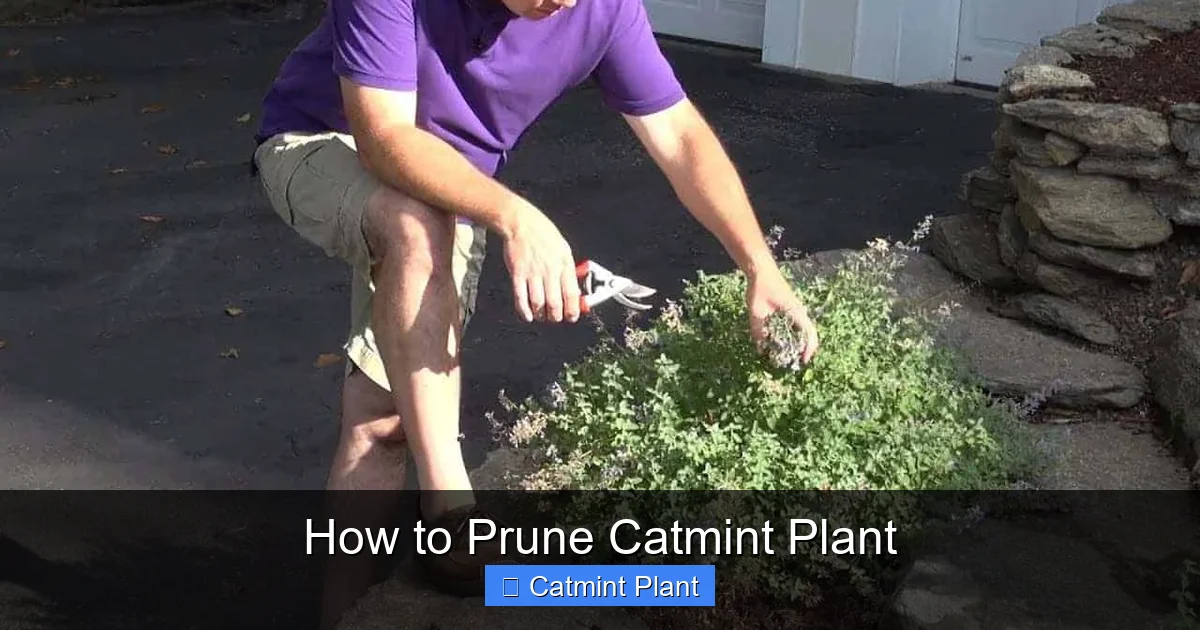
Visual guide about How to Prune Catmint Plant
Image source: freeplants.com
Early Spring: The Hard Cutback
This is the most important pruning of the year. As soon as you see new green shoots emerging at the base — usually March or April, depending on your zone — grab your shears. Cut the entire plant back to 3 to 6 inches above ground. Don’t be shy. This hard reset removes last year’s dead stems, stimulates vigorous new growth, and prevents that dreaded woody center.
If you’re in a cold climate, wait until the danger of hard freeze has passed. The old stems actually provide a bit of winter insulation for the crown. In warmer zones, you can cut earlier. Either way, do it before the new growth gets tall and leggy.
Early Summer: The Post-Bloom Shear
Catmint’s first big flush usually peaks in late spring to early summer. Once those flowers fade and the plant looks a bit ragged — typically June — it’s time for the second major cut. Shear the whole plant back by one-third to one-half. This looks drastic, but within two weeks you’ll see fresh green growth, and within three to four weeks, a new crop of flower buds.
This midsummer cut also prevents the plant from setting seed. Catmint self-sows enthusiastically. If you want volunteers, leave a few seed heads. If not, shear before seeds mature.
Late Summer: Optional Light Trim
If your catmint blooms again in late summer and starts to look tired, a light shaping trim keeps it tidy. Just snip off spent spikes and any straggly stems. Don’t cut hard this late — the plant needs time to harden off before winter.
Late Fall: Cleanup Cut
After a few hard frosts, the foliage turns brown and collapses. You have two choices. Cut everything to the ground now for a tidy winter garden. Or leave the dead stems until early spring — they catch snow, insulate the crown, and provide habitat for beneficial insects. Both approaches work. I leave mine standing for winter interest and wildlife, then cut in early spring.
Tools You Need to Prune Catmint
You don’t need a tool shed full of gear. A few basics make the job easy and clean.
Bypass Pruners
These are your workhorse. Bypass pruners work like scissors — two curved blades that slide past each other. They make clean, precise cuts that heal fast. Anvil pruners (one straight blade crushing against a flat plate) crush stems and invite disease. Spend a little extra on a quality pair with replaceable blades. Your wrists will thank you.
Hedge Shears
For the big early summer shear, hedge shears are faster than pruners. Long blades let you shape the whole mound in a few sweeping cuts. Look for lightweight aluminum handles and non-stick blades. Wavy-edged blades grip stems better than straight ones.
Gloves
Catmint stems are aromatic but not thorny. Still, gloves protect your hands from sap, dirt, and the occasional bee visiting late flowers. Nitrile-coated garden gloves give good dexterity and wash easily.
Disinfectant
Wipe blades with rubbing alcohol or a 10% bleach solution between plants, especially if you’ve cut any diseased material. This simple habit stops pathogens from hitching a ride to the next clump.
Bucket or Tarp
Have a container ready for clippings. Catmint stems are light but bulky. A pop-up garden bag or old tarp makes cleanup quick.
Step-by-Step Guide: How to Prune Catmint Plant
Now let’s get practical. Here’s exactly how to handle each pruning session through the year.
Early Spring Hard Pruning
- Wait for green shoots. Don’t cut while the plant is fully dormant. Look for new growth at the base.
- Gather your tools. Clean, sharp bypass pruners. Disinfect if you’ve used them on other plants.
- Cut to 3-6 inches. Grasp a handful of old stems and snip just above the new green growth. Work around the plant evenly.
- Remove dead material. Pull out any crispy, brown stems from the center. They pull away easily.
- Shape the mound. Aim for a rounded, slightly domed form. This sheds water and encourages even growth.
- Clean up. Rake debris from the crown. Apply a thin layer of compost around (not on) the base.
- Water well. A deep soak settles the soil and jump-starts root activity.
Early Summer Post-Bloom Shearing
- Watch for faded flowers. When the first flush is 80% spent and stems look leggy, it’s time.
- Choose your tool. Hedge shears for speed, pruners for precision.
- Cut back by one-third to one-half. Shear straight across the top, following the plant’s natural dome shape. Don’t cut into woody basal stems — stay in the green growth.
- Thin the interior. Reach in with pruners and remove a few of the oldest, thickest stems at ground level. This opens the center to light and air.
- Remove all clippings. Catmint debris can mat and smother the crown.
- Water and feed lightly. A drink of water and a handful of compost or balanced organic fertilizer fuels the comeback.
Deadheading During Bloom Season
Between the big cuts, snip individual spent flower spikes back to a leaf node or side shoot. This keeps the plant blooming longer and looking sharp. Walk through with pruners once a week during peak season. It takes five minutes and pays off in weeks of extra color.
Late Fall or Early Spring Cleanup
- Wait for dormancy. After several hard frosts, stems are brown and brittle.
- Cut to ground level. Use hedge shears or pruners. Leave 1-2 inches of stubble to mark the crown location.
- Mulch if desired. A light layer of shredded leaves or straw protects the crown in cold zones.
Pruning Different Catmint Varieties
Not all catmint grows the same way. Tailor your approach to the type you have.
Nepeta x faassenii (Faassen’s Catmint)
This is the classic garden catmint — ‘Walker’s Low,’ ‘Blue Wonder,’ ‘Junior Walker.’ They form neat mounds 12-30 inches tall. They respond beautifully to the standard regimen: hard spring cut, summer shear, fall cleanup. ‘Walker’s Low’ (Perennial Plant of the Year 2007) gets floppy if not sheared after first bloom. ‘Junior Walker’ is more compact and needs lighter shaping.
Nepeta racemosa (Racemose Catmint)
Lower, spreading types like ‘Little Titch’ or ‘Blue Ice’ form ground-hugging mats 8-12 inches tall. They need less aggressive pruning. Spring trim to remove winter damage. Light shear after bloom. Avoid cutting into the woody base — these regenerate slower from old wood.
Nepeta subsessilis (Japanese Catmint)
Taller, upright growers to 3 feet with larger leaves and showier flowers. ‘Candy Cat’ and ‘Cool Cat’ are popular. These benefit from staking or a peony ring. Prune hard in spring. After first bloom, cut back by half. They’ll rebound with a strong second flush. Pinch stem tips in late May for bushier, shorter plants that need less staking.
Nepeta grandiflora (Large-Flowered Catmint)
Big, bold plants to 3-4 feet. ‘Dawn to Dusk’ and ‘Bramdean’ are standouts. Treat like N. subsessilis — spring hard cut, summer shear, possible staking. These can get woody fast. Don’t skip the annual spring reset.
Nepeta kubanica and N. sibirica
Less common but worth growing. Upright, 2-3 feet. Similar care to N. subsessilis. Siberian catmint (N. sibirica) spreads by rhizomes. Prune to control width, and dig out runners that wander too far.
Common Pruning Mistakes to Avoid
Even experienced gardeners slip up. Here are the pitfalls I’ve seen (and done) over the years.
Pruning Too Early in Spring
Cutting while the plant is still dormant exposes the crown to freeze-thaw cycles. Wait for active growth. Those dead stems are doing a job — leave them until green shows.
Pruning Too Late in Fall
A late fall cut stimulates tender new growth that gets killed by winter. Stop hard pruning by early September in most zones. Light deadheading is fine, but put the shears away after Labor Day.
Cutting Into Woody Basal Stems
Catmint doesn’t break well from old wood. Always cut in the green, leafy portion. If the base is a tangle of dead stems, remove them entirely at ground level rather than heading them back.
Shearing Into a Flat Top
A flat-topped mound sheds water poorly and shades the center. Always maintain a gentle dome. Think “turtle shell,” not “buzz cut.”
Skipping the Summer Shear
This is the most common mistake. Gardeners enjoy the first bloom, then walk away. By August, the plant is a sprawling, flowerless tangle. That summer shear is non-negotiable for repeat performance.
Not Disinfecting Tools
Moving from a diseased plant to a healthy one spreads viruses and fungi. A 30-second alcohol wipe saves months of trouble.
Over-Fertilizing After Pruning
Catmint thrives in lean soil. Heavy feeding after a cut produces lush, floppy growth that collapses. A light compost top-dressing is plenty. Skip the nitrogen-heavy fertilizers.
Aftercare: Helping Catmint Thrive Post-Pruning
The cut is done. Now what? A little TLC helps the plant bounce back fast.
Water Deeply
After any major pruning, give the plant a long, slow soak. This reduces stress and encourages roots to support new top growth. Water at the base — wet foliage invites disease.
Apply Compost, Not Fertilizer
A half-inch layer of well-rotted compost around the drip line feeds slowly and improves soil structure. Avoid manure or high-nitrogen products. Catmint prefers lean conditions.
Mulch Lightly
An inch of shredded bark, straw, or leaf mold conserves moisture and suppresses weeds. Keep mulch away from the crown to prevent rot.
Watch for Pests
Fresh growth attracts aphids and spider mites. Check weekly. A strong blast of water or insecticidal soap handles small outbreaks. Healthy, well-pruned plants resist pests better than stressed ones.
Stake If Needed
Tall varieties often flop after the summer shear pushes lush new growth. Install grow-through supports early, or use bamboo stakes and twine in a loose corral. Do it before the plant needs it — wrestling a floppy catmint into a cage damages stems.
Divide Every 3-4 Years
Even with perfect pruning, catmint clumps eventually decline. The center dies out, flowering drops, and the plant loses vigor. Early spring (right after the hard cut) is the ideal time to divide. Dig the whole clump, cut into fist-sized sections with roots and shoots, and replant the best pieces. Share the rest with friends.
Catmint Pruning Through the Seasons: A Quick Reference Calendar
Here’s your year-at-a-glance guide. Adjust dates for your climate zone.
- March-April: Hard cutback to 3-6 inches as new growth emerges. Clean crown. Compost top-dress. Water deeply.
- May: Watch for first flower spikes. Pinch tips on tall varieties for bushier growth. Deadhead early blooms if desired.
- June: First flush peaks. As flowers fade, shear back by one-third to one-half. Thin interior stems. Water and light feed.
- July: Second flush begins. Deadhead spent spikes weekly. Monitor for pests. Water during dry spells.
- August: Peak second bloom. Continue deadheading. Light shaping only if needed.
- September: Stop hard pruning. Deadhead only. Let plant harden off for winter.
- October-November: After hard frosts, cut to ground (or leave for winter). Mulch crown in cold zones.
- December-February: Dormant. No action needed. Plan spring division if clump is old.
Troubleshooting Common Catmint Problems Related to Pruning
Plant Collapses After Summer Shear
You cut back hard, and the new growth flops flat. This usually means too much nitrogen (rich soil or heavy feeding) or insufficient light. Catmint needs full sun — at least 6 hours. In part shade, stems stretch and weaken. Solution: reduce feeding, ensure full sun, stake early next year.
No Second Bloom After Summer Cut
You sheared in June, but July brings only leaves. Possible causes: cut too late (after mid-July in most zones), cut into woody stems, extreme heat/drought stress, or cultivar that doesn’t rebloom reliably. Some species types are once-blooming. Check your variety.
Center Stays Dead After Spring Pruning
You cut hard in March, but the middle stays bare. The plant may be too old and woody. Time to divide. Dig in early spring, discard the dead center, replant vigorous outer sections.
Powdery Mildew Appears After Pruning
Dense regrowth in humid weather creates perfect mildew conditions. Thin more aggressively next time. Remove a third of stems at ground level during summer shear. Space plants for airflow. Water at soil level, not overhead.
Catmint Takes Over the Garden
Some varieties (especially N. sibirica and N. x faassenii) spread by seed and rhizomes. Deadhead faithfully before seeds mature. Install root barriers for runners. Dig unwanted seedlings promptly. Consider sterile cultivars like ‘Walker’s Low’ (which still spreads vegetatively but doesn’t seed aggressively).
Companion Planting and Pruning Considerations
Catmint plays well with others, but its pruning schedule affects neighbors.
Roses
Classic pairing. Catmint hides rose knees and blooms simultaneously. Prune catmint after its first flush (June) — this coincides with rose deadheading. The catmint’s summer shear keeps it from overwhelming the rose base.
Ornamental Grasses
Catmint’s soft mounds contrast beautifully with upright grasses like Calamagrostis or Panicum. Grasses get cut back in late winter. Do your catmint spring cut at the same time. One cleanup session for the whole bed.
Salvia, Lavender, Russian Sage
Mediterranean herbs with similar needs. All get hard spring cuts, summer shears, and hate wet feet. Prune them together on the same schedule. Efficient and harmonious.
Late-Season Bloomers (Asters, Sedum, Goldenrod)
Catmint’s second bloom bridges the gap into fall. Its summer shear timing ensures it doesn’t crowd autumn stars. Keep catmint trimmed so it doesn’t shade out emerging fall bloomers.
Final Thoughts on Pruning Catmint
Learning how to prune catmint plant isn’t rocket science. It’s about rhythm. Two big cuts a year — spring and early summer — plus a little deadheading in between. That’s it. The plant does the rest.
I used to overthink it. Should I cut to 4 inches or 6? One-third or one-half? The truth: catmint doesn’t care about precision. It cares about timing. Cut when it’s ready to grow, and it grows. Cut when it’s ready to rest, and it rests.
Start with the spring hard cut. That’s the foundation. Everything else builds on it. Skip it, and you’re fighting woody centers all year. Do it, and the plant rewards you with a fountain of fresh growth and months of lavender-blue flowers that bees adore.
Your catmint wants to be beautiful. It wants to bloom its heart out. It just needs you to pick up the shears at the right moment. So mark your calendar. Sharpen your pruners. And enjoy the easiest, most satisfying pruning job in the perennial garden.
Happy pruning. Your catmint — and the pollinators — will thank you.
Frequently Asked Questions
How do I prune catmint that has become woody in the center?
In early spring, cut the entire plant back to 3-6 inches as new growth emerges. Remove all dead woody stems at ground level. If the center remains bare after regrowth, dig and divide the clump in spring, discarding the woody center and replanting vigorous outer sections.
What tools do I need to prune catmint?
You need clean, sharp bypass pruners for precise cuts, hedge shears for the large summer shear, gloves for protection, and rubbing alcohol to disinfect blades between plants. A bucket or tarp for clippings makes cleanup easy.
Why is my catmint flopping over after pruning?
Flopping usually results from too much nitrogen (rich soil or heavy fertilizer), insufficient sunlight (less than 6 hours), or cutting too late in the season. Ensure full sun, avoid high-nitrogen feeds, stake tall varieties early, and complete the summer shear by early July.
Can I prune catmint in the summer heat?
Yes, the early summer shear (typically June) should happen even in heat. Water deeply before and after pruning. Avoid pruning during extreme heat waves (above 90°F/32°C) — wait for a cooler morning. The plant recovers fast with adequate moisture.
Do all catmint varieties need the same pruning?
Most follow the same two-cut regimen, but low spreaders like ‘Little Titch’ need lighter shaping, while tall types like Nepeta subsessilis benefit from staking and pinching in May. Adjust intensity to the plant’s habit.
How often should I divide catmint?
Divide catmint every 3-4 years in early spring after the hard cutback. Signs it needs division: dead center, reduced flowering, loss of vigor. Dig the clump, cut into fist-sized pieces with roots and shoots, and replant the best sections.