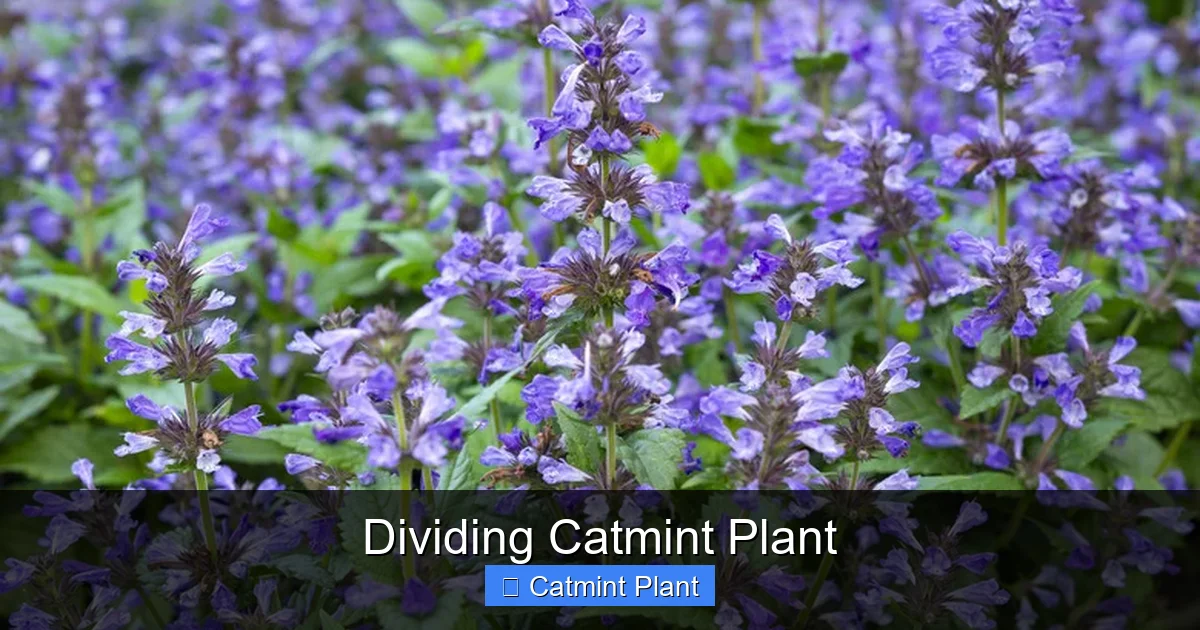
Dividing Catmint Plant
Dividing catmint plant rejuvenates older clumps, boosts flowering, and gives you free new plants. Follow our simple guide to timing, tools, and aftercare for success.
If you love the soft, aromatic foliage of catmint, you already know how fast it can spread. Over time a single clump becomes woody in the center and produces fewer flowers. The solution is simple: dividing catmint plant every few years. This process refreshes the plant, gives you extra starts for friends or new garden beds, and keeps the garden looking tidy. In this guide I walk you through everything you need to know, from the best season to the exact steps that guarantee healthy new growth.
I have divided catmint in my own backyard for over a decade. Each season I learn a new trick, and I’m happy to share those practical tips with you. Whether you are a beginner or a seasoned gardener, the information below will make the job feel like a relaxed weekend project rather than a chore.
Key Takeaways
- Best time: Early spring or early fall when the plant is dormant but soil is workable.
- Tools needed: Sharp spade, garden fork, clean knife, and a bucket of water.
- Divide size: Each division should have at least three healthy shoots and a good root ball.
- Replant quickly: Keep roots moist and plant at the same depth as before.
- Water well: Deep watering after planting helps settle soil and reduces transplant shock.
- Mulch and monitor: A light mulch conserves moisture and suppresses weeds while new growth establishes.
- Avoid common errors: Don’t divide in midsummer heat, don’t make divisions too small, and don’t skip aftercare.
Quick Answers to Common Questions
What is the best season for dividing catmint plant?
Early spring or early fall are ideal because the plant is dormant but the soil is workable.
How many shoots should each division have?
At least three healthy shoots with a good root ball for reliable establishment.
Can I divide catmint in summer?
It’s not recommended; heat stresses the roots and reduces survival rates.
Do I need to fertilize right after dividing?
Wait about a month, then apply a light balanced fertilizer to support new growth.
How often should I repeat the division?
Every three to four years keeps the plant vigorous and prevents a woody center.
📑 Table of Contents
Why Divide Catmint?
Revitalizes Old Clumps
Catmint (Nepeta) forms a dense mat of stems. After three to four years the center becomes woody and stops producing fresh shoots. Dividing catmint plant removes that tired core and encourages vigorous new growth from the outer edges.
Increases Flower Power
Fresh divisions put energy into flowering rather than maintaining old wood. You’ll see more spikes of lavender‑blue blooms throughout the summer.
Free Plants for Sharing
One mature clump can yield four to six healthy divisions. That’s a cost‑free way to expand your herb border or gift plants to neighbors.
When to Divide Catmint
Spring Division
Early spring, just as new shoots appear, is the classic window. The soil is moist from winter rains, and the plant has the whole growing season to establish.
Fall Division
Early fall works well in milder climates. The plant enters dormancy soon after, so the roots can settle before winter cold. Avoid dividing after the first hard frost.
Signs It’s Time
- Center of the clump looks brown and woody.
- Flower production has dropped noticeably.
- The plant has outgrown its allotted space.
If you notice any of these cues, schedule a dividing catmint plant session within the next few weeks.
Tools and Preparation
Essential Tools
- Sharp spade or garden fork – for clean cuts.
- Clean, sharp knife or pruning shears – to separate tangled roots.
- Bucket of water – to keep roots moist while you work.
- Garden gloves – protect your hands from rough stems.
Soil Preparation
Loosen the soil in the new planting holes to a depth of 12 inches. Mix in a handful of compost for nutrients. Catmint prefers well‑drained, slightly alkaline soil, but it tolerates a range of conditions.
Water the Day Before
Give the mother plant a deep soak 24 hours before you start. Moist soil makes the root ball easier to lift and reduces shock.
Step‑by‑Step Guide to Dividing Catmint Plant
1. Dig Around the Clump
Insert the spade 6–8 inches from the outer stems. Work your way around the perimeter, loosening the soil. Lift the entire clump in one piece if possible.
2. Shake Off Excess Soil
Gently shake or tap the root ball to reveal the root structure. You’ll see a network of fibrous roots with several crowns (the points where stems emerge).
3. Separate the Crowns
Using your hands or a clean knife, pull apart the crowns. Each division should have at least three healthy shoots and a decent root mass. Discard any woody, dead centers.
4. Trim Damaged Roots
Snip off any broken or overly long roots. This encourages new feeder roots to form quickly after replanting.
5. Replant Immediately
Place each division in its prepared hole at the same depth it grew before. Backfill with soil, firm gently, and water thoroughly. Keep the soil consistently moist for the first two weeks.
6. Mulch and Label
Apply a 2‑inch layer of shredded bark or straw around each new plant. Label the varieties if you have more than one type of catmint.
Common Mistakes to Avoid
Dividing in Midsummer Heat
High temperatures stress the plant and dry out roots fast. Stick to spring or early fall for the best survival rates.
Making Divisions Too Small
Tiny pieces with only one shoot often fail to establish. Aim for a minimum of three shoots per division.
Skipping Aftercare
New divisions need consistent moisture and a light feed of balanced fertilizer after the first month. Neglect leads to wilting and poor flowering.
Planting Too Deep or Too Shallow
The crown should sit just at soil level. Burying it invites rot; exposing it dries out the roots.
Propagation Tips and Long‑Term Care
Mulching for Moisture Retention
A thin mulch layer reduces watering frequency and keeps weeds down. Refresh mulch each spring.
Fertilizing Lightly
Catmint is not a heavy feeder. A single application of a slow‑release 10‑10‑10 fertilizer in early spring is enough.
Pruning for Shape
After the first flush of blooms, shear the plant back by one‑third. This encourages a second bloom period and keeps the habit compact.
Divide Every 3‑4 Years
Mark your calendar. Regular dividing catmint plant sessions prevent the center from becoming woody again.
That’s the whole process in a nutshell. With a little planning and the right timing, you’ll turn one tired clump into a thriving collection of catmint that fills the garden with fragrance and color. Grab your spade, pick a cool morning, and enjoy the satisfaction of creating new plants from an old favorite.
Frequently Asked Questions
What tools do I need for dividing catmint plant?
You need a sharp spade or garden fork, a clean knife or pruning shears, a bucket of water, and garden gloves.
How deep should I plant the divisions?
Plant each division at the same depth it was growing originally, with the crown just at soil level.
Will dividing catmint plant reduce flowering this year?
There may be a slight dip the first season, but the plant typically rebounds with more blooms the following year.
Can I divide catmint in containers?
Yes, container-grown catmint can be divided the same way; just ensure the pot has fresh potting mix after replanting.
What type of mulch works best?
Shredded bark, straw, or leaf mold all work well; apply a 2‑inch layer around the base.
Is catmint invasive after division?
Catmint spreads by rhizomes but is generally well‑behaved; regular division actually controls its spread.


