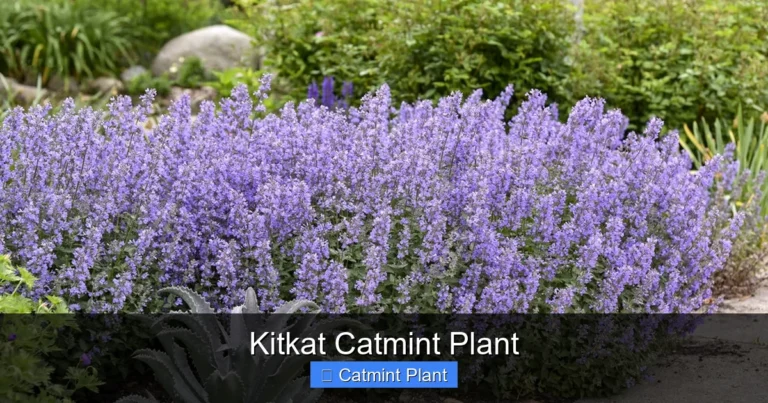
Dividing Catmint Plants
Dividing catmint plants every few years keeps them vigorous, prevents center die-out, and gives you free new plants for your garden. The best time is early spring or fall when the plant is dormant or just waking up. With a sharp spade and a little know-how, you can turn one mature clump into several healthy specimens that will bloom abundantly all season long.
If you have grown catmint for more than a couple of seasons, you have probably noticed something. The plant gets bigger each year. The flowers are amazing. The bees love it. But eventually, the center starts to look bare. The stems get woody. The bloom show slows down. That is your signal. It is time to think about dividing catmint plants.
This is not a chore to dread. It is actually one of the most satisfying tasks in the perennial garden. You take one tired clump and turn it into three or four vigorous new plants. You fill gaps in your borders. You share extras with neighbors. You reset the clock on a plant that wants to live forever but needs a little help to look its best. Let us walk through everything you need to know about dividing catmint plants, from the perfect timing to the aftercare that ensures success.
Key Takeaways
- Timing matters most: Divide catmint in early spring before new growth emerges or in early fall to allow roots to establish before winter.
- Divide every 3 to 4 years: Regular division prevents the center of the plant from becoming woody and dying out while promoting better flowering.
- Use clean, sharp tools: A sharp spade or garden fork minimizes root damage and reduces the risk of disease transmission during dividing catmint plants.
- Replant at the same depth: Keep the crown at soil level to prevent rot or drying out, and water thoroughly after planting.
- Water consistently after dividing: New divisions need regular moisture for the first few weeks until they establish strong root systems.
- Discard woody centers: Only replant the healthy outer sections with vigorous roots and green growth for the best results.
- Mulch lightly after planting: A thin layer of organic mulch helps retain moisture and regulate soil temperature around new divisions.
Quick Answers to Common Questions
When is the absolute best time to divide catmint?
Early spring, just as new shoots emerge 2-4 inches tall, is the absolute best time. The plant has maximum energy reserves and a full growing season to establish.
Can I divide catmint in summer if I keep it watered?
It is not recommended. Summer heat stress combined with root disturbance causes high failure rates even with diligent watering. Wait for spring or early fall.
How small can a division be and still survive?
Each division needs at least 3-5 healthy shoots and a root ball roughly the size of a coffee mug. Smaller pieces rarely have enough energy reserves to establish.
Should I fertilize newly divided catmint right away?
No. Wait until the following spring. New divisions need to focus on root growth, not top growth. Fertilizer can burn tender new roots and encourage weak, floppy stems.
My divided catmint is wilting every afternoon. Is it dying?
Afternoon wilting with morning recovery is normal for the first 2-3 weeks. It indicates the roots cannot keep up with transpiration yet. Keep soil consistently moist and provide temporary shade if extreme heat occurs.
📑 Table of Contents
- Why Bother Dividing Catmint Plants
- When to Divide Catmint for Best Results
- Tools and Preparation for Dividing Catmint Plants
- Step-by-Step Guide to Dividing Catmint Plants
- Aftercare for Newly Divided Catmint
- Common Mistakes When Dividing Catmint Plants
- Special Considerations for Different Catmint Varieties
- Creative Uses for Your Catmint Divisions
- Troubleshooting Divided Catmint
- Conclusion
Why Bother Dividing Catmint Plants
The Natural Life Cycle of Catmint
Catmint, known botanically as Nepeta, is a tough perennial. It spreads by underground stems called rhizomes. Over time, the original center of the plant gets old. It becomes woody and unproductive. The energy shifts to the outer edges where the growth is young and vigorous. This creates a donut shape. The middle is dead. The ring is alive. Dividing catmint plants reverses this process. It resets the plant to its youthful stage.
Benefits Beyond Rejuvenation
There are other great reasons to divide. You get free plants. A single mature clump can yield four or five healthy divisions. That saves money at the nursery. You can expand your planting design. You can fill a new bed. You can trade with gardening friends. Dividing catmint plants also improves air circulation. This reduces the risk of fungal diseases like powdery mildew, which catmint can sometimes get in humid summers.
Signs Your Catmint Needs Division
How do you know it is time? Look for these clues. The center of the clump is dead or sparse. Flower production has dropped significantly. The plant flops open in the middle after rain. The clump has outgrown its allotted space. It has been three to four years since the last division. If you see two or more of these signs, grab your spade. Dividing catmint plants is the answer.
When to Divide Catmint for Best Results
Spring Division Advantages
Early spring is the gold standard for dividing catmint plants. The soil is warming up. The plant is just waking from dormancy. You can see the new shoots emerging at the base. This makes it easy to identify healthy growth. The cool, moist weather reduces transplant shock. The divisions have the whole growing season to establish roots before winter. Aim for the window when shoots are two to four inches tall. This is usually March to April in most zones.
Fall Division Considerations
Early fall is the second-best time. The summer heat has passed. The soil is still warm, which encourages root growth. Rainfall is often more reliable. You need to finish at least six weeks before your average first hard frost. This gives roots time to anchor. In zones 5 and colder, early September is ideal. In warmer zones, you can push into October. Fall dividing catmint plants works well if you missed the spring window.
Times to Avoid
Do not divide in the heat of summer. The stress of division plus heat and drought often kills divisions. Avoid dividing during a bloom flush. The plant is putting energy into flowers, not roots. Late fall is risky in cold climates. The ground may freeze before roots establish. Winter division is impossible in frozen ground. Stick to spring or early fall for the highest success rate with dividing catmint plants.
Tools and Preparation for Dividing Catmint Plants
Essential Tools Checklist
You do not need fancy equipment. Gather these basics. A sharp spade or garden fork. A sturdy knife or old pruning saw for tough roots. Clean pruning shears. A tarp or wheelbarrow. A hose or watering can. Gardening gloves. A bucket of water with a splash of bleach for tool cleaning. Sharp tools make clean cuts. Clean tools prevent disease spread. This is critical when dividing catmint plants.
Preparing the Plant
Water the catmint deeply the day before you plan to divide. Moist soil holds together better. It reduces root breakage. It makes digging easier. Cut the foliage back to about six inches tall. This reduces water loss through leaves. It makes the plant easier to handle. It lets you see the crown structure clearly. Remove any dead stems or debris from the base. Good prep makes dividing catmint plants smoother and faster.
Preparing the New Homes
Dig the new planting holes before you lift the mother plant. This minimizes the time roots spend exposed to air. Choose a sunny spot with well-drained soil. Catmint hates wet feet. Space holes 18 to 24 inches apart. Make them twice as wide as the root ball you expect. Amend the soil with compost if it is heavy clay or very sandy. Have a bucket of water ready to dunk roots if there is a delay. Planning ahead is half the battle when dividing catmint plants.
Step-by-Step Guide to Dividing Catmint Plants
Lift the Entire Clump
Start by cutting a circle around the plant. Use your spade. Go about six to eight inches out from the outer stems. Drive the spade straight down. Rock it back and forth to sever roots. Work your way around the full circle. Once the circle is cut, slide the spade under the clump. Pry gently. Lift the whole plant onto your tarp. If it is huge, cut it into halves or quarters in the ground first. Then lift sections. Keep as much soil on the roots as possible during dividing catmint plants.
Clean and Inspect the Roots
Shake off excess soil gently. You can rinse roots with a hose on a gentle setting. This reveals the root structure. Look for the crown. That is where stems meet roots. Identify the woody center. It will be dark, hard, and have few fine roots. The healthy divisions are on the outer edges. They have white, fleshy roots and green buds. Discard the woody center. It will not regrow well. This inspection is crucial for successful dividing catmint plants.
Separate Into Divisions
Now pull or cut the clump apart. Use your hands for loose roots. Use the knife or saw for dense, woody sections. Each division needs three to five healthy shoots. Each needs a good chunk of root system. Aim for pieces about the size of your fist or larger. Smaller pieces take longer to establish. Larger pieces bloom sooner. Trim any broken or damaged roots cleanly. Trim long roots to about six inches to encourage branching. This separation step defines the quality of your dividing catmint plants results.
Replant Immediately
Place each division in its prepared hole. The crown should sit at soil level. Not deeper. Not shallower. Spread the roots out naturally. Do not wad them up. Backfill with native soil mixed with a little compost. Firm the soil gently with your hands. Do not stomp. You want good soil contact but not compaction. Water each division thoroughly. A slow, deep soak settles the soil and eliminates air pockets. Speed matters here. Dividing catmint plants succeeds when roots stay moist.
Label and Mulch
Place a plant label next to each division. Note the variety and date. This helps you track performance. Apply a one-inch layer of organic mulch. Shredded leaves, straw, or bark chips work well. Keep mulch away from the crown. A mulch volcano invites rot. A mulch donut conserves moisture. Water again lightly over the mulch. Your dividing catmint plants project is now in the ground and ready to grow.
Aftercare for Newly Divided Catmint
The Critical First Two Weeks
The first fourteen days are make or break. Check soil moisture daily. Stick your finger two inches deep. If it feels dry, water. Do not let divisions dry out. Do not keep them soggy. Consistent moisture is key. Provide shade if a heat wave hits. A piece of shade cloth or an overturned laundry basket works for a day or two. Watch for wilting. Some afternoon wilt is normal. Morning wilt means water now. Diligent aftercare ensures dividing catmint plants pays off.
Weeks Three Through Six
Roots are starting to explore. You can reduce watering frequency. Water deeply twice a week if no rain. Watch for new growth at the crown. This is the victory sign. Tiny leaves emerging means roots are working. Do not fertilize yet. The plant needs to focus on roots, not top growth. Pull any weeds that appear. They compete for moisture. Keep the mulch layer intact. Patience during this phase rewards your dividing catmint plants effort.
Long-Term Establishment
By week eight, divisions should be well anchored. You can treat them like mature plants. Resume normal watering for your climate. In spring divisions, you may see flowers the first summer. Fall divisions usually wait until next year. Apply a light side-dressing of compost in early spring. Deadhead spent flowers to encourage rebloom. Divide again in three to four years. The cycle continues. Successful dividing catmint plants creates a legacy of beautiful plants.
Common Mistakes When Dividing Catmint Plants
Dividing Too Small
Tiny divisions struggle. A piece with one shoot and a few roots often dies. It lacks energy reserves. It dries out fast. It gets outcompeted by weeds. Always aim for substantial chunks. Three to five shoots minimum. A root ball the size of a coffee mug or larger. If you have a massive clump, fewer big divisions beat many tiny ones. Quality over quantity wins when dividing catmint plants.
Planting Too Deep or Too Shallow
Depth errors kill. Too deep buries the crown. Rot sets in. New shoots cannot emerge. Too shallow exposes roots. They dry out. They freeze in winter. The crown must be at soil level. Check after watering settles the soil. Adjust if needed. This simple detail separates thriving divisions from failures in dividing catmint plants.
Skipping the Water-In
Planting dry into dry soil is a death sentence. Even if rain is forecast, water immediately. You need to settle soil around roots. You need to eliminate air pockets. Air pockets dry out roots. They break root-to-soil contact. A thorough soak takes two minutes. It saves weeks of heartache. Never skip this step when dividing catmint plants.
Dividing at the Wrong Time
July division in zone 7? Bad idea. November division in zone 4? Risky. Blooming division? Stressful. The plant cannot handle root loss plus environmental stress. Stick to the windows. Early spring. Early fall. That is it. Mark your calendar. Set a reminder. Timing discipline makes dividing catmint plants reliable.
Not Discarding the Woody Center
Sentimentality has no place here. That dead center will not magically revive. It harbors pests. It harbors disease. It wastes space. Compost it. Burn it if you have disease issues. Only replant the vigorous outer growth. Ruthless selection creates strong new plants. Dividing catmint plants requires a bit of toughness.
Special Considerations for Different Catmint Varieties
Nepeta x faassenii Cultivars
This group includes popular varieties like ‘Walker’s Low’, ‘Blue Wonder’, and ‘Junior Walker’. They are sterile hybrids. They do not self-seed aggressively. They form tight clumps. They respond beautifully to division. The woody center develops predictably every three years. Spring division yields flowers the same summer. These are the easiest for dividing catmint plants.
Nepeta racemosa and Subspecies
These include ‘Little Titch’ and ‘Snowflake’. They are lower growing. They spread a bit faster. The centers may die out sooner, sometimes in two years. Divisions establish very fast. They are great for edging. Divide them more frequently to keep them dense. The process is identical but timing can be slightly more flexible with these vigorous spreaders when dividing catmint plants.
Nepeta sibirica and Larger Species
Siberian catmint gets tall. Four feet tall. The clumps get massive. The roots are tough and deep. You may need a mattock or axe to separate divisions. Do it in spring only. Fall division risks frost heave on these tall plants. Stake new divisions if they are top-heavy. The reward is dramatic architecture. Dividing catmint plants of this type is heavy work but very rewarding.
Catmint Versus Catnip
True catnip (Nepeta cataria) is different. It is shorter-lived. It self-seeds prolifically. It often acts like a biennial. Division is less common because seedlings pop up everywhere. If you do divide catnip, do it in early spring. The roots are taprooted. Dig deep. Expect more shock. Most gardeners just let it reseed. But the principles of dividing catmint plants still apply if you want to move a specific plant.
Creative Uses for Your Catmint Divisions
Designing Drifts and Rivers
Dividing catmint plants gives you numbers. Use them. Plant in drifts of three, five, or seven. Create a river of blue along a path. Edge a rose bed. The soft gray-green foliage hides rose knees. The blue flowers complement pink and yellow roses. Repeat the drift down the border. This creates rhythm. It looks professional. It costs nothing but effort.
Pollinator Meadow Patches
Bees adore catmint. Butterflies too. Hummingbirds visit. Plant divisions in a sunny corner. Mix with coneflowers, salvias, and ornamental grasses. Let it go a little wild. Mow paths through it. You create a pollinator haven. The divisions knit together fast. They suppress weeds. They bloom for months. Dividing catmint plants feeds the ecosystem.
Container and Raised Bed Plantings
Smaller divisions work great in pots. Use ‘Junior Walker’ or ‘Little Titch’. Ensure excellent drainage. Water more frequently. Fertilize lightly monthly. Overwinter pots in a protected spot in cold zones. The aromatic foliage spills beautifully. It softens hardscape edges. Dividing catmint plants fills your containers for free.
Sharing the Wealth
Pot up extra divisions. Label them. Give them to neighbors. Bring them to plant swaps. Donate to community garden sales. Share the specific variety name. Share the care tips. Gardening builds community. Dividing catmint plants multiplies joy, not just plants.
Troubleshooting Divided Catmint
Divisions Not Growing
If a division sits sulking for three weeks, check the roots. Gently tug. Resistance means roots are growing. No resistance means trouble. Dig it up. Check for rot. Check for vole damage. Replant in fresh soil if roots are white and firm. Water with a root stimulator if you like. Sometimes they just need more time. Patience is part of dividing catmint plants.
Wilting Despite Wet Soil
This usually means root rot. The roots died. They cannot take up water. The plant wilts. The soil is wet. Stop watering. Improve drainage if possible. Dust with copper fungicide if you must. Often the division is lost. Learn from it. Next time, ensure sharper drainage. Dividing catmint plants teaches you your soil.
Flopping After Division
New divisions sometimes flop. The roots cannot support the top yet. Cut the foliage back by half. Stake with twiggy branches. Water consistently. It will stiffen up in a few weeks. This is temporary. Do not panic. Dividing catmint plants includes a recovery period.
No Flowers First Year
Fall divisions often skip year one blooms. Spring divisions of large pieces usually bloom. Small pieces may wait. Do not fertilize heavily to force flowers. That makes weak growth. Accept the gap. The show next year will be spectacular. Dividing catmint plants is a long game.
Conclusion
Dividing catmint plants is one of those garden tasks that gives back tenfold. You spend an hour with a spade. You get years of blooms. You get free plants. You get healthier plants. You get to share. The process is simple. Water. Dig. Split. Replant. Water again. The timing is flexible enough for any schedule. The tools are basic. The skills are learnable in one session.
Remember the key points. Divide in early spring or early fall. Every three to four years. Discard the woody center. Plant at the right depth. Water like you mean it. Mulch lightly. Then step back and watch. The gray-green mounds will return. The lavender-blue spikes will rise. The bees will arrive in clouds. Your garden will look like a magazine spread. And you will know the secret. It all came from dividing catmint plants.
So look at your catmint this season. Is the center bare? Are the flowers fewer? Is it crowding its neighbors? If yes, mark your calendar. Spring or fall. Get your spade sharp. Join the generations of gardeners who know that division is multiplication. Your catmint is waiting. Your future garden is waiting. Go make more beauty.
Frequently Asked Questions
How often should I divide my catmint plants?
Divide catmint every 3 to 4 years to maintain vigor and prevent the center from dying out. Signs it is time include reduced flowering, a bare center, and the plant flopping open after rain.
Can I divide catmint in the fall in cold climates?
Yes, but do it at least 6 weeks before the ground freezes. In zones 4-5, early September is ideal. This gives roots time to establish before winter. Mulch well after planting for extra protection.
What do I do with the woody center of the catmint clump?
Discard the woody center. It is old, unproductive growth that will not regenerate well. Only replant the healthy outer sections with white roots and green buds for successful divisions.
Why are my newly divided catmint plants not flowering?
Fall divisions often skip blooming the first year as they focus on root establishment. Spring divisions of larger pieces usually bloom the same summer. Small divisions may take a full year to flower well.
Can I divide catmint that is currently blooming?
It is best to avoid dividing during full bloom. The plant is directing energy to flowers rather than root repair. If you must divide then, cut all flower spikes off first to redirect energy to root recovery.
Do different catmint varieties need different division techniques?
The basic technique is the same, but larger species like Nepeta sibirica have tougher, deeper roots requiring more force to separate. Low growers like ‘Little Titch’ divide easily by hand. All benefit from the same timing and aftercare principles.